West Java, known historically as the heartland of the Sunda Kingdom (Pasundan), offers a dramatic geographical shift from the dense urban sprawl of greater Jakarta to tranquil emerald volcanic uplands. The provincial capital, Bandung, developed as a fashionable Dutch colonial hill station known as the 'Paris of Java' thanks to its cool mountain breezes, Art Deco architecture, and thriving textile industry. Today, it stands as an energetic university metropolis recognized by UNESCO as a Creative City of Design, brimming with third-wave coffee roasters, independent art galleries, and bustling clothing outlets.
Venture beyond the urban center to find landscapes carved by tectonic forces. To the north of Bandung rises Mount Tangkuban Perahu with its accessible steaming caldera, while the south reveals the ethereal, turquoise-tinted acid lake of Kawah Putih perched high above the tea gardens of Ciwidey. Further west, the ancient terraced megaliths of Gunung Padang pose archaeological enigmas, while the dramatic coastal waterfalls and sea cliffs of the UNESCO Global Geopark Ciletuh in Sukabumi offer untamed nature and uncrowded surf breaks.
Reasons to Visit
- Otherworldly Volcanic Landscapes: Stand at the precipice of active calderas like Tangkuban Perahu and marvel at the chalk-white sulfur shores of Kawah Putih.
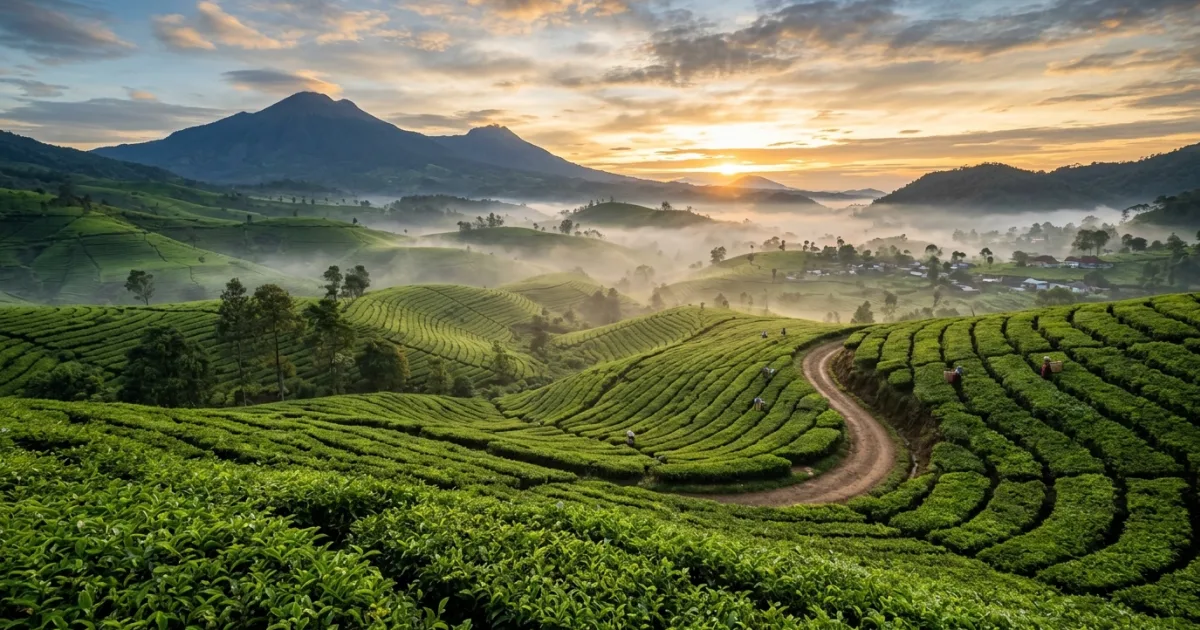
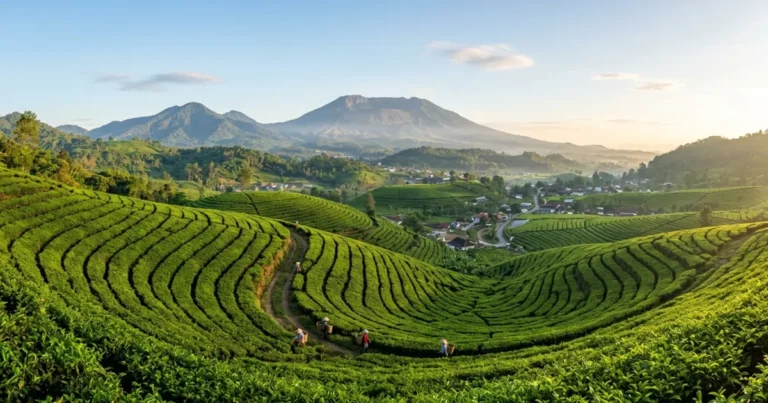
- High-Altitude Tea Estates: Walk through rolling tea plantations in Pangalengan and Ciwidey, sipping single-estate West Java Preanger teas.
- Rich Sundanese Culture: Experience the bamboo music of Saung Angklung Udjo and delve into indigenous heritage and traditional crafts.
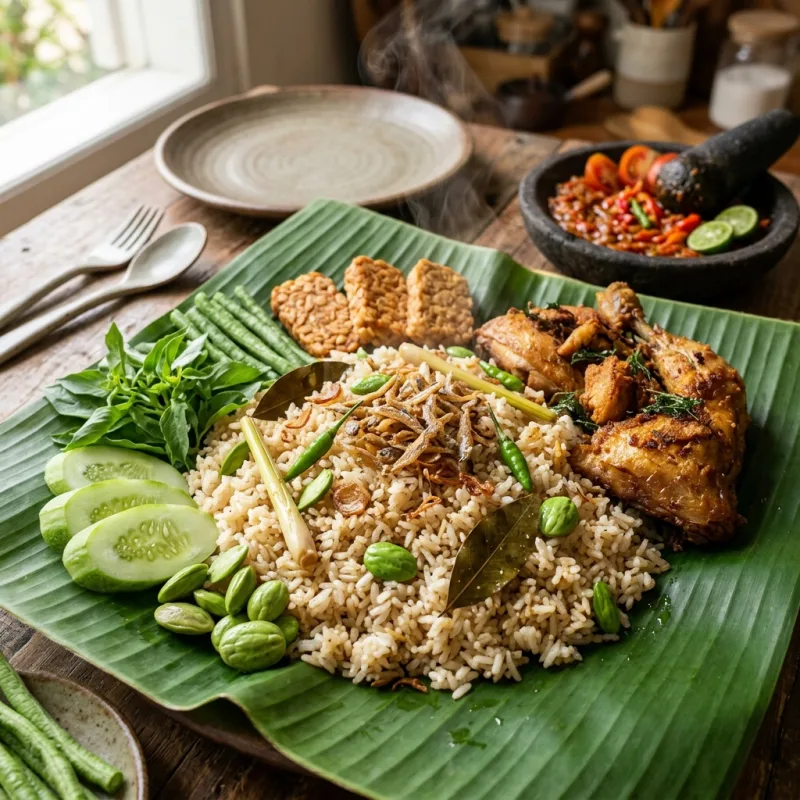
- World-Class Street Food and Coffee: Indulge in artisanal specialty coffees, hot batagor dumplings, and traditional communal feasts on banana leaves.
- Seamless Modern Connectivity: Ride Southeast Asia's first high-speed rail line, Whoosh, whisking travelers straight into the highland gateway in under 45 minutes.
Things to Avoid
- Avoid driving between Jakarta and Bandung on Friday evenings or Sunday afternoons via the highway, as severe weekend traffic jams can turn a two-hour journey into six hours.
- Do not ignore volcanic warning signs or hike off designated trails inside crater areas without local park rangers.
- Avoid drinking tap water; always choose boiled, filtered, or sealed bottled water, and verify ice purity in rural stalls.
- Do not use your left hand to pass money, food, or objects to others, as it is considered impolite in traditional Indonesian culture.
Local Transportation Tips
Intercity rail travel in West Java is highly efficient. The Whoosh bullet train connects Jakarta to Bandung at speeds up to 350 km/h, while Kereta Api Indonesia (KAI) operates reliable scenic diesel trains connecting cities like Bogor, Sukabumi, Bandung, and Cirebon. Within urban centers like Bandung and Bogor, app-based ride-hailing services (Grab and Gojek) provide transparently priced car and motorbike rides. For reaching remote tea estates and volcanic national parks, hiring a private car with a dedicated driver for the day is the safest and most convenient option.
Travel Etiquette
- Greet locals with a warm smile and a gentle handshake using your right hand, often followed by touching your hand to your chest as a sign of respect.
- Remove your footwear before entering private homes, homestays, and sacred religious spaces or prayer halls.
- Dress respectfully by avoiding revealing tank tops and very short shorts when visiting rural villages, temples, and government landmarks.
- Speak in calm, moderate tones; public displays of anger or aggressive confrontations are viewed as a serious loss of composure.
Recommended Age Group
West Java provides varied activities across generations, though its rugged volcanic topography best suits active explorers.
- Babies (0-2 years): Neutral. Mountain altitudes can be pleasant, but strong sulfur fumes near volcanic calderas and limited stroller accessibility on uneven rural paths make logistics challenging.
- Kids (3-12 years): Neutral. Interactive spots like the Saung Angklung Udjo music workshop and farm attractions in Lembang are wonderful, but long drives over winding mountain roads can cause motion sickness.
- Teens (13-19 years): Recommended. Thrilling active adventures such as crater rim hiking, whitewater rafting in Sukabumi, and exploring Bandung's trendy skate and café culture appeal strongly to teenagers.
- Adults (20-64 years): Recommended. Perfect for hiking, cultural immersion, specialty coffee tasting, boutique glamping, and dynamic street food explorations.
- Seniors (65+ years): Neutral. Scenic mountain retreats and tea plantation drives offer soothing relaxation, but sulfur odors and steep, unpaved walking tracks at key sights demand cautious pacing.
Accessibility Level: Medium
- High-speed rail stations (Whoosh) feature modern elevators, tactile paving, and dedicated accessible boarding ramps.
- Major shopping centers, five-star Bandung hotels, and heritage museums in city centers provide ramp access and standard accessible restrooms.
- Natural crater trails, mountain viewpoints, and rural tea plantations generally lack paved wheelchair ramps and present rocky, stepped topography.
- Hiring a private vehicle with an accommodating driver is strongly recommended for travelers requiring specialized mobility support.
Did You Know?
Bandung was the proud host city of the historic 1955 Asian-African Conference, where leaders of 29 newly independent nations gathered to promote Afro-Asian economic cooperation and oppose colonialism, laying the groundwork for the Non-Aligned Movement.
Cool Statistics
- Over 50 million residents make West Java the most populous province in Indonesia.
- The Whoosh high-speed rail operates at a top commercial speed of 350 km/h (217 mph), drastically shortening travel times.
- Home to over 40 volcanic cones and mountains, contributing to some of the world's most fertile agricultural soil.
- More than 70% of Indonesia's national tea output originates from the scenic highland estates of West Java.







Buy a compatible power adapter for your trip