Bandung is the bustling capital of Indonesia's West Java province, resting on a prehistoric volcanic basin that gives the city its signature mild climate and dramatic topography. Established as a colonial plantation administrative hub during Dutch rule, Bandung earned the moniker 'Parijs van Java' (Paris of Java) during the early 20th century due to its grand Art Deco hotels, boutique clothing avenues, and progressive civic planning. Today, it thrives as a vibrant center of tertiary education, home to prestigious institutions like the Bandung Institute of Technology (ITB), which injects youthful artistic, musical, and technological energy across its districts.
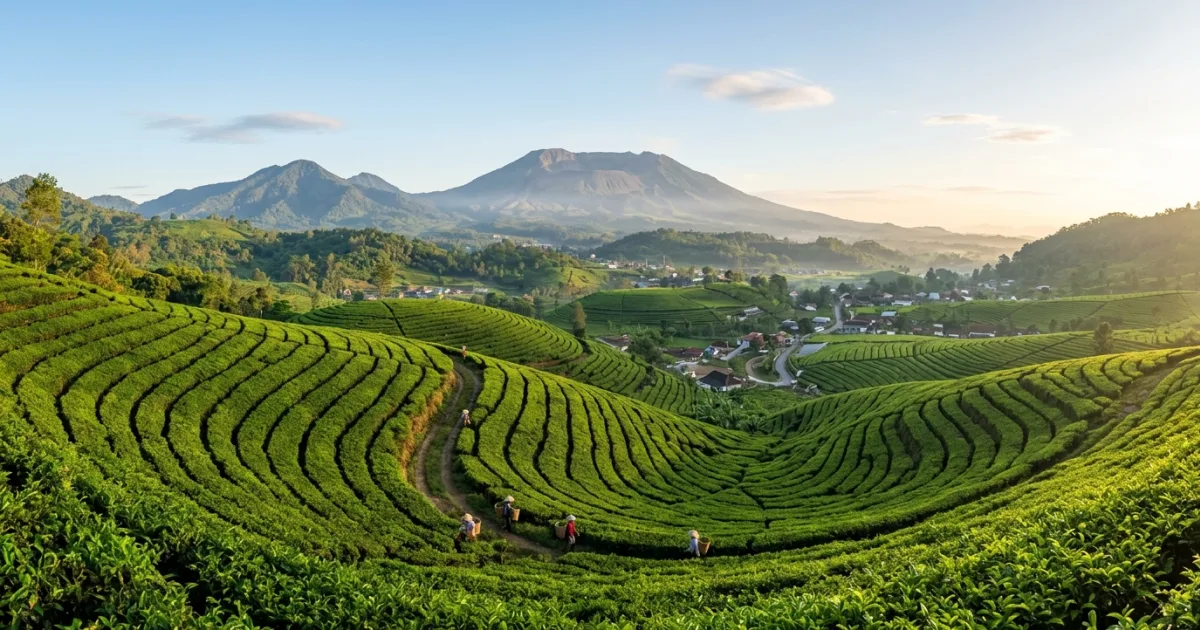
The city's geographic layout offers visitors two distinct worlds: an energetic urban core filled with heritage architecture along Jalan Braga and thriving factory outlets along Jalan Riau, alongside sweeping natural escapes just an hour north or south. To the north lies Lembang and the smoldering crater of Tangkuban Perahu, where sulfur trails rise over dense pine forests and highland strawberry farms. To the south lies Ciwidey, dominated by the surreal pale turquoise sulfur lake of Kawah Putih and manicured tea plantations stretching across rolling mountain ridges.
Reasons to Visit
- Highland Climate: Refreshing mountain temperatures provide a welcome respite from tropical coastal heat.
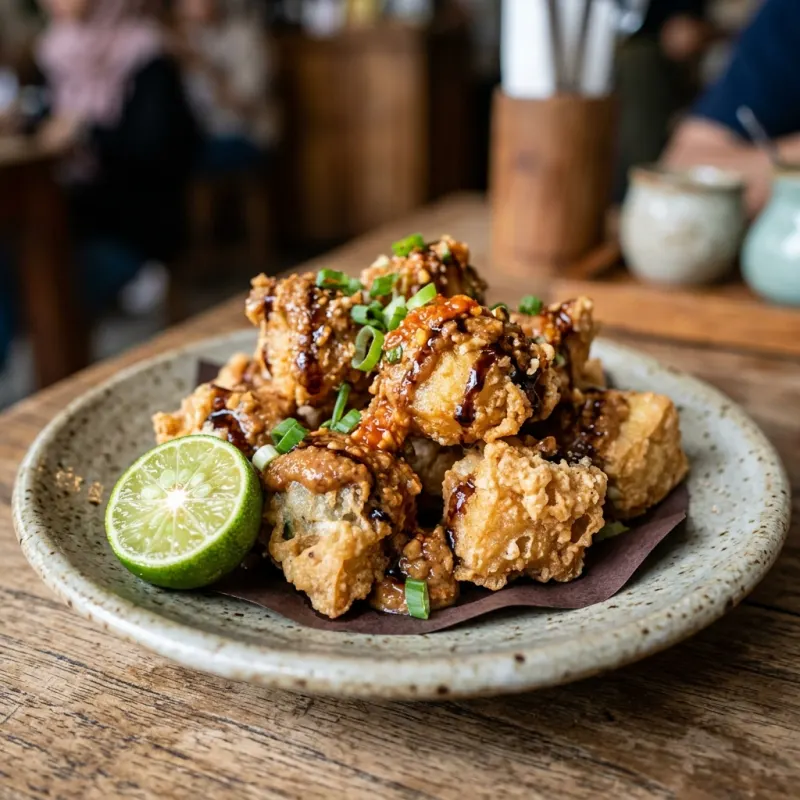
- World-Class Street Food: Unrivaled street food innovations including batagor, seblak, siomay, and authentic Sundanese grilled feasts.
- Dramatic Volcanic Landscapes: Drive-up accessibility to active calderas like Tangkuban Perahu and the mystical crater lake of Kawah Putih.
- Art Deco Architecture: Beautifully preserved heritage buildings, including Gedung Sate and Villa Isola, along historic colonial thoroughfares.
- Vibrant Cafe & Retail Culture: Sprawling multi-level fashion factory outlets and hillside designer coffee shops with sweeping valley panoramas.
Things to Avoid
- Do not attempt to navigate major arterial corridors like Jalan Pasteur during Friday evenings and Sunday afternoons without budgeting extra transit time due to heavy weekend traffic from Jakarta.
- Avoid buying factory outlet clothes without checking seams, tags, and zippers, as items range from overstock originals to lower-tier local reproductions.
- Do not inhale sulfur fumes at crater edges for extended periods without an appropriate particulate or carbon filter mask.
- Avoid hiring unofficial street guides or accepting unmetered taxis outside major rail stations; stick to verified ride-hailing platforms.
Local Transportation Tips
Navigating Bandung is most efficiently accomplished via on-demand app-based ride-hailing services like Grab and Gojek, which offer both cars and motorbikes at upfront metered prices. For full-day excursions to outlying highland attractions such as Kawah Putih in Ciwidey or Orchid Forest in Lembang, booking a private car with a dedicated driver for 10 to 12 hours is standard and economical (costing around $35–$50 USD). Public minibuses, known locally as angkot (angkutan kota), crisscross the urban center along fixed routes; however, they lack scheduled departures, signage in English, and air conditioning, making them challenging for first-time visitors.
Travel Etiquette
- Always pass food, money, or objects using your right hand, as the left hand is culturally considered unclean in Indonesia.
- Dress modestly when visiting cultural sites, traditional villages, and government buildings like Gedung Sate by covering shoulders and knees.
- Remove your footwear before entering someone's home, private homestays, or carpeted prayer areas.
- A gentle nod, slight bow, and soft handshake are standard polite greetings among locals.
Recommended Age Group
Bandung provides dynamic travel experiences suitable for diverse demographics, though certain outdoor volcanic sites require physical awareness.
- Babies (0-2 years): Neutral. Pavements across central commercial streets are uneven for strollers, and sulfuric air at active volcano craters is unsuitable for infants; however, upscale family resorts in northern Bandung cater well to infants.
- Kids (3-12 years): Recommended. Children enjoy interactive science and nature parks, petting zoos in Lembang, strawberry picking farms, and spacious mountain resorts.
- Teens (13-19 years): Recommended. Teenagers will appreciate the trendy cafe culture, creative art villages, shopping districts, and outdoor adventure parks.
- Adults (20-64 years): Recommended. Excellent opportunities for culinary exploration, heritage photography, trekking, boutique shopping, and highland coffee tasting.
- Seniors (65+ years): Recommended. The cool highland weather, relaxed tea plantation walks, scenic drives, and abundant wellness hot springs make it a favored getaway for older adults who prefer slow-paced touring.
Accessibility Level: Medium
- Sidewalk infrastructure in downtown Bandung is inconsistent, featuring high curbs and broken paving slabs that present challenges for manual wheelchair users.
- Major shopping centers, such as Paris Van Java and 23 Paskal, along with modern transit stations like Padalarang Whoosh Station, offer full step-free access, ramps, and operational elevators.
- Natural crater parks like Tangkuban Perahu offer vehicle parking close to the main rim, allowing direct viewing access, whereas trails descending toward secondary craters involve steep, irregular steps.
- Specialized wheelchair-accessible taxis are limited; booking a spacious private van with a personal driver is the recommended mobility strategy.
Did You Know?
In 1955, Bandung hosted the historic Asian-African Conference (Bandung Conference) at Gedung Merdeka, bringing together leaders from 29 newly independent nations to promote Afro-Asian economic and cultural cooperation, which ultimately laid the foundational groundwork for the Non-Aligned Movement during the Cold War.
Cool Statistics
- Bandung sits at an average altitude of 768 meters (2,520 feet) above sea level, cooling its annual average temperature to approximately 24°C (75°F).
- The city is home to over 80 major universities and higher-education colleges, making it one of Indonesia's largest student hubs.
- The Whoosh high-speed rail connects Greater Jakarta to the Bandung metropolitan basin at operating speeds of up to 350 km/h (217 mph).






Buy a compatible power adapter for your trip