Disclosure: This site contains affiliate links. We may earn a commission if you make a purchase, at no extra cost to you.

>
>
>
>
>
Toyama Prefecture

Toyama Prefecture

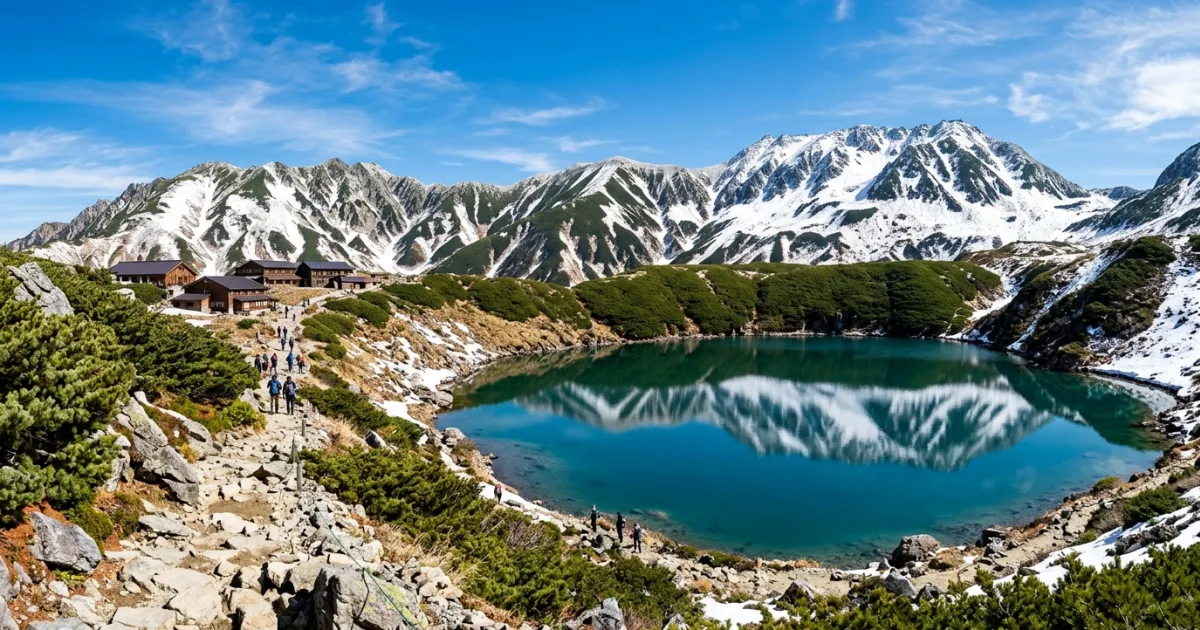
Panoramic landscape of Mount Tateyama and the Northern Japan Alps reflecting in Mikurigaike Pond in Toyama Prefecture

Toyama Prefecture Overview & Key Highlights

Toyama Prefecture anchors Japan's rugged Hokuriku coastline, framed by the 3,000-meter peaks of the Northern Japan Alps and the nutrient-dense waters of Toyama Bay. The prefecture offers an extraordinary topographical contrast where travelers can gaze across a deep coastal inlet directly at snow-draped alpine summits. Key highlights include the engineering wonder of the Kurobe Dam along the Tateyama Kurobe Alpine Route, the preserved thatched-roof farmhouses of Gokayama, and the tranquil hot spring baths nestled inside the precipitous Kurobe Gorge. Culinary heritage defines the region just as profoundly as its dramatic geography. Toyama Bay acts as a natural fish tank due to its deep underwater canyon, supplying world-renowned catches such as glowing firefly squid, translucent glass shrimp, and winter yellowtail. Whether traversing towering 20-meter snow walls in spring, soaking in mineral-rich riverside onsen, or admiring centuries of master metalworking in Takaoka, Toyama delivers a peaceful, high-reward alternative to Japan's conventional tourist corridor.

Toyama Prefecture Travel Guide: Logistics & In-Depth Tips

Bordered by the sea and alpine peaks, Toyama Prefecture showcases the sublime dramatic scale of central Honshu. Toyama Bay drops abruptly to depths exceeding 1,000 meters, while just a few kilometers inland, the Tateyama mountain range climbs vertically to over 3,000 meters. This geological phenomenon creates a rapid watershed of pure alpine meltwater that irrigates Toyama's celebrated Koshihikari rice paddies before feeding rich nutrient beds in the ocean. The prefecture represents an essential stop along the Hokuriku route between Nagano, Gifu, and Kanazawa.

Culturally, Toyama balances deep craftsmanship with modern innovation. Takaoka has produced traditional bronze casting and Buddhist bells for over four centuries, while Toyama City is known across Japan as the historic capital of medicinal pharmacology and contemporary glass art. With uncrowded mountain railways, preserved mountain hamlets, and direct Shinkansen access from Tokyo, the prefecture provides a rewarding journey through authentic Japanese heritage and untamed nature.

Reasons to Visit

  • Tateyama Kurobe Alpine Route: Walk alongside towering walls of snow carved through 20-meter drifts and take ropeways across glacier-carved peaks.
  • World-Class Seafood: Taste 'the jewel of Toyama Bay'—sweet, translucent glass shrimp (Shiro-ebi) and sparkling firefly squid fresh from coastal harbor markets.
  • Gokayama World Heritage Hamlets: Wander through Suganuma and Ainokura, historic villages with steep-pitched thatched roofs set against mountain forests.
  • Kurobe Gorge Torokko Train: Ride an open-sided vintage train through Japan's deepest V-shaped gorge along turquoise river waters and outdoor hot springs.
  • Takaoka Metalcraft & Culture: Visit the Great Buddha of Takaoka and historic casting workshops crafting bells, wind chimes, and artisanal tinware.

Things to Avoid

  • Do not attempt to traverse the Tateyama Kurobe Alpine Route in winter, as high mountain passes are completely sealed by heavy snow from December through mid-April.
  • Avoid wearing thin city shoes or high heels when visiting Kurobe Dam or Gokayama, where gravel paths, wet metal steps, and uneven trails are standard.
  • Do not rely entirely on foreign credit cards in rural fishing ports like Himi or in alpine mountain lodges; keep adequate physical yen on hand.
  • Avoid booking open-air torokko train carriages in Kurobe Gorge during late autumn without heavy thermal coats, as the mountain breeze is bitingly cold.

Local Transportation Tips

Toyama boasts one of Japan's most forward-thinking public transit systems, spearheaded by Toyama City's sleek Light Rail and Centram streetcars. Regional exploration is anchored by the Ainokaze Toyama Railway along the coastline and the JR Johana and Himi lines heading to traditional craft towns and coastal lookouts. To cross the Northern Alps into Nagano, the Tateyama Kurobe Alpine Route integrates funiculars, trolleybuses, cable cars, and walking paths. For the Kurobe Gorge, the Kurobe Gorge Railway operates charming open-sided narrow-gauge carriages from Unazuki Onsen.

Travel Etiquette

  • Follow strict hot spring (onsen) rules: wash and rinse thoroughly with soap at the wash stations before stepping into communal thermal waters.
  • Cover visible tattoos with waterproof patches or reserve private baths (kashikiri-buro) when visiting traditional onsen facilities.
  • Keep voices down and respect private residential areas when photographing the preserved gassho-zukuri houses in Gokayama.
  • Pack out all personal rubbish from hiking trails and mountain platforms, as public trash receptacles are rare in Japanese nature reserves.

Recommended Age Group

Toyama Prefecture offers a versatile mix of outdoor spectacles and comfortable rail journeys suited across multiple life stages.

  • Babies (0-2 years): Neutral. Mountain transit involving multiple transfers and cold mountain winds can prove taxing with strollers, though coastal towns are accommodating.
  • Kids (3-12 years): Recommended. Children thoroughly enjoy riding the open-air Kurobe Gorge train, crossing roaring dams, and marveling at towering snow walls.
  • Teens (13-19 years): Recommended. Teenagers will appreciate the dramatic alpine scenery, outdoor adventure trails, and striking photography locations.
  • Adults (20-64 years): Recommended. Perfect demographic for savoring fresh sashimi, traversing rugged trekking routes, and enjoying craft beer and onsen ryokan.
  • Seniors (65+ years): Recommended. Well-engineered barrier-free cable cars, comfortable Shinkansen connections, and serene hot spring resorts make exploration effortless.

Accessibility Level: Medium

  • Modern stations including Toyama, Shin-Takaoka, and Kurobe-Unazukionsen feature elevators, tactile paving, and wide accessible ticket gates.
  • Major transit legs of the Tateyama Kurobe Alpine Route provide elevator access and wheelchair boarding support, though advance coordination with station staff is recommended.
  • Historic villages like Gokayama feature unpaved gravel pathways and incline inclines that can present challenges for manual wheelchairs without assistance.
  • Toyama City's low-floor light rail trams offer level boarding directly from street platforms, making urban transit fully barrier-free.

Did You Know?

Toyama Bay is famous for an extraordinary natural phenomenon known as 'Shinkiro' (superior mirages). During warm spring days, variations in water and air temperatures refract light across the sea, causing distant shipping vessels and shorelines to appear inverted, stretched, and floating mid-air above the horizon.

Cool Statistics

  • 3,000+ Meters: The vertical elevation change from the bottom of Toyama Bay to the summit of Mount Tateyama within a span of just 50 kilometers.
  • 20 Meters: Peak height reached by the legendary Yuki-no-Otani snow wall after heavy winter blizzards.
  • 186 Meters: The towering height of Kurobe Dam, making it the tallest dam in all of Japan.

Address:

Toyama Prefecture, Japan

Find Nearby Accommodations

Basic Info

address icon

COUNTRY & Region

Japan,
Asia

ACCESSIBILITY LEVEL​

Medium
Currency icon

LOCAL CURRENCY​

Japanese Yen (JPY)
Price level icon
Medium
Safety Level icon

SAFETY LEVEL

Duration icon

Recommended Duration

• 1-7 days
• More than a week

Electricity

electricity icon

Electricity

100-110V, 
60Hz
Plug Socket icon

Plug Type

• Type A (Flat blade)
• Type B (Flat blade with grounding pin)
Plug types
Click To View Plug Types
Toyama Prefecture is part of our
Coolcation collection

Activities To Do In Toyama Prefecture

Best Time To Visit Toyama Prefecture

Toyama Prefecture delivers distinct highlights across all four seasons, with mountain transport operating on strict seasonal schedules.

  • Spring (April to June): Prime season for the Tateyama Kurobe Alpine Route Snow Wall (Yuki-no-Otani) and harvesting sparkling firefly squid along the bay.
  • Summer (July to August): Ideal conditions for alpine hiking, high-elevation wildflower blooms, and cruising the open-air Kurobe Gorge Railway.
  • Autumn (September to November): Spectacular fall foliage blankets the Kurobe Canyon and Gokayama historic villages alongside crisp, clear mountain views.
  • Winter (December to March): The ultimate season for seafood epicures targeting winter yellowtail (Buri) and atmospheric snowy ryokan stays, though high-altitude alpine passes close.

Average Temperatures Per Month

Remember to check the weather forecast a few days before the trip and before heading to the airport.

Safety Level icon

Safety Level

Toyama is an exceptionally safe Japanese prefecture with virtually non-existent violent crime rates. Mountain safety represents the chief practical concern: check alpine meteorological alerts before ascending Mount Tateyama, stay strictly on designated boardwalks, and mind rapid temperature drops above the timberline. During winter, carry appropriate footwear to avoid slipping on packed snow or icy town pavements.

The rating is based on multi-year peace, crime, and security indices. Before you go, always verify current conditions through official government travel advisories.

Emergency Numbers

Police: 110
Ambulance: 119

No internet needed • Includes local translations • Free for TravelingWiz readers

Spoken Languages

Japanese is the official language. Basic English is understood at major rail hubs, modern hotels, and information centers along the Alpine Route, though translation apps are helpful in rural villages.

Learn The Language

  • Konnichiwa — Hello
  • Arigatou gozaimasu — Thank you very much
  • Sumimasen — Excuse me / Pardon me
  • Kore wa ikura desu ka? — How much is this?
  • O-kaikei o onegaishimasu — The bill, please
  • Eigo ga hanasemasu ka? — Do you speak English?
  • Tasukete kudasai — Please help me
  • Doko desu ka? — Where is it?
Travel Booking Partner - TravelingWiz

Trip Cost & Budgeting for Toyama Prefecture, 2026

Everything you need to know about money while traveling
Is Toyama Prefecture expensive for tourists in 2026? While Japan has a reputation for high costs, Toyama offers reasonable prices compared to major hubs like Tokyo. Based on Human Verified prices, expect to pay around 500 JPY for a cappuccino, 600 JPY for a local draft beer, and 2,000 JPY for a standard main meal at a mid-range restaurant. Use the data table below to calculate your specific daily budget based on your travel style.
Currency icon

LOCAL CURRENCY​:

Japanese Yen (JPY)
Price level icon
Medium
Major hotels and train stations accept credit cards, but cash is required for smaller eateries and rural transit.

Per person, per day – pocket cash for small purchases.

Local: 2000
Japanese Yen (JPY)
≈ 13 USD

Full daily spend estimation (accommodation, food, transportation, attractions).

Travel Style
Japanese Yen (JPY)
≈ USD ($)
Budget
11000
70
Mid-range
20000
127
Comfort
44000
279

The Prices, Daily costs, and calculator results are estimates for planning purposes only. Actual costs may vary based on season, booking timing, personal spending habits, and currency fluctuations. TravelingWiz cannot be held responsible for discrepancies between these estimates and your final trip expenses.

  • • Purchase a Suica or ICOCA IC card for seamless payments on local trams and buses across Toyama.
  • • Visit local supermarket food halls or fish market stalls near Toyama Station for fresh seafood at budget prices.
  • • Take advantage of 1-day pass tickets for the Toyama City Tram to save on local sightseeing transit.
  • • Book business hotel chains like Toyoko Inn or Dormy Inn early for included breakfast and hot spring bath amenities.

Pre-Order Tickets

Avoid disappointment when tickets sell out — and skip the long lines by booking online in advance. You’ll often save up to 20% too.
Save up to 20%

Travel Discounts & Coupons

Save on hotels, attractions, transport, and gear — find verified discounts for smarter travel spending.
Verified Coupons

What To Pack

  • Layered alpine clothing including a windproof and waterproof shell jacket for high-altitude weather changes along Tateyama.
  • Sturdy, slip-resistant walking shoes or hiking boots suitable for damp trails, canyon catwalks, and cobblestones.
  • UV-protective sunglasses and high-SPF sunscreen, particularly when navigating reflective snowfields in spring and early summer.
  • Universal plug adapter for Japanese Type A two-prong outlets and a compact power bank for long transit days.
  • Compact hand towel (tenugui) for impromptu footbaths (ashiyu) and hot spring visits across the prefecture.
  • Coin purse for vending machines, rural bus fares, and lockers, alongside a coin-friendly transit IC card.
We couldn't find tips for Toyama Prefecture.
If you got any, please share

Recommended Itineraries for Traveling to Toyama Prefecture

We couldn't find itineraries for Toyama Prefecture.
you can contact us for custom trip plan

Food & Drink Highlights

Local Food Overview

Toyama's gastronomy is molded by cold subterranean waters pouring down from mountain snowmelt into deep submarine valleys. The star of the coastline is Shiro-ebi (translucent glass shrimp), fried crisp as tempura or eaten raw as delicate sashimi. In spring, Hotaru-ika (bioluminescent firefly squid) arrive along the shallow shores, served boiled with vinegared miso or lightly tempura-battered. Winter heralds Himi Buri, a fatty yellowtail caught in traditional fixed nets. Inland, preserve traditions shine through Masuzushi, where salmon trout is pressed over seasoned vinegar rice and wrapped inside fresh green bamboo leaves.
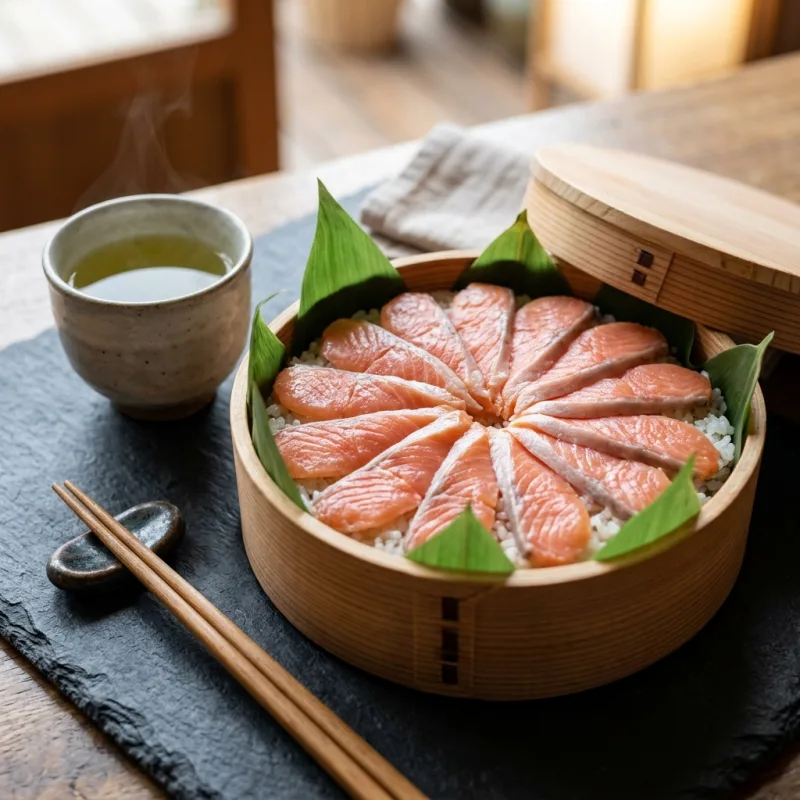
Authentic Toyama Masuzushi pressed trout sushi wrapped in green bamboo leaves inside a round wooden box

Must Try Dish

Masuzushi - A traditional regional pressed sushi made with thinly sliced pink trout layered over lightly vinegared Toyama rice and wrapped tightly in natural bamboo leaves. It offers a clean, savory balance with a pleasant woodsy aroma and is historically enjoyed in round cedar bento boxes.
Food Experiences Title Icon

Food
Experiences

Discover cooking classes, tastings and local food tours

No food experience found
Maya, the human travel expert at TravelingWiz, offering curated, non-AI expertise

Maya’s Final Checklist for Toyama Prefecture

Logistics shouldn’t be the focus of your trip—the experience should. I’ve hand-vetted these essential partners to ensure your arrival, stay, and exploration are as smooth as an Athenian breeze.

Where to Stay

From boutique hotels to local apartments—compare thousands of options and find the perfect stay in the best neighborhood.

Air Travel

Getting there should be seamless. Compare the best routes and prices across top airlines to start your journey on the right note.

Local Guides

Connect with experts who know the destination best. Get personalized advice and insider tips to help you plan your perfect trip.

Travel Protection

The “Engineer’s” rule: always have a backup. Secure your trip with a plan that covers every “what if” and unexpected change.

Car Rentals

Explore at your own pace with total freedom. Compare reliable rental options and find the right vehicle for your adventure.

Visa Services

Don’t let paperwork slow you down. Get expert assistance with your application to ensure all your entry documents are in order.

FAQs

The fastest method is the Hokuriku Shinkansen (Kagayaki bullet train), which connects Tokyo Station directly to Toyama Station in approximately 2 hours and 10 minutes.
The Yuki-no-Otani snow wall is generally open to pedestrians from mid-April through late June, with the highest walls (up to 20 meters tall) visible immediately after the April opening.
Gokayama features the same UNESCO-listed gassho-zukuri thatched-roof architecture as nearby Shirakawa-go in Gifu, but receives a fraction of the tour buses, offering a much quieter and authentic rural experience.
Yes. The Tateyama Kurobe Alpine Route utilizes cable cars, ropeways, and electric buses that allow travelers to reach 2,450 meters without hiking, while coastal scenic trains and hot spring towns cater to relaxed sightseeing.

Your Insights Matter

TravelingWiz grows through the stories of our community. If you’ve recently explored ,Toyama Prefecture share your tips and stories to help us perfect our guides for the next traveler.

Related Articles

Check out our related articles and blog posts to learn even more about the destination.

No related articles found

Don’t Travel Alone

Share with your friends and family

Where should we send your offline card?

We hate spam just as much as you do

newsletter_consent *