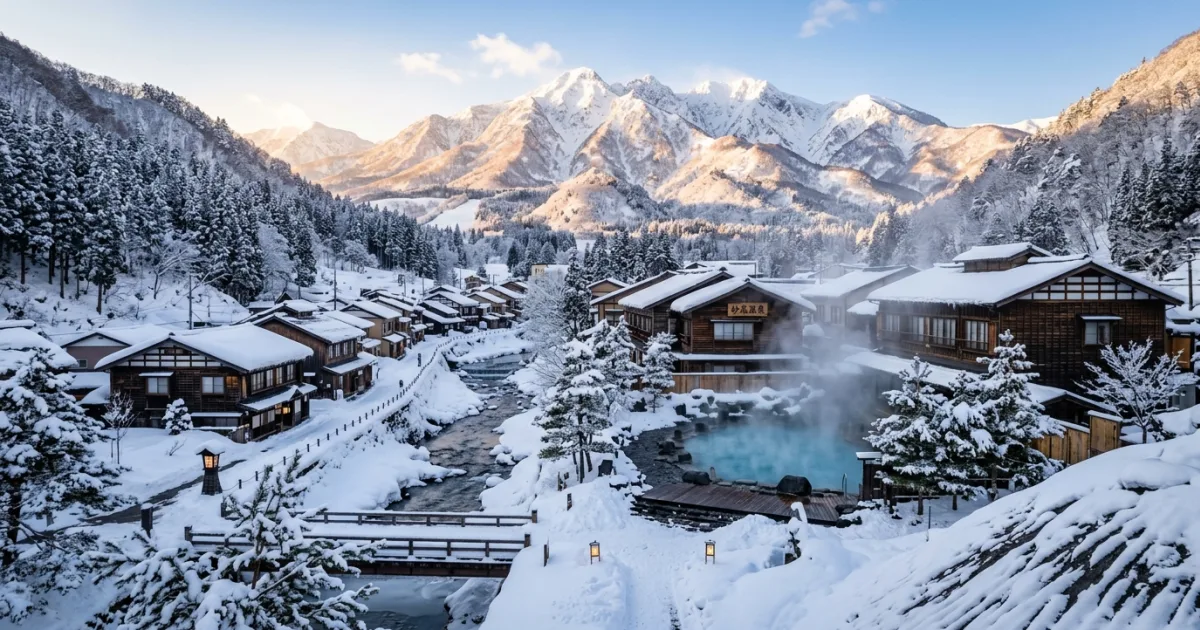
Niigata Prefecture sits along the northern flank of Honshu’s western seaboard, acting as the maritime gateway of the historic Hokuriku and Koshinetsu regions. Geographically shaped by the Echigo Plain and high volcanic ranges, the prefecture catches moisture-laden Siberian winds during winter, creating one of the heaviest snowfall zones on planet Earth. This deep snowpack, often reaching several meters in highland valleys, is far from a hindrance; it has forged a resilient winter culture celebrated in Yasunari Kawabata’s Nobel Prize-winning novel, Snow Country.
In the spring and summer, the melting snow replenishes subterranean aquifers and feeds sweeping agricultural plains, producing Japan’s most celebrated Koshihikari rice and nourishing the country’s highest concentration of sake breweries. Meanwhile, industrial hubs like Tsubame-Sanjo are globally respected for metal craftsmanship, hand-forging chef knives and kitchenware favored by world-renowned culinary masters. Combining serene rural landscapes, contemporary art installations scattered through terraced forests, and pristine hot spring sanctuaries, Niigata presents an authentic portrait of traditional Japan far from overcrowded metropolitan tourist corridors.
Reasons to Visit
- Unmatched Winter Powder: Ski and snowboard across world-renowned resorts in Echigo-Yuzawa and Myoko, directly accessible via high-speed bullet train.
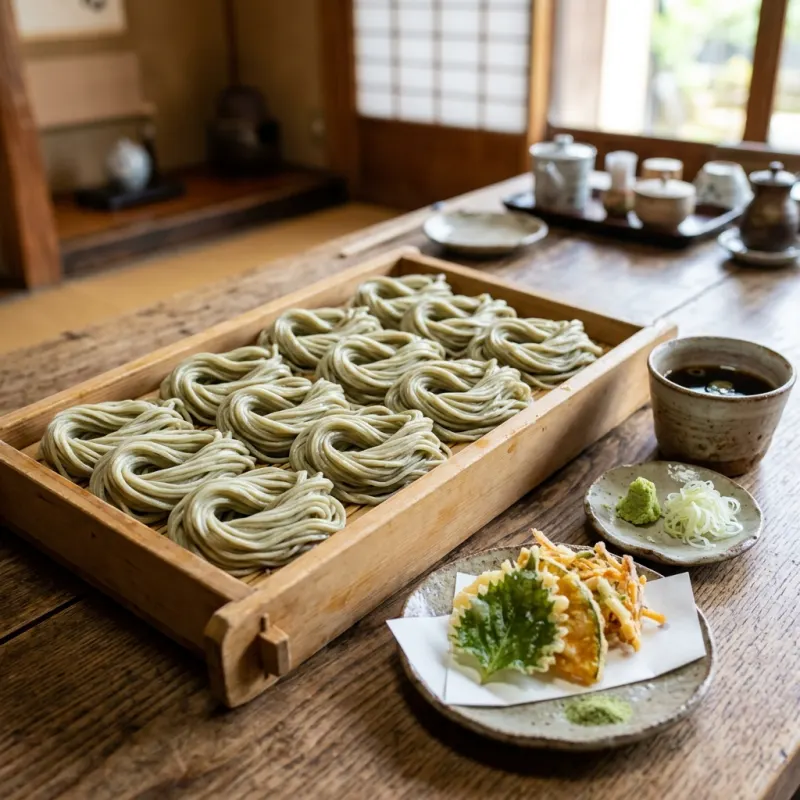
- Japan's Sake and Rice Heartland: Sample ultra-pure sake from over 80 independent breweries and taste authentic Koshihikari rice cooked in spring water.
- Echigo-Tsumari Art Field: Journey through hundreds of contemporary art installations embedded across rural farmland and abandoned village schools.
- Historic Sado Island: Discover Edo-era gold mines, traditional wooden tub boats, and sweeping coastal cliffs reachable via quick ferry rides.
- Tsubame-Sanjo Metal Artisans: Visit open factories and workshops producing hand-hammered copperware and precision cutlery.
Things to Avoid
- Do not wander outside marked boundaries at ski resorts; deep off-piste powder carries severe avalanche and tree-well hazards.
- Avoid wearing heavy-lug outdoor boots inside traditional ryokan or tatami dining halls; always switch to the indoor slippers provided.
- Do not rely solely on credit cards or digital payments when traveling to rural villages or boarding local countryside buses.
- Avoid skipping reservations for Sado Island car rentals or express hydrofoils during peak holiday weekends in summer.
Local Transportation Tips
The Joetsu Shinkansen bullet train connects Tokyo to Niigata City in approximately 100 minutes, stopping at key transit hubs including Echigo-Yuzawa and Nagaoka. For regional travel across the Echigo Plain and coastal routes, the JR Shin'etsu and Uetsu Main Lines provide dependable service. Reaching secluded hot spring valleys, craft workshops in Tsubame-Sanjo, and remote art installations across the Echigo-Tsumari region is easiest via rental car, which offers maximum schedule flexibility. Sado Island is accessed via the Sado Kisen ferry service running regular car ferries and high-speed jetfoils from Niigata Port and Naoetsu Port.
Travel Etiquette
- Onsen Manners: Wash and rinse your body completely before entering communal bath waters; never submerge modesty towels or swimwear in the hot spring pool.
- Footwear Protocol: Remove street shoes immediately at the genkan entryway of accommodations, traditional restaurants, and private homes.
- Respect Rural Quietude: Maintain low speaking volumes when walking through rural farm hamlets and residential village pathways.
- Sake Etiquette: When sharing sake from a carafe (tokkuri), it is customary to pour for your companions rather than filling your own cup.
Recommended Age Group
Niigata Prefecture offers rich experiences across diverse age demographics, particularly excelling for active adults, winter travelers, and cultural explorers.
- Babies (0-2 years): Neutral. Long transit times across rural areas and traditional ryokan layouts with delicate sliding doors can require elevated vigilance, though families are warmly welcomed.
- Kids (3-12 years): Recommended. Excellent snow schools, sledding hills, hands-on craft workshops in Tsubame, and scenic boat rides on Sado Island provide engaging family outings.
- Teens (13-19 years): Recommended. Thrilling winter ski terrain, interactive art triennale scavenger hunts, and coastal bike routes keep teenagers captivated.
- Adults (20-64 years): Recommended. Unbeatable sake tastings, world-class skiing, gourmet farm-to-table dining, and revitalizing hot spring retreats cater perfectly to adult travelers.
- Seniors (65+ years): Recommended. Smooth Shinkansen access, peaceful onsen ryokan with therapeutic mineral waters, and scenic train excursions make for a deeply relaxing, comfortable holiday.
Accessibility Level: Medium
- Major transit terminals including Niigata, Nagaoka, and Echigo-Yuzawa Shinkansen stations feature full barrier-free accessibility with tactile paving, wide gates, and multi-functional elevators.
- Modern ski resort base lodges generally feature step-free entries, although heavy outdoor snowpack during winter can impede wheelchair mobility on footpaths.
- Historic hot spring ryokan and rural wooden farmhouses frequently incorporate multiple steps and narrow hallways; travelers requiring step-free access should verify specific barrier-free rooms in advance.
- Low-floor city buses operate along primary Niigata City corridors, while rural local buses may require navigating steep boarding steps.
Did You Know?
Niigata's coastal city of Tsubame produces a massive proportion of Japan's premium metal cutlery and hand-hammered tableware; in fact, Tsubame artisans were commissioned to hand-polish the casing of the original Apple iPod due to their unmatched metal-buffing expertise.
Cool Statistics
- Niigata is home to 88 registered sake breweries, the largest number of any prefecture in Japan.
- The annual snowfall in Tokamachi and Tsunan frequently exceeds 3 to 4 meters, ranking them among the snowiest inhabited places in the world.
- The Nagaoka Fireworks Festival in August launches over 20,000 fireworks across two evenings, including the spectacular 3-foot-wide Shosanshakudama shell.






Buy a compatible power adapter for your trip