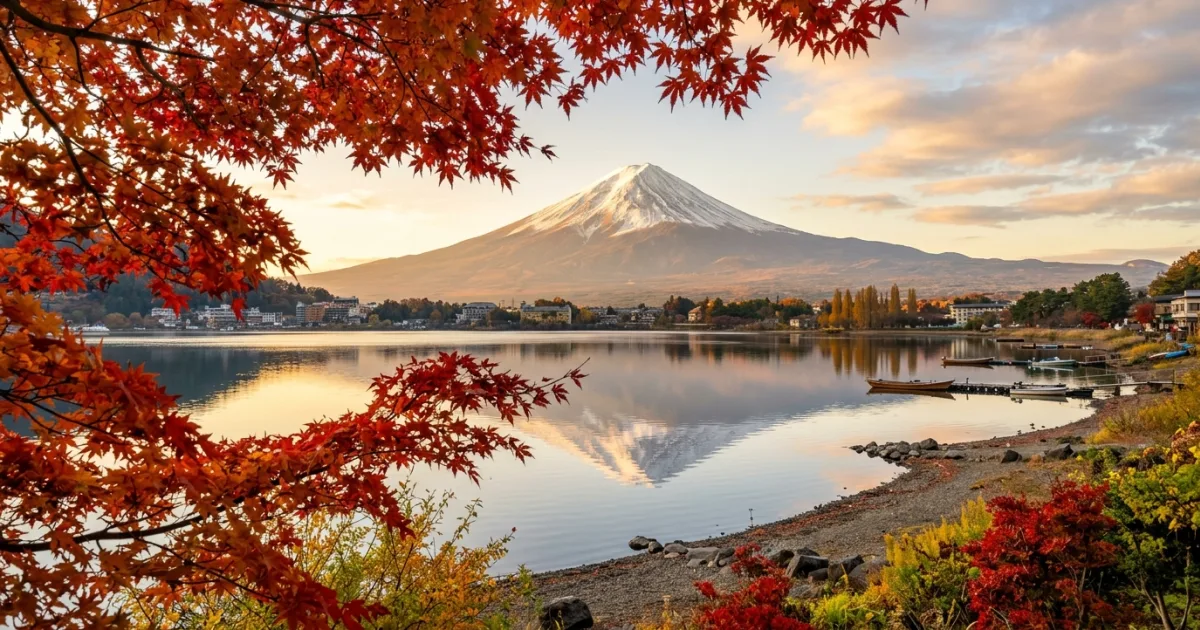
Resting gracefully against the northern foothills of Mount Fuji, the Fuji Five Lakes (Fujigoko) region represents one of Japan's most scenic cultural and recreational sanctuaries. Encompassing Lakes Kawaguchi, Yamanaka, Sai, Shoji, and Motosu, the area was designated part of the Fuji-Hakone-Izu National Park and constitutes an integral component of Mount Fuji's UNESCO World Heritage designation as a sacred place and source of artistic inspiration.
Geologically created when lava flows from Mount Fuji's ancient eruptions redirected and divided prehistoric drainage basins, each lake features its own altitude, microclimate, and character. Lake Kawaguchiko acts as the primary leisure hub with ropeways, museum complexes, and premier lakeside hot springs. Lake Yamanaka, the largest and highest in elevation, is famed for swans and watersports. Moving westward, Lakes Saiko, Shojiko, and Motosuko provide quieter, largely undeveloped natural habitats bordered by the primeval Aokigahara Forest, drawing wild campers, kayakers, and nature enthusiasts seeking serenity.
Reasons to Visit
- Unmatched front-row vistas of Mount Fuji reflecting across pristine lake surfaces.
- Rich onsen culture featuring outdoor mineral baths with unobstructed mountain views.
- Thriving seasonal blooms including cherry blossoms in spring, lavender fields in summer, and the Momiji maple corridor in autumn.
- Diverse outdoor recreation from stand-up paddleboarding and lake kayaking to scenic highland cycling and nature trekking.
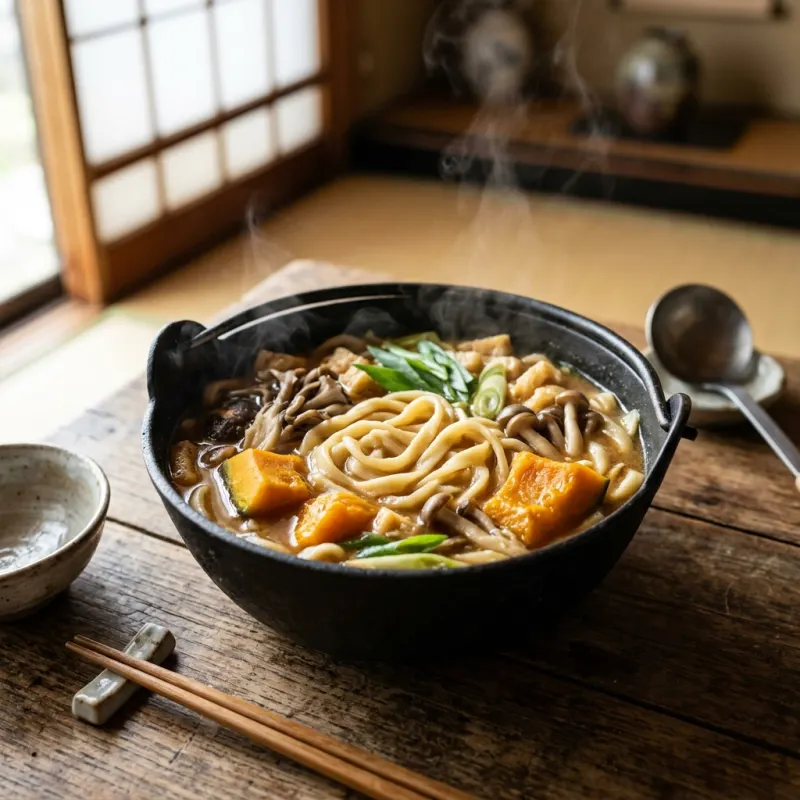
- Authentic culinary traditions centered on piping hot regional dishes like Hoto noodles and Yoshida udon.
Things to Avoid
- Don't assume Mount Fuji is visible every day; avoid booking rigid single-day trips without checking multi-day weather forecasts, as cloud cover frequently obscures the peak.
- Don't wander off designated trails when hiking near the Aokigahara Forest, as the volcanic rock confuses compasses and paths can look indistinguishable.
- Don't rely solely on credit cards in the smaller western lakes; maintain a cash buffer for parking lots, boat hire, and rural diners.
- Don't miss the last sightseeing buses; regional bus lines between the outer lakes cease operations relatively early in the evening (around 5:30 to 6:00 PM).
Local Transportation Tips
Transportation across the Fuji Five Lakes revolves around train, bus, and road networks. The Fujikyu Railway terminates at Kawaguchiko Station, serving as the multimodal transport center. From here, three dedicated Omni Bus lines (Red Line for Kawaguchiko, Green Line for Saiko, and Blue Line for Shojiko/Motosuko) run frequent loops connecting all major attractions. For travelers desiring maximum flexibility across the more distant lakes or sunrise photography, renting a car directly at Kawaguchiko Station or Otsuki Station is highly recommended, as roads are well-maintained and clearly signposted in English.
Travel Etiquette
- Familiarize yourself with onsen rules: wash thoroughly before entering communal waters, keep hair tied up, keep hand towels out of the bath, and cover small tattoos if required by the facility.
- Do not fly recreational drones over lakes, shrines, or near Mount Fuji without explicit national and prefectural permits.
- Carry all personal trash with you; public bins are rare in natural park areas, and leaving waste is strictly frowned upon.
- Respect local residential zones and shrine grounds when setting up camera tripods, avoiding private property intrusions.
Recommended Age Group
Fuji Five Lakes is an accommodating alpine destination suitable for multiple generations, with well-developed infrastructure around the central lakes and active adventures on the outer waters.
- Babies (0-2 years): Neutral. Paved lakeside walkways accommodate strollers, but frequent bus transfers and chilly alpine breezes require careful planning.
- Kids (3-12 years): Recommended. Children will love the Mt. Fuji Panoramic Ropeway, swan pedal boats on Lake Yamanaka, the thrilling rides at nearby Fuji-Q Highland, and interactive nature parks.
- Teens (13-19 years): Recommended. Ideal for active exploration, featuring wakeboarding, kayaking, biking loops, and high-adrenaline roller coasters at Fuji-Q.
- Adults (20-64 years): Recommended. Perfect balance of outdoor hiking, photographic spots, craft breweries, art museums, and luxurious hot spring ryokans.
- Seniors (65+ years): Recommended. Flat scenic promenades, relaxing onsen therapies, scenic boat cruises, and accessible sightseeing buses make it a comfortable retreat.
Accessibility Level: Medium
- Major transport terminals, including Kawaguchiko Station and Mt. Fuji Station, feature step-free level boarding, wheelchair-accessible restrooms, and tactile paving.
- The Mt. Fuji Panoramic Ropeway and Lake Kawaguchiko Sightseeing Ships provide elevator access and ramp boarding for wheelchair users.
- Lakeside promenades at Oishi Park and Yagizaki Park feature flat, paved trails with accessible parking and rest areas.
- Travelers with reduced mobility should note that rural hiking paths, ice caves, and smaller traditional eateries may have narrow doorways and steep wooden steps.
Did You Know?
The image printed on the back of the Japanese 1,000 yen banknote—depicting Mount Fuji and its mirror reflection on the lake's surface—was inspired by a famous 1935 photograph titled 'Lakeside Spring' captured by Koyo Okada at Lake Motosuko.
Cool Statistics
- Highest Lake Elevation: Lake Yamanaka stands at approximately 980 meters above sea level, making it the third-highest lake in Japan.
- Deepest Lake: Lake Motosuko reaches an impressive maximum depth of 121.6 meters, keeping its waters transparent and ice-free throughout winter.
- UNESCO Heritage: Enshrined in 2013 as part of Mount Fuji's 25 constituent cultural heritage properties.
- Distance from Tokyo: Approximately 100 kilometers, accessible within 100 minutes via direct express train or highway bus.






Buy a compatible power adapter for your trip