Disclosure: This site contains affiliate links. We may earn a commission if you make a purchase, at no extra cost to you.

Vermilion buildings of Fujisan Hongu Sengen Taisha shrine with snow-capped Mount Fuji in the background

Fujinomiya Overview & Key Highlights

Fujinomiya rests directly on the southwestern slopes of Mount Fuji in Shizuoka Prefecture, serving as the historical gateway for pilgrims ascending the sacred volcano. The town is anchored by Fujisan Hongu Sengen Taisha, the head shrine of over 1,300 Sengen shrines across Japan, established more than a millennium ago to pacify the volcanic spirit. Clear glacial meltwater flows through the town center from the sacred spring pond of Wakutama-ike, supplying crystal-clear streams that define the landscape. Beyond its spiritual core, Fujinomiya provides immediate access to dramatic geological wonders and celebrated culinary traditions. Shiraito Falls cascades over volcanic strata fed directly by Mount Fuji's underground aquifers, while the rolling Asagiri Highland offers panoramic views across dairy pastures toward the peak. Visitors gather along local food alleys to experience Fujinomiya Yakisoba, an award-winning regional noodle dish prepared with chewy steamed noodles, pork cracklings, and dried sardine powder.

Fujinomiya Travel Guide: Logistics & In-Depth Tips

Fujinomiya is an ancient pilgrim settlement situated directly at the foot of Mount Fuji in eastern Shizuoka Prefecture. For centuries, spiritual seekers have stopped here to purify themselves at the Wakutama-ike spring before ascending the sacred volcanic peak. The town retains this deep spiritual atmosphere through Fujisan Hongu Sengen Taisha, designated as a core component of Mount Fuji's UNESCO World Heritage status. Its quiet canals, nourished by constant runoff from Mount Fuji's subterranean aquifers, circulate crystal-clear water through tranquil residential quarters.

The municipality spans contrasting environments, ranging from urban historic temple quarters to the expansive alpine Asagiri Highland. Outdoor enthusiasts use Fujinomiya as a base to explore geological formations such as Shiraito Falls and Otodome Falls, or to embark on paragliding and camping excursions overlooking the volcano. The combination of easy rail accessibility, deep-rooted culinary pride, and immediate proximity to Japan's most celebrated summit makes Fujinomiya an essential destination for travelers seeking genuine cultural heritage and spectacular natural panoramas.

Reasons to Visit

  • Stand before Fujisan Hongu Sengen Taisha, the sacred head shrine guarding Mount Fuji for over 1,200 years.
  • Marvel at Shiraito Falls, a breathtaking 150-meter-wide curtain of spring water emerging directly from volcanic rock strata.
  • Savor authentic Fujinomiya Yakisoba at lively open-air stalls in Omiya Yokocho.
  • Climb the shortest and steepest official trekking route to the summit via the Fujinomiya Trail.
  • Drink pure, mineral-rich spring water straight from the protected ponds of Wakutama-ike.
  • Gaze across the rolling Asagiri Highland pastures with Mount Fuji towering unobstructed in the backdrop.

Things to Avoid

  • Avoid attempting to hike Mount Fuji outside the designated July-to-September climbing season without professional alpine gear and permits.
  • Do not wade or wash footwear in Wakutama-ike pond, as its waters are sacred and carefully conserved.
  • Avoid relying solely on credit cards in local mountain shops, traditional tea houses, and rural bus routes.
  • Do not expect frequent bus services in outer plateau zones; always verify return schedules before heading to Asagiri Highland.

Local Transportation Tips

Fujinomiya Station serves as the central transport hub, connected via the JR Minobu Line to Fuji Station and Kofu. Local Fujikyu Shizuoka buses operate frequent services between the station, Sengen Taisha, Shiraito Falls, and the Mount Fuji 5th Station during climbing season. For travel within the city center, walking or renting an electric bicycle from the tourist information office is highly convenient, while renting a car is recommended for exploring Asagiri Highland and surrounding lakes at your own pace.

Travel Etiquette

  • Perform the traditional temizuya purification ritual (washing hands and rinsing mouth) before approaching shrine halls.
  • Bow slightly when passing beneath a torii gate to acknowledge entering sacred grounds.
  • Take your trash with you, especially when visiting natural parks, mountain trails, and shrine grounds.
  • Avoid eating while walking down historic shrine streets; consume snacks at designated benches or food stall areas.

Recommended Age Group

Fujinomiya offers balanced attractions ranging from paved spiritual grounds to gentle nature walks and alpine adventures.

  • Babies (0-2 years): Neutral. Town shrine precincts are flat, but rustic steps and uneven paths around Shiraito Falls make stroller navigation challenging.
  • Kids (3-12 years): Recommended. Children enjoy feeding carp in crystal spring ponds, tasting handmade gelato on Asagiri Highland farms, and exploring waterfall viewing decks.
  • Teens (13-19 years): Recommended. Excellent destination for active teenagers interested in paragliding, summer mountain hiking, and iconic photography spots.
  • Adults (20-64 years): Recommended. Perfect balance of historical sightseeing, craft sake tasting, serene nature trails, and authentic regional gastronomy.
  • Seniors (65+ years): Recommended. Accessible shrine pathways, comfortable sightseeing buses, and leisurely scenic vistas make it very welcoming for mature travelers.

Accessibility Level: Medium

  • Fujisan Hongu Sengen Taisha features paved, flat approaches and wheelchair ramps leading to main prayer pavilions.
  • Shiraito Falls provides an upper viewing deck accessible by ramp, though the lower basin involves long stone stairways.
  • Fujinomiya Station is equipped with elevators, accessible restrooms, and clear tactile paving surfaces.
  • Low-floor city buses operate along select primary tourist routes connecting the train station and main shrine.

Did You Know?

The water flowing over Shiraito Falls spent between several decades to over a century filtering through porous volcanic basalt layers inside Mount Fuji before reemerging at the cliffside at a constant temperature of 12 degrees Celsius year-round.

Cool Statistics

  • Home to the Fujinomiya 5th Station, the highest vehicular trailhead on Mount Fuji at 2,400 meters elevation.
  • Fujisan Hongu Sengen Taisha serves as the administrative head of over 1,300 Sengen shrines located across Japan.
  • Shiraito Falls spans 150 meters in width with hundreds of delicate cascades flowing from a 20-meter cliff.
  • Fujinomiya Yakisoba won the prestigious nationwide B-1 Grand Prix street food championship two years in a row.


Address:

Fujinomiya, Japan

Find Nearby Accommodations

Basic Info

address icon

COUNTRY & Region

Japan,
Asia

ACCESSIBILITY LEVEL​

Medium
Currency icon

LOCAL CURRENCY​

Japanese Yen (JPY)
Price level icon
Medium
Safety Level icon

SAFETY LEVEL

Duration icon

Recommended Duration

• Full day
• 1-7 days

Electricity

electricity icon

Electricity

100-110V, 
50Hz
Plug Socket icon

Plug Type

• Type A (Flat blade)
• Type B (Flat blade with grounding pin)
Plug types
Click To View Plug Types
Fujinomiya is part of our
Solo Female Friendly collection

Activities To Do In Fujinomiya

Best Time To Visit Fujinomiya

Fujinomiya experiences distinct seasonal changes influenced by elevation and Mount Fuji's weather patterns.

  • March to May: Crisp spring air with cherry blossoms blooming across Sengen Taisha and exceptional visibility of snow-capped Mount Fuji.
  • July to September: The official Mount Fuji climbing season opens via the Fujinomiya Trail, bringing vibrant festival energy and warm summer days.
  • October to November: Vivid autumn foliage blankets Shiraito Falls and the Asagiri Plateau under consistently clear blue skies.
  • December to February: Cold and dry winter months delivering the highest percentage of cloudless, unobstructed mountain views.

Average Temperatures Per Month

Remember to check the weather forecast a few days before the trip and before heading to the airport.

Safety Level icon

Safety Level

Fujinomiya is exceptionally safe with negligible street crime. Travelers should be vigilant regarding natural hazards, including sudden alpine storms and loose volcanic scree if hiking the higher elevation trails of Mount Fuji.

The rating is based on multi-year peace, crime, and security indices. Before you go, always verify current conditions through official government travel advisories.

Emergency Numbers

Police: 110
Ambulance: 119

No internet needed • Includes local translations • Free for TravelingWiz readers

Spoken Languages

Japanese (limited English signage and basic conversational English in tourist centers)

Learn The Language

  • Konnichiwa — Hello
  • Arigatou gozaimasu — Thank you very much
  • Sumimasen — Excuse me / Pardon me
  • Kore wa ikura desu ka? — How much is this?
  • Eigo ga hanasemasu ka? — Do you speak English?
  • O-kaikei o onegaishimasu — Check, please
  • Tasukete kudasai — Please help me
  • Doko desu ka? — Where is it?
  • Oishii desu — It is delicious
Travel Booking Partner - TravelingWiz

Trip Cost & Budgeting for Fujinomiya, 2026

Everything you need to know about money while traveling
Exploring Fujinomiya provides an exceptionally high-value Japanese travel experience that remains gentle on the wallet compared to major metropolises like Tokyo or Kyoto. With TravelingWiz's Human Verified data, a typical traveler should expect to spend around $95 USD per day for a mid-range trip. A steaming plate of award-winning Fujinomiya yakisoba costs roughly $4 to $6 USD, while local bus passes run around $15 USD. Click the Trip Cost Calculator button below the table to work out your personal budget for this trip.
Currency icon

LOCAL CURRENCY​:

Japanese Yen (JPY)
Price level icon
Medium
Cash remains essential for small noodle stalls, shrine amulets, and local rural buses, though train stations, convenience stores, and modern hotels readily accept major credit cards and IC transit cards like Suica and Pasmo.

Per person, per day – pocket cash for small purchases.

Local: 6000
Japanese Yen (JPY)
≈ 40 USD

Full daily spend estimation (accommodation, food, transportation, attractions).

Travel Style
Japanese Yen (JPY)
≈ USD ($)
Budget
7500
50
Mid-range
14250
95
Comfort
33000
220

The Prices, Daily costs, and calculator results are estimates for planning purposes only. Actual costs may vary based on season, booking timing, personal spending habits, and currency fluctuations. TravelingWiz cannot be held responsible for discrepancies between these estimates and your final trip expenses.

  • Purchase the Mount Fuji Shizuoka Area Tourist Pass Mini if traveling between Shizuoka, Fujinomiya, and Mount Fuji via JR lines and local buses.
  • Rent an electric-assist bicycle near Fujinomiya Station to reach local sake breweries and outer shrines without bus fares.
  • Dine at the Omiya Yokocho food stalls across from Sengen Taisha for inexpensive, authentic local specialities.
  • Fill personal water bottles directly from the free public tap dispensing Mount Fuji spring water at Wakutama-ike.

Pre-Order Tickets

Avoid disappointment when tickets sell out — and skip the long lines by booking online in advance. You’ll often save up to 20% too.
Save up to 20%

Travel Discounts & Coupons

Save on hotels, attractions, transport, and gear — find verified discounts for smarter travel spending.
Verified Coupons

What To Pack

  • Comfortable trail shoes or sturdy walking boots for Shiraito Falls trails and shrine grounds
  • Waterproof shell jacket for sudden alpine weather shifts near Mount Fuji
  • Slip-on footwear for frequent removal at shrines, traditional ryokan, and teahouses
  • Modest layers suitable for active sacred shrine visits and cool plateau breezes
  • Compact microfiber towel for drying hands at shrine water purification pavilions
  • Small coin purse to handle cash transactions at vending machines, ticket counters, and noodle stalls
We couldn't find tips for Fujinomiya.
If you got any, please share

Recommended Itineraries for Traveling to Fujinomiya

We couldn't find itineraries for Fujinomiya.
you can contact us for custom trip plan

Food & Drink Highlights

Local Food Overview

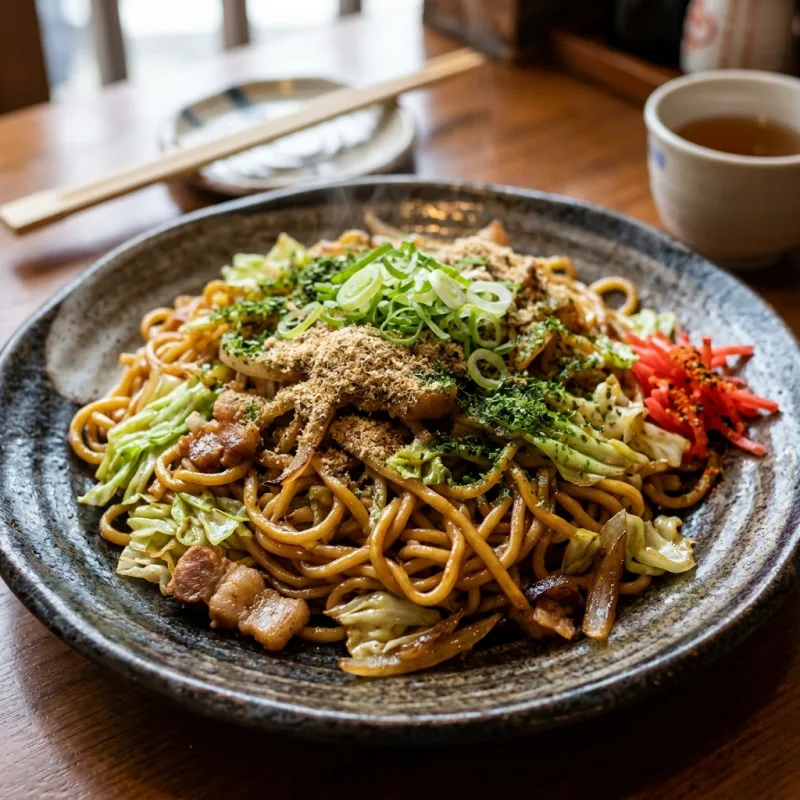
Fujinomiya's food identity centers on artisanal simplicity and pristine snowmelt spring water. The town's crowning culinary jewel is Fujinomiya Yakisoba, characterized by firm, steamed noodles tossed on an iron teppan grill with pork meat scraps called niku-kasu and dusted with aromatic dried sardine powder. The Asagiri Highland provides rich dairy goods, soft-serve ice cream, and premium pork, while cold-water river trout (nijimasu) raised in Fuji spring basins feature prominently in local kaiseki and casual lunch sets.
Authentic Fujinomiya Yakisoba topped with sardine powder and green laver

Must Try Dish

Fujinomiya Yakisoba - Distinctively chewy steamed noodles flash-fried with cabbage, rendered pork bits, and savory Worcestershire sauce, finished with shaved green laver and dried sardine powder. This street food staple earned national renown by winning consecutive B-1 Grand Prix culinary titles across Japan.
Food Experiences Title Icon

Food
Experiences

Discover cooking classes, tastings and local food tours

No food experience found
Maya, the human travel expert at TravelingWiz, offering curated, non-AI expertise

Maya’s Final Checklist for Fujinomiya

Logistics shouldn’t be the focus of your trip—the experience should. I’ve hand-vetted these essential partners to ensure your arrival, stay, and exploration are as smooth as an Athenian breeze.

Where to Stay

From boutique hotels to local apartments—compare thousands of options and find the perfect stay in the best neighborhood.

Air Travel

Getting there should be seamless. Compare the best routes and prices across top airlines to start your journey on the right note.

Local Guides

Connect with experts who know the destination best. Get personalized advice and insider tips to help you plan your perfect trip.

Travel Protection

The “Engineer’s” rule: always have a backup. Secure your trip with a plan that covers every “what if” and unexpected change.

Car Rentals

Explore at your own pace with total freedom. Compare reliable rental options and find the right vehicle for your adventure.

Visa Services

Don’t let paperwork slow you down. Get expert assistance with your application to ensure all your entry documents are in order.

FAQs

Take the Tokaido Shinkansen from Tokyo Station to Mishima or Shin-Fuji Station, then transfer to a local JR train or local highway bus directly into Fujinomiya Station in roughly 90 to 110 minutes.
Mount Fuji dominates the northern horizon throughout Fujinomiya, provided weather conditions are clear. Early morning hours during autumn and winter offer the highest probability of unobstructed visibility.
The Fujinomiya Trail is officially open for climbing from early July through early September. Outside this official summer window, the upper mountain trails are closed due to extreme weather and snow hazards.
Yes, regular local buses depart from Fujinomiya Station and arrive at Shiraito Falls in approximately 30 minutes, followed by a short downhill walk along paved paths.

Your Insights Matter

TravelingWiz grows through the stories of our community. If you’ve recently explored ,Fujinomiya share your tips and stories to help us perfect our guides for the next traveler.

Related Articles

Check out our related articles and blog posts to learn even more about the destination.

No related articles found

Don’t Travel Alone

Share with your friends and family

Where should we send your offline card?

We hate spam just as much as you do

newsletter_consent *