Hamamatsu occupies a prime geographic location along the historical Tokaido coastal route connecting eastern and western Japan. With its expansive administrative territory stretching from the southern foothills of the Southern Alps all the way to the Pacific Ocean, the city encompasses quiet agricultural plateaus, sprawling freshwater lakes, and a dense urban core centered around Hamamatsu Station and the landmark Act Tower. This architectural silhouette, modeled after a harmonica, pays homage to the city's status as Japan's premier instrument manufacturing hub.
Historically, Hamamatsu played a pivotal role in the unification of Japan. Tokugawa Ieyasu spent 17 formative years at Hamamatsu Castle during his rise to power, earning the stronghold the moniker 'Shusse-jo' or the Castle of Promotion. Today, visitors can examine Edo-period artifacts within the reconstructed keep before heading westward to Lake Hamana for wellness resorts, windsurfing, scenic canal cruises, and world-class horticultural gardens.
Reasons to Visit
- Hamamatsu Castle: Walk the historic fortress grounds where Shogun Tokugawa Ieyasu formulated his military strategies, surrounded by cherry trees and authentic stone walls.
- Hamamatsu Museum of Musical Instruments: Explore Japan's only municipal public instrument museum, exhibiting thousands of historical and world instruments with hands-on audio stations.
- Lake Hamana Scenery: Enjoy outdoor recreation, scenic cruise ferries, and the Kanzanji Ropeway crossing over open water to Mount Okusa.
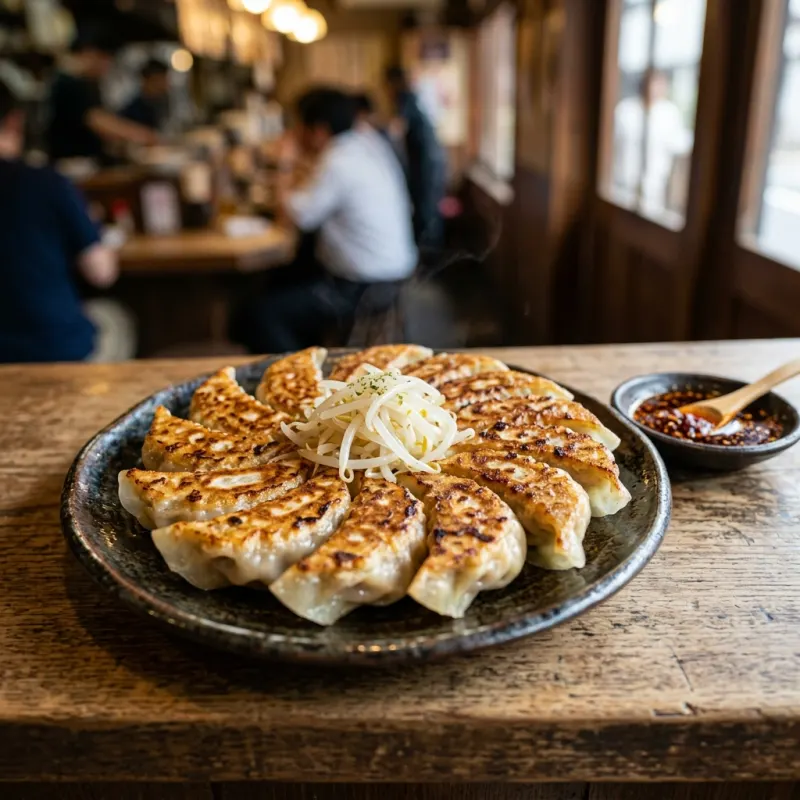
- Exceptional Gastronomy: Sample authentic Lake Hamana unagi prepared by century-old grilling houses and savor crispy rings of local cabbage gyoza.
- Hamamatsu Flower Park: Stroll through 30 hectares of landscaped gardens showcasing seasonal blooms, immense glasshouses, and musical water fountains.
Things to Avoid
- Avoid assuming all Tokaido Shinkansen trains stop here; the ultra-fast Nozomi service bypasses Hamamatsu, so board the Hikari or Kodama trains.
- Avoid visiting lakeside attractions without checking bus return timetables, as rural bus frequencies drop substantially after sunset.
- Avoid skipping cash preparation, as many authentic neighborhood gyoza spots and ticket vending machines do not support digital or international card payments.
- Avoid swimming at unprotected beaches along the Nakatajima Sand Dunes due to severe undertows and rough Pacific swells.
Local Transportation Tips
Hamamatsu is anchored by Hamamatsu Station, which interfaces directly with the JR Tokaido Shinkansen and JR Tokaido Main Line. Regional urban transport is managed by the Entetsu Railway (Akaden red trains), running north towards Nishikajima, and an extensive network of Entetsu buses originating from the 16-platform circular bus terminal outside the station. For touring the perimeter of Lake Hamana, the Tenryu Hamanako Railroad provides a picturesque rural rail route, while multi-day bus passes offer seamless transfers between lakeside hot springs and cultural attractions.
Travel Etiquette
- Observe quiet zones and refrain from phone conversations when riding local Entetsu trains and municipal buses.
- Remove your shoes when stepping onto tatami mat flooring at historic castle rooms, ryokan accommodations, and traditional unagi restaurants.
- Handle museum display instruments strictly according to posted signage, using designated interactive stations rather than touching antique collection pieces.
- Dispose of your trash in designated sorting bins or carry waste back to your hotel, as public street bins are scarce throughout residential neighborhoods.
Recommended Age Group
Hamamatsu offers balanced infrastructure that accommodates independent travelers and multigenerational family units seamlessly.
- Babies (0-2 years): Neutral. Paved downtown walkways and major museum complexes are stroller-friendly, though regional rural buses and historic castle stone paths present minor access barriers.
- Kids (3-12 years): Recommended. Interactive displays at the Musical Instrument Museum, botanical gardens, lake cruises, and amusement parks provide engaging entertainment.
- Teens (13-19 years): Recommended. Cycling trails along Lake Hamana, tech-forward manufacturing heritage, and vibrant gyoza dining alleys appeal strongly to young adults.
- Adults (20-64 years): Recommended. Exceptional culinary routes, craft sake breweries, onsen relaxation, and rich feudal history ensure an enriching itinerary.
- Seniors (65+ years): Recommended. High-speed rail accessibility, scenic lakeside hot spring ryokan, and gentle garden promenades make navigation relaxing and comfortable.
Accessibility Level: Medium
- Hamamatsu Station and major transport hubs feature barrier-free elevators, tactile guidance paving, and wheelchair-accessible restrooms.
- The Hamamatsu Museum of Musical Instruments offers step-free ramp access and wide exhibition corridors suitable for mobility devices.
- Hamamatsu Castle's keep features interior stairs that can be challenging for limited-mobility visitors, though outer park grounds are level and paved.
- Modern Entetsu low-floor buses accommodate wheelchairs, though advance notice or assistance request at the bus terminal is recommended for suburban routes.
Did You Know?
Hamamatsu is home to the Nakatajima Sand Dunes, one of the three largest coastal sand dune systems in Japan. Spanning four kilometers along the Enshu Coast, the dunes are famous for their wind-carved patterns (fumon) and serve as a vital annual nesting habitat for endangered loggerhead sea turtles during the summer months.
Cool Statistics
- Hamamatsu is the birthplace of four major multinational corporations: Yamaha, Kawai, Roland, and Suzuki Motor Corporation.
- Lake Hamana has a shoreline perimeter of 114 kilometers, ranking it as the third-longest lake perimeter in Japan.
- The city experiences over 2,200 hours of sunshine annually, making it one of the sunniest regions on the Japanese mainland.






Buy a compatible power adapter for your trip