The Izu Peninsula is a geologically active landmass designated as a UNESCO Global Geopark due to its unique formation as an ancient volcanic submarine ridge that collided with Honshu millions of years ago. This tumultuous geological origin created rugged sea arches, sea caves, and hundreds of natural geothermal mineral springs that dot the coastline and interior hills.
Beyond its dramatic geography, Izu played a pivotal role in the modernization of Japan; Shimoda served as the port where Commodore Matthew Perry's Black Ships docked in 1854, marking the end of Japan's isolationist policy. Today, travelers can alternate between soaking in restorative outdoor hot springs, strolling across dramatic suspension bridges over churning Pacific waves, and sampling freshly grated wasabi in serene mountain villages.
Reasons to Visit
- World-Class Onsen: Soak in historic hot spring towns like Atami, Ito, and Shuzenji, featuring both oceanside baths and forest ryokan sanctuaries.
- Breathtaking Coastal Scenery: Hike along the Jogasaki Coast to cross the Hashidate and Kadowaki suspension bridges suspended over volcanic sea cliffs.
- Mount Fuji Panoramas: Gaze at Mount Fuji across Suruga Bay from vantage points along the western coast, including Dogashima and Cape Mihama.
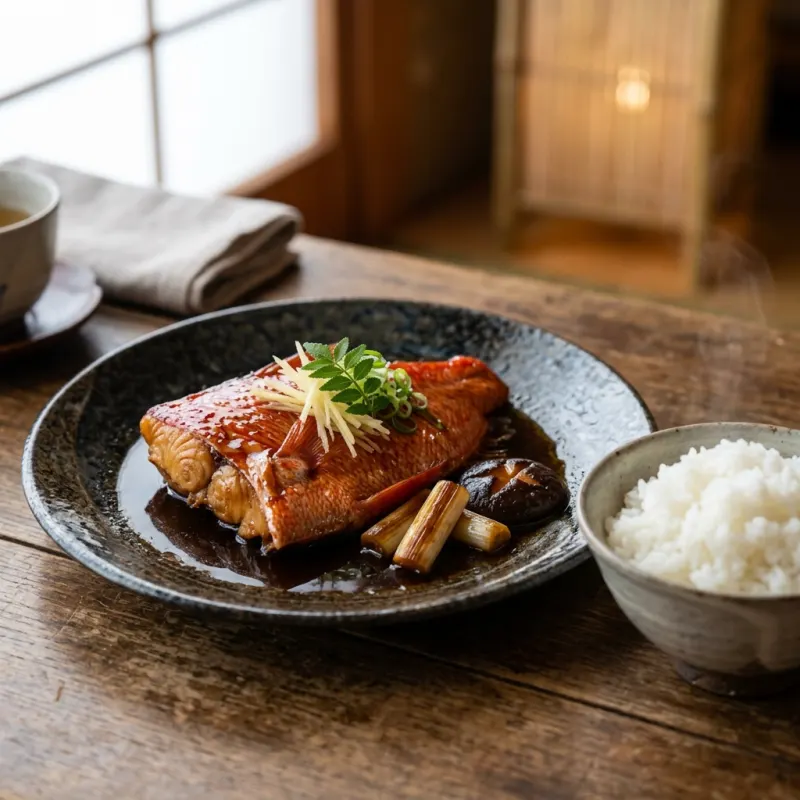
- Rich Culinary Tradition: Savor premium wasabi straight from Amagi terraces alongside fresh sashimi, spiny lobster, and kinmedai fish.
- Historic Seaside Heritage: Walk the atmospheric Perry Road in Shimoda and visit Ryosen-ji Temple, where foundational international treaties were signed.
Things to Avoid
- Do not rely entirely on trains if planning to visit the west coast, as rail lines do not loop across the western or southern tips.
- Avoid visiting popular beach towns like Shimoda without advance lodging reservations during the mid-August Obon holiday.
- Do not enter onsen baths with soap or shampoo on your body; always wash thoroughly at the seated wash stations before soaking.
- Avoid wearing heavy roller luggage on coastal trails and suspension bridges; forward large bags via luggage transfer services (takkyubin).
Local Transportation Tips
Public transit along Izu's eastern corridor is efficient, serviced by the JR Ito Line and the private Izukyu Railway running south to Izukyu-Shimoda. The Izu-Hakone Railway runs inland from Mishima down to Shuzenji. For reaching destinations across the west coast, such as Dogashima and Matsuzaki, Tokai Bus operates regional routes connecting mountain towns and port settlements. For full itinerary freedom across both coasts and mountain highlands, renting a vehicle from Atami or Mishima train stations is widely preferred.
Travel Etiquette
- Follow strict hot spring rules: wash completely before entering the water, keep towels out of the bathwater, and tie long hair up.
- Observe tattoo policies at public onsens; while progressive facilities allow them, many traditional spots require covering patches or private bath rentals (kashikiri).
- Do not walk while eating street food; finish snacks near the vendor or stand aside to keep streets clean.
- Separate and carry your personal trash until finding municipal recycling and waste receptacles at train stations.
Recommended Age Group
Izu Peninsula accommodates a variety of travel paces, excelling particularly for adult and senior travelers seeking wellness and nature.
- Babies (0-2 years): Neutral. Many traditional ryokans welcome young infants, but hilly terrain, rocky trails, and high-temperature natural onsens demand close supervision and planning.
- Kids (3-12 years): Recommended. Family-friendly highlights include Izu Shaboten Zoo with its capybara baths, coastal boat cruises, and calm swimming beaches around Shimoda.
- Teens (13-19 years): Recommended. Teenagers will enjoy suspension bridge walks, sea kayaking, surfing along Shirahama Beach, and cycling routes.
- Adults (20-64 years): Recommended. Perfect balance of scenic road trips, premium onsen retreats, farm-to-table culinary experiences, and coastal hiking.
- Seniors (65+ years): Recommended. Exceptional hot spring relaxation, barrier-free modern ryokans, comfortable express scenic trains, and mild seasonal weather.
Accessibility Level: Medium
- Major transport hubs such as Atami, Ito, and Izukyu-Shimoda feature step-free elevator access and accessible restrooms.
- Coastal nature trails like Jogasaki involve uneven volcanic stone surfaces and steps, making them challenging for manual wheelchairs.
- Several premier ryokan and modern onsen resorts offer barrier-free rooms equipped with elevator access and roll-in private family hot spring baths.
Did You Know?
The entire Izu Peninsula is a tectonic voyager: it originated as a submarine volcanic island chain on the Philippine Sea Plate over 20 million years ago, gradually migrating north until it slammed into mainland Honshu, forming the dramatic steep ridges seen across Shizuoka today.
Cool Statistics
- Designated as an official UNESCO Global Geopark in 2018 for its rare geological collisions.
- Home to more than 2,000 individual hot spring sources yielding over 150,000 liters of geothermal water per minute.
- Produces a substantial percentage of Japan's highest-grade traditional water-grown wasabi (sawa wasabi).
- Features over 300 kilometers of diverse Pacific coastline, spanning sheer cliffs to turquoise bays.






Buy a compatible power adapter for your trip