Onomichi occupies a dramatic geographical setting on the southern coast of Hiroshima Prefecture, directly facing the narrow Onomichi Channel and the mountainous silhouettes of the Geiyo Islands. Spared from devastation during World War II, the town maintains an exceptional concentration of historical architecture, spanning 25 registered Buddhist temples interconnected by narrow paths that climb the granite slopes of Mount Senkoji. This hillside topography provides vantage points where cargo ships glide beneath suspension bridges against the calm waters of the Seto Inland Sea National Park.
In modern travel culture, Onomichi functions as both an architectural open-air museum and an active transit hub. At sea level, converted shipyards and repurposed grain warehouses host cycle-friendly boutique hotels, roasteries, and bakeries. Up the hillsides, traditional wooden houses (kominka) have been transformed into artist studios, retro tea rooms, and bookshops, preserving a cinematic ambiance that continues to inspire Japanese filmmakers, anime creators, and writers.
Reasons to Visit
- Shimanami Kaido Gateway: The premier departure point for cycling across world-class sea bridges connecting Honshu to Shikoku.
- The Temple Walk: A signposted historic path connecting 25 heritage temples, including the clifftop vermilion pavilion of Senkoji.
- Cat Alley (Neko no Hosomichi): A quiet stone pathway frequented by community cats, miniature art installations, and hidden garden cafes.
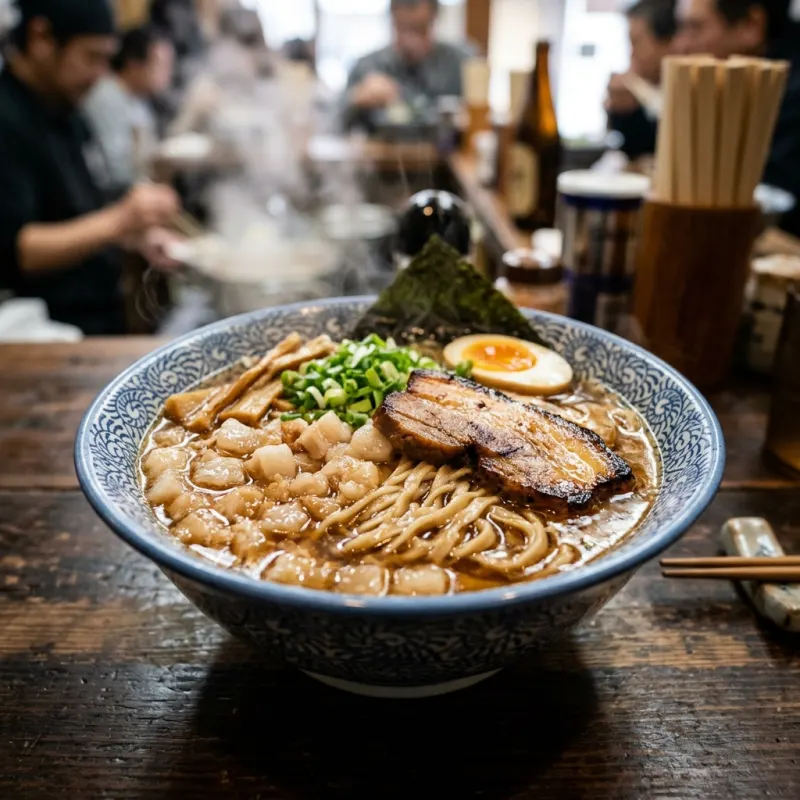
- Distinctive Food Culture: Renowned nationwide for authentic Onomichi Ramen, fresh Seto Inland Sea seafood, and local citrus delicacies.
- Cinematic Nostalgia: Historic shooting locations from classic films by Yasujiro Ozu (Tokyo Story) and notable Japanese anime works.
Things to Avoid
- Avoid dragging large rolling suitcases up the hillside paths; use luggage lockers or forwarding services at JR Onomichi Station instead.
- Do not cycle on the narrow pedestrian-only hillside stairs; bicycles belong strictly on paved coastal streets and designated island cycle routes.
- Avoid planning cycling departures without checking island bridge wind advisories, as strong gales can close bridge cycle paths.
- Do not feed or corner the stray cats in residential hillside sectors; many are monitored community cats cared for by locals.
Local Transportation Tips
Onomichi is exceptionally walkable around its port and covered arcade. To reach Senkoji Park, take the Senkoji Mountain Ropeway from the lower station near Ushitora Shrine (3-minute ride; 500 JPY one-way, 700 JPY round-trip). For cycling, pick up rentals at Onomichi Port Terminal adjacent to the station. To cross the channel to Mukaishima Island to start the Shimanami Kaido, small passenger-and-bike ferries run continuously throughout the day for approximately 100 to 110 JPY per crossing, operating without fixed schedules like floating bridges.
Travel Etiquette
- Keep voices lowered when wandering the hillside residential alleys, as homes stand directly adjacent to the narrow walking paths.
- Step off the main lane of the Shimanami Kaido bridges when stopping for photos to keep commuter and sports lanes clear.
- Remove shoes before stepping onto tatami mats or temple sanctuary floorboards.
- Carry trash with you until returning to your accommodation or train station, as public bins along hillside trails are nonexistent.
Recommended Age Group
Onomichi's varied attractions accommodate travelers of many fitness levels, though its steep vertical terrain requires careful consideration for those with mobility challenges.
- Babies (0-2 years): Not Recommended. The iconic hillside paths consist almost entirely of steep, uneven stone staircases that are completely impassable with strollers.
- Kids (3-12 years): Recommended. Children enjoy the ropeway ascent, exploring Cat Alley, riding short flat island ferry crossings, and visiting Senkoji Park's observation decks.
- Teens (13-19 years): Recommended. Excellent destination for active teenagers seeking scenic cycling trips across island suspension bridges and discovering retro anime backdrops.
- Adults (20-64 years): Recommended. Perfect balance of endurance cycling, coastal craft cafes, architectural photography, historic temples, and regional dining.
- Seniors (65+ years): Neutral. While flat waterfront areas and the ropeway are easy to navigate, climbing the hillside paths demands strong knees and sturdy balance.
Accessibility Level: Medium
- The flat waterfront promenade and the Hon-dori shopping arcade are step-free and fully accessible to wheelchair users.
- JR Onomichi Station features modern elevators, tactile paving, and barrier-free restrooms.
- The Senkoji Mountain Ropeway is wheelchair accessible, but navigating the actual peak trails from the upper station involves steep ramps.
- The ancient hillside temple paths (including Cat Alley) feature steep, uneven stone stairs without handrails and are not wheelchair accessible.
Did You Know?
Director Yasujiro Ozu set major portions of his 1953 masterpiece Tokyo Story (often voted among the greatest films in cinematic history) in Onomichi, using the town's seaside steps and temple bells as poignant symbols of traditional Japanese family life and serenity.
Cool Statistics
- 25: Number of historic Buddhist temples preserved along Onomichi's official Heritage Walk.
- 70 km: Total length of the Shimanami Kaido cycle route starting at Onomichi Port and finishing in Imabari.
- 1168: The year Onomichi was officially designated as an open port for maritime trade by the imperial court.






Buy a compatible power adapter for your trip