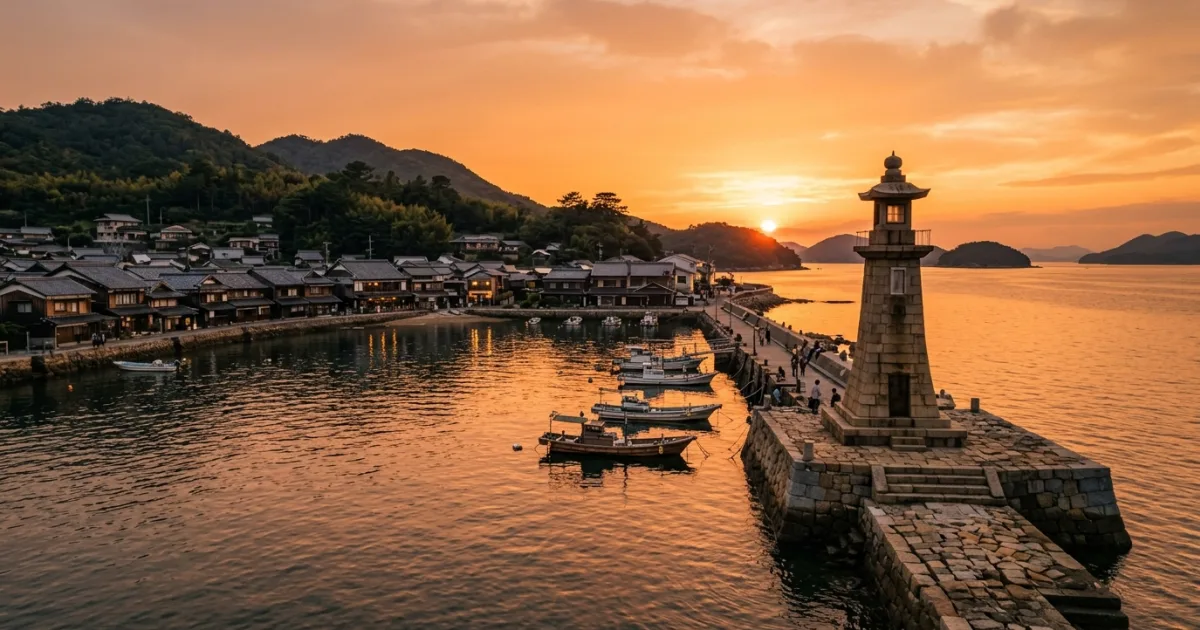
Tomonoura sits at the southern tip of the Numakuma Peninsula within Fukuyama City, positioned precisely where the incoming tides from the Bungo and Kii channels converge in the Seto Inland Sea. Because ships historically had to dock and wait for tidal currents to reverse, Tomonoura flourished as a bustling maritime haven throughout the medieval and Edo periods. Today, that preserved heritage makes the town an open-air architectural museum, lined with historic merchant shops, grand tiled roofs, stone breakwaters, and tranquil Shinto and Buddhist sanctuaries.
Beyond its ancient maritime legacy, Tomonoura captivates travelers through its artistic resonance. World-renowned animator Hayao Miyazaki developed the visual aesthetic of Studio Ghibli's beloved feature film Ponyo while residing in a cliffside home here, and Hollywood captured its picturesque timber lanes in The Wolverine. From gazing out across the tranquil sea from Fukuzen-ji's Taichoro reception hall—hailed by Joseon Dynasty envoys as the finest view in Japan—to enjoying sunset beside the iconic Joyato stone lighthouse, Tomonoura delivers an enduring sense of calm elegance.
Reasons to Visit
- Gaze out from Fukuzen-ji Taichoro, whose window frames an idyllic view of Sensui-jima Island across peaceful blue waters.
- Photograph the Joyato Lighthouse, an 11-meter stone landmark dating from 1859 that stands as the symbolic guardian of the harbor.
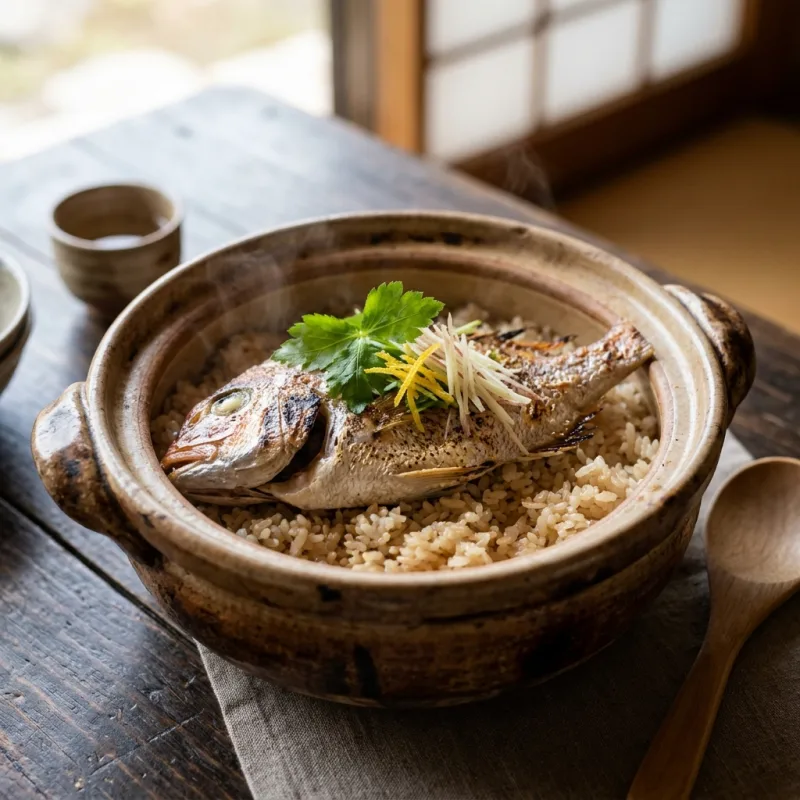
- Explore historic Edo-era townscapes featuring intact merchant houses, sea bream fisheries, and wooden kura storehouses.
- Taste Homeishu, a unique heritage herbal medicinal liqueur crafted continuously in the port since the 17th century.
- Hop on a five-minute municipal ferry to Sensui-jima Island for coastal walking paths and natural sea-salt hot springs.
Things to Avoid
- Avoid driving large rental vehicles into the old town center, as ancient residential streets are extremely narrow and difficult to navigate.
- Avoid planning your visit on irregular weekday closing days without checking; several historic museums and independent cafes close on Tuesdays or Wednesdays.
- Avoid walking into marked private residential alleys and courtyards while taking street photography.
- Avoid rushing through on a tight schedule; Tomonoura's genuine charm lies in slow, contemplative wandering.
Local Transportation Tips
Tomonoura is best explored entirely on foot, as the historic district measures less than two kilometers across. Regular Tomotetsu buses connect JR Fukuyama Shinkansen Station with Tomonoura every 15 to 20 minutes (approx. 30-minute ride). A small municipal passenger ferry operates every 20 minutes from Tomo Pier to Sensui-jima Island, taking merely five minutes across the water. Bicycle rentals are also available near the Tomonoura Tourist Information Center.
Travel Etiquette
- Remove shoes promptly when stepping onto tatami mats inside Fukuzen-ji, Ota House, or traditional ryokan lodgings.
- Keep speaking volumes low in tranquil temple halls, particularly during morning meditation or prayer hours.
- Dispose of your personal litter by carrying trash back to your lodging or public transport stations, as street trash cans are rare.
- Ask for permission before photographing local fishermen working on docks or private artisans inside small workshops.
Recommended Age Group
Tomonoura provides an exceptional setting for slow travel, cultural appreciation, and relaxed scenic sightseeing.
- Babies (0-2 years): Neutral. Narrow stone lanes and steep temple staircases make heavy strollers inconvenient, though baby carriers work well.
- Kids (3-12 years): Recommended. Children who love Ghibli's Ponyo will enjoy spotting real-life movie inspirations, taking the short ferry boat ride, and exploring island beaches.
- Teens (13-19 years): Recommended. Photography enthusiasts and anime fans will appreciate the scenic harbors, historic backdrops, and waterside cafes.
- Adults (20-64 years): Recommended. Ideal for couples, solo travelers, and history lovers seeking peaceful harbors, heritage craft shops, and exquisite seafood dining.
- Seniors (65+ years): Recommended. Flat harbor strolls and relaxing seaside ryokan offer restorative stays, though hillside temples require sturdy footing on steps.
Accessibility Level: Medium
- The main harbor waterfront, Joyato stone lantern plaza, and bus terminal area are completely flat and paved.
- Many historic wooden merchant homes and temples feature raised timber thresholds, narrow doorways, and stone steps that are not wheelchair accessible.
- Public municipal buses running from Fukuyama Station are low-floor and equipped for wheelchair boarding.
- Accessible public restrooms are located near the Tomo Port bus terminal and the Tomonoura Tourist Information Center.
Did You Know?
In 1711, Korean diplomatic envoy Yi Bang-on visited Fukuzen-ji temple and was so moved by the vista of the Seto Inland Sea islands that he declared it 'the most scenic spot east of the Korean Peninsula,' naming the reception hall Taichoro.
Cool Statistics
- Joyato Lighthouse stands over 10 meters high, making it the tallest Edo-period stone port lantern in all of Japan.
- Homeishu herbal liqueur incorporates a secret recipe of 16 distinct Chinese medicinal botanicals refined over 360 years.
- Sensui-jima Island is completely uninhabited except for eco-lodges, protecting untouched coastal flora and geological strata.






Buy a compatible power adapter for your trip