Disclosure: This site contains affiliate links. We may earn a commission if you make a purchase, at no extra cost to you.
Miyajima

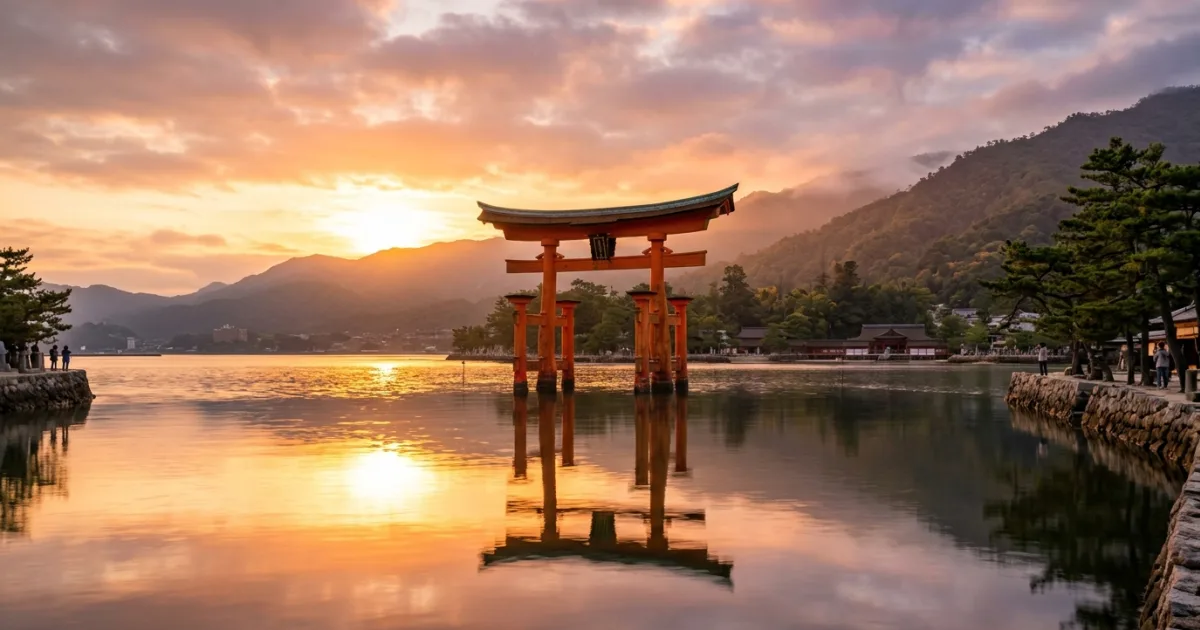
The floating vermilion torii gate of Itsukushima Shrine in Miyajima at sunset

Basic Info

COUNTRY & Region

Japan,
Asia

ACCESSIBILITY LEVEL​

  • High: Widely accessible with good facilities for disabilities.
  • Medium: Some accessible options, but limitations exist.
  • Low: Limited accessibility; many barriers for disabilities.
Medium

LOCAL CURRENCY​

Japanese Yen (JPY)

Price Level

Low – budget‑friendly basics

Medium – moderate mid‑range costs

High – pricey lodging, dining & transport

Medium

SAFETY LEVEL

5 shields = Excellent – very low crime or conflict.

4 shields = Safe – low risk, routine care.

3 shields = Relatively safe – use normal street smarts.

2 shields = Use caution – higher crime or periodic unrest.

1 shields = Avoid – active conflict or extreme danger.

Scores are derived from multi-year peace, homicide and security indices blended into a single 1-to-5 scale.

Recommended Duration

Full day, Overnight, 1-7 days

Miyajima Overview & Key Highlights

Miyajima, officially designated as Itsukushima, is a sacred island in Hiroshima Bay renowned for centuries as one of Japan's Three Great Views. The island's cultural centerpiece is Itsukushima Shrine, a 12th-century Shinto complex engineered directly over tidal flats alongside its colossal vermilion torii gate that appears to float across the Seto Inland Sea at high water. Wild sika deer wander peacefully through coastal lanes shaded by ancient pine trees, coexisting alongside historic wooden architecture, hillside temples, and seaside promenades. Beyond its spiritual core, Miyajima encompasses virgin primeval forest rising sharply toward Mount Misen, accessible by forested hiking trails or aerial ropeway. Exploring the island offers a distinct contrast between high and low tide, transforming marine panoramas into dramatic walking paths directly beneath the main shrine's foundations. As evening falls and day-trippers disperse back to the mainland, staying overnight provides an atmosphere of profound serenity accompanied by waterfront lantern illumination and quiet ryokan hospitality.

Miyajima Travel Guide: Logistics & In-Depth Tips

Miyajima, revered historically as an island so holy that commoners were long forbidden from stepping foot on its shores, presents one of Japan's most captivating cultural landscapes. Located less than an hour from downtown Hiroshima, this tranquil sanctuary centers around Itsukushima Shrine, designated as a UNESCO World Heritage site in 1996. The sanctuary was intentionally constructed on stilt piers over the sea to protect the sacred island soil from desecration, creating an extraordinary architectural illusion of a floating palace when sea tides swell.

Beyond religious architecture, the island preserves ancient virgin beech and maple forests covering Mount Misen, the mountain summit consecrated by Buddhist monk Kobo Daishi in 806 AD. Whether strolling beneath the five-story pagoda of Senjokaku, encountering docile sika deer along coastal avenues, or sampling steaming maple pastries fresh from the griddle, Miyajima offers an unhurried immersion into classic Japanese spirituality and nature.

Reasons to Visit

  • Witness the iconic Great Torii Gate dramatically change character between high and low tide.
  • Explore Itsukushima Shrine, a prime example of 12th-century Shinden-style architecture over seawater.
  • Ascend Mount Misen via ropeway or hiking path for panoramic views across the Seto Inland Sea.
  • Experience Daisho-in Temple, filled with five hundred stone Rakan statues and peaceful prayer gardens.
  • Taste freshly shucked, charcoal-grilled Seto oysters and steaming handmade Momiji Manju cakes.

Things to Avoid

  • Avoid feeding the deer; doing so causes health issues for wildlife and invites aggressive behavior.
  • Do not display paper maps, brochures, or food wrappers openly, as deer will promptly chew and eat them.
  • Avoid planning your shrine visit without consulting local daily tide tables in advance.
  • Do not hike Mount Misen late in the afternoon without proper lighting or before checking the last ropeway descent.
  • Avoid wearing footwear that is difficult to slip on and off when entering temples and traditional inns.

Local Transportation Tips

Miyajima is primarily a pedestrian island, and all major attractions around the shrine village are easily explored on foot. Passenger ferries run continuously between Miyajimaguchi on the mainland and Miyajima Pier every 10 to 15 minutes. To reach Mount Misen, visitors can take the Miyajima Ropeway (accessible via a free shuttle van from Momijidani Park) or hike one of three mountain trails: Daisho-in, Momijidani, or Omoto route. A limited Maple Bus service connects the ferry pier with the island hospital and aquarium for visitors requiring vehicular assistance.

Travel Etiquette

  • Remove your shoes promptly at the threshold when entering temple halls, shrines, and traditional lodgings.
  • Bow lightly twice, clap twice, and bow once when paying respects at Shinto shrine altars.
  • Carry all personal trash back with you to your hotel or mainland bins, as public trash cans are rare to discourage deer foraging.
  • Refrain from walking while eating street food; consume your snacks near the vendor stall where purchased.

Recommended Age Group

Miyajima offers engaging and accessible experiences for almost all generations, though mountainous terrain requires slight consideration for strollers.

  • Babies (0-2 years): Neutral. Cobblestone coastal paths and flat town streets accommodate strollers well, but temple stairways and mountain hiking require a baby carrier.
  • Kids (3-12 years): Recommended. Children enjoy observing the wild deer, searching for tidal sea creatures under the torii gate at low tide, and riding the ropeway.
  • Teens (13-19 years): Recommended. High appeal through mountain hiking trails, unique photography spots, vibrant street food stalls, and historic samurai lore.
  • Adults (20-64 years): Recommended. Unmatched cultural depth, scenic hiking, spiritual temple architecture, and exceptional seafood and sake dining.
  • Seniors (65+ years): Recommended. The waterfront shrine district is very flat, well-paved, and easily walkable at an unhurried pace, supported by ferry and ropeway connections.

Accessibility Level: Medium

  • Ferry terminals and main passenger ferries between Miyajimaguchi and Miyajima feature barrier-free boarding ramps and elevators.
  • Itsukushima Shrine provides wooden boardwalk pathways with wheelchair ramps, though low-tide sandbars are inaccessible to wheelchairs.
  • Wheelchairs are available for loan at the Miyajima Pier tourist information counter.
  • Mount Misen Ropeway is accessible via station lifts, but the final 30-minute summit walk from the upper station consists of steep, uneven stone steps.

Did You Know?

To preserve the spiritual purity of Miyajima, burials and births were historically prohibited on the island. Even today, there are no cemeteries on Miyajima, and deceased residents are buried or cremated on the mainland across the bay.

Cool Statistics

  • Itsukushima Shrine was first established in 593 AD and expanded to its current grandeur in 1168.
  • The Great Torii Gate weighs approximately 60 metric tons and stands entirely under its own weight without buried foundation pilings.
  • Mount Misen stands 535 meters above sea level, harboring rare primeval forest untouched for over a millennium.

Address:

Miyajima, Japan

Find Nearby Accommodations

Electricity

100-110V, 
60Hz

Plug Type

Type A (Flat blade), Type B (Flat blade with grounding pin)
Plug types
Click To View Plug Types
Miyajima is part of our
Solo Female Friendly collection

Activities To Do In Miyajima

Best Time To Visit Miyajima

Miyajima is a year-round destination, but weather and foliage define seasonal experiences:

  • March to May (Spring): Mild temperatures, blooming cherry blossoms along the coastline, and ideal hiking conditions.
  • June to August (Summer): Hot and humid with vibrant coastal sunsets, seasonal fireworks, and lush green mountain foliage.
  • October to November (Autumn): Peak travel season characterized by Momijidani Park's fiery maple foliage and cool, crisp walking weather.
  • December to February (Winter): Crisp air, minimal crowds, perfectly clear inland sea views, and fresh seasonal oyster harvests.

Average Temperatures Per Month

Average monthly temperaturesMonthly source values, with Celsius and Fahrenheit equivalents in the following data table.-5°23°5°41°15°59°25°77°35°95°JanJan: 4°C / 39°FFebFeb: 5°C / 41°FMarMar: 8°C / 46°FAprApr: 12°C / 54°FMayMay: 17°C / 63°FJunJun: 21°C / 70°FJulJul: 24°C / 75°FAugAug: 26°C / 79°FSepSep: 23°C / 73°FOctOct: 17°C / 63°FNovNov: 12°C / 54°FDecDec: 5°C / 41°F
View temperature data
Average monthly temperatures
Month°C°F
Jan439
Feb541
Mar846
Apr1254
May1763
Jun2170
Jul2475
Aug2679
Sep2373
Oct1763
Nov1254
Dec541

Remember to check the weather forecast a few days before the trip and before heading to the airport.

Safety Level

5 shields = Excellent – very low crime or conflict.

4 shields = Safe – low risk, routine care.

3 shields = Relatively safe – use normal street smarts.

2 shields = Use caution – higher crime or periodic unrest.

1 shields = Avoid – active conflict or extreme danger.

Scores are derived from multi-year peace, homicide and security indices blended into a single 1-to-5 scale.

Miyajima maintains exceptionally low crime rates, making it secure at all hours. The main safety caution revolves around the island's free-roaming sika deer; while accustomed to humans, they will actively snatch paper maps, train tickets, and plastic bags from hands or unzipped bags. When hiking Mount Misen, carry plenty of water and stay on marked trails to avoid loose gravel slopes and seasonal encounters with Japanese pit vipers (mamushi).

The rating is based on multi-year peace, crime, and security indices. Before you go, always verify current conditions through official government travel advisories.

Emergency Numbers

Police: 110
Ambulance: 119

No internet needed • Includes local translations • Free for TravelingWiz readers

Spoken Languages

Japanese (English signage and basic English spoken widely in hospitality venues)
Travel Booking Partner - TravelingWiz

Learn The Language

  • Konnichiwa — Hello
  • Arigatou gozaimasu — Thank you very much
  • Sumimasen — Excuse me / Pardon me
  • Kore wa ikura desu ka? — How much is this?
  • Kore o kudasai — I will take this, please
  • O-kaikei o onegaishimasu — Check, please
  • Toire wa doko desu ka? — Where is the restroom?
  • Eigo ga hanasemasu ka? — Can you speak English?

Trip Cost & Budgeting for Miyajima, 2026

Everything you need to know about money while traveling
Is Miyajima expensive for tourists in 2026? Miyajima offers moderate costs overall, making it accessible for most travelers. You can expect to pay around 500 JPY for a cappuccino, 500 JPY for a domestic beer, and roughly 2,000 JPY for a standard mid-range meal. With our Human Verified prices, day visits remain very reasonable, though overnight stays in traditional ryokan raise accommodation costs. Use the data table below to calculate your specific daily budget based on your travel style.

LOCAL CURRENCY​:

Japanese Yen (JPY)

Price Level:

Low – budget‑friendly basics

Medium – moderate mid‑range costs

High – pricey lodging, dining & transport

Medium

Cards Vs. Cash

Major hotels and ferries accept cards, but local street food stalls and souvenir shops on Miyajima require cash.

How Much Cash to Carry (on you)

Per person, per day – pocket cash for small purchases.

Local: 1870
Japanese Yen (JPY)
≈ 12 USD

Average Daily Costs (per person)

Full daily spend estimation (accommodation, food, transportation, attractions).

Travel Style
Japanese Yen (JPY)
≈ USD ($)
Budget
10250
65
Mid-range
18650
117
Comfort
41050
259
Note

The Prices, Daily costs, and calculator results are estimates for planning purposes only. Actual costs may vary based on season, booking timing, personal spending habits, and currency fluctuations. TravelingWiz cannot be held responsible for discrepancies between these estimates and your final trip expenses.

Best Value Tips

  • Take the JR ferry to Miyajima if you hold a valid rail pass, as the crossing is included.
  • Try famous local street foods like grilled oysters and momiji manju rather than sit-down restaurant lunches.
  • Consider staying in central Hiroshima and visiting Miyajima as a day trip to avoid high island hotel rates.
  • Purchase a Hiroshima Visit Pass if planning multiple tram and ferry rides in a single day.

Tours & Tickets

Explore tours, attractions, and ticket options to plan your visit.
Plan ahead

Travel Offers & Coupons

Browse travel offers and coupons from our affiliate partners.
Affiliate partner offers

What To Pack

  • Slip-on comfortable walking shoes for frequent removal at shrines and temples
  • Sturdy hiking footwear with solid traction for climbing Mount Misen
  • Light rain shell or compact travel umbrella for sudden island showers
  • Handkerchief or small hand towel, as traditional public restrooms rarely provide paper towels
  • Slip-resistant socks for walking across polished temple wooden floors
  • Daypack with secure zip closures to keep snacks safe from inquisitive wild deer
Only the good stuff!
Browse recommended travel gear
Check out our free packing list tool

Recommended Itineraries for Traveling to Miyajima

Take your itinerary with you

Choose a ready-made itinerary, plan your own trip, and keep TravelingWiz by your side while you travel.

Get the TravelingWiz app

Food & Drink Highlights

Local Food Overview

Miyajima's culinary identity is built on fresh treasures from the Seto Inland Sea paired with centuries of confectionary craftsmanship. The island is celebrated nationwide for succulent oysters served charcoal-grilled, deep-fried, or raw, harvested directly from nearby coastal oyster beds. Conger eel (anago) represents another staple, expertly grilled with savory sweet tare sauce over seasoned rice. For dessert, visitors savor warm Momiji Manju—maple leaf-shaped sponge cakes historically stuffed with sweet red bean paste and now available with custard, chocolate, and cream cheese fillings.

Must Try Dish

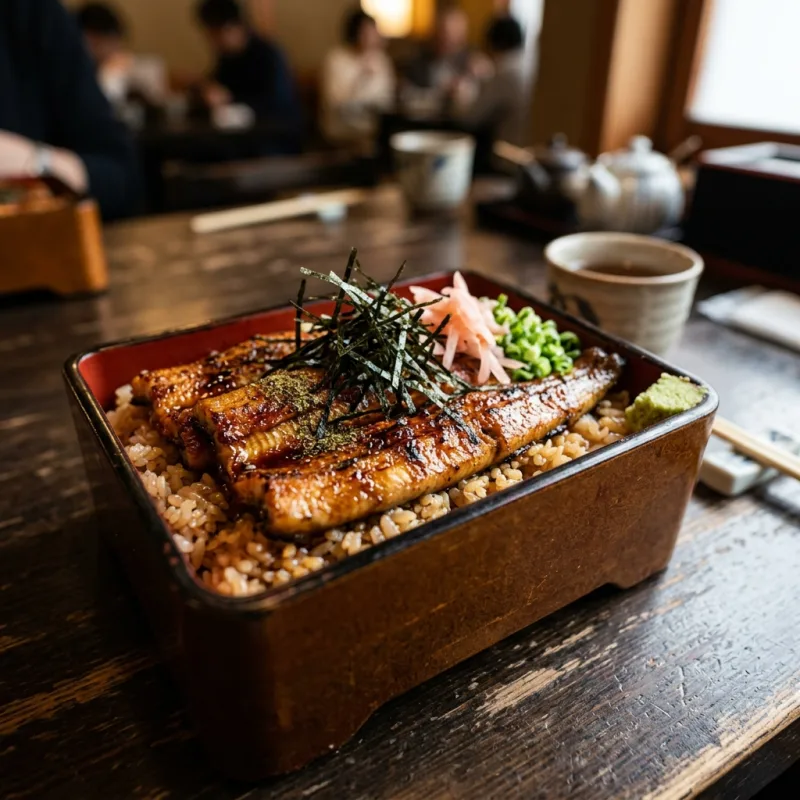
Anago Meshi - Tender fillets of freshly caught Seto Inland Sea conger eel glazed in sweet soy sauce, char-grilled over white-hot coals, and served over fragrant rice simmered in dashi broth.
Authentic Japanese Anago Meshi conger eel rice dish in Miyajima

Maya’s Final Checklist for Miyajima

Logistics shouldn’t be the focus of your trip—the experience should. I’ve hand-vetted these essential partners to ensure your arrival, stay, and exploration are as smooth as an Athenian breeze.

Maya, the human travel expert at TravelingWiz, offering curated, non-AI expertise

Where to Stay

Compare accommodation options and choose a stay that suits your plans and budget.

Air Travel

Compare flight options and find a route that fits your plans.

Local Guides

Connect with local guides for personalized help planning and exploring.

Travel Protection

The “Engineer’s” rule: always have a backup. Secure your trip with a plan that covers every “what if” and unexpected change.

Car Rentals

Compare rental options and choose a car that suits your trip.

Visa Information

Don’t let paperwork slow you down. Get expert assistance with your application to ensure all your entry documents are in order.

FAQs

Take the JR Sanyo Line train from Hiroshima Station to Miyajimaguchi Station (approx. 28 minutes), walk 3 minutes to the ferry terminal, and board a 10-minute ferry crossing to Miyajima Island.
Feeding the deer is strictly prohibited to preserve their natural wild foraging behavior and health. While deer approach visitors freely, maintain a respectful distance and avoid touching them.
Yes, staying overnight is highly recommended because the island transforms after day-trippers leave, revealing peaceful illuminated shrine walkways and exceptional ryokan dining.
The gate appears to float during high tide (above 250 cm), while low tide (below 100 cm) exposes the seabed allowing you to walk right up to its giant wooden pillars.

Your Insights Matter

TravelingWiz grows through the stories of our community. If you’ve recently explored ,Miyajima share your tips and stories to help us perfect our guides for the next traveler.

Where should we send your offline card?

We hate spam just as much as you do

newsletter_consent *