Disclosure: This site contains affiliate links. We may earn a commission if you make a purchase, at no extra cost to you.

Panoramic view of Inbe village in Bizen showing historic pottery workshops and brick kiln chimneys

Bizen Overview & Key Highlights

Bizen is an artisanal coastal settlement in southeastern Okayama Prefecture, celebrated across Japan as the historic birthplace of Bizen-yaki, one of the nation's Six Ancient Kilns. Rooted in pottery traditions dating back over a millennium to the Heian period, the town's Inbe district features preserved wood-fired climbing kilns, historic red-brick brick chimneys, and flagstone alleys lined with active master workshops. Visitors can explore functioning ateliers, handle unglazed reddish-brown stoneware prized for its earthen texture, and witness centuries-old wood-firing techniques that utilize high-heat red pine fuel. Beyond its ceramic legacy, Bizen encompasses the world's oldest surviving public school for commoners, the Shizutani School, featuring a thatched-roof lecture hall recognized as a National Treasure of Japan. Along the scenic coast in the Hinase district, maritime life flourishes with sheltered oyster farms nestled against the Seto Inland Sea. Travelers find a tranquil retreat here that seamlessly bridges deep agrarian craftsmanship with exceptional coastal gastronomy, offering an authentic glimpse into rural Japanese artistic heritage far from conventional mass-tourist corridors.

Bizen Travel Guide: Logistics & In-Depth Tips

Bizen occupies a revered place in Japanese cultural history as the home of Bizen-yaki, an unglazed stoneware tradition with an unbroken lineage of more than 1,000 years. Centered around the historic neighborhood of Inbe, the town scape is punctuated by traditional ceramic roof tiles, heritage mud-wall residences, and distinctive tall brick kiln chimneys. Here, clay sourced from local rice paddies is shaped without enamel or surface paint, then subjected to intense, two-week wood firings fueled exclusively by red pine. The resulting ash drops and capricious flame trajectories create individual, non-replicable patterns on every vessel, turning utilitarian bowls and vases into prized works of art revered by tea masters and collectors worldwide.

Beyond the artisan kilns of Inbe, Bizen stretches southward to the scenic, island-dotted waters of the Seto Inland Sea around Hinase, and inland toward the forested hills housing the Shizutani School. Established in the early Edo period by the local feudal lord Ikeda Mitsumasa, this pioneering educational institution opened learning to commoners centuries ahead of its time. Today, travelers can stroll beneath magnificent Chinese pistache trees that flank the historic auditorium, cycle through quiet port villages, and taste regional specialties like oyster-loaded okonomiyaki, savoring an authentic facet of western Japan that balances artistic mastery with deep rural tranquility.

Reasons to Visit

  • Explore Inbe's historic kiln quarters, featuring working multi-chamber climbing kilns (noborigama) and brick chimneys dating back generations.
  • Try your hand at shaping authentic clay at local ateliers, creating unique keepsake pieces fired with traditional red-pine methods.
  • Tour the Shizutani School, an awe-inspiring National Treasure boasting pristine wooden construction and Bizen-ceramic roof tiles.
  • Feast on freshly harvested oysters and famous Kakioko street pancakes in the historic fishing port of Hinase.
  • Experience a peaceful, crowd-free cultural stop situated along the scenic JR Ako railway corridor between Himeji and Okayama.

Things to Avoid

  • Avoid wearing heavy backpacks or swinging oversized bags in delicate ceramics galleries where narrow shelving holds irreplaceable antique vessels.
  • Do not touch active kilns or enter private workshop areas without explicit invitation from the resident potter.
  • Avoid visiting Inbe on Tuesdays or Wednesdays without checking ahead, as many family-run pottery ateliers take mid-week rest days.
  • Do not expect widespread late-night dining in Inbe; most eateries close early, making dinner reservations or day trips from Okayama City advisable.

Local Transportation Tips

Navigating Bizen relies primarily on the JR Ako Line, which runs through both JR Inbe Station (for the ceramic district) and JR Hinase Station (for the coastal oyster port). Both hubs are situated roughly 40 to 50 minutes from Okayama Station by regular local train. Within the Inbe pottery village, the most practical way to explore is entirely on foot or via rental bicycles available directly at the station tourist center. To reach the secluded Shizutani School, travelers can take a short local bus or a 10-minute taxi ride from JR Yoshinaga Station.

Travel Etiquette

  • Handle handcrafted ceramics with two hands—one cradling the base and one supporting the rim—when evaluating pieces in galleries.
  • Always ask permission before photographing master potters working at wheels or tending active wood kilns.
  • Remove outdoor footwear whenever entering traditional studio tatami rooms or historic heritage buildings like the Shizutani School lecture hall.
  • Speak in hushed, respectful tones when observing sacred sites and quiet architectural sanctuaries in the valley.

Recommended Age Group

Bizen is an enriching destination that best rewards mature travelers, craft connoisseurs, and cultural history enthusiasts who appreciate slow-paced exploration.

  • Babies (0-2 years): Not Recommended. The high concentration of fragile, uncovered ceramic displays in tightly packed galleries makes navigating studios with infants or strollers stressful.
  • Kids (3-12 years): Neutral. Children may find hands-on clay pottery workshops entertaining, though the quiet, contemplative historical sites require constant supervision around delicate merchandise.
  • Teens (13-19 years): Neutral. Creative teenagers interested in studio arts, crafts, and food markets will enjoy the workshops, though there is little commercial entertainment or youth-focused nightlife.
  • Adults (20-64 years): Recommended. Ideal for travelers passionate about culinary traditions, fine arts, architecture, and off-the-beaten-path Japanese heritage.
  • Seniors (65+ years): Recommended. Highly rewarding for mature travelers who appreciate leisurely walking tours, scenic countryside views, and tranquil historic settings accessible by train.

Accessibility Level: Medium

  • Inbe Station features elevator access and flat platforms, providing manageable transit into the core pottery area.
  • The central streets of Inbe are mostly flat paved roadways, though some historic climbing kilns sit on moderate hillside inclines.
  • The Shizutani School grounds feature well-packed gravel paths; manual wheelchair users may require assistance across loose stone sections and raised wooden thresholds.
  • Accessible barrier-free restrooms are available at Inbe Station, the Bizen Pottery Traditional Industrial Hall, and the Shizutani School visitor center.

Did You Know?

Because Bizen stoneware is porous and fired at temperatures exceeding 1,200 degrees Celsius without glaze, Japanese beer aficionados consider Bizen beer mugs superior to glassware; the microscopic textured surface generates exceptionally fine, dense foam that preserves carbonation and flavor.

Cool Statistics

  • Home to one of Japan's prestigious Six Ancient Kilns (Rokkoyo), maintaining continuous production for over 1,000 years.
  • Wood firings in Bizen's traditional climbing kilns consume up to 10 days of non-stop stoking and metric tons of split red pine wood.
  • The Shizutani School, established in 1670, is celebrated worldwide as the oldest existing state-sponsored public school for ordinary commoners.


Address:

Bizen, Japan

Find Nearby Accommodations

Basic Info

address icon

COUNTRY & Region

Japan,
Asia

ACCESSIBILITY LEVEL​

Medium
Currency icon

LOCAL CURRENCY​

Japanese Yen (JPY)
Price level icon
Medium
Safety Level icon

SAFETY LEVEL

Duration icon

Recommended Duration

• Full day
• 1-7 days

Electricity

electricity icon

Electricity

100-110V, 
60Hz
Plug Socket icon

Plug Type

• Type A (Flat blade)
• Type B (Flat blade with grounding pin)
Plug types
Click To View Plug Types
Bizen is part of our
Slow Travel & Nature collection

Activities To Do In Bizen

Best Time To Visit Bizen

Bizen is a rewarding year-round destination, but the autumn months of October and November offer peak experiences with pleasant weather, brilliant fall foliage at the Shizutani School, and the renowned Bizen Pottery Festival.

  • October: Peak cultural season anchored by the lively Bizen Pottery Festival (Bizen Yaki Matsuri) in Inbe.
  • November to March: The prime culinary window for winter oyster harvesting in coastal Hinase, featuring freshly grilled oyster stalls.
  • April to May: Mild spring temperatures accompanied by blooming azaleas and cherry blossoms across rural temple grounds.
  • July to August: Hot and humid summer conditions, requiring sun protection during walking tours around kiln chimneys.

Average Temperatures Per Month

Remember to check the weather forecast a few days before the trip and before heading to the airport.

Safety Level icon

Safety Level

Bizen maintains exceptionally low crime rates typical of rural Japanese municipalities. Primary safety precautions revolve around physical awareness inside working pottery workshops, where fragile, high-value ceramics line narrow walkways and uneven stone flooring. When walking or cycling along narrow country lanes, stay alert for agricultural vehicles and delivery trucks that navigate blind corners without sidewalks.

The rating is based on multi-year peace, crime, and security indices. Before you go, always verify current conditions through official government travel advisories.

Emergency Numbers

Police: 110
Ambulance: 119

No internet needed • Includes local translations • Free for TravelingWiz readers

Spoken Languages

Japanese (primary). Basic conversational English is spoken at Inbe Tourist Information Center and select gallery shops, but translation apps are recommended for intimate master workshops.

Learn The Language

  • Konnichiwa — Hello
  • Arigatou gozaimasu — Thank you very much
  • Kore wa ikura desu ka? — How much is this?
  • Sumimasen — Excuse me / Pardon me
  • Kore o kudasai — I will take this, please
  • Bizen-yaki wa doko desu ka? — Where can I find Bizen pottery?
  • Oishii desu — It is delicious
  • Eigo ga hanasemasu ka? — Do you speak English?
Travel Booking Partner - TravelingWiz

Trip Cost & Budgeting for Bizen, 2026

Everything you need to know about money while traveling
Traveling through Bizen provides a remarkably affordable alternative to Japan's major metropolitan centers, with mid-range accommodation, studio fees, and regional dining priced accessibly for independent travelers. With TravelingWiz's Human Verified data, a typical traveler should expect to spend around $85 USD per day for a mid-range trip. A generous serving of fresh oyster okonomiyaki in the Hinase port area costs approximately 1,100 JPY, while an artisan pour-over coffee served in authentic stoneware runs around 550 JPY. Click the Trip Cost Calculator button below the table to work out your personal budget for this trip.
Currency icon

LOCAL CURRENCY​:

Japanese Yen (JPY)
Price level icon
Medium
Major pottery galleries and station facilities accept international credit cards and IC cards (like ICOCA or Suica), but smaller individual ceramic ateliers, traditional teahouses, and seafood food stalls in Hinase operate strictly on cash.

Per person, per day – pocket cash for small purchases.

Local: 10000
Japanese Yen (JPY)
≈ 65 USD

Full daily spend estimation (accommodation, food, transportation, attractions).

Travel Style
Japanese Yen (JPY)
≈ USD ($)
Budget
6500
42
Mid-range
13000
85
Comfort
28000
185

The Prices, Daily costs, and calculator results are estimates for planning purposes only. Actual costs may vary based on season, booking timing, personal spending habits, and currency fluctuations. TravelingWiz cannot be held responsible for discrepancies between these estimates and your final trip expenses.

  • Purchase Bizen-ware directly from small family ateliers in Inbe rather than boutique department stores to find factory-direct prices and rare irregular pieces.
  • Take advantage of the JR West Kansai WIDE Area Pass or Okayama regional rail passes, which cover the JR Ako Line connecting Okayama Station to Inbe and Hinase.
  • Rent an inexpensive bicycle from the Inbe Station Tourism Information Center to travel between scattered kilns and nearby countryside sights without relying on local taxis.
  • Visit local fishermen's cooperatives like Gomi no Ichi in Hinase for wholesale seafood lunches at a fraction of restaurant prices.

Pre-Order Tickets

Avoid disappointment when tickets sell out — and skip the long lines by booking online in advance. You’ll often save up to 20% too.
Save up to 20%

Travel Discounts & Coupons

Save on hotels, attractions, transport, and gear — find verified discounts for smarter travel spending.
Verified Coupons

What To Pack

  • Slip-on walking shoes for frequent removal at historical sites, workshops, and temple halls
  • A padded bag or bubble wrap roll for safely transporting delicate ceramic purchases
  • Layered cotton clothing and a windbreaker for coastal exploration around the Hinase port
  • A coin purse for local bus fares and small rural pottery studio transactions
  • Modest clothing covering shoulders and knees when visiting the historic Shizutani School
We couldn't find tips for Bizen.
If you got any, please share

Recommended Itineraries for Traveling to Bizen

We couldn't find itineraries for Bizen.
you can contact us for custom trip plan

Food & Drink Highlights

Local Food Overview

Bizen's culinary identity is shaped by its dual landscapes of fertile mountain basins and the nutrient-rich Seto Inland Sea. In the mountain village valleys, traditional dishes such as slow-cooked wild game and seasonal vegetable tempura complement fragrant rice bowls served exclusively on tactile, unglazed Bizen stoneware. Along the coast in Hinase, seafood defines daily dining, dominated by plump Seto oysters harvested fresh each winter. These oysters star in hearty regional teppanyaki dishes and savory hotpots, delivering robust coastal flavors that reflect the honest, unpretentious spirit of the local working-class community.
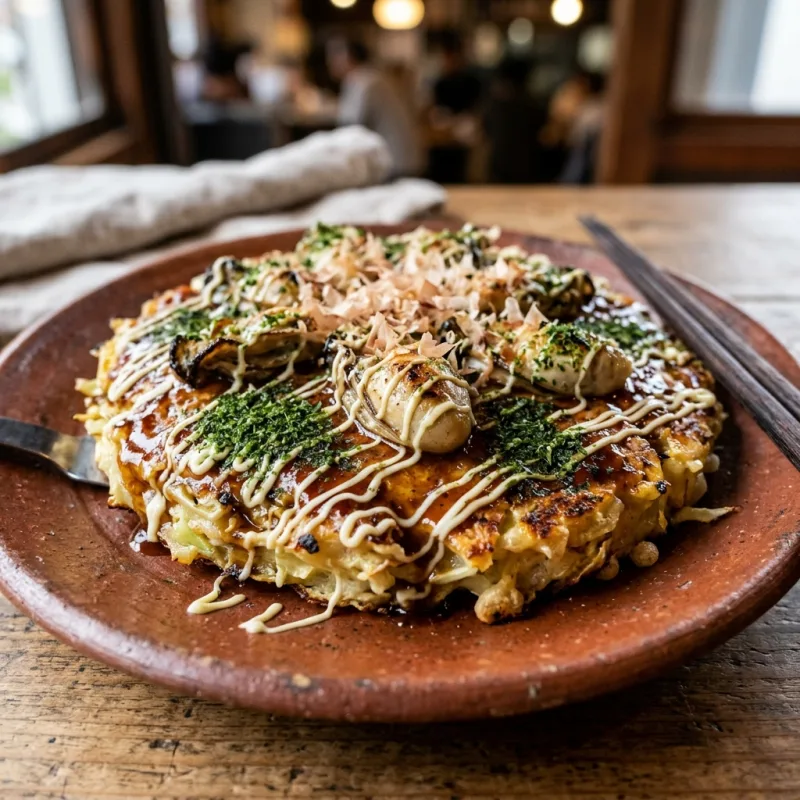
Authentic Hinase Kakioko oyster pancake served on rustic Bizen pottery

Must Try Dish

Hinase Kakioko - A savory cabbage-and-egg okonomiyaki pancake generously loaded with freshly shucked, plump Seto Inland Sea oysters and finished with sweet-savory brown sauce. Grilled on a sizzling flat-top iron teppan, it offers a crispy exterior contrasting against succulent, briny seafood in every bite.
Food Experiences Title Icon

Food
Experiences

Discover cooking classes, tastings and local food tours

No food experience found
Maya, the human travel expert at TravelingWiz, offering curated, non-AI expertise

Maya’s Final Checklist for Bizen

Logistics shouldn’t be the focus of your trip—the experience should. I’ve hand-vetted these essential partners to ensure your arrival, stay, and exploration are as smooth as an Athenian breeze.

Where to Stay

From boutique hotels to local apartments—compare thousands of options and find the perfect stay in the best neighborhood.

Air Travel

Getting there should be seamless. Compare the best routes and prices across top airlines to start your journey on the right note.

Local Guides

Connect with experts who know the destination best. Get personalized advice and insider tips to help you plan your perfect trip.

Travel Protection

The “Engineer’s” rule: always have a backup. Secure your trip with a plan that covers every “what if” and unexpected change.

Car Rentals

Explore at your own pace with total freedom. Compare reliable rental options and find the right vehicle for your adventure.

Visa Services

Don’t let paperwork slow you down. Get expert assistance with your application to ensure all your entry documents are in order.

FAQs

Bizen ware (Bizen-yaki) is famous for being completely unglazed and unpainted. Instead, potters fire pieces in wood-burning kilns for one to two weeks using red pine wood, yielding natural ash glazes, distinctive reddish-brown hues, and organic flame markings (yohen).
Take the JR Ako Line from Okayama Station directly to JR Inbe Station, which takes approximately 40 minutes. The historic ceramic district and major artist studios begin immediately outside the Inbe Station exit.
Yes, several registered ateliers and the Bizen Pottery Traditional Industrial Hall near Inbe Station offer hands-on ceramic workshops where visitors can throw clay on a wheel or hand-build pieces that are later fired and shipped overseas.
Founded in 1670 by Ikeda Mitsumasa, the Shizutani School is recognized as the world’s first public school built specifically for the education of commoners. Its auditorium is designated as a National Treasure of Japan, featuring rounded Bizen-tile roofing.
The Bizen Pottery Festival (Bizen Yaki Matsuri) takes place annually on the third weekend of October, attracting tens of thousands of visitors to Inbe with hundreds of open-air stalls selling ceramics at substantial discounts.

Your Insights Matter

TravelingWiz grows through the stories of our community. If you’ve recently explored ,Bizen share your tips and stories to help us perfect our guides for the next traveler.

Related Articles

Check out our related articles and blog posts to learn even more about the destination.

No related articles found

Don’t Travel Alone

Share with your friends and family

Where should we send your offline card?

We hate spam just as much as you do

newsletter_consent *