Disclosure: This site contains affiliate links. We may earn a commission if you make a purchase, at no extra cost to you.

Panoramic view of Kakuzan Park cherry blossoms and stone walls of Tsuyama Castle ruins

Tsuyama Overview & Key Highlights

Tsuyama is an evocative historic castle town nestled in the northern Mimasaka basin of Okayama Prefecture. Renowned across Japan for Kakuzan Park—the tiered stone ramparts of the former Tsuyama Castle that host thousands of cherry blossom trees every spring—the city blends feudal majesty with deep-rooted scholarly heritage. Beyond the citadel ruins, the preserved merchant district of Joto showcases original Edo-period wooden townhouses, traditional sake breweries, and classical craft ateliers along serene canals. Culinary culture in Tsuyama offers an authentic departure from standard regional fare, prominently spotlighting Tsuyama Horumon Udon, an aromatic stir-fried noodle dish infused with beef offal and savory miso. Visitors also enjoy Tsuyama Railroad Educational Museum, housing Japan's second-largest operational roundhouse turntable. With minimal international tourist congestion and seamless rail connections from Okayama Station, Tsuyama presents an immersive look into authentic Chugoku region history, architecture, and seasonal splendor.

Tsuyama Travel Guide: Logistics & In-Depth Tips

Tsuyama stands out in western Japan as a premier destination for travelers interested in genuine samurai-era infrastructure and untouched historic neighborhoods. Situated roughly an hour north of Okayama City, the city grew around Tsuyama Castle, an expansive hilltop fortress built by Mori Tadamasa in the early 17th century. Although the main keep was dismantled during the Meiji period, the multi-tiered stone foundation remains one of Japan's most spectacular engineering feats, offering panoramic valley views and hosting over 5,000 flowering cherry trees in spring.

Beyond its military past, Tsuyama played a vital role in Western medical science during the Edo period through Rangaku (Dutch Studies). Walking through the Joto Old Town reveals meticulously preserved wooden machiya homes, the historic Tsuyama Western Learning Museum, and functioning merchant workshops that capture regional commerce before industrialization. Combined with dynamic railway history at the Tsuyama Manabi no Tetsudo-kan and a bold beef-focused food culture, Tsuyama rewards curious travelers seeking profound cultural depth away from mass tourism routes.

Reasons to Visit

  • Experience Kakuzan Park, recognized as one of Japan's top 100 cherry blossom viewing spots with sprawling stone citadel walls.
  • Stroll down the Joto Merchant Quarter, a protected historic streetscape of Edo-period machiya townhouses.
  • Visit the Tsuyama Railroad Educational Museum, home to Japan's second-largest preserved steam and diesel roundhouse.
  • Taste authentic Tsuyama Horumon Udon, an iconic local teppanyaki noodle dish.
  • Relax in Shurakuen Garden, a classic 17th-century strolling pond garden designed by Kyoto tea masters.

Things to Avoid

  • Avoid wearing smooth-soled or high-heeled footwear when visiting the castle ruins, as the ancient stone steps are uneven and steep.
  • Do not rely exclusively on cashless payments; small regional shops, buses, and food stalls often require physical yen.
  • Avoid skipping the final train timetable checks back to Okayama, as local connections taper off earlier in the evening.
  • Do not miss checking opening days for small private museums in Joto, as many close on Mondays or Tuesdays.

Local Transportation Tips

Tsuyama is accessible primarily via the JR Tsuyama Line connecting to Okayama Station and the JR Kishin Line connecting eastward and westward. Within the town center, most key sights including Kakuzan Park, the Joto Historical District, and the Railroad Museum are reachable on foot from Tsuyama Station within 15 to 25 minutes. Rental bicycles are available directly outside Tsuyama Station at the tourist information center, offering an efficient way to traverse the town basin. Local city buses (Goko Bus) run scheduled routes throughout the municipality, though frequencies are tailored to local timetables rather than high-frequency tourist shuttles.

Travel Etiquette

  • Remove your shoes promptly and place them neatly at designated entry areas (genkan) when entering historic residences or temples.
  • Refrain from walking while eating street food; finish snacks near the point of purchase or at designated benches.
  • Dispose of your litter properly by carrying trash back to your hotel or station bins, as public trash cans are rare.
  • Respect the privacy of local residents living in the preserved historic machiya buildings in Joto.

Recommended Age Group

Tsuyama provides an accessible, culturally enriching journey suited for a variety of traveler demographics.

  • Babies (0-2 years): Neutral. Cobblestones and stone steps around the castle ramparts make strollers impractical, though paved riverside walkways are peaceful.
  • Kids (3-12 years): Recommended. Young children will enjoy the interactive rail turntable and vintage trains at the Tsuyama Railroad Educational Museum.
  • Teens (13-19 years): Recommended. Photography enthusiasts and history students will appreciate the imposing castle ruins, historic streetscapes, and local food scene.
  • Adults (20-64 years): Recommended. Excellent destination for walking tours, architecture observation, craft shopping, and authentic culinary discovery.
  • Seniors (65+ years): Recommended. Flat strolls through Joto Merchant Quarter and Shurakuen Garden are peaceful, though caution is advised on steep castle stone inclines.

Accessibility Level: Medium

  • Tsuyama Station features elevator access and accessible ticket gates.
  • The Joto Historical Street is largely flat and paved, making it relatively manageable for mobility device users.
  • Kakuzan Park has steep gradients and high stone steps, limiting full wheelchair access to the upper citadel terraces.
  • Shurakuen Garden provides flat perimeter dirt pathways suitable for assisted walking.

Did You Know?

Tsuyama Castle originally possessed a massive five-story main keep alongside 77 defensive turrets (yagura)—surpassing the sheer number of defensive structures found at both Hiroshima Castle and Himeji Castle before its Meiji-era dismantling.

Cool Statistics

  • Approximately 5,000 cherry blossom trees bloom concurrently across Kakuzan Park every spring.
  • Tsuyama Castle's stone foundation rises over 45 meters above the surrounding river basin.
  • The Tsuyama Roundhouse holds 13 distinct historical rail cars spanning steam, diesel, and electric eras.


Address:

Tsuyama, Japan

Find Nearby Accommodations

Basic Info

address icon

COUNTRY & Region

Japan,
Asia

ACCESSIBILITY LEVEL​

Medium
Currency icon

LOCAL CURRENCY​

Japanese Yen (JPY)
Price level icon
Medium
Safety Level icon

SAFETY LEVEL

Duration icon

Recommended Duration

• 1-7 days
• Full day

Electricity

electricity icon

Electricity

100-110V, 
60Hz
Plug Socket icon

Plug Type

• Type A (Flat blade)
• Type B (Flat blade with grounding pin)
Plug types
Click To View Plug Types
Tsuyama is part of our
Culinary Heritage collection

Activities To Do In Tsuyama

Best Time To Visit Tsuyama

Tsuyama experiences four distinct seasons, each offering unique vantage points of its historic landscape.

  • Spring (Late March to Mid-April): Prime cherry blossom season when thousands of sakura bloom along Kakuzan Park's tiered stone walls during the Tsuyama Cherry Blossom Festival.
  • Autumn (October to November): Crisp temperatures and vivid fall foliage surrounding the Shurakuen Garden and surrounding Mimasaka valleys.
  • Summer (June to August): Warm with periodic rainfall; great for early morning walks through Joto Merchant Quarter and evening noodle tastings.
  • Winter (December to February): Cool basin temperatures with occasional light snowfall accentuating the dark timber roofs and castle stonework.

Average Temperatures Per Month

Remember to check the weather forecast a few days before the trip and before heading to the airport.

Safety Level icon

Safety Level

Tsuyama maintains an exceptionally low crime rate, making it safe for solo travelers at all hours. Take standard care when climbing steep, exposed stone staircases in castle ruins during rainy weather. Ensure you check return train timetables to Okayama late at night, as regional frequencies decrease after 21:00.

The rating is based on multi-year peace, crime, and security indices. Before you go, always verify current conditions through official government travel advisories.

Emergency Numbers

Police: 110
Ambulance: 119

No internet needed • Includes local translations • Free for TravelingWiz readers

Spoken Languages

Japanese (standard and Okayama dialect). Limited English spoken outside main hotels and transport hubs.

Learn The Language

  • Konnichiwa – Hello
  • Arigatou gozaimasu – Thank you very much
  • Sumimasen – Excuse me / Sorry
  • Kore wa ikura desu ka? – How much is this?
  • Eigo ga hanasemasu ka? – Can you speak English?
  • O-kaikei o onegaishimasu – Check, please
  • Tsuyama-eki wa doko desu ka? – Where is Tsuyama Station?
  • Oishii desu – It is delicious
Travel Booking Partner - TravelingWiz

Trip Cost & Budgeting for Tsuyama, 2026

Everything you need to know about money while traveling
Traveling around Tsuyama is remarkably budget-friendly compared to major metropolitan centers like Tokyo or Osaka, offering high-value regional lodging and affordable local dining. A mid-range traveler typically enjoys authentic castle town experiences, local transport, and specialty beef dishes without stretching their wallet. With TravelingWiz's Human Verified data, a typical traveler should expect to spend around $85 USD per day for a mid-range trip. A hearty plate of local Tsuyama Horumon Udon costs approximately $7 to $9 USD, while a regional train ride or castle gate entry ranges from $2 to $4 USD. Click the Trip Cost Calculator button below the table to work out your personal budget for this trip.
Currency icon

LOCAL CURRENCY​:

Japanese Yen (JPY)
Price level icon
Medium
While major hotel chains and JR station counters accept international credit cards, cash remains indispensable in Tsuyama. Many authentic noodle stalls, family-run craft stores, and temple entrance booths operate on cash-only policies. Maintain at least 5,000 to 10,000 JPY in bills for daily expenses.

Per person, per day – pocket cash for small purchases.

Local: 7500
Japanese Yen (JPY)
≈ 50 USD

Full daily spend estimation (accommodation, food, transportation, attractions).

Travel Style
Japanese Yen (JPY)
≈ USD ($)
Budget
6750
45
Mid-range
12750
85
Comfort
27000
180

The Prices, Daily costs, and calculator results are estimates for planning purposes only. Actual costs may vary based on season, booking timing, personal spending habits, and currency fluctuations. TravelingWiz cannot be held responsible for discrepancies between these estimates and your final trip expenses.

  • Purchase the combined admission ticket when visiting Kakuzan Park and Tsuyama Castle historical exhibits.
  • Use the JR Tsuyama Line rapid train (Kotobuki) from Okayama Station rather than private regional taxis to minimize travel costs.
  • Explore the Joto Preservation District on foot; it is completely free to wander and photograph.
  • Dine at local izakayas along the river for fresh offal and regional beef dishes at everyday local prices.

Pre-Order Tickets

Avoid disappointment when tickets sell out — and skip the long lines by booking online in advance. You’ll often save up to 20% too.
Save up to 20%

Travel Discounts & Coupons

Save on hotels, attractions, transport, and gear — find verified discounts for smarter travel spending.
Verified Coupons

What To Pack

  • Comfortable walking shoes with excellent grip for stone steps and ramparts at Kakuzan Park.
  • Slip-on socks for visiting preserved samurai estates and wooden museum interiors where outdoor shoes are prohibited.
  • Light layers and an umbrella for seasonal weather shifts within the mountain basin.
  • Compact power bank and Type A plug adapter for day trips.
  • Pocket cash for small traditional food stalls and rural bus transit.
We couldn't find tips for Tsuyama.
If you got any, please share

Recommended Itineraries for Traveling to Tsuyama

We couldn't find itineraries for Tsuyama.
you can contact us for custom trip plan

Food & Drink Highlights

Local Food Overview

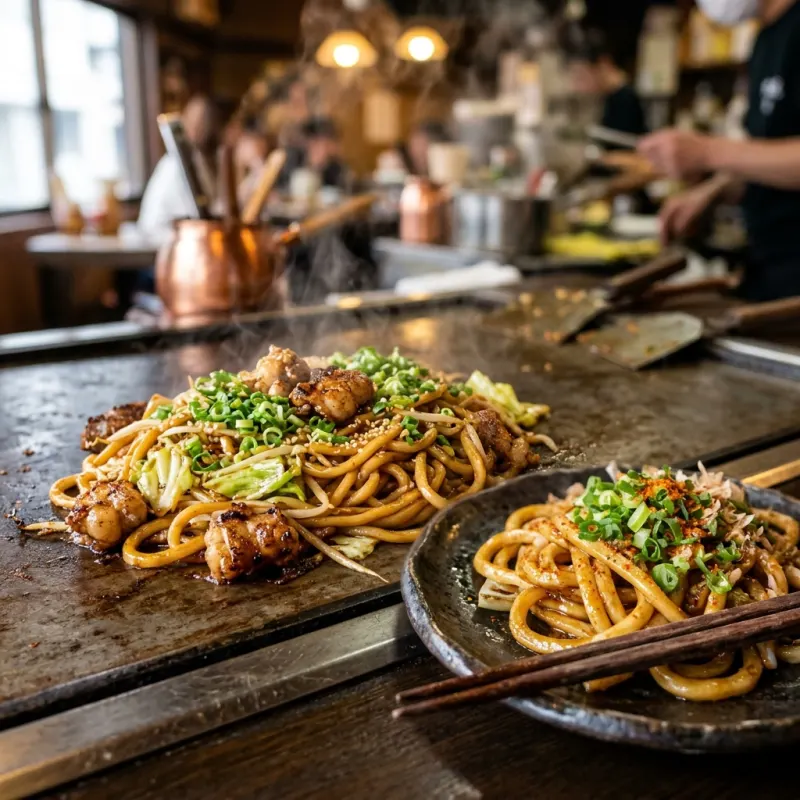
Tsuyama boasts a unique meat-centric culinary lineage rooted in historical livestock markets and traditional preservation methods. Unlike many historic Japanese towns where seafood dominates, Tsuyama is celebrated for beef delicacies, particularly Tsuyama Horumon Udon—fresh offal flash-fried on an iron griddle with thick noodles and a proprietary savory-sweet miso glaze. Other local specialties include sozuriyaki (shaved bone-in beef) and regional sake produced using mountain runoff from the Chugoku Range.
Authentic Japanese Tsuyama Horumon Udon stir fried with beef offal and green onions

Must Try Dish

Tsuyama Horumon Udon - Thick wheat udon noodles stir-fried over high heat with tender beef offal, spring onions, cabbage, and a rich, garlicky miso sauce. This savory, umami-laden comfort food delivers an authentic taste of Mimasaka regional culture.
Food Experiences Title Icon

Food
Experiences

Discover cooking classes, tastings and local food tours

No food experience found
Maya, the human travel expert at TravelingWiz, offering curated, non-AI expertise

Maya’s Final Checklist for Tsuyama

Logistics shouldn’t be the focus of your trip—the experience should. I’ve hand-vetted these essential partners to ensure your arrival, stay, and exploration are as smooth as an Athenian breeze.

Where to Stay

From boutique hotels to local apartments—compare thousands of options and find the perfect stay in the best neighborhood.

Air Travel

Getting there should be seamless. Compare the best routes and prices across top airlines to start your journey on the right note.

Local Guides

Connect with experts who know the destination best. Get personalized advice and insider tips to help you plan your perfect trip.

Travel Protection

The “Engineer’s” rule: always have a backup. Secure your trip with a plan that covers every “what if” and unexpected change.

Car Rentals

Explore at your own pace with total freedom. Compare reliable rental options and find the right vehicle for your adventure.

Visa Services

Don’t let paperwork slow you down. Get expert assistance with your application to ensure all your entry documents are in order.

FAQs

Take the JR Tsuyama Line directly from Okayama Station. The rapid ‘Kotobuki’ service takes approximately 70 minutes, while local services take around 90 minutes.
Cherry blossoms typically peak between late March and early April, during which Kakuzan Park is illuminated in the evenings.
Yes, Tsuyama makes an easy and rewarding day trip from Okayama City or Kurashiki, offering sights like Kakuzan Park, the Joto Preservation District, and the Roundhouse Museum within a single day.

Your Insights Matter

TravelingWiz grows through the stories of our community. If you’ve recently explored ,Tsuyama share your tips and stories to help us perfect our guides for the next traveler.

Related Articles

Check out our related articles and blog posts to learn even more about the destination.

No related articles found

Don’t Travel Alone

Share with your friends and family

Where should we send your offline card?

We hate spam just as much as you do

newsletter_consent *