Disclosure: This site contains affiliate links. We may earn a commission if you make a purchase, at no extra cost to you.

>
>
>
>
>
Iwami Ginzan

Iwami Ginzan

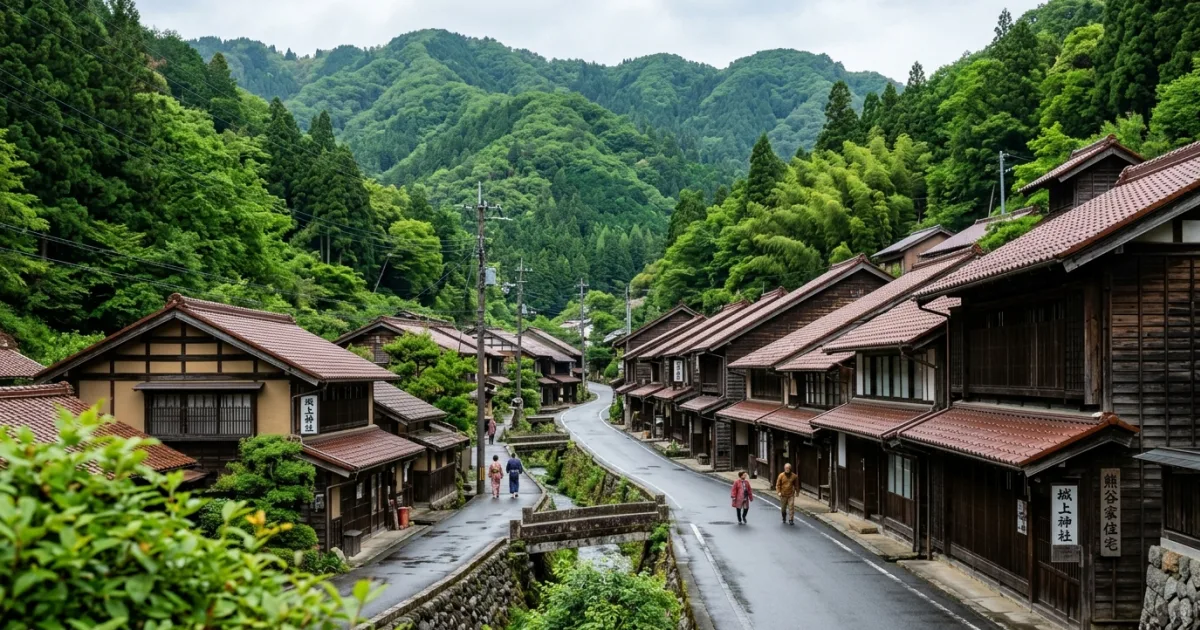
Preserved historic street with traditional wooden buildings and tile roofs in Omori village at Iwami Ginzan, Shimane

Iwami Ginzan Overview & Key Highlights

Iwami Ginzan is an exceptionally well-preserved historic silver mine and cultural landscape nestled in the forested mountains of Oda City, Shimane Prefecture. During its peak in the 16th and 17th centuries, the mine produced an estimated one-third of the world's silver, fueling global trade networks across East Asia and Europe. Designated a UNESCO World Heritage site in 2007, the area is celebrated not only for its extensive underground mining tunnels known as mabu, but also for its environmentally sustainable extraction techniques that preserved surrounding mountain forests. Visitors can explore the atmospheric historic settlement of Omori, featuring wooden merchant homes, samurai residences, and preserved temples lining a peaceful car-free valley. Beyond the village, walking trails and cycling routes lead through dense cedar and bamboo groves to accessible mine tunnels like the Ryugenji Mabu. Iwami Ginzan provides a serene, contemplative counterpoint to Japan's bustling metropolitan hubs, offering travelers an intimate window into Edo-period craftsmanship, vernacular architecture, and nature conservation.

Iwami Ginzan Travel Guide: Logistics & In-Depth Tips

Iwami Ginzan represents one of the most remarkable industrial heritage sites in East Asia. Discovered in 1526, the mine transformed regional geopolitical dynamics during the Sengoku (Warring States) period before falling under direct administrative control of the Tokugawa Shogunate in the early 1600s. Unlike European mining sites of the same era that cleared vast swaths of timber for smelting, Iwami Ginzan's operators utilized innovative cupellation methods (haifuki-ho) combined with strict forest regeneration policies, maintaining ecological equilibrium across the valley.

Today, the designated cultural zone spans three interconnected sectors: the mining sites and shafts, the settlement of Omori where administrative magistrate offices and merchants operated, and the coastal port settlements of Tomogaura and Okidomari where silver was loaded onto trading vessels. Walking along the preserved lane of Omori offers a deeply authentic journey into the Edo era, largely devoid of modern telephone poles and commercial neon signs.

Reasons to Visit

  • Walk through the cool subterranean tunnels of the historic Ryugenji Mabu to examine centuries-old hand-chiseled rock faces.
  • Explore Omori's immaculate 17th-to-19th-century Edo streetscapes, featuring traditional tile roofs and timber machiya facades.
  • Experience a rare UNESCO industrial site that prioritized historical environmental sustainability and forest preservation.
  • Rent a bicycle to coast through scenic, peaceful mountain valleys lined with bamboo stands, stone shrines, and bubbling streams.

Things to Avoid

  • Avoid wearing open-toed sandals or high heels, as paths to the mine shafts are uneven, unpaved, and occasionally damp.
  • Do not rely solely on digital payments, as public transit, bike kiosks, and heritage admissions generally demand cash.
  • Avoid planning an itinerary based solely on late afternoon hours; most exhibits and village shops close by 16:30 or 17:00.
  • Do not ignore pedestrian right-of-way when riding rented bicycles through narrow residential alleys in Omori.

Local Transportation Tips

Travel within Iwami Ginzan is strictly non-motorized for standard tourists to preserve the historic ambiance. Travelers typically navigate the area on foot, via standard or electric-assist rental bicycles available near Omori bus stops, or on the occasional electric golf-cart shuttle known as the 'Gingabago'. Regular regional buses operate between JR Odashi Station and the Omori Daikansho-mae and World Heritage Center bus stops.

Travel Etiquette

  • Respect residential privacy by refraining from photographing into private homes along the Omori village road.
  • Carry your trash with you, as public garbage receptacles are intentionally sparse to support environmental preservation.
  • Lower your voice when entering Buddhist temples and historic Shinto shrines scattered throughout the valley.
  • Dismount and walk your bicycle across designated pedestrian bridges and in signed historic courtyards.

Recommended Age Group

Iwami Ginzan caters particularly well to mature travelers and independent cultural explorers who appreciate serene settings and deep history.

  • Babies (0-2 years): Not Recommended. Mountain trails, gravel pathways, and narrow mine shafts make stroller navigation impractical.
  • Kids (3-12 years): Neutral. Children may find walking through the illuminated underground mine tunnel exciting, but lengthy walking distances and historical exhibitions require stamina.
  • Teens (13-19 years): Recommended. Exploring the mine shafts and cycling along forested valley paths provides a well-paced outdoor adventure.
  • Adults (20-64 years): Recommended. Ideal for lovers of architectural heritage, quiet nature walks, and authentic regional gastronomy.
  • Seniors (65+ years): Recommended. Electric bikes and local low-speed electric shuttles allow comfortable pacing through the historic village, though mine interiors require cautious footing.

Accessibility Level: Medium

  • The Omori village main road is gently sloped and paved with smooth asphalt, accommodating manual wheelchairs with modest assistance.
  • The Iwami Ginzan World Heritage Center features full barrier-free ramps, elevators, and accessible restroom facilities.
  • Access to the Ryugenji Mabu requires traversing a steady incline over unpaved ground, and the mine interior is wet with uneven stone thresholds, rendering it inaccessible for motorized wheelchairs.
  • Low-speed electric community carts operate limited runs for elderly visitors and individuals with mobility impairments.

Did You Know?

Silver extracted from Iwami Ginzan was stamped into internationally circulating silver trade dollars and traded as far as Europe, earning Japan the historical title of 'The Silver Islands' on 16th-century Portuguese cartography.

Cool Statistics

  • 1526: Year the mine was officially founded by merchant Kamiya Jutei
  • 1/3: Fraction of global silver output supplied by Iwami Ginzan during its zenith in the early 1600s
  • 273: Length in meters of the illuminated public walkway inside the Ryugenji Mabu mine shaft
  • 2007: Year Iwami Ginzan and its Cultural Landscape earned UNESCO World Heritage designation

Address:

Omori-cho, Oda, Shimane Prefecture, Japan

Find Nearby Accommodations

Basic Info

address icon

COUNTRY & Region

Japan,
Asia

ACCESSIBILITY LEVEL​

Medium
Currency icon

LOCAL CURRENCY​

Japanese Yen (JPY)
Price level icon
Medium
Safety Level icon

SAFETY LEVEL

Duration icon

Recommended Duration

• Full day
• 3-5 hours (Half a day)

Electricity

electricity icon

Electricity

100-110V, 
60Hz
Plug Socket icon

Plug Type

• Type A (Flat blade)
• Type B (Flat blade with grounding pin)
Plug types
Click To View Plug Types
Iwami Ginzan is part of our
Conscious Travel collection

Activities To Do In Iwami Ginzan

Best Time To Visit Iwami Ginzan

Iwami Ginzan offers distinct seasonal charm, with spring and autumn presenting the most comfortable walking weather.

  • Spring (April to May): Mild temperatures, lush greenery, and blooming mountain cherry blossoms make it ideal for cycling and outdoor exploration.
  • Summer (June to August): Humid and warm, though the subterranean tunnels provide natural air-conditioned relief from midday heat.
  • Autumn (October to November): Peak season for scenic beauty, with vibrant red and golden maple foliage framing the historic wooden streetscapes of Omori.
  • Winter (December to March): Quiet and uncrowded with occasional snowfall dusting the merchant roofs, though transit schedules can be reduced.

Average Temperatures Per Month

Remember to check the weather forecast a few days before the trip and before heading to the airport.

Safety Level icon

Safety Level

Iwami Ginzan has virtually zero violent crime and ranks among the safest rural travel destinations in Japan. Watch your footing inside the Ryugenji Mabu tunnel, as stone floors can be slick with moisture and ceilings are low in places. When renting bicycles, adhere to posted village rules by dismounting in crowded pedestrian zones and using bells cautiously.

The rating is based on multi-year peace, crime, and security indices. Before you go, always verify current conditions through official government travel advisories.

Emergency Numbers

Police: 110
Ambulance: 119

No internet needed • Includes local translations • Free for TravelingWiz readers

Spoken Languages

Japanese (Standard & Izumo dialect); English is limited to museum displays, information center staff, and directional signs.

Learn The Language

  • Konnichiwa – Hello
  • Arigatou gozaimasu – Thank you very much
  • Sumimasen – Excuse me / Pardon
  • Kore wa ikura desu ka? – How much is this?
  • Eigo ga hanasemasu ka? – Can you speak English?
  • Toire wa doko desu ka? – Where is the restroom?
  • Kore o kudasai – Please give me this
  • Tasukete kudasai – Please help me
Travel Booking Partner - TravelingWiz

Trip Cost & Budgeting for Iwami Ginzan, 2026

Everything you need to know about money while traveling
Is Iwami Ginzan expensive for tourists in 2026? No, Iwami Ginzan in Shimane Prefecture offers moderate prices compared to major Japanese hubs. Based on Human Verified prices, you can expect to pay around 500 JPY for a cappuccino, 550 JPY for a pint of domestic beer, and 2,000 JPY for a main meal at a mid-range restaurant. Accommodation and local transport remain very reasonable. Use the data table below to calculate your specific daily budget based on your travel style.
Currency icon

LOCAL CURRENCY​:

Japanese Yen (JPY)
Price level icon
Medium
Major hotels and train stations accept credit cards, but cash is essential for rural buses, shrines, and local eateries.

Per person, per day – pocket cash for small purchases.

Local: 1950
Japanese Yen (JPY)
≈ 50 USD

Full daily spend estimation (accommodation, food, transportation, attractions).

Travel Style
Japanese Yen (JPY)
≈ USD ($)
Budget
10750
55
Mid-range
19500
95
Comfort
42900
190

The Prices, Daily costs, and calculator results are estimates for planning purposes only. Actual costs may vary based on season, booking timing, personal spending habits, and currency fluctuations. TravelingWiz cannot be held responsible for discrepancies between these estimates and your final trip expenses.

  • • Purchase the Perfect Ticket 3-day pass for unlimited rides on Ichibata Electric Railway and local buses around Matsue and Izumo.
  • • Take advantage of foreigner discounts for entrance fees at attractions like Matsue Castle and the Adachi Museum of Art.
  • • Eat regional specialty lunch sets such as Izumo soba or Lake Shinji clam dishes at midday when prices are much lower than dinner.
  • • Stay in business hotels near Matsue or Izumo City Stations for clean, affordable lodging with complimentary breakfast options.

Pre-Order Tickets

Avoid disappointment when tickets sell out — and skip the long lines by booking online in advance. You’ll often save up to 20% too.
Save up to 20%

Travel Discounts & Coupons

Save on hotels, attractions, transport, and gear — find verified discounts for smarter travel spending.
Verified Coupons

What To Pack

  • Comfortable walking or hiking shoes with good grip for mine tunnels and forest trails
  • Light rain jacket or windbreaker due to sudden mountain weather shifts
  • A light layer or sweater, as mine shaft interiors hover around 10-15°C year-round
  • Cash in Japanese Yen, as smaller local vendors and bike rentals do not accept digital payments
  • Insect repellent during summer visits along wooded trail paths
  • Small hand towel for public restrooms and footbaths
We couldn't find tips for Iwami Ginzan.
If you got any, please share

Recommended Itineraries for Traveling to Iwami Ginzan

We couldn't find itineraries for Iwami Ginzan.
you can contact us for custom trip plan

Food & Drink Highlights

Local Food Overview

Shimane's culinary identity is grounded in rich soba traditions, locally grazed wagyu cattle, and pure mountain springs. Around Iwami Ginzan and Omori, restaurants feature Izumo-style buckwheat noodles served cold in tiered lacquer bowls or warm with wild mountain vegetables (sansai). Local cafes also incorporate organic seasonal produce, artisanal sourdough breads, and regional sake brewed using historic Iwami water basins.
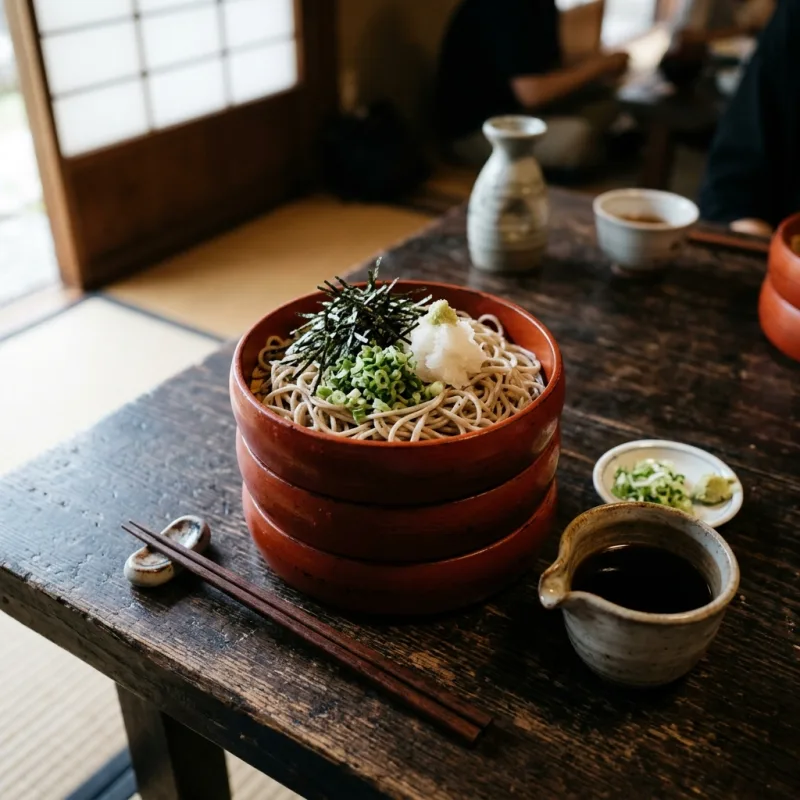
Authentic Japanese Warigo Soba noodles served in traditional stacked red lacquer bowls with garnishes and dipping sauce

Must Try Dish

Warigo Soba - A traditional Shimane specialty featuring buckwheat noodles served in three stacked round lacquer boxes, accompanied by dashi broth, grated daikon, nori, and scallions poured directly over each tier.
Food Experiences Title Icon

Food
Experiences

Discover cooking classes, tastings and local food tours

No food experience found
Maya, the human travel expert at TravelingWiz, offering curated, non-AI expertise

Maya’s Final Checklist for Iwami Ginzan

Logistics shouldn’t be the focus of your trip—the experience should. I’ve hand-vetted these essential partners to ensure your arrival, stay, and exploration are as smooth as an Athenian breeze.

Where to Stay

From boutique hotels to local apartments—compare thousands of options and find the perfect stay in the best neighborhood.

Air Travel

Getting there should be seamless. Compare the best routes and prices across top airlines to start your journey on the right note.

Local Guides

Connect with experts who know the destination best. Get personalized advice and insider tips to help you plan your perfect trip.

Travel Protection

The “Engineer’s” rule: always have a backup. Secure your trip with a plan that covers every “what if” and unexpected change.

Car Rentals

Explore at your own pace with total freedom. Compare reliable rental options and find the right vehicle for your adventure.

Visa Services

Don’t let paperwork slow you down. Get expert assistance with your application to ensure all your entry documents are in order.

FAQs

Take the JR San-in Main Line to JR Odashi Station. From the bus stop in front of the station, board the Iwami Kotsu bus bound for Omori or World Heritage Center, which takes roughly 30 minutes to reach the heritage area.
Yes, visitors can walk through the Ryugenji Mabu, an authentic 273-meter excavated mining tunnel with illuminated underground displays and chisel marks dating to the Edo period.
The main town of Omori features mostly gentle paved roads, but the walk to the mine shafts is uphill on packed gravel paths. The interior of the mine shafts is narrow and wet, making wheelchair access difficult.

Your Insights Matter

TravelingWiz grows through the stories of our community. If you’ve recently explored ,Iwami Ginzan share your tips and stories to help us perfect our guides for the next traveler.

Related Articles

Check out our related articles and blog posts to learn even more about the destination.

No related articles found

Don’t Travel Alone

Share with your friends and family

Where should we send your offline card?

We hate spam just as much as you do

newsletter_consent *