Disclosure: This site contains affiliate links. We may earn a commission if you make a purchase, at no extra cost to you.

Wide-angle view of Kintaikyo Bridge spanning the Nishiki River in Iwakuni with Mount Shiroyama in the background

Iwakuni Overview & Key Highlights

Iwakuni is a historic castle town situated in eastern Yamaguchi Prefecture along the tranquil Nishiki River. The town is globally renowned for Kintaikyo Bridge, a masterwork of traditional Japanese timber engineering built in 1673 featuring five graceful wooden arches anchored on massive stone piers. Set against the lush backdrop of Mount Shiroyama, the surrounding Kikko Park area preserves intact samurai residences, ancient shrines, and tranquil canals that offer visitors an unhurried immersion into Edo-period heritage. Beyond its architectural marvels, Iwakuni serves as a rewarding stopover between Hiroshima and western Honshu. Travelers can ascend to the reconstructed Iwakuni Castle via the Mount Shiroyama ropeway to enjoy sweeping vistas extending across the Seto Inland Sea, wander through Kikko Park's seasonal cherry blossom and iris groves, or savor distinctive culinary traditions like layered Iwakuni-zushi and sweet ayu sweetfish. Compact and walkable, the historic district delivers a classic cultural experience accessible to travelers seeking authentic Japanese craftsmanship without large urban crowds.

Iwakuni Travel Guide: Logistics & In-Depth Tips

Iwakuni sits along the Nishiki River in Yamaguchi Prefecture, preserving a rich legacy cultivated under the rule of the Kikkawa samurai clan during the Edo period. The city’s centerpiece, Kintaikyo Bridge, was constructed in 1673 as an engineering solution to withstand seasonal river torrents without the use of metal nails in its primary arches. Across the bridge lies the historic samurai quarter, now preserved as Kikko Park, shaded by native trees and framed by historic irrigation canals inhabited by koi fish.

Perched high on Mount Shiroyama, Iwakuni Castle watches over the alluvial plains below. Accessible via the scenic ropeway, the mountaintop offers expansive views spanning the Nishikigawa valley out to the islands of the Seto Inland Sea. Whether exploring the traditional Nagayamon gates, observing rare albino snakes revered as sacred protectors, or tasting regional confections, Iwakuni offers an evocative journey through traditional Japanese architecture and tranquil river landscapes.

Reasons to Visit

  • Experience Kintaikyo Bridge, one of Japan's three most celebrated wooden bridges and an extraordinary relic of classical engineering.
  • Ascend Mount Shiroyama by ropeway to explore Iwakuni Castle and enjoy sweeping panoramic vistas of the Inland Sea.
  • Wander through peaceful Kikko Park, featuring preserved Edo-era samurai gates, shrines, and seasonal flora.
  • Observe the Shirohebi (Iwakuni White Snakes), a designated National Natural Monument protected for centuries.
  • Indulge in distinctive regional cuisine, notably multi-layered Iwakuni-zushi and fresh river-grilled sweetfish.

Things to Avoid

  • Avoid wearing smooth-soled or slippery dress shoes when crossing Kintaikyo, as the curved wood steps can be slick when wet.
  • Avoid assuming all transport accepts credit cards; always carry sufficient yen banknotes for local buses and street vendors.
  • Do not rush through as a brief 30-minute stop; allocate at least half a day to explore the castle, park, and museums across the river.
  • Avoid stepping off designated viewing paths near the river banks during heavy rain periods due to rapid water level changes.

Local Transportation Tips

Iwakuni's historic sites are concentrated across the Nishiki River, roughly 5 km from JR Iwakuni Station and 4 km from JR Shin-Iwakuni Station. Frequent municipal buses run from bus stop #2 at JR Iwakuni Station directly to the Kintaikyo Bus Center in 15 to 20 minutes. From the Shin-Iwakuni Shinkansen station, buses arrive at Kintaikyo in approximately 12 minutes. The entire historic district—encompassing Kintaikyo Bridge, Kikko Park, the White Snake Museum, and the lower Mount Shiroyama ropeway station—is fully walkable on foot.

Travel Etiquette

  • Step carefully and maintain decorum when walking on Kintaikyo Bridge, respecting fellow pedestrians on the sloped wooden spans.
  • Remove shoes promptly when stepping onto tatami mats inside historic residences, shrines, or castle interior spaces.
  • Dispose of ice cream wrappers and snack waste in receptacles provided by vendors, as public street bins are scarce throughout the park.
  • Refrain from touching historical artifacts, stone walls, or preserved timber pillars in samurai heritage properties.

Recommended Age Group

Iwakuni offers a welcoming environment for multiple generations, with particular appeal to history lovers, casual walkers, and sightseers.

  • Babies (0-2 years): Neutral. The arched bridge has continuous wooden steps that cannot accommodate strollers, requiring baby carriers for crossings.
  • Kids (3-12 years): Recommended. Children enjoy the ropeway journey to the castle, broad open parks, and seeing the harmless white snakes at the museum.
  • Teens (13-19 years): Recommended. Castle grounds, ropeway scenery, and legendary ice cream shops offering over 100 flavors make it engaging for teenagers.
  • Adults (20-64 years): Recommended. Ideal for cultural exploration, photography, authentic dining, and architectural appreciation.
  • Seniors (65+ years): Recommended. Paved park pathways and gentle ropeway access make it comfortable, though caution is advised on the arched steps of the bridge.

Accessibility Level: Medium

  • Kintaikyo Bridge itself consists of stepped wooden archways and is not wheelchair accessible; however, fully paved and flat concrete bridges nearby allow barrier-free crossing of the Nishiki River.
  • Kikko Park features wide, flat asphalt and packed gravel paths suitable for wheelchairs and strollers.
  • The Mount Shiroyama ropeway station provides ramp access, though the final pathway from the upper ropeway station to Iwakuni Castle includes slight uphill dirt inclines.
  • Accessible restrooms are clearly signposted throughout the Kintaikyo Bus Terminal and within Kikko Park grounds.

Did You Know?

Kintaikyo Bridge was constructed using complex mortise-and-tenon woodworking techniques that allowed the arched wooden spans to remain durable without a single iron nail used in the main superstructure. Although a severe typhoon washed the original spans away in 1950, local carpenters meticulously rebuilt the bridge in 1953 using historical blueprints, carrying out periodic re-thatching and timber replacement every 20 years to preserve these ancient craft methods.

Cool Statistics

  • Kintaikyo Bridge spans an exact length of 193.3 meters (634 feet) across five distinctive wooden arches.
  • Iwakuni Castle stands at an elevation of approximately 200 meters atop Mount Shiroyama.
  • Kikko Park contains over 1,500 cherry blossom trees and 110 varieties of iris flowers.

Address:

Iwakuni, Japan

Find Nearby Accommodations

Basic Info

address icon

COUNTRY & Region

Japan,
Asia

ACCESSIBILITY LEVEL​

Medium
Currency icon

LOCAL CURRENCY​

Japanese Yen (JPY)
Price level icon
Medium
Safety Level icon

SAFETY LEVEL

Duration icon

Recommended Duration

• 3-5 hours (Half a day)
• Full day

Electricity

electricity icon

Electricity

100-110V, 
60Hz
Plug Socket icon

Plug Type

• Type A (Flat blade)
• Type B (Flat blade with grounding pin)
Plug types
Click To View Plug Types
Iwakuni is part of our
Solo Female Friendly collection

Activities To Do In Iwakuni

Best Time To Visit Iwakuni

Iwakuni is a year-round destination, but spring and autumn provide optimal weather and spectacular natural scenery.

  • Spring (Late March to Mid-April): Peak season when hundreds of Yoshino cherry trees bloom along the banks of the Nishiki River and throughout Kikko Park.
  • Summer (June to August): Warm and humid, marked by traditional nighttime cormorant fishing (Ukai) demonstrations on the Nishiki River under lantern light.
  • Autumn (October to November): Mild temperatures accompanied by fiery Japanese maple foliage around Mount Shiroyama and Momijidani Park.
  • Winter (December to February): Cool, crisp days with minimal crowds and clear panoramic views from Iwakuni Castle.

Average Temperatures Per Month

Remember to check the weather forecast a few days before the trip and before heading to the airport.

Safety Level icon

Safety Level

Iwakuni maintains an exceptionally low crime rate and is exceedingly safe for visitors at all hours. Exercise caution when walking across the wooden arches of Kintaikyo Bridge during rain or morning frost, as damp timber planks can become slippery. In the summer months, stay hydrated while climbing the castle trails, and take heed of river water safety warnings when strolling along the gravel shoreline of the Nishiki River.

The rating is based on multi-year peace, crime, and security indices. Before you go, always verify current conditions through official government travel advisories.

Emergency Numbers

Police: 110
Ambulance: 119

No internet needed • Includes local translations • Free for TravelingWiz readers

Spoken Languages

Japanese (Standard & Yamaguchi dialect), limited English in tourism kiosks

Learn The Language

  • Konnichiwa – Hello
  • Arigatou gozaimasu – Thank you very much
  • Sumimasen – Excuse me / Pardon
  • Kore wa ikura desu ka? – How much is this?
  • Eigo ga hanasemasu ka? – Do you speak English?
  • Toire wa doko desu ka? – Where is the restroom?
  • O-kaikei kudasai – Check, please
  • Sayounara – Goodbye
Travel Booking Partner - TravelingWiz

Trip Cost & Budgeting for Iwakuni, 2026

Everything you need to know about money while traveling
Is Iwakuni expensive for tourists in 2026? No, Iwakuni is reasonably priced for international visitors. Based on Human Verified prices, expect to pay around 590 JPY for a regular coffee, 600 JPY for a draft beer, and 2,500 JPY for a mid-range meal. While entry fees and local transit remain affordable, accommodation drives most daily costs. Use the data table below to calculate your specific daily budget based on your travel style.
Currency icon

LOCAL CURRENCY​:

Japanese Yen (JPY)
Price level icon
Medium
Major hotels and chain stores accept credit cards, but small shops, buses, and local eateries require cash.

Per person, per day – pocket cash for small purchases.

Local: 1750
Japanese Yen (JPY)
≈ 27 USD

Full daily spend estimation (accommodation, food, transportation, attractions).

Travel Style
Japanese Yen (JPY)
≈ USD ($)
Budget
9650
40
Mid-range
17500
78
Comfort
38500
167

The Prices, Daily costs, and calculator results are estimates for planning purposes only. Actual costs may vary based on season, booking timing, personal spending habits, and currency fluctuations. TravelingWiz cannot be held responsible for discrepancies between these estimates and your final trip expenses.

  • Buy the combination ticket covering Kintai Bridge admission, Iwakuni Castle entry, and the ropeway for lower total cost.
  • Travel locally using an IC card like ICOCA or Suica for convenient and economical public transport access.
  • Eat lunch sets (teishoku) at local eateries for generous, high-quality portions at lower daytime prices.
  • Book business hotels near Iwakuni Station for affordable rates and easy transit access.

Pre-Order Tickets

Avoid disappointment when tickets sell out — and skip the long lines by booking online in advance. You’ll often save up to 20% too.
Save up to 20%

Travel Discounts & Coupons

Save on hotels, attractions, transport, and gear — find verified discounts for smarter travel spending.
Verified Coupons

What To Pack

  • Comfortable walking shoes with slip-resistant soles, essential for traversing the curved wooden slats of Kintaikyo Bridge and cobblestone paths.
  • Compact umbrella or lightweight waterproof jacket for sudden mountain and coastal showers.
  • Slip-on socks or easily removable footwear for entry into samurai houses, temples, and castle grounds.
  • Portable battery pack to keep navigation apps and cameras running throughout day explorations.
  • Cash purse or pouch, as regional bus lines and smaller historic craft shops predominantly accept physical Japanese Yen.
We couldn't find tips for Iwakuni.
If you got any, please share

Recommended Itineraries for Traveling to Iwakuni

We couldn't find itineraries for Iwakuni.
you can contact us for custom trip plan

Food & Drink Highlights

Local Food Overview

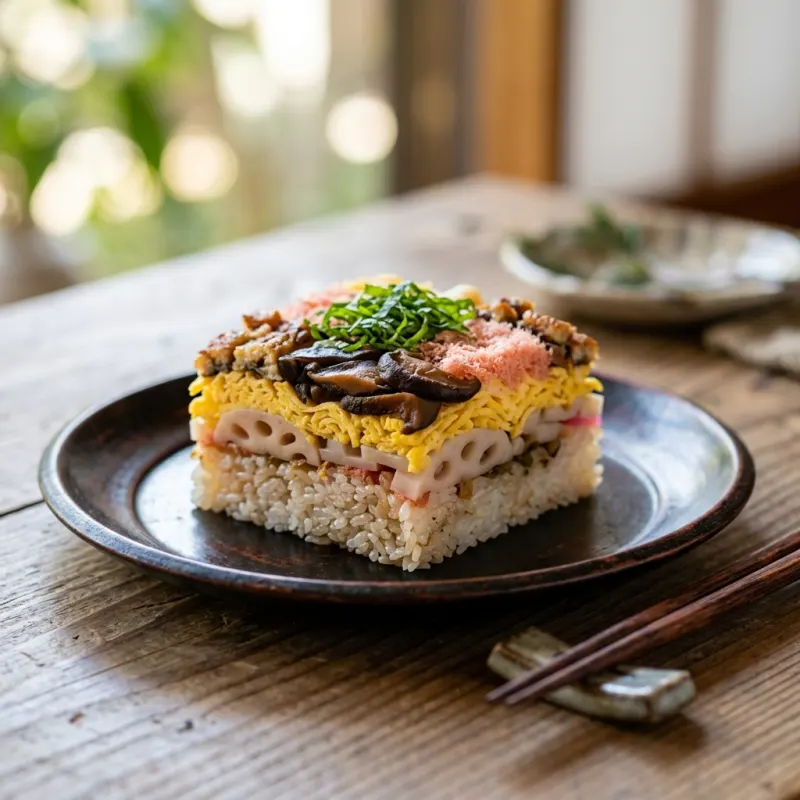
Iwakuni's regional gastronomy reflects its aristocratic samurai heritage and fertile river basin. The most iconic delicacy is Iwakuni-zushi, a celebratory pressed sushi built in massive wooden molds with layers of vinegared rice, lotus root, shiitake mushrooms, shredded omelet, and minced fish. Freshwater ayu (sweetfish) caught in the pristine Nishiki River is salted and charcoal-grilled on bamboo skewers during summer and autumn. Visitors will also notice Musashi and Kojiro soft-serve shops near the bridge, famous for offering over one hundred experimental and traditional ice cream flavors.
Authentic layered Iwakuni-zushi pressed sushi on traditional Japanese lacquer plate

Must Try Dish

Iwakuni-zushi - A historic pressed sushi featuring colorful layers of seasoned rice, local lotus root, eggs, and minced fish. Traditionally prepared for castle lords, it offers a harmonious sweet and savory flavor with a satisfying crisp texture.
Food Experiences Title Icon

Food
Experiences

Discover cooking classes, tastings and local food tours

No food experience found
Maya, the human travel expert at TravelingWiz, offering curated, non-AI expertise

Maya’s Final Checklist for Iwakuni

Logistics shouldn’t be the focus of your trip—the experience should. I’ve hand-vetted these essential partners to ensure your arrival, stay, and exploration are as smooth as an Athenian breeze.

Where to Stay

From boutique hotels to local apartments—compare thousands of options and find the perfect stay in the best neighborhood.

Air Travel

Getting there should be seamless. Compare the best routes and prices across top airlines to start your journey on the right note.

Local Guides

Connect with experts who know the destination best. Get personalized advice and insider tips to help you plan your perfect trip.

Travel Protection

The “Engineer’s” rule: always have a backup. Secure your trip with a plan that covers every “what if” and unexpected change.

Car Rentals

Explore at your own pace with total freedom. Compare reliable rental options and find the right vehicle for your adventure.

Visa Services

Don’t let paperwork slow you down. Get expert assistance with your application to ensure all your entry documents are in order.

FAQs

Take the JR Sanyo Line train from Hiroshima Station to JR Iwakuni Station (approx. 50 minutes), then board a local bus to Kintaikyo (approx. 20 minutes). Alternatively, take the Sanyo Shinkansen to Shin-Iwakuni Station (15 minutes) followed by a 12-minute bus ride.
The bridge is generally open 24 hours, but ticket booths operate during daytime hours. In rare cases of river flooding, typhoons, or severe freezing conditions, crossing may be temporarily restricted for safety.
The current castle tower is a faithful concrete reconstruction built in 1962, positioned slightly south of the original 1608 foundation to afford direct panoramic views over the town and Kintaikyo Bridge.

Your Insights Matter

TravelingWiz grows through the stories of our community. If you’ve recently explored ,Iwakuni share your tips and stories to help us perfect our guides for the next traveler.

Related Articles

Check out our related articles and blog posts to learn even more about the destination.

No related articles found

Don’t Travel Alone

Share with your friends and family

Where should we send your offline card?

We hate spam just as much as you do

newsletter_consent *