Located in the heart of Yamaguchi Prefecture, Mine is defined by extraordinary natural landforms shaped over 300 million years. Originally an ancient coral reef in the Panthalassa ocean, tectonic movements pushed the limestone mass into mainland Honshu, where rainwater dissolved the rock into the extensive karst plateau known today as Akiyoshidai. Spanning over 130 square kilometers, the plateau is marked by limestone pillars, deep dolines, and subterranean sinkholes that lead into more than 400 cataloged caverns.
The city's urban core is quiet and rural, serving primarily as a service base for agricultural communities and visitors to the quasi-national park. The surrounding hills host working quarries, tranquil orchards, and pristine spring sources such as Beppu Benten Pond, whose water maintains an intense mineral clarity. Mine provides an unhurried perspective on inland Japanese life, distinct from the heavily trafficked tourist circuits of Kyoto or Tokyo.
Reasons to Visit
- Marvel at Akiyoshido, one of Asia's largest limestone show caves, showcasing massive tiered rimstone pools and 80-meter-high subterranean chambers.
- Hike or drive across Akiyoshidai Karst Plateau, taking in panoramic sweeps of limestone pinnacles set amid seasonal grasslands.
- Drink and photograph the vivid turquoise waters of Beppu Benten Pond, a national natural monument and protected spring.
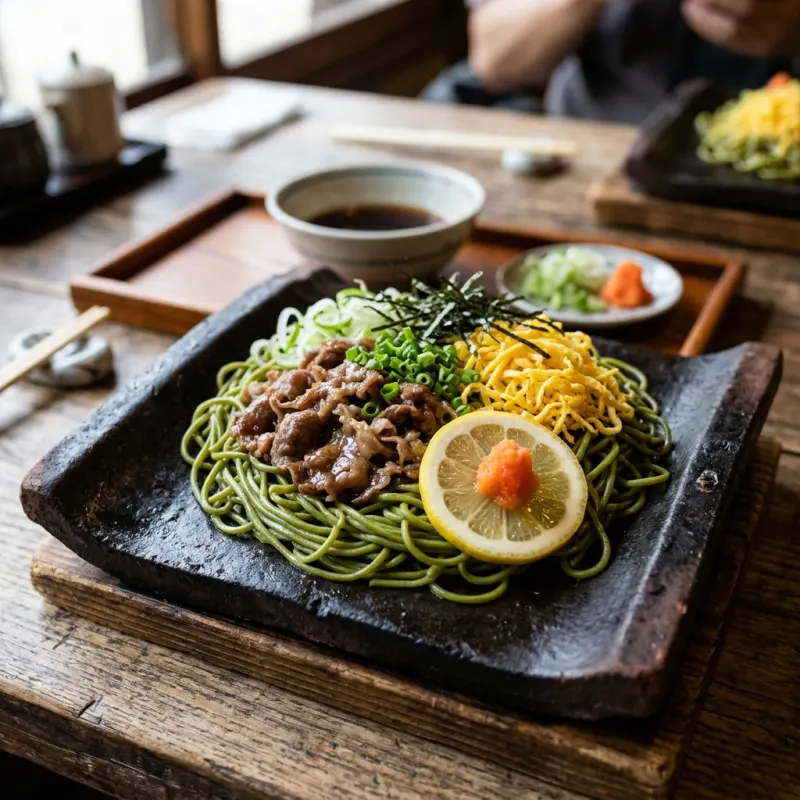
- Experience rural Japanese hospitality at roadside rest stops, sampling locally harvested burdock root and fresh river trout.
- Witness the stark seasonal contrast, from vibrant emerald grasses in summer to the dramatic landscape-wide controlled burn during February's Yamayaki.
Things to Avoid
- Do not wander off marked trails on the karst plateau; the grass can obscure deep vertical sinkholes that pose serious fall hazards.
- Avoid wearing smooth-soled or high-heeled footwear inside the caves, where humidity creates permanently slippery concrete walkways.
- Do not rely entirely on public buses after sunset, as rural Yamaguchi transit frequencies drop sharply in the late afternoon.
- Avoid visiting the plateau mid-day in peak summer without sun protection, as the open grassland offers no shade.
Local Transportation Tips
While regular Bocho buses connect Shin-Yamaguchi Shinkansen Station directly to the Akiyoshido Bus Terminal, local transit between different attractions within Mine—such as Beppu Benten Pond and the northern caves—is infrequent. Renting a car at Shin-Yamaguchi Station or Yamaguchi Ube Airport is highly recommended for complete flexibility across the region's scenic roadways.
Travel Etiquette
- Maintain silence and respect natural structures inside caves; never touch stalactites or rock formations, as skin oils halt their mineral growth.
- Take all personal trash with you when walking the plateau trails, as public bins are not provided in natural conservation zones.
- When visiting Beppu Benten Pond, observe designated areas for collecting drinking water and refrain from throwing coins or objects into the spring.
Recommended Age Group
Mine offers a versatile mix of educational geology, low-impact nature walking, and safe subterranean touring that appeals broadly across generations.
- Babies (0-2 years): Neutral. Paved cave trails accommodate sturdy strollers up to the mid-way point, though steps and cool cave temperatures require careful planning.
- Kids (3-12 years): Recommended. Exploring the underground caverns feels like a real-world adventure, and the open plateau trails offer plenty of space for active exploration.
- Teens (13-19 years): Recommended. The striking landscape provides exceptional photography and adventure appeal, particularly when biking or hiking the Karst Road.
- Adults (20-64 years): Recommended. Outstanding geological hikes, scenic driving, regional food, and quiet rural ambiance make this an exceptional nature escape.
- Seniors (65+ years): Recommended. The primary Akiyoshido cave entrance is flat, well-lit, and equipped with elevators connecting directly to the plateau observatory, making it accessible for varied stamina levels.
Accessibility Level: Medium
- The main path through the lower third of Akiyoshido Cave is paved and largely flat, allowing standard wheelchair access up to the Golden Pillar.
- An elevator located inside Akiyoshido cavern ascends 80 meters directly to the Akiyoshidai Plateau Observation Center.
- The Akiyoshidai Visitor Center provides wheelchair-accessible restrooms and tactile geological models.
- Open karst hill trails feature rough terrain, rocks, and dirt stairs, making higher plateau paths unsuitable for motorized wheelchairs.
Did You Know?
The limestone that forms Mine's karst plateau originally formed over 300 million years ago during the Carboniferous period as a coral reef near the equator, traveling thousands of miles across oceanic tectonic plates before accreting onto the Asian continental margin.
Cool Statistics
- 130+ square kilometers: The total area covered by the Akiyoshidai karst plateau.
- 17°C (63°F): The constant, year-round ambient air temperature inside Akiyoshido cave.
- 400+: The number of discovered limestone caves honeycombed beneath Mine's plateau.
- 11 tons: The volume of pure spring water emerging every minute from Beppu Benten Pond.






Buy a compatible power adapter for your trip