Nagato occupies the northwest coastline of Yamaguchi Prefecture, where lush forested hills converge with the Sea of Japan. Historically functioning as a crucial fishing harbor, maritime trading port, and sanctuary for hot spring healing, the city preserves deep regional traditions. The area gained international prominence after CNN featured Motonosumi Shrine among Japan's most scenic spots, yet the surrounding municipality retains an authentic, uncrowded atmosphere that appeals to travelers seeking genuine cultural immersion.
The city divides into distinct experiential quarters. Senzaki serves as the cultural and culinary maritime heart, home to thriving seafood docks and historic memorials honoring poet Misuzu Kaneko. Inland along the tranquil Oto River lies Nagato-Yumoto Onsen, which has emerged as an archetype of contemporary Japanese onsen town regeneration. Balancing quiet hot spring bathing with spectacular natural landscapes at Omijima Island, Nagato delivers a compelling snapshot of rural Japanese heritage and coastal wonder.
Reasons to Visit
- Walk through the 123 vermilion torii gates of coastal Motonosumi Shrine perched above ocean cliffs.
- Soak in restorative waters at Nagato-Yumoto Onsen, Yamaguchi's oldest historic hot spring village.
- Cruise or kayak past dramatic sea stacks and basalt caves along the rocky coastline of Omijima Island.
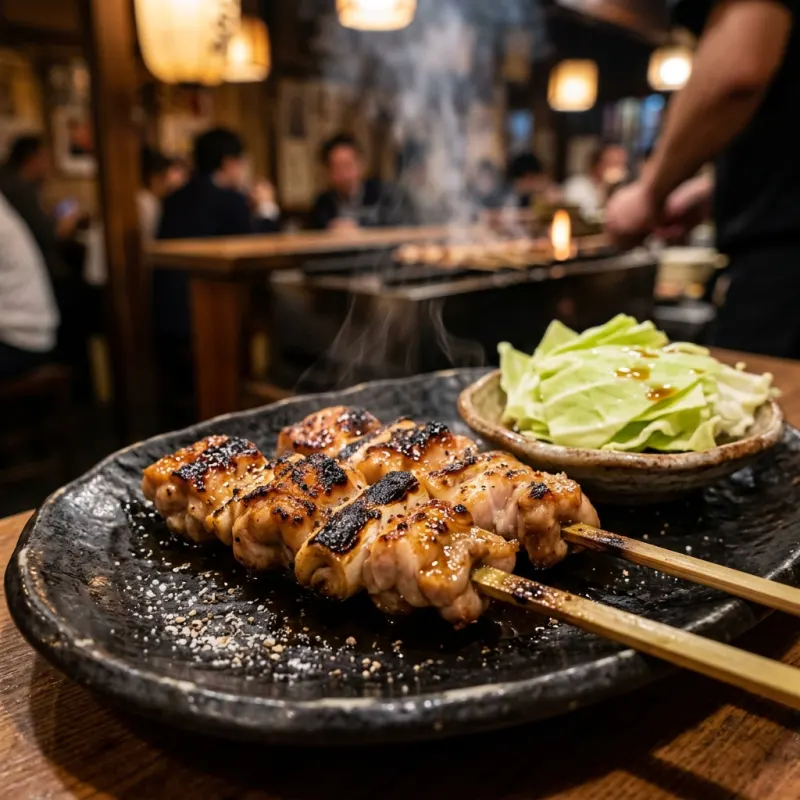
- Savor regional culinary staples including hyper-fresh squid sashimi and authentic charcoal-grilled yakitori.
- Experience unhurried rural Japanese tranquility away from crowded metropolitan tourist trails.
Things to Avoid
- Avoid relying exclusively on public transit to reach remote sights like Senjojiki or Motonosumi Shrine; schedules are sparse.
- Avoid wearing shoes onto tatami mats inside historic ryokan, shrines, or traditional dining quarters.
- Avoid visiting coastal cliffs without checking marine weather advisories, as winter swells can create hazardous wave surges.
- Avoid assuming all establishments take credit cards or digital payments; always carry cash.
Local Transportation Tips
Travelers reach Nagato via the JR San'in Main Line or Mine Line connecting through Shin-Yamaguchi Shinkansen Station. Within the city, JR trains link Nagato-Shi Station, Senzaki, and Nagato-Yumoto. Local buses operate between central stations and the onsen districts. However, to access remote coastal attractions like Motonosumi Shrine and Senjojiki comfortably, renting a car at Shin-Yamaguchi or Nagato is strongly recommended. Sightseeing taxis and e-bike rentals are also available at Nagato-Yumoto Onsen.
Travel Etiquette
- Bathe thoroughly with soap and water at the washing stations before entering communal onsen pools.
- Keep towels out of the onsen bathwater; place your small washcloth on your head or beside the bath edge.
- Maintain quiet voices when strolling along the Oto River promenade in Nagato-Yumoto during evening hours.
- Bow slightly when greeting shopkeepers and hospitality hosts as a customary sign of respect.
Recommended Age Group
Nagato offers rewarding experiences across different age brackets, though physical mobility plays a role at specific coastal landmarks.
- Babies (0-2 years): Neutral. Hot spring baths may be too warm for infants, and steep cliffside shrine stairs are incompatible with strollers.
- Kids (3-12 years): Recommended. Children will love the Omijima glass-bottom excursion boats, seaside parks, and the fun challenge of throwing coins into Motonosumi's high donation box.
- Teens (13-19 years): Recommended. Outstanding photography spots, ocean kayaking, and casual local street food make it engaging for teenagers.
- Adults (20-64 years): Recommended. Perfect balance of scenic road tripping, relaxing onsen ryokan stays, fine dining, and cultural discovery.
- Seniors (65+ years): Recommended. Outstanding wellness retreats, tranquil river walks, and therapeutic hot springs, provided that visitors with mobility concerns avoid steep cliff paths.
Accessibility Level: Medium
- Nagato-Yumoto Onsen features level paved riverside walkways and barrier-free access at several updated ryokan and cafes.
- Motonosumi Shrine contains uneven, steep stone steps and narrow torii passages that are not wheelchair accessible.
- Senzaki Kitchen and the Senzaki seaside complex provide flat paved surfaces, accessible restrooms, and dedicated disabled parking.
- JR Nagato-Shi Station has basic accessibility, but smaller regional stations on local branch lines may lack elevators.
Did You Know?
Motonosumi Shrine features one of Japan's most challenging donation boxes (saisenbako). Instead of resting on the ground, the collection box is mounted high atop the final 5-meter-tall torii gate. Shinto tradition holds that if you manage to toss your coin into the elevated box, your wish will be granted.
Cool Statistics
- 123 vermilion torii gates span more than 100 meters down the cliffs at Motonosumi Shrine.
- 600+ years of documented healing history define the natural thermal waters of Nagato-Yumoto Onsen.
- Omijima Island features a 16-kilometer coastal perimeter characterized by over 40 distinct sea caves and volcanic stone arches.






Buy a compatible power adapter for your trip