

Low – budget‑friendly basics
Medium – moderate mid‑range costs
High – pricey lodging, dining & transport
Disclosure: This site contains affiliate links. We may earn a commission if you make a purchase, at no extra cost to you.
Low – budget‑friendly basics
Medium – moderate mid‑range costs
High – pricey lodging, dining & transport
5 shields = Excellent – very low crime or conflict.
4 shields = Safe – low risk, routine care.
3 shields = Relatively safe – use normal street smarts.
2 shields = Use caution – higher crime or periodic unrest.
1 shields = Avoid – active conflict or extreme danger.
Scores are derived from multi-year peace, homicide and security indices blended into a single 1-to-5 scale.
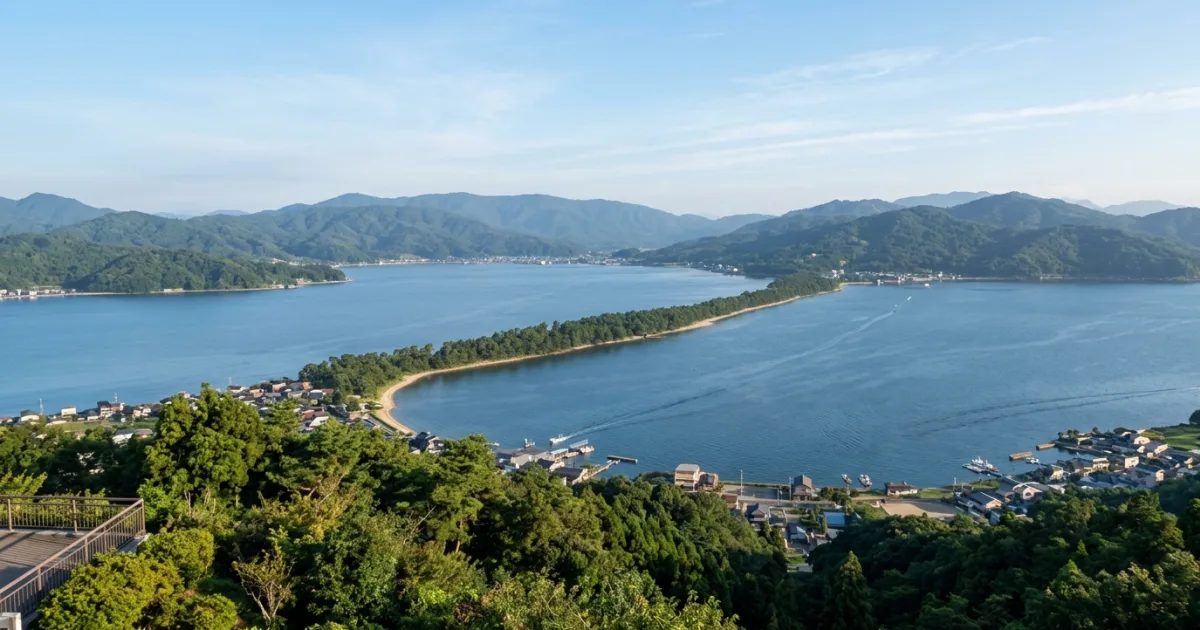
Miyazu sits on the coastal northern edge of Kyoto Prefecture along the Sea of Japan, renowned primarily as the home of Amanohashidate, one of Japan's Three Scenic Views (Nihon Sankei). The centerpiece of the municipality is a 3.6-kilometer natural sandbar blanketed by roughly 8,000 pine trees that spans the mouth of Miyazu Bay, separating it from the Asokai Lagoon. Visitors view the landmark upside-down between their legs—a practice known as 'matanozoki'—from observation vantage points like Kasamatsu Park and Amanohashidate View Land, making the spit resemble a green dragon ascending toward the sky. Beyond the famed sandbar, Miyazu preserves authentic maritime heritage characterized by historic merchant districts, coastal hot spring ryokan, and storied Buddhist sanctuaries such as Chion-ji and the mountain retreat Nariai-ji. With rich local waters providing fresh seasonal catches like winter yellowtail (buri) and Taiza snow crab, Miyazu operates as an idyllic retreat combining coastal scenery, cycling paths, and relaxed rural Kansai traditions well away from the crowded urban corridors of southern Kyoto.
Miyazu serves as the primary gateway to the Tango region in northern Kyoto Prefecture, famously termed 'Kyoto by the Sea' (Umi no Kyoto). Unlike the inland urban sprawl of Kyoto City, Miyazu is shaped by clean maritime air, peaceful coastal inlets, and centuries of fishing traditions. Its centerpiece, the Amanohashidate sandbar, emerged through coastal sediment deposits shaped by converging tidal currents from Miyazu Bay and Asokai Lagoon, creating a pristine pine grove that has inspired Japanese poets and landscape painters since the Heian period.
Visitors can seamlessly split their time between leisurely active pursuits—such as biking through the sheltered forest trail and taking sightseeing catamarans across the bay—and cultural excursions. Chion-ji Temple near the southern terminus honors Monju Bosatsu, the Buddhist deity of wisdom, drawing students seeking academic fortune. On the northern shores, chairlifts and funiculars ascend to Kasamatsu Park, leading further upward to the cliffside sanctuary of Nariai-ji. Miyazu’s hot spring baths, oceanfront dining, and preserved craft heritage make it one of Western Japan’s most rewarding coastal escapes.
Miyazu is efficiently served by the Kyoto Tango Railway (Tantetsu), linking Miyazu Station and Amanohashidate Station with local and limited express trains. Within the destination, navigating the sandbar area is best done on foot, by rental bicycle, or aboard local sightseeing ferries operated by the Tango Kairiku Kotsu company. Local buses provide scheduled access from Amanohashidate Station northward to Kasamatsu cable car station and onward toward the fishing village of Ine.
Miyazu offers flat terrain, gentle outdoor recreation, and dependable transportation, making it suitable for a wide demographic spectrum.
According to ancient Shinto mythology recorded in the Tango Fudoki, Amanohashidate was originally a ladder constructed by the creator deity Izanagi to travel between heaven and earth. Legend holds that while the deity was sleeping, the ladder collapsed into the ocean, transforming into the sandbar visible today.

Miyazu is a year-round destination with peak travel seasons driven by distinct coastal conditions and culinary specialties.
| Month | °C | °F |
|---|---|---|
| Jan | 4 | 39 |
| Feb | 5 | 41 |
| Mar | 9 | 48 |
| Apr | 13 | 55 |
| May | 18 | 64 |
| Jun | 22 | 72 |
| Jul | 26 | 79 |
| Aug | 28 | 82 |
| Sep | 25 | 77 |
| Oct | 18 | 64 |
| Nov | 12 | 54 |
| Dec | 6 | 43 |
Remember to check the weather forecast a few days before the trip and before heading to the airport.
5 shields = Excellent – very low crime or conflict.
4 shields = Safe – low risk, routine care.
3 shields = Relatively safe – use normal street smarts.
2 shields = Use caution – higher crime or periodic unrest.
1 shields = Avoid – active conflict or extreme danger.
Scores are derived from multi-year peace, homicide and security indices blended into a single 1-to-5 scale.
The rating is based on multi-year peace, crime, and security indices. Before you go, always verify current conditions through official government travel advisories.
No internet needed • Includes local translations • Free for TravelingWiz readers

Low – budget‑friendly basics
Medium – moderate mid‑range costs
High – pricey lodging, dining & transport
Per person, per day – pocket cash for small purchases.
Full daily spend estimation (accommodation, food, transportation, attractions).
Travel Style | Japanese Yen (JPY) | ≈ USD ($) |
|---|---|---|
Budget | 10200 | 64 |
Mid-range | 18500 | 116 |
Comfort | 40700 | 256 |
The Prices, Daily costs, and calculator results are estimates for planning purposes only. Actual costs may vary based on season, booking timing, personal spending habits, and currency fluctuations. TravelingWiz cannot be held responsible for discrepancies between these estimates and your final trip expenses.
Choose a ready-made itinerary, plan your own trip, and keep TravelingWiz by your side while you travel.
Get the TravelingWiz app →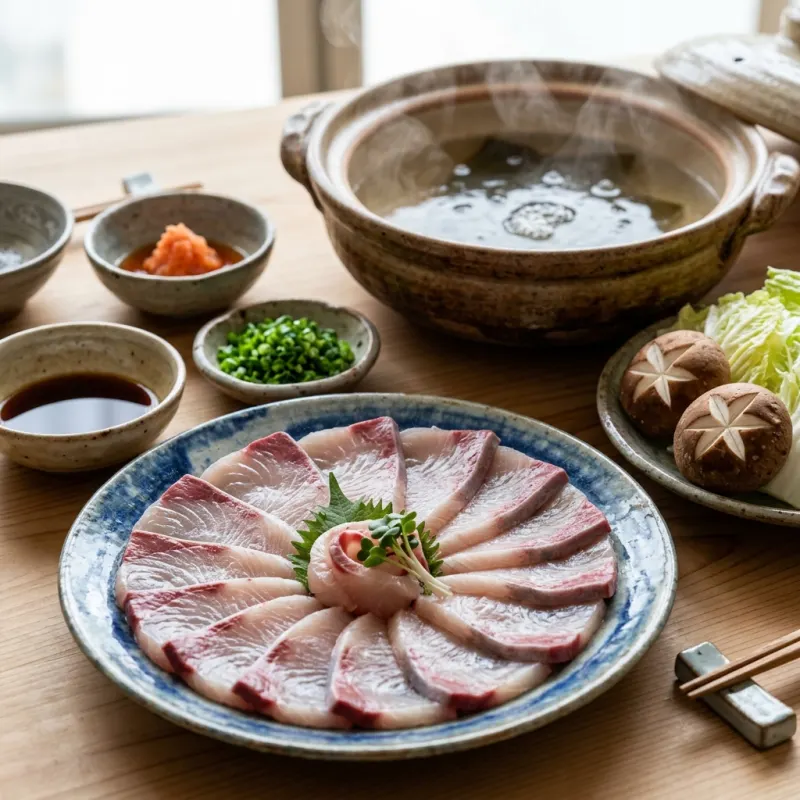
Discover cooking classes, tastings and local food tours
Logistics shouldn’t be the focus of your trip—the experience should. I’ve hand-vetted these essential partners to ensure your arrival, stay, and exploration are as smooth as an Athenian breeze.

Compare accommodation options and choose a stay that suits your plans and budget.
Connect with local guides for personalized help planning and exploring.
The “Engineer’s” rule: always have a backup. Secure your trip with a plan that covers every “what if” and unexpected change.
Don’t let paperwork slow you down. Get expert assistance with your application to ensure all your entry documents are in order.
Check out our related articles and blog posts to learn even more about the destination.
Share with your friends and family
