Disclosure: This site contains affiliate links. We may earn a commission if you make a purchase, at no extra cost to you.
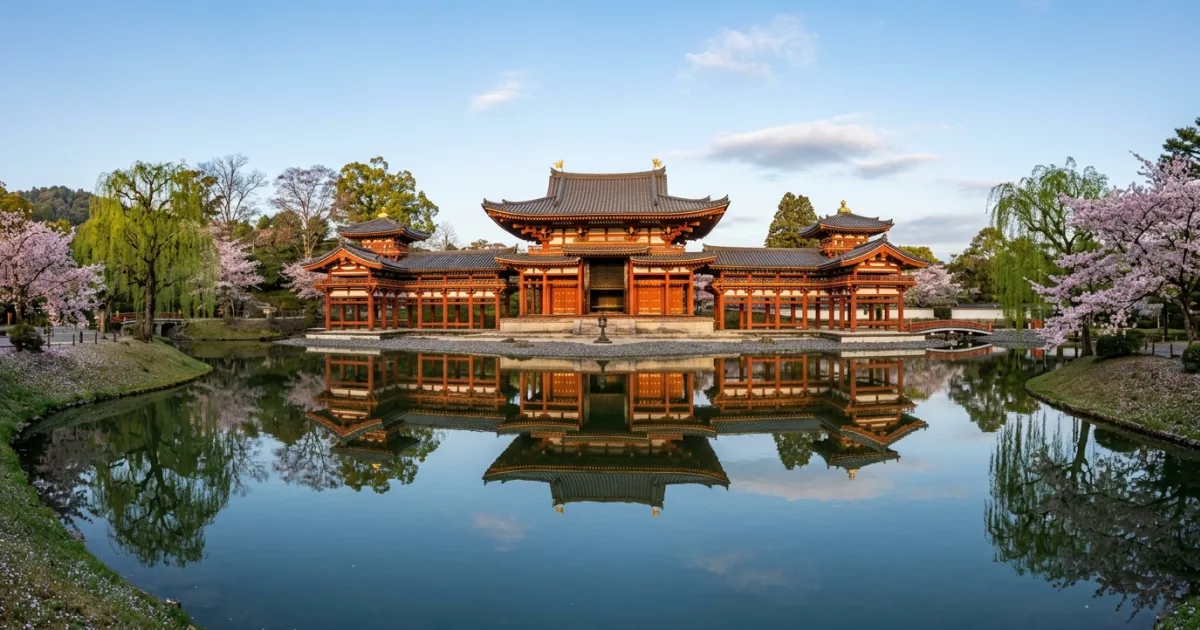
Symmetrical view of Byodoin Temple Phoenix Hall reflected in the pond during spring in Uji, Japan.

Basic Info

COUNTRY & Region

Japan,
Asia

ACCESSIBILITY LEVEL​

  • High: Widely accessible with good facilities for disabilities.
  • Medium: Some accessible options, but limitations exist.
  • Low: Limited accessibility; many barriers for disabilities.
Medium

LOCAL CURRENCY​

Japanese Yen (JPY)

Price Level

Low – budget‑friendly basics

Medium – moderate mid‑range costs

High – pricey lodging, dining & transport

Medium

SAFETY LEVEL

5 shields = Excellent – very low crime or conflict.

4 shields = Safe – low risk, routine care.

3 shields = Relatively safe – use normal street smarts.

2 shields = Use caution – higher crime or periodic unrest.

1 shields = Avoid – active conflict or extreme danger.

Scores are derived from multi-year peace, homicide and security indices blended into a single 1-to-5 scale.

Recommended Duration

Full day, 1-7 days

Uji Overview & Key Highlights

Uji is an ancient cultural center situated along the emerald waters of the Uji River in southern Kyoto Prefecture. Renowned globally as the cradle of Japanese green tea cultivation, the town harmoniously blends legendary literary history with tranquil Buddhist architecture. Travelers wander through historic avenues flanked by centuries-old tea merchants, crossing wooden footbridges that evoke scenes from the world's first novel, The Tale of Genji. The town's crowning architectural treasure, Byodoin Temple, reflects its Phoenix Hall across an idyllic pond, capturing the timeless spirit of Heian-period elegance. Beyond its sacred temples, Uji offers a relaxing alternative to the dense crowds of metropolitan Kyoto while remaining only a brief train ride away. Visitors can engage in hands-on tea grinding workshops, sample authentic matcha gastronomy ranging from savory tea-infused noodles to exquisite parfaits, and hike along forested riverbanks. The gentle pace of life, coupled with immaculately maintained heritage paths, makes Uji a premier cultural day trip or multi-day retreat for connoisseurs of history, quiet aesthetics, and culinary craftsmanship.

Uji Travel Guide: Logistics & In-Depth Tips

Uji sits nestled in the lush river basin of southern Kyoto Prefecture, bridging the gap between sacred imperial history and world-class culinary crafts. Established as an aristocratic countryside getaway during the Heian period (794–1185), the town allowed nobles to escape court politics and contemplate Buddhist teachings in pastoral seclusion. The Uji River, descending directly from Lake Biwa, provided reliable transportation and fostered a microclimate characterized by gentle river mists and mineral-rich soil, creating ideal conditions for cultivating high-grade green tea.

Today, Uji is globally revered as the birthplace of modern Japanese tea production methods, such as the shaded-growth technique developed in the Edo era to produce rich gyokuro and ceremonial matcha. Strolling through the pedestrian-only Byodoin Omotesando street immerses travelers in aromas of roasting tea leaves, while monumental wooden bridges and stone lanterns evoke the romantic backdrop of The Tale of Genji. Uji provides an intimate, deeply reflective journey into classical Japanese culture that feels unhurried yet culturally dense.

Reasons to Visit

  • Byodoin Temple Phoenix Hall: Marvel at the magnificent 1053 CE Buddhist structure depicted on the Japanese 10-yen coin, featuring twin bronze phoenixes and original Heian murals.
  • Matcha Heritage & Tastings: Visit tea shops operating continuously for more than 400 years, including Tsuen Tea (founded in 1160 CE) and Mitsuboshien Kanbayashi Sannyu Honten.
  • Ujigami Shrine: Walk through Japan's oldest standing Shinto shrine building, recognized as a UNESCO World Heritage site dating back to around 1060 CE.
  • The Tale of Genji Museum: Dive into classical Japanese literature through atmospheric life-size dioramas, interactive exhibits, and model Heian carriages.
  • Picturesque River Walks: Cross the vermilion Asagiri Bridge and explore Nakanoshima island parks amid willow trees and tranquil mountain backdrops.

Things to Avoid

  • Avoid arriving after 17:00 expecting to sightsee; most major temples, tea rooms, and museums close their gates between 16:30 and 17:00.
  • Do not rush through Byodoin's exterior without purchasing the timed ticket to tour the interior of the Phoenix Hall, which houses the seated Amida Buddha masterpiece.
  • Avoid skipping reservations for historic high-end tea ceremonies during spring and autumn peak seasons, as slots fill quickly.
  • Do not bring wheeled luggage down the narrow cobbled Omotesando street during midday weekend foot traffic; store luggage in lockers at JR Uji Station.

Local Transportation Tips

Uji is exceptionally pedestrian-friendly, with nearly all major attractions situated within a 15- to 20-minute walk from either railway station. The town is served by two main stations: JR Uji Station (ideal for travelers holding a JR Pass arriving from Kyoto or Nara) and Keihan Uji Station (convenient for visitors coming from Gion, Fushimi Inari, or Osaka). Both stations sit on opposite sides of the Uji River, connected by the historic Uji Bridge. Local buses are available for destinations slightly farther afield, such as Mimurotoji Temple, but bicycle rentals from station kiosks are an even more popular alternative for exploring surrounding tea fields.

Travel Etiquette

  • Remove your shoes when stepping onto tatami mat flooring in tea rooms and temple sanctuaries; ensure you are wearing clean socks without holes.
  • Turn off camera flashes inside temple interior halls and strictly observe photography bans where signs designate sacred statues and paintings.
  • Consume matcha ice cream or snacks adjacent to the vendor's stall rather than walking through temple grounds while eating.
  • Bow politely upon receiving tea or entering traditional workshops to reciprocate the host's hospitality.

Recommended Age Group

Uji offers a welcoming cultural landscape, though its serene historic ambiance and educational heritage appeal most strongly to mature travelers and independent sightseers.

  • Babies (0-2 years): Neutral. Cobblestone sections and temple thresholds can complicate stroller usage, but peaceful riverbanks provide relaxing walks.
  • Kids (3-12 years): Neutral. While matcha ice cream and boat rides along the river are enjoyable, quiet temple grounds and literary museums require careful supervision.
  • Teens (13-19 years): Recommended. Appealing photography backdrops, iconic anime settings (such as 'Sound! Euphonium'), and trendy matcha desserts resonate well with teenagers.
  • Adults (20-64 years): Recommended. Perfect balance of world-class gastronomic tea experiences, UNESCO heritage sites, and scenic walking trails.
  • Seniors (65+ years): Recommended. Flat riverfront paths, easy train connectivity from Kyoto, accessible gardens, and rich historical significance make Uji a comfortable, rewarding destination.

Accessibility Level: Medium

  • Byodoin Temple: Flat crushed-gravel pathways encircle the central pond, and an elevator provides smooth access to the modern underground Hoshokan Museum.
  • Station Logistics: Both JR Uji and Keihan Uji stations are equipped with elevators, tactile paving, and barrier-free restrooms.
  • Riverwalk Trails: The promenades along both banks of the Uji River are predominantly paved and step-free, suitable for wheelchair users and mobility equipment.
  • Historic Shrines: Ujigami Shrine has slight stone inclines and gravel pathways that may require minor assistance for manual wheelchair users.

Did You Know?

The Phoenix Hall of Byodoin Temple is so architecturally iconic in Japanese heritage that its image appears on the everyday 10-yen coin, while the bronze phoenix perched on its roof adorns the back of the 10,000-yen banknote.

Cool Statistics

  • 1053 CE: The founding year of Byodoin Temple's Phoenix Hall, surviving pristine across nine centuries of fires and wars.
  • 1160 CE: The founding year of Tsuen Tea near Uji Bridge, officially acknowledged as one of the world's oldest continuously operating businesses.
  • 10: The number of closing chapters of 'The Tale of Genji' set specifically along the banks of the Uji River.

Address:

Uji, Japan

Find Nearby Accommodations

Electricity

100-110V, 
60Hz

Plug Type

Type A (Flat blade), Type B (Flat blade with grounding pin)
Plug types
Click To View Plug Types
Uji is part of our
Accessible Travel collection

Activities To Do In Uji

Best Time To Visit Uji

Uji is a rewarding year-round destination, but distinct seasons offer varied charms.

  • Spring (Late March to May): Cherry blossoms frame the Uji River banks, and the annual shincha (first tea harvest) arrives in early May.
  • Autumn (October to November): Surrounding hillsides burst into vivid crimson and gold maple foliage, best viewed from Koshoji Temple.
  • Summer (June to August): Lush greenery surrounds tea fields, and traditional ukai (cormorant fishing) takes place nightly along the river.
  • Winter (December to February): Quietest period with minimal crowds and crisp, photogenic views of Byodoin under dusting snow.

Average Temperatures Per Month

Average monthly temperaturesMonthly source values, with Celsius and Fahrenheit equivalents in the following data table.-5°23°5°41°15°59°25°77°35°95°JanJan: 4°C / 39°FFebFeb: 5°C / 41°FMarMar: 9°C / 48°FAprApr: 13°C / 55°FMayMay: 18°C / 64°FJunJun: 22°C / 72°FJulJul: 26°C / 79°FAugAug: 28°C / 82°FSepSep: 25°C / 77°FOctOct: 17°C / 63°FNovNov: 12°C / 54°FDecDec: 6°C / 43°F
View temperature data
Average monthly temperatures
Month°C°F
Jan439
Feb541
Mar948
Apr1355
May1864
Jun2272
Jul2679
Aug2882
Sep2577
Oct1763
Nov1254
Dec643

Remember to check the weather forecast a few days before the trip and before heading to the airport.

Safety Level

5 shields = Excellent – very low crime or conflict.

4 shields = Safe – low risk, routine care.

3 shields = Relatively safe – use normal street smarts.

2 shields = Use caution – higher crime or periodic unrest.

1 shields = Avoid – active conflict or extreme danger.

Scores are derived from multi-year peace, homicide and security indices blended into a single 1-to-5 scale.

Uji ranks among the safest travel destinations in Japan with virtually nonexistent violent crime. Exercise standard riverbank caution during high water levels after summer typhoons. Watch out for occasional cyclists on narrow traditional shopping lanes near Omotesando.

The rating is based on multi-year peace, crime, and security indices. Before you go, always verify current conditions through official government travel advisories.

Emergency Numbers

Police: 110
Ambulance: 119

No internet needed • Includes local translations • Free for TravelingWiz readers

Spoken Languages

Japanese (Standard and Kansai dialect); basic English signage is widely available throughout major tourist sites and transit hubs.
Travel Booking Partner - TravelingWiz

Learn The Language

  • Konnichiwa – Hello
  • Arigatou gozaimasu – Thank you very much
  • Sumimasen – Excuse me / Sorry
  • Kore wa ikura desu ka? – How much is this?
  • O-cha o kudasai – Green tea, please
  • Eigo ga hanasemasu ka? – Do you speak English?
  • Toire wa doko desu ka? – Where is the restroom?
  • Oishii desu – It is delicious

Trip Cost & Budgeting for Uji, 2026

Everything you need to know about money while traveling
Is Uji expensive for tourists in 2026? No, Uji remains a moderately priced destination offering fantastic value, especially for tea enthusiasts and cultural travelers. For daily essentials, expect to pay around 500 JPY for a coffee or matcha latte, 600 JPY for a pint of draft beer, and 1,800 JPY for a quality mid-range meal. Our Human Verified prices ensure realistic budgeting. Use the data table below to calculate your specific daily budget based on your travel style.

LOCAL CURRENCY​:

Japanese Yen (JPY)

Price Level:

Low – budget‑friendly basics

Medium – moderate mid‑range costs

High – pricey lodging, dining & transport

Medium

Cards Vs. Cash

Major shops accept cards, but historic tea houses, temple admissions, and street stalls require Japanese yen cash.

How Much Cash to Carry (on you)

Per person, per day – pocket cash for small purchases.

Local: 4000
Japanese Yen (JPY)
≈ 25 USD

Average Daily Costs (per person)

Full daily spend estimation (accommodation, food, transportation, attractions).

Travel Style
Japanese Yen (JPY)
≈ USD ($)
Budget
9450
59
Mid-range
17200
108
Comfort
37850
238
Note

The Prices, Daily costs, and calculator results are estimates for planning purposes only. Actual costs may vary based on season, booking timing, personal spending habits, and currency fluctuations. TravelingWiz cannot be held responsible for discrepancies between these estimates and your final trip expenses.

Best Value Tips

  • • Tap an IC card like ICOCA or Suica on the JR Nara and Keihan lines to avoid paper ticket fees when arriving from Kyoto or Osaka.
  • • Explore Ujigami Shrine, Tonoshima Island, and the historic Uji Bridge without paying any admission fees.
  • • Order matcha cha-soba set lunches between 11:30 and 14:00, which cost substantially less than evening dinner menus.
  • • Purchase authentic loose-leaf green tea directly from traditional multi-generational merchants on Byodoin Omotesando rather than souvenir outlets.

Tours & Tickets

Explore tours, attractions, and ticket options to plan your visit.
Plan ahead

Travel Offers & Coupons

Browse travel offers and coupons from our affiliate partners.
Affiliate partner offers

What To Pack

  • Slip-on comfortable walking shoes for easy removal at temple halls and shrines.
  • Compact travel umbrella or lightweight rain jacket for humid summer showers.
  • Breathable layers in spring and autumn to accommodate shifting riverside temperatures.
  • Pocket Wi-Fi device or Japanese eSIM to navigate walking trails and train timetables.
  • Coin purse for temple entrance fees, vending machines, and traditional tea stalls.
Only the good stuff!
Browse recommended travel gear
Check out our free packing list tool

Recommended Itineraries for Traveling to Uji

Take your itinerary with you

Choose a ready-made itinerary, plan your own trip, and keep TravelingWiz by your side while you travel.

Get the TravelingWiz app

Food & Drink Highlights

Local Food Overview

Uji's culinary identity revolves entirely around its legendary green tea, which has been cultivated on local hillsides since the 13th century. From savoring traditional ceremonial Usucha whisked in historic tearooms to indulging in multi-layered matcha sundaes, tea is integrated into every meal. The local specialty is Cha Soba, buckwheat noodles kneaded with freshly stone-ground Uji matcha, served cold with dipping sauce or in hot dashi broth. Savory tea dishes also include green tea gyoza, matcha tempura salt, and tea-infused rice porridge (chagayu). Sweet lovers will appreciate freshly pounded cha-dango (skewered tea dumplings) and matcha soft-serve ice cream dusted with dark roasted hojicha powder.

Must Try Dish

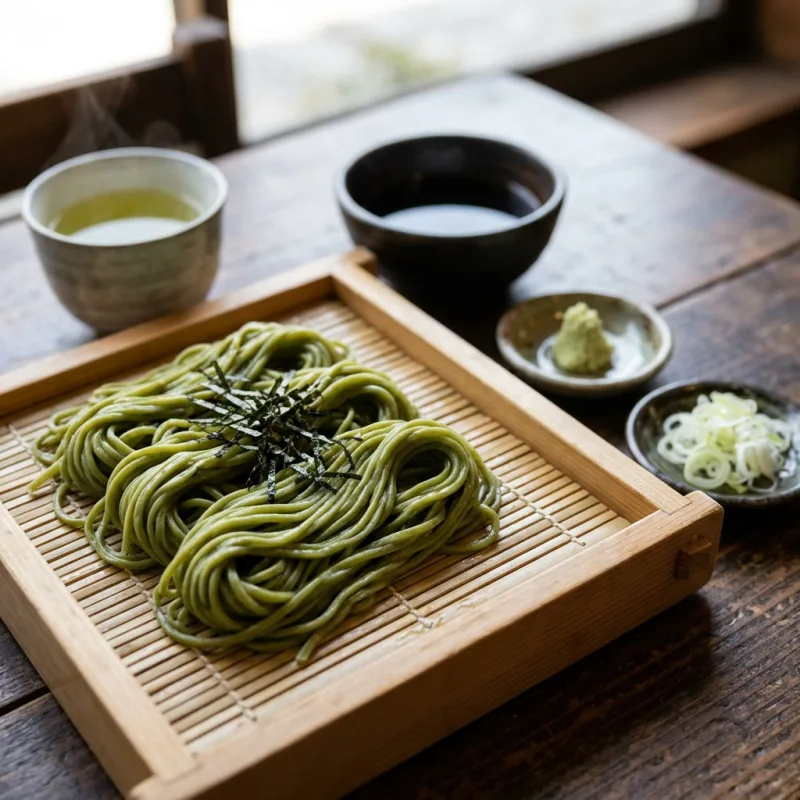
Cha Soba - Buckwheat noodles kneaded with vibrant green Uji matcha powder, served chilled on a bamboo mat with a delicate tsuyu dipping sauce, wasabi, and scallions. This dish perfectly balances the earthy bitterness of stone-ground green tea with the savory umami of traditional dashi broth.
Chilled emerald green Cha Soba noodles served on a traditional bamboo mat with tsuyu dipping broth and green tea.

Maya’s Final Checklist for Uji

Logistics shouldn’t be the focus of your trip—the experience should. I’ve hand-vetted these essential partners to ensure your arrival, stay, and exploration are as smooth as an Athenian breeze.

Maya, the human travel expert at TravelingWiz, offering curated, non-AI expertise

Where to Stay

Compare accommodation options and choose a stay that suits your plans and budget.

Air Travel

Compare flight options and find a route that fits your plans.

Local Guides

Connect with local guides for personalized help planning and exploring.

Travel Protection

The “Engineer’s” rule: always have a backup. Secure your trip with a plan that covers every “what if” and unexpected change.

Car Rentals

Compare rental options and choose a car that suits your trip.

Visa Information

Don’t let paperwork slow you down. Get expert assistance with your application to ensure all your entry documents are in order.

FAQs

Take the JR Nara Line from Kyoto Station directly to JR Uji Station, which takes approximately 17 to 25 minutes via rapid or local train and is fully covered by the Japan Rail Pass. Alternatively, the Keihan Uji Line connects to northern and central Kyoto.
Yes, Byodoin Temple features flat, paved pathways around the main garden pond and ramped access to the Hoshokan Museum treasure house, making it broadly accessible.
Yes, visitors can reserve a traditional tea ceremony experience at Taiho-an, the municipal public tea house located right next to the Uji River, where seasonal sweets and freshly whisked matcha are served.
The final ten chapters of Murasaki Shikibu’s classic 11th-century novel, known as the ‘Uji Chapters’, are set entirely in Uji. Statues, monuments, and a dedicated Tale of Genji Museum commemorate these literary works throughout the town.

Your Insights Matter

TravelingWiz grows through the stories of our community. If you’ve recently explored ,Uji share your tips and stories to help us perfect our guides for the next traveler.

Where should we send your offline card?

We hate spam just as much as you do

newsletter_consent *