Disclosure: This site contains affiliate links. We may earn a commission if you make a purchase, at no extra cost to you.

>
>
>
>
>
Nachikatsuura

Nachikatsuura

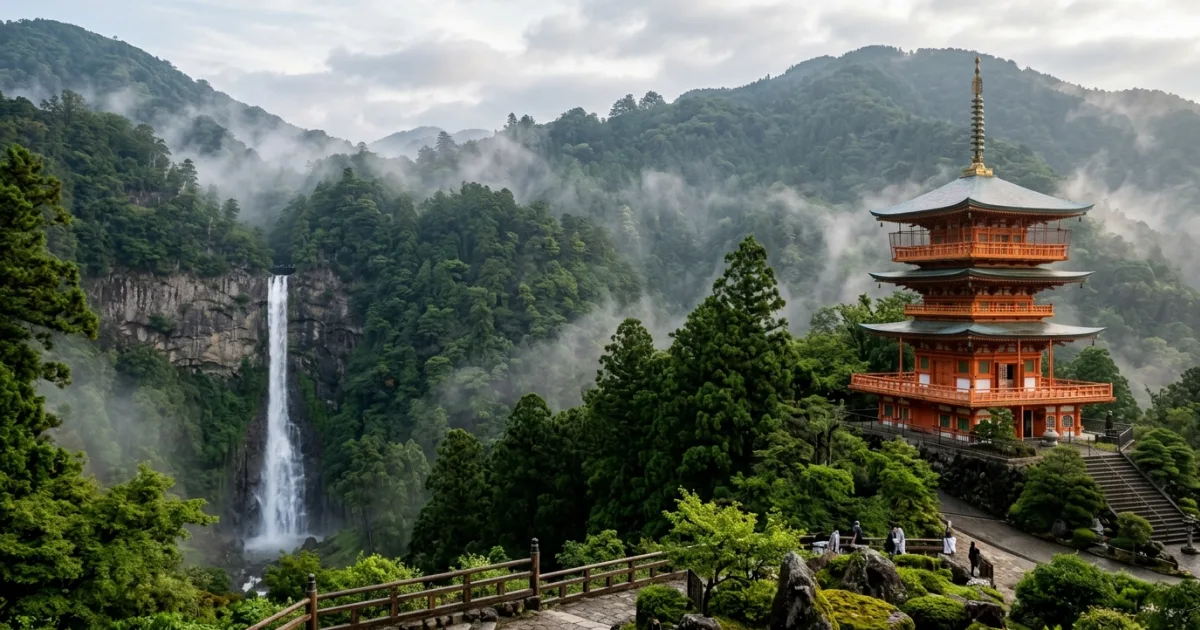
Seiganto-ji pagoda and Nachi Falls surrounded by misty mountains in Nachikatsuura Japan

Nachikatsuura Overview & Key Highlights

Nachikatsuura is a historic coastal onsen settlement situated on the southeastern coast of Wakayama Prefecture along the Kii Peninsula. Renowned as the primary southern access point to the UNESCO World Heritage Kumano Kodo pilgrimage trails, the town hosts Kumano Nachi Taisha and Nachi Falls, Japan's tallest single-tier uninterrupted waterfall at 133 meters. Beyond its sacred spiritual geography, the settlement operates the country's most prolific port for fresh, non-frozen bluefin and bigeye tuna catches. Visitors navigate ancient cedar groves over centuries-old cobblestone trails, experience natural sulfur hot springs carved directly into Pacific Ocean sea caves, and dine on raw marine delicacies at the central fish auction wharves.

Nachikatsuura Travel Guide: Logistics & In-Depth Tips

Nachikatsuura occupies an enviable position on the jagged coast of Wakayama Prefecture, where the emerald ridge of the Kii Mountain Range plunges directly into the Pacific Ocean. The town historically emerged at the convergence of spiritual devotion and maritime trade. Pilgrims have walked through its valleys for over a millennium along the UNESCO-designated Kumano Kodo routes to reach Kumano Nachi Taisha, one of the three grand Kumano Sanzan shrines. Anchoring the spiritual horizon is Nachi Falls, an object of indigenous nature worship (shintai) that tumbles 133 meters across a sheer volcanic cliff.

Complementing its sacred geography is Nachikatsuura's thriving fishing economy. The sheltered natural bay allows deep-sea tuna longliners to offload immense quantities of non-frozen tuna directly onto refrigerated bidding floors at dawn. Natural thermal activity permeates the bedrock, feeding unique coastal hot springs such as the famous Bokido cave bath, where bathers relax within cavernous openings facing breaking ocean swells. This blend of primal nature, restorative waters, and deep-rooted Shinto-Buddhist heritage renders the town one of Western Japan's most rewarding rural sanctuaries.

Reasons to Visit

  • Marvel at the 133-meter Nachi Falls paired with the vibrant three-story pagoda of Seiganto-ji temple.
  • Hike the historic Daimon-zaka path beneath 800-year-old Meoto Sugi cedar trees along the ancient Kumano Kodo trail.
  • Taste non-frozen, line-caught sashimi at the harborfront Katsuura Tuna Auction Market.
  • Bathe in coastal geothermal cave onsens with unobstructed vistas over the open Pacific Ocean.
  • Experience a peaceful, unhurried town atmosphere removed from the heavy crowds of Tokyo and Kyoto.

Things to Avoid

  • Do not wear smooth-soled street shoes on the Daimon-zaka stairs, as damp moss makes the cobblestones slick.
  • Avoid arriving late in the afternoon expecting dinner without a reservation, as independent rural restaurants often close early.
  • Do not photograph temple or shrine interiors where signs strictly prohibit cameras.
  • Avoid skipping cash withdrawal prior to leaving major train transit hubs, as remote valley vendors operate cash-only registers.

Local Transportation Tips

JR Kii-Katsuura Station acts as the regional transit nexus, connecting to the JR Kinokuni Line. Within town, Kumano Gobo Nankai buses run regular service every 30 to 60 minutes linking Kii-Katsuura Station to Daimon-zaka, Kumano Nachi Taisha, and Nachi Falls. For harbor transit, small passenger ferry boats shuttle guests across the bay between the central pier and island-based onsen properties like Hotel Urashima and Hotel Nakanoshima. Rental bicycles and taxis are available outside the main station exit.

Travel Etiquette

  • Wash thoroughly with soap and water at the seated shower stations before stepping into any hot spring communal pool.
  • Keep towels out of the onsen bathwater; balance them on your head or place them along the edge of the tub.
  • Bow lightly and avoid walking down the exact center of Shinto torii gates or shrine paths, which is reserved for the deities.
  • Sort all trash meticulously into marked recyclables bins, as public street bins are rare throughout Japan.

Recommended Age Group

Nachikatsuura offers serene natural and spiritual discoveries, though its steep terrain influences accessibility across various age categories.

  • Babies (0-2 years): Neutral. Cobblestone trails and shrine staircases are impassable with standard strollers, necessitating front baby carriers.
  • Kids (3-12 years): Neutral. Children enjoy the harbor boat rides and waterfall vistas, but the hundreds of uneven stone steps require stamina.
  • Teens (13-19 years): Recommended. Excellent destination for active youths interested in physical trail hiking, cultural mythology, and sampling authentic street-level seafood.
  • Adults (20-64 years): Recommended. Perfect balance of world-class pilgrimage hiking, seaside onsen relaxation, photography, and gastronomic depth.
  • Seniors (65+ years): Neutral. While coastal onsen hotels and transit shuttles are comfortable, the physical climb up Kumano Nachi Taisha demands good knee stability and mobility.

Accessibility Level: Medium

  • Kii-Katsuura Station features elevator access and step-free platforms for arriving rail passengers.
  • The traditional Daimon-zaka cobblestone trail consists entirely of irregular stone stairs and is not wheelchair accessible.
  • A designated upper parking lot near Kumano Nachi Taisha allows vehicle and taxi drop-offs, significantly reducing the stairs required to view the shrine and pagoda.
  • Hirou Shrine offers a partially paved, ramp-assisted viewpoint path down toward the spray base of Nachi Falls.

Did You Know?

Nachi Falls is not merely an attraction adjacent to a shrine; the waterfall itself is formally revered as the Shinto deity (shintai) of Hirou Shrine, an auxiliary sanctuary of Kumano Nachi Taisha that operates without a traditional main worship hall.

Cool Statistics

  • 133 meters: The height of Nachi Falls, making it the tallest single-tier uninterrupted waterfall in Japan.
  • 1 ton: The approximate daily volume of fresh, unfrozen tuna traded across Katsuura's auction docks during peak season.
  • 800 years: The estimated age of the Meoto Sugi (Married Cedars) guarding the entrance to the Daimon-zaka pilgrimage stone steps.


Address:

Nachikatsuura, Japan

Find Nearby Accommodations

Basic Info

address icon

COUNTRY & Region

Japan,
Asia

ACCESSIBILITY LEVEL​

Medium
Currency icon

LOCAL CURRENCY​

Japanese Yen (JPY)
Price level icon
Medium
Safety Level icon

SAFETY LEVEL

Duration icon

Recommended Duration

• 1-7 days
• Overnight

Electricity

electricity icon

Electricity

100-110V, 
60Hz
Plug Socket icon

Plug Type

• Type A (Flat blade)
• Type B (Flat blade with grounding pin)
Plug types
Click To View Plug Types
Nachikatsuura is part of our
Slow Travel & Nature collection

Activities To Do In Nachikatsuura

Best Time To Visit Nachikatsuura

Nachikatsuura maintains a temperate subtropical marine climate with clear seasonal variations, making spring and autumn optimal for hiking and sightseeing.

  • March to May: Mild spring temperatures averaging 15°C to 20°C, clear skies, and blooming mountain foliage make this the peak window for traversing the Kumano Kodo trails.
  • June to August: Hot, humid summers with regular rainfall; ideal for coastal onsen retreats and viewing Nachi Falls at peak water volume following seasonal rains.
  • September to November: Autumn brings crisp mountain air, falling leaves around Seiganto-ji pagoda, and the start of the prime winter tuna fishing season.
  • December to February: Mild coastal winters with minimal snow at sea level, providing crowd-free temple visits and comfortable oceanfront hot spring soaking.

Average Temperatures Per Month

Remember to check the weather forecast a few days before the trip and before heading to the airport.

Safety Level icon

Safety Level

Nachikatsuura is an exceptionally peaceful and low-crime coastal town. The primary safety concern centers on physical terrain: Daimon-zaka stone steps become treacherous when wet, requiring careful footing and proper footwear. Additionally, review coastal evacuation signs for tsunami safety routes, as the town lies directly on the Pacific coastline.

The rating is based on multi-year peace, crime, and security indices. Before you go, always verify current conditions through official government travel advisories.

Emergency Numbers

Police: 110
Ambulance: 119

No internet needed • Includes local translations • Free for TravelingWiz readers

Spoken Languages

Japanese (standard and Kishu dialect); basic English signage available at primary transit points and tourist centers.

Learn The Language

  • Konnichiwa – Hello
  • Arigatou gozaimasu – Thank you very much
  • Sumimasen – Excuse me / Sorry
  • Kore wa ikura desu ka? – How much is this?
  • Eigo ga hanasemasu ka? – Do you speak English?
  • Toire wa doko desu ka? – Where is the restroom?
  • O-kaikei o onegaishimasu – The check, please
  • Tasukete kudasai – Please help me
Travel Booking Partner - TravelingWiz

Trip Cost & Budgeting for Nachikatsuura, 2026

Everything you need to know about money while traveling
Is Nachikatsuura expensive for tourists in 2026? Nachikatsuura offers moderate prices for visitors exploring coastal Wakayama. Travelers can expect to pay around ¥400 for a coffee, ¥500 for a local draft beer, and ¥2,500 for a standard mid-range meal like a fresh tuna teishoku. Based on our Human Verified prices, a daily mid-range budget averages around ¥17,500 per person. Use the data table below to calculate your specific daily budget based on your travel style.
Currency icon

LOCAL CURRENCY​:

Japanese Yen (JPY)
Price level icon
Medium
Major hotels accept cards, but local buses, market stalls, and rural temple shrines require cash.

Per person, per day – pocket cash for small purchases.

Local: 1750
Japanese Yen (JPY)
≈ 35 USD

Full daily spend estimation (accommodation, food, transportation, attractions).

Travel Style
Japanese Yen (JPY)
≈ USD ($)
Budget
9650
55
Mid-range
17500
115
Comfort
38500
230

The Prices, Daily costs, and calculator results are estimates for planning purposes only. Actual costs may vary based on season, booking timing, personal spending habits, and currency fluctuations. TravelingWiz cannot be held responsible for discrepancies between these estimates and your final trip expenses.

  • Purchase a Kumano Gobo Nankai Bus pass to save on frequent trips between Katsuura Station and Nachi Falls.
  • Visit the Katsuura Morning Market for high-quality, budget-friendly fresh tuna bowls rather than sitting down at high-end restaurants.
  • Buy a local IC card or day pass for regional transit to avoid needing exact change on rural bus lines.
  • Stay at traditional guesthouses or ryokan with included dinner and breakfast packages to maximize food value.

Pre-Order Tickets

Avoid disappointment when tickets sell out — and skip the long lines by booking online in advance. You’ll often save up to 20% too.
Save up to 20%

Travel Discounts & Coupons

Save on hotels, attractions, transport, and gear — find verified discounts for smarter travel spending.
Verified Coupons

What To Pack

  • Sturdy hiking boots with non-slip tread for navigating the slick, moss-covered cobblestone steps of Daimon-zaka.
  • Modest, easily removable footwear and socks for visiting Kumano Nachi Taisha and Seiganto-ji temples.
  • A modest hand towel (tenugui) for traditional hot spring visits, as many outdoor baths require modest covering or private rentals.
  • Waterproof rain shell or compact umbrella, as the mountainous coastal range experiences heavy localized precipitation.
  • Sufficient Japanese Yen banknotes, as small mountain stalls, shrine shops, and local seafood stands rarely process electronic cards.
We couldn't find tips for Nachikatsuura.
If you got any, please share

Recommended Itineraries for Traveling to Nachikatsuura

We couldn't find itineraries for Nachikatsuura.
you can contact us for custom trip plan

Food & Drink Highlights

Local Food Overview

Nachikatsuura's culinary identity is anchored in the Pacific Ocean's Kuroshio Current, serving as Japan's premier harbor for raw, line-caught tuna that is chilled on ice rather than frozen at sea. The local cuisine centers on maguro served in dozens of preparations, ranging from lean akami to melt-in-the-mouth otoro belly meat. Beyond marine harvest, the surrounding Kishu mountains supply preserved umeboshi (pickled plums), citrus fruits such as sanbokan and mikan, and mehari-zushi—seasoned rice balls encased in pickled mustard green leaves.
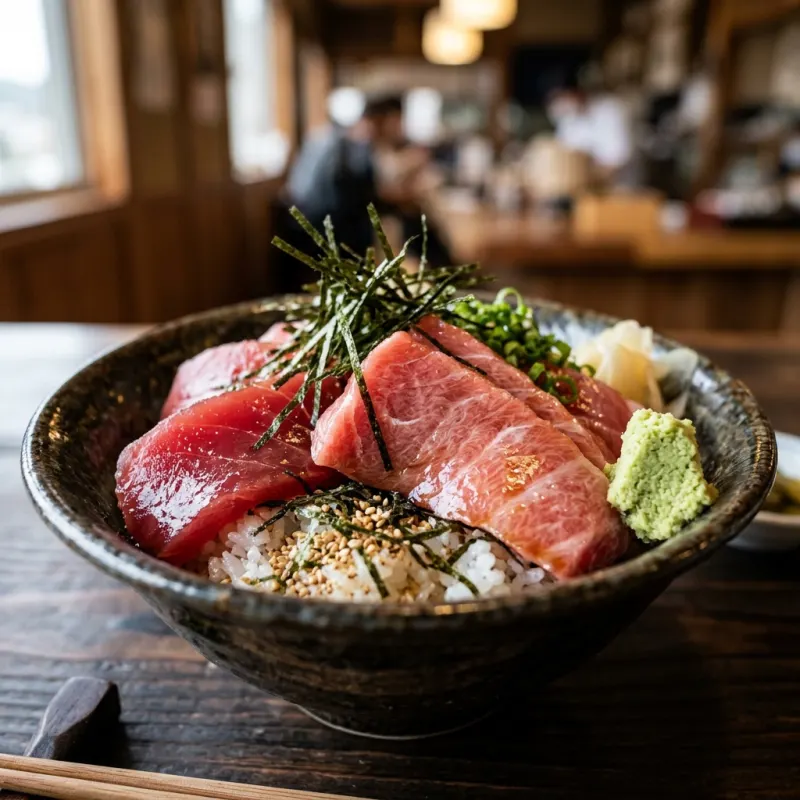
Authentic Japanese Maguro Don tuna rice bowl in Nachikatsuura

Must Try Dish

Katsuura Fresh Maguro Donburi - This iconic local bowl features thick slices of line-caught, raw Pacific tuna served over warm vinegared rice. The fish is prized for its firm texture and deep umami profile, finished with freshly grated wasabi and local soy sauce.
Food Experiences Title Icon

Food
Experiences

Discover cooking classes, tastings and local food tours

No food experience found
Maya, the human travel expert at TravelingWiz, offering curated, non-AI expertise

Maya’s Final Checklist for Nachikatsuura

Logistics shouldn’t be the focus of your trip—the experience should. I’ve hand-vetted these essential partners to ensure your arrival, stay, and exploration are as smooth as an Athenian breeze.

Where to Stay

From boutique hotels to local apartments—compare thousands of options and find the perfect stay in the best neighborhood.

Air Travel

Getting there should be seamless. Compare the best routes and prices across top airlines to start your journey on the right note.

Local Guides

Connect with experts who know the destination best. Get personalized advice and insider tips to help you plan your perfect trip.

Travel Protection

The “Engineer’s” rule: always have a backup. Secure your trip with a plan that covers every “what if” and unexpected change.

Car Rentals

Explore at your own pace with total freedom. Compare reliable rental options and find the right vehicle for your adventure.

Visa Services

Don’t let paperwork slow you down. Get expert assistance with your application to ensure all your entry documents are in order.

FAQs

From Osaka, board the JR Kuroshio Limited Express directly to JR Kii-Katsuura Station, taking approximately 3.5 to 4 hours. From Tokyo, take the Tokaido Shinkansen to Nagoya, transfer to the JR Nanki Limited Express to Kii-Katsuura, or fly into Nanki-Shirahama Airport and continue by coastal train or bus.
Policies vary by facility. Major resort complexes like Hotel Urashima occasionally require waterproof cover patches, while smaller ryokans and public footbaths (ashiyu) around the harbor permit tattoos or offer private reservable bath (kashikiri) options.
The Daimon-zaka cobblestone approach is roughly 600 meters long, ascending 267 stone steps under ancient cedar canopies. It takes approximately 30 to 45 minutes of steady walking to reach the Kumano Nachi Taisha shrine precinct.

Your Insights Matter

TravelingWiz grows through the stories of our community. If you’ve recently explored ,Nachikatsuura share your tips and stories to help us perfect our guides for the next traveler.

Related Articles

Check out our related articles and blog posts to learn even more about the destination.

No related articles found

Don’t Travel Alone

Share with your friends and family

Where should we send your offline card?

We hate spam just as much as you do

newsletter_consent *