Disclosure: This site contains affiliate links. We may earn a commission if you make a purchase, at no extra cost to you.

>
>
>
>
>
Naoshima
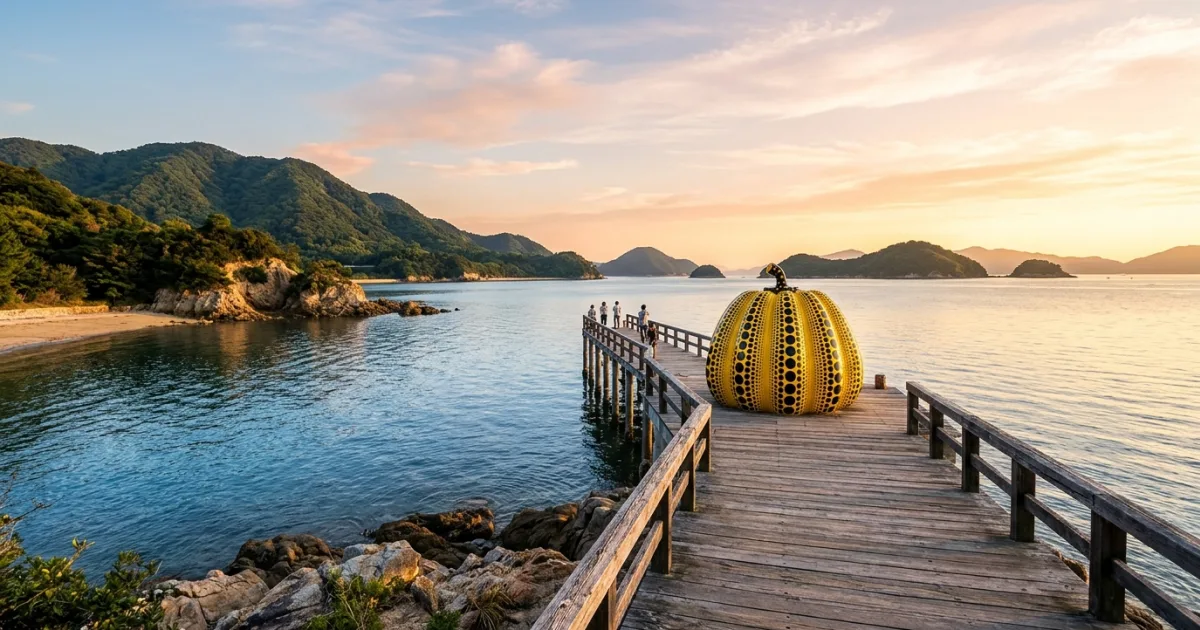
Yayoi Kusama's iconic yellow pumpkin sculpture on a pier overlooking the sea in Naoshima, Japan

Naoshima Overview & Key Highlights

Naoshima is Japan's premier contemporary art island, situated within the tranquil waters of the Seto Inland Sea in Kagawa Prefecture. Once a quiet fishing community, the island underwent an extraordinary cultural renaissance spearheaded by the Benesse Corporation and renowned architect Tadao Ando. Today, subterranean museums, historic fishing hamlets revitalized through the Art House Project, and outdoor sculptures—including Yayoi Kusama's iconic spotted pumpkins—stand seamlessly integrated into the natural coastal scenery. Navigating the island typically involves renting electric bicycles or using the local community bus, allowing travelers to move easily between the port settlements of Miyanoura and Honmura and the southern Benesse art precinct. World-class institutions like the Chichu Art Museum, constructed mostly underground to preserve the coastal horizon, showcase masterworks by Claude Monet, James Turrell, and Walter De Maria under natural illumination. Visitors will encounter a serene synthesis of avant-garde architecture, maritime tranquility, and preserved village life.

Naoshima Travel Guide: Logistics & In-Depth Tips

Naoshima sits nestled in the Seto Inland Sea, functioning as the nucleus of the Benesse Art Site Setouchi project. Originally an industrialized island grappling with depopulation, it was revitalized through a collaborative vision between local government, Pritzker Prize-winning architect Tadao Ando, and Benesse Holdings. Concrete brutalist structures merge quietly into subterranean cliffs, framing dramatic views of tranquil waters dotted with pine-fringed islets.

The island is cleanly divided into distinct sectors: Miyanoura Port, where ferries dock alongside Yayoi Kusama’s Red Pumpkin and Sou Fujimoto’s Naoshima Pavilion; Honmura, a traditional port village hosting the Art House Project where historical residences are reborn as site-specific conceptual spaces; and the southern museum sector, home to Benesse House, the Lee Ufan Museum, and Chichu Art Museum. Traveling across Naoshima is as much an architectural pilgrimage as it is a peaceful retreat into rural Japan.

Reasons to Visit

  • Marvel at Tadao Ando's subterranean architecture at Chichu Art Museum, lit exclusively by natural sun.
  • Photograph Yayoi Kusama's iconic Yellow and Red Pumpkins positioned directly on maritime jetties.
  • Immerse yourself in Honmura's Art House Project, transforming centuries-old wooden homes into modern art installations.
  • Cycle along coastal cliffside routes overlooking the calm, island-strewn waters of the Seto Inland Sea.
  • Bathe inside I Love Yu (Naoshima Bath), a fully operational public sento designed by artist Shinro Ohtake.

Things to Avoid

  • Avoid arriving without reserving Chichu Art Museum tickets in advance, as same-day admissions are rarely available.
  • Do not take photographs inside Benesse museums or Art House interiors, where strict photography bans are enforced.
  • Avoid renting standard single-speed bicycles; the island has several steep hills where an electric-assist bicycle is necessary.
  • Do not rely entirely on cashless payment cards, as island buses, luggage lockers, and small Honmura noodle shops require Japanese Yen cash.
  • Avoid visiting on Mondays, when most museums, installations, and village cafes are closed (or Tuesday if Monday is a public holiday).

Local Transportation Tips

Transit on Naoshima is efficient and straightforward. Upon disembarking at Miyanoura Port, travelers can rent an electric-assist bicycle from shops across from the ferry terminal. A town-run community bus operates between Miyanoura Port and Tsutsuji-so via Honmura for a flat fare of 100 JPY (cash only). From Tsutsuji-so, a complimentary Benesse shuttle bus transports visitors into the private art museum zone where private rental bikes and general vehicles are restricted.

Travel Etiquette

  • Remove shoes promptly when stepping into designated museum rooms and Art House Project locations.
  • Observe strict quietude in subterranean gallery chambers to respect contemplation spaces.
  • Do not touch delicate art installations or sit on structural pedestals unless explicitly instructed.
  • Take all personal trash with you; public rubbish bins are scarce across the island.

Recommended Age Group

Naoshima appeals primarily to independent adult travelers, architecture enthusiasts, and mature explorers who appreciate quiet aesthetic reflection and walking.

  • Babies (0-2 years): Not Recommended. Many museum buildings have stairs, gravel paths, and quiet gallery restrictions that do not accommodate strollers or infant disturbances easily.
  • Kids (3-12 years): Neutral. Children may enjoy outdoor open-air sculptures like the pumpkins and cycling, but the major museums enforce whisper-only rules and strictly hands-off exhibits.
  • Teens (13-19 years): Recommended. Visually striking installations, coastal bike routes, and interactive spaces like the Naoshima Bath offer great appeal for curious teenagers.
  • Adults (20-64 years): Recommended. Perfect demographic for exploring avant-garde architecture, fine dining, contemporary art galleries, and relaxed seaside escapes.
  • Seniors (65+ years): Recommended. Smooth transit, community buses, and contemplative cultural spaces make it very comfortable, provided visitors can manage moderate walking.

Accessibility Level: Medium

  • Chichu Art Museum and Benesse House provide wheelchair-accessible routes and elevator access, though advance notification is advised.
  • The Honmura Art House Project sites are historic wooden residences with raised thresholds, narrow wooden doorways, and step-up entrances that are not wheelchair accessible.
  • Island town buses have step-up boarding entries, and cycling paths involve varying elevations.

Did You Know?

Chichu Art Museum was built entirely underground inside a hillside to avoid altering the pristine natural landscape and skyline of the Seto Inland Sea National Park, yet it features open skylights that rely entirely on natural sunlight to illuminate Claude Monet's Water Lilies.

Cool Statistics

  • Home to more than 20 prominent outdoor art sculptures and installations across its coastline.
  • Chichu Art Museum features 5 monumental paintings from Claude Monet's classic 'Water Lilies' series.
  • Over 800,000 international and domestic travelers visit Naoshima and its neighboring art islands annually.


Address:

Naoshima, Japan

Find Nearby Accommodations

Basic Info

address icon

COUNTRY & Region

Japan,
Asia

ACCESSIBILITY LEVEL​

Medium
Currency icon

LOCAL CURRENCY​

Japanese Yen (JPY)
Price level icon
Medium
Safety Level icon

SAFETY LEVEL

Duration icon

Recommended Duration

• Full day
• Overnight
• 1-7 days

Electricity

electricity icon

Electricity

100-110V, 
60Hz
Plug Socket icon

Plug Type

• Type A (Flat blade)
• Type B (Flat blade with grounding pin)
Plug types
Click To View Plug Types
Naoshima is part of our
Solo Female Friendly collection

Activities To Do In Naoshima

Best Time To Visit Naoshima

Naoshima enjoys a temperate maritime climate sheltered by Shikoku and Honshu, making it accessible throughout the year.

  • Spring (March to May): Mild temperatures, blooming wild cherry blossoms, and optimal cycling conditions.
  • Autumn (September to November): Crisp days with clear skies and calm seas, ideal for walking museum grounds.
  • Summer (June to August): Warm with vivid blue waters, though midsummer humidity requires hydration; coincides with the Setouchi Triennale festival season every third year.
  • Winter (December to February): Quietest period with minimal crowds, but keep in mind that coastal winds are chilly and several local cafes operate on seasonal hours.

Average Temperatures Per Month

Remember to check the weather forecast a few days before the trip and before heading to the airport.

Safety Level icon

Safety Level

Naoshima has a virtually non-existent crime rate, and violent crime is unheard of. Take care when riding bicycles downhill along winding coastal slopes between Tsutsuji-so and Chichu. Carry insect repellent during summer in wooded walking paths, and stay mindful of the strict ferry schedules back to Uno or Takamatsu to avoid getting stranded overnight.

The rating is based on multi-year peace, crime, and security indices. Before you go, always verify current conditions through official government travel advisories.

Emergency Numbers

Police: 110
Ambulance: 119

No internet needed • Includes local translations • Free for TravelingWiz readers

Spoken Languages

Japanese (limited English signage in museums and ports)

Learn The Language

  • Konnichiwa – Hello
  • Arigatou gozaimasu – Thank you very much
  • Sumimasen – Excuse me / Sorry
  • Kore wa ikura desu ka? – How much is this?
  • Eigo ga hanasemasu ka? – Can you speak English?
  • Toire wa doko desu ka? – Where is the restroom?
  • Kippu – Ticket
  • O-kaikei kudasai – Check, please
Travel Booking Partner - TravelingWiz

Trip Cost & Budgeting for Naoshima, 2026

Everything you need to know about money while traveling
Is Naoshima expensive for tourists in 2026? While museum admissions and island transport add up, Naoshima remains reasonably affordable overall. You can expect to pay around 500 yen for a coffee, 600 yen for a local beer, and 2,000 yen for a meal at a standard restaurant. Based on Human Verified prices, mid-range travelers can enjoy the island comfortably without overspending. Use the data table below to calculate your specific daily budget based on your travel style.
Currency icon

LOCAL CURRENCY​:

Japanese Yen (JPY)
Price level icon
Medium
Many small island cafes, bicycle rentals, and local buses only accept cash, so carry sufficient yen.

Per person, per day – pocket cash for small purchases.

Local: 2100
Japanese Yen (JPY)
≈ 50 USD

Full daily spend estimation (accommodation, food, transportation, attractions).

Travel Style
Japanese Yen (JPY)
≈ USD ($)
Budget
11550
60
Mid-range
21000
140
Comfort
46200
320

The Prices, Daily costs, and calculator results are estimates for planning purposes only. Actual costs may vary based on season, booking timing, personal spending habits, and currency fluctuations. TravelingWiz cannot be held responsible for discrepancies between these estimates and your final trip expenses.

  • • Rent an electric bicycle at Miyanoura Port to move around the island efficiently and avoid taxi costs.
  • • Reserve museum tickets online in advance to save on booking surcharges and guarantee entry times.
  • • Eat lunch at local noodle shops or pick up meals at convenience stores before taking the ferry over.
  • • Purchase a multi-site pass for the Art House Project in Honmura to visit several art installations at a discount.

Pre-Order Tickets

Avoid disappointment when tickets sell out — and skip the long lines by booking online in advance. You’ll often save up to 20% too.
Save up to 20%

Travel Discounts & Coupons

Save on hotels, attractions, transport, and gear — find verified discounts for smarter travel spending.
Verified Coupons

What To Pack

  • Slip-on walking shoes for frequent shoe removal at art installations and traditional venues
  • Pre-booked museum confirmation vouchers (Chichu Art Museum requires advance timed entry)
  • Light sun hat and UV sunglasses for open coastal cycling routes
  • Small coin purse for island buses, lockers, and vending machines
  • Compact portable power bank to keep mobile navigation and camera active
We couldn't find tips for Naoshima.
If you got any, please share

Recommended Itineraries for Traveling to Naoshima

We couldn't find itineraries for Naoshima.
you can contact us for custom trip plan

Food & Drink Highlights

Local Food Overview

Naoshima's culinary scene revolves around the bountiful catch of the Seto Inland Sea, complemented by Kagawa Prefecture's celebrated wheat noodle traditions. Local eateries serve exceptionally fresh sea bream (tai), yellowtail, and octopus alongside regional citrus condiments such as sudachi and yuzu. In the preserved village of Honmura, renovated wooden machiya houses host relaxed cafes offering seasonal curry, artisanal drip coffee, and Setouchi lemon tarts.
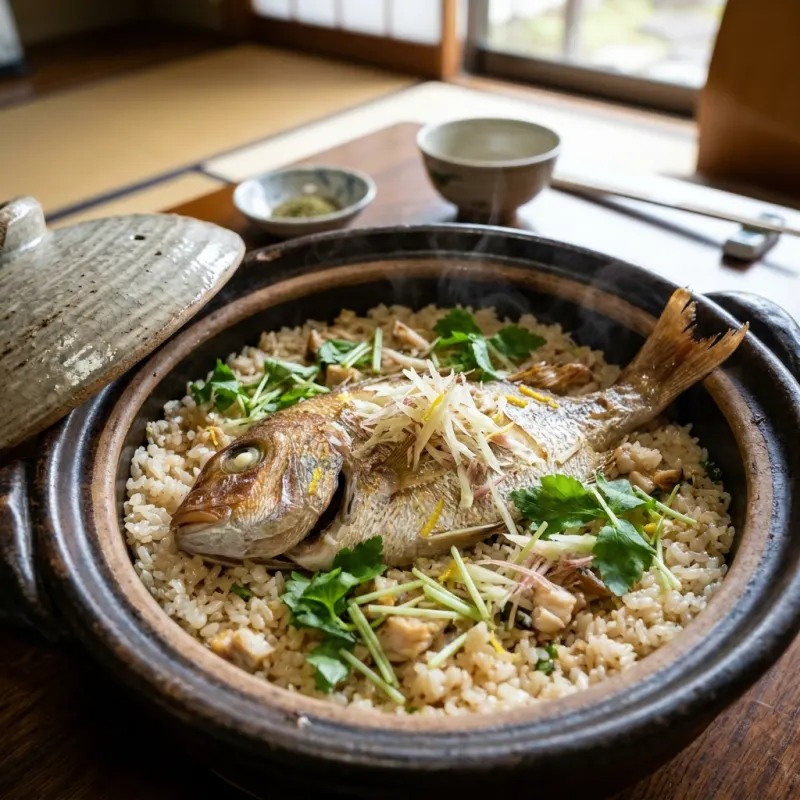
Authentic Japanese Tai Meshi sea bream rice served in a traditional clay pot

Must Try Dish

Seto Inland Sea Tai Meshi - Fresh local sea bream cooked with dashi, ginger, and polished Japanese rice in an earthen clay pot. The fish delivers a delicate, savory sweetness with fragrant crispy scorched rice at the bottom.
Food Experiences Title Icon

Food
Experiences

Discover cooking classes, tastings and local food tours

No food experience found
Maya, the human travel expert at TravelingWiz, offering curated, non-AI expertise

Maya’s Final Checklist for Naoshima

Logistics shouldn’t be the focus of your trip—the experience should. I’ve hand-vetted these essential partners to ensure your arrival, stay, and exploration are as smooth as an Athenian breeze.

Where to Stay

From boutique hotels to local apartments—compare thousands of options and find the perfect stay in the best neighborhood.

Air Travel

Getting there should be seamless. Compare the best routes and prices across top airlines to start your journey on the right note.

Local Guides

Connect with experts who know the destination best. Get personalized advice and insider tips to help you plan your perfect trip.

Travel Protection

The “Engineer’s” rule: always have a backup. Secure your trip with a plan that covers every “what if” and unexpected change.

Car Rentals

Explore at your own pace with total freedom. Compare reliable rental options and find the right vehicle for your adventure.

Visa Services

Don’t let paperwork slow you down. Get expert assistance with your application to ensure all your entry documents are in order.

FAQs

Yes. Chichu Art Museum requires advance online timed-entry reservations, which often sell out weeks ahead during peak spring and autumn seasons. Other sites like Benesse House Museum and Art House Project sites can often be entered with tickets purchased on-site, but booking online early is always recommended.
Yes. Regular ferries connect Uno Port (Okayama) in about 20 minutes and Takamatsu Port (Kagawa) in about 50 minutes to Miyanoura Port. However, spending at least one night allows you to experience the evening installations and tranquil morning atmosphere before ferry crowds arrive.
Electric assist bicycles (e-bikes) are the most popular and flexible method to traverse the island’s rolling terrain. A municipal mini-bus also runs regularly between Miyanoura Port, Honmura, and Tsutsuji-so for 100 JPY per trip, connecting to Benesse’s free art precinct shuttle.

Your Insights Matter

TravelingWiz grows through the stories of our community. If you’ve recently explored ,Naoshima share your tips and stories to help us perfect our guides for the next traveler.

Related Articles

Check out our related articles and blog posts to learn even more about the destination.

No related articles found

Don’t Travel Alone

Share with your friends and family

Where should we send your offline card?

We hate spam just as much as you do

newsletter_consent *