Disclosure: This site contains affiliate links. We may earn a commission if you make a purchase, at no extra cost to you.

>
>
>
>
>
Shodoshima
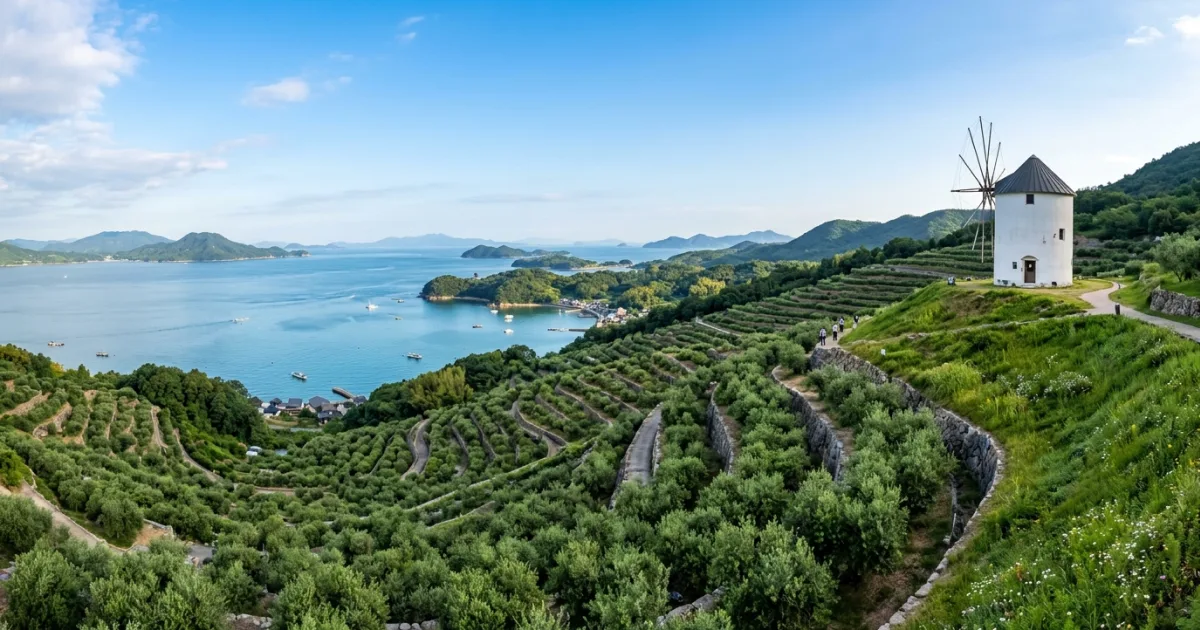
Panoramic view of Shodoshima Olive Park with windmill overlooking the Seto Inland Sea

Shodoshima Overview & Key Highlights

Shodoshima, situated in the tranquil Seto Inland Sea of Kagawa Prefecture, is Japan's second-largest island in the inland sea and the historic birthplace of domestic olive cultivation. Celebrated for its mild Mediterranean-style microclimate, the island harmonizes terraced coastal groves, centuries-old cedar soy sauce breweries, and the dramatic volcanic gorge of Kankakei. Historic pilgrimage trails and modern outdoor installations dot the coastline, creating a balanced landscape of rural tradition and artistic reinvention. Travelers explore Shodoshima primarily by rental car or coastal bus routes, journeying between seaside heritage hamlets and mountain lookouts. Key highlights include walking the tidal sandbar of Angel Road during low tide, riding the ropeway above sweeping ravines, and sampling signature food products such as hand-stretched somen noodles and olive-fed Sanuki wagyu beef. The island offers an unhurried retreat from mainland transit hubs, ideal for independent travelers and cultural connoisseurs alike.

Shodoshima Travel Guide: Logistics & In-Depth Tips

Shodoshima stands as the cultural and agricultural jewel of the Seto Inland Sea, nestled within Japan's renowned national park waters. Spanning approximately 153 square kilometers, it balances Mediterranean agricultural hallmarks with centuries-old Japanese craft trades. In 1908, the island successfully nurtured imported olive saplings when all other domestic regions failed, establishing an enduring olive industry celebrated at the Shodoshima Olive Park and private estates. At the same time, the historic Hishio no Sato district preserves dozens of active, blackened timber soy sauce storehouses that continue to ferment soy mash inside towering cedar kioke barrels.

Geographically, Shodoshima rises dramatically from sandy shores to the jagged peaks of Kankakei Gorge, widely recognized as one of Japan's top three scenic gorges. Contemporary art installations dot the island as part of the triennial Setouchi Triennale festival, blending open-air sculpture with rural heritage. The island also features an ancient 88-temple mini-pilgrimage route modeled after the famous Shikoku 88-temple circuit, providing spiritual and hiking trails away from tourist centers. Whether sampling artisanal sesame oil noodles or walking the vanishing sands of Angel Road, travelers encounter an authentic, self-contained coastal realm.

Reasons to Visit

  • Artisanal Food Production: Tour operational 150-year-old wooden soy sauce breweries in Hishio no Sato and taste olive-fed Sanuki wagyu beef.
  • Kankakei Ropeway: Glide over sheer volcanic cliffs and lush ravines that erupt into fiery red and gold foliage every autumn.
  • Angel Road Tidal Sandbar: Walk across a pristine natural sand causeway that appears only twice each day during low tide.
  • Shodoshima Olive Park: Stroll through hills of olive trees anchored by a whitewashed Greek windmill overlooking the calm inland sea.
  • Setouchi Contemporary Art: Discover permanent outdoor art sculptures and repurposed traditional village houses from the Setouchi Triennale.

Things to Avoid

  • Don't rely solely on buses without checking schedules: Bus services thin out drastically in the late afternoon, leaving passengers stranded in rural districts.
  • Don't arrive at Angel Road during high tide: The sandbar is completely submerged and impassable at peak high tide; check tide charts beforehand.
  • Don't miss the last ferry back to the mainland: Most passenger ferries stop running between 19:30 and 21:00; verify evening return schedules carefully.
  • Don't expect extensive English menus at rural eateries: Download offline Japanese translation dictionaries or image translators for family-run noodle joints.

Local Transportation Tips

Travelers access Shodoshima via regular roll-on/roll-off vehicle ferries or passenger-only speedboats arriving at six distinct ports: Tonosho, Ikeda, Kusakabe, Fukuda, Sakate, and Obe. Tonosho Port is the busiest terminal with the most frequent mainland connections from Takamatsu. On the island, rental cars provide the greatest flexibility and are available directly opposite Tonosho Port. Alternatively, Shodoshima Olive Bus operates several arterial routes connecting major ports, Olive Park, and Hishio no Sato. Electric assist bicycles (e-bikes) are rentable at major ferry terminals for cycling the undulating coastline.

Travel Etiquette

  • Remove your shoes immediately upon entering traditional ryokan, minshuku guesthouses, and tatami-mat dining rooms.
  • Refrain from walking while eating street food; finish snacks near the purchasing stall or vending machine before moving on.
  • Do not touch or enter the ancient cedar fermentation barrels when visiting historic soy sauce brewing premises.
  • Carry your trash with you throughout the day, as public waste bins are scarce across the island's parks and ports.

Recommended Age Group

Shodoshima welcomes travelers across multiple generations, though active adults and independent seniors will find its pacing most rewarding.

  • Babies (0-2 years): Neutral. Cobblestone paths, rustic ropeway boarding, and limited public changing facilities in rural areas require careful planning.
  • Kids (3-12 years): Recommended. Children enjoy broomstick jumping photos at Olive Park, low-tide marine exploration at Angel Road, and scenic ropeway rides over Kankakei.
  • Teens (13-19 years): Recommended. Outdoor e-biking along coastal roads, coastal photography, and exploring film movie sets offer engaging, independent activities.
  • Adults (20-64 years): Recommended. Ideal for food lovers, architectural enthusiasts, hikers, and couples seeking tranquil scenery and culinary heritage.
  • Seniors (65+ years): Recommended. Relaxed island pacing, hot spring resorts, and scenic drives accommodate mature visitors who prefer gentle sightseeing without high physical strain.

Accessibility Level: Medium

  • Main ferry terminals such as Tonosho and Takamatsu feature step-free boarding ramps, elevators, and accessible multi-purpose restrooms.
  • Standard island public buses are generally low-floor kneeling vehicles, though wheelchair space is limited to one passenger per bus.
  • Historic sites such as mountain shrines, ancient soy sauce cellars, and Kankakei walking trails involve uneven stone steps and steep slopes that are not wheelchair accessible.
  • Shodoshima Olive Park provides paved pathways around its central visitor center and Greek windmill, though surrounding hillside trails are relatively steep.

Did You Know?

Shodoshima became the set for several prominent Japanese films, most famously the 1954 cinematic classic 'Twenty-Four Eyes' (Nijushi no Hitomi), based on Sakae Tsuboi's novel. The entire mid-20th-century coastal schoolhouse movie set was preserved as a working open-air museum in the southern peninsula, where travelers can still sit at original wooden school desks overlooking the Seto Inland Sea.

Cool Statistics

  • Home to over 40 active traditional soy sauce breweries, representing the densest concentration of historic cedar barrel (kioke) brewing in Japan.
  • Produces more than 95% of Japan's domestic olive yield.
  • Kankakei Gorge drops over 800 meters across dramatic volcanic rock cliffs formed 13 million years ago.
  • Features its own scaled-down 88-temple pilgrimage trail spanning 150 kilometers around the island's perimeter.


Address:

Shodoshima, Japan

Find Nearby Accommodations

Basic Info

address icon

COUNTRY & Region

Japan,
Asia

ACCESSIBILITY LEVEL​

Medium
Currency icon

LOCAL CURRENCY​

Japanese Yen (JPY)
Price level icon
Medium
Safety Level icon

SAFETY LEVEL

Duration icon

Recommended Duration

• 1-7 days
• Full day

Electricity

electricity icon

Electricity

100-110V, 
60Hz
Plug Socket icon

Plug Type

• Type A (Flat blade)
• Type B (Flat blade with grounding pin)
Plug types
Click To View Plug Types
Shodoshima is part of our
Set-Jetting collection

Activities To Do In Shodoshima

Best Time To Visit Shodoshima

Shodoshima enjoys a temperate maritime climate characterized by lower annual rainfall than mainland Shikoku, making it viable year-round.

  • Spring (March to May): Mild temperatures averaging 15°C to 20°C, cherry blossoms across Kankakei Gorge, and comfortable conditions for cycling.
  • Autumn (October to November): The peak season for Kankakei's vibrant maple foliage and the annual olive harvest at Shodoshima Olive Park.
  • Summer (June to August): Warm and sunny with temperatures reaching 30°C to 33°C, ideal for beach trips and coastal kayaking, though humidity is high.
  • Winter (December to February): Crisp, clear days with minimal snowfall and quieter streets, suitable for onsen soaking and crisp coastal views.

Average Temperatures Per Month

Remember to check the weather forecast a few days before the trip and before heading to the airport.

Safety Level icon

Safety Level

Shodoshima is exceptionally safe with negligible rates of violent or petty crime. Primary precautions involve mountain road safety: winding roads through Kankakei Gorge can be narrow with sharp hairpin turns, requiring vigilant driving and adherence to low speed limits. In summer, stay hydrated to prevent heat exhaustion, and monitor maritime weather advisories during the late summer typhoon season (August to September), which can temporarily suspend ferry operations.

The rating is based on multi-year peace, crime, and security indices. Before you go, always verify current conditions through official government travel advisories.

Emergency Numbers

Police: 110
Ambulance: 119

No internet needed • Includes local translations • Free for TravelingWiz readers

Spoken Languages

Japanese. English is understood at ferry terminals, car rental agencies, and primary visitor centers, though conversational Japanese or translation apps are helpful in rural hamlets.

Learn The Language

  • Konnichiwa – Hello
  • Arigatou gozaimasu – Thank you very much
  • Sumimasen – Excuse me / Pardon me
  • Kore wa ikura desu ka? – How much is this?
  • Fune wa doko desu ka? – Where is the ferry?
  • O-kaikei o onegaishimasu – Check, please
  • Eigo ga hanasemasu ka? – Do you speak English?
  • Tasukete kudasai – Please help me
Travel Booking Partner - TravelingWiz

Trip Cost & Budgeting for Shodoshima, 2026

Everything you need to know about money while traveling
Is Shodoshima expensive for tourists in 2026? While costs on this scenic island are slightly higher than rural mainland Japan due to ferry transport, it remains quite reasonable overall. With our Human Verified prices, expect to pay around 500 JPY for a coffee, 600 JPY for a domestic beer, and 2,500 JPY for a mid-range restaurant meal. Use the data table below to calculate your specific daily budget based on your travel style.
Currency icon

LOCAL CURRENCY​:

Japanese Yen (JPY)
Price level icon
Medium
Major hotels and ferries accept credit cards, but local buses, soy sauce breweries, and small eateries require physical cash.

Per person, per day – pocket cash for small purchases.

Local: 1850
Japanese Yen (JPY)
≈ 40 USD

Full daily spend estimation (accommodation, food, transportation, attractions).

Travel Style
Japanese Yen (JPY)
≈ USD ($)
Budget
10200
55
Mid-range
18500
115
Comfort
40700
250

The Prices, Daily costs, and calculator results are estimates for planning purposes only. Actual costs may vary based on season, booking timing, personal spending habits, and currency fluctuations. TravelingWiz cannot be held responsible for discrepancies between these estimates and your final trip expenses.

  • • Buy a Shodoshima Olive Bus 1-day or 2-day pass to save significantly on island transit costs.
  • • Take passenger ferries from Takamatsu or Uno rather than car ferries if you do not plan to drive.
  • • Enjoy affordable olive and soy sauce teishoku lunch sets, which offer better value than dinner menus.
  • • Stock up on snacks and drinks at local convenience stores or supermarkets near Tonosho Port before heading into rural areas.

Pre-Order Tickets

Avoid disappointment when tickets sell out — and skip the long lines by booking online in advance. You’ll often save up to 20% too.
Save up to 20%

Travel Discounts & Coupons

Save on hotels, attractions, transport, and gear — find verified discounts for smarter travel spending.
Verified Coupons

What To Pack

  • Slip-on walking shoes for frequent entry into traditional tatami dining rooms, temples, and coastal trails.
  • Lightweight layers and a windbreaker to stay comfortable during breezy Seto Inland Sea ferry crossings.
  • Sun protection including broad-spectrum sunscreen, UV-blocking sunglasses, and a wide-brim hat for open olive groves.
  • International Driving Permit (IDP) printed on physical cardstock if planning to rent a car on the island.
  • A small hand towel (tenugui) for public footbaths (ashiyu) and hot spring facilities.
  • A compact coin pouch for island buses, vending machines, and cash-only rural craft shops.
We couldn't find tips for Shodoshima.
If you got any, please share

Recommended Itineraries for Traveling to Shodoshima

We couldn't find itineraries for Shodoshima.
you can contact us for custom trip plan

Food & Drink Highlights

Local Food Overview

Shodoshima's culinary landscape is defined by its microclimate and traditional agricultural crafts. The island pioneered Japanese olive cultivation in 1908, yielding top-tier extra virgin olive oil, olive-cured seafood, and Olive Wagyu beef—cattle raised on toasted olive pulp for rich marbling. Complementing this is the historic Hishio no Sato district, where dark wooden storehouses have brewed rich soy sauce in giant cedar barrels (kioke) for four centuries. Hand-stretched Tenobe Somen noodles, made by drying thin wheat dough brushed with pure sesame oil, remain a local staple served hot in winter and ice-cold in summer.
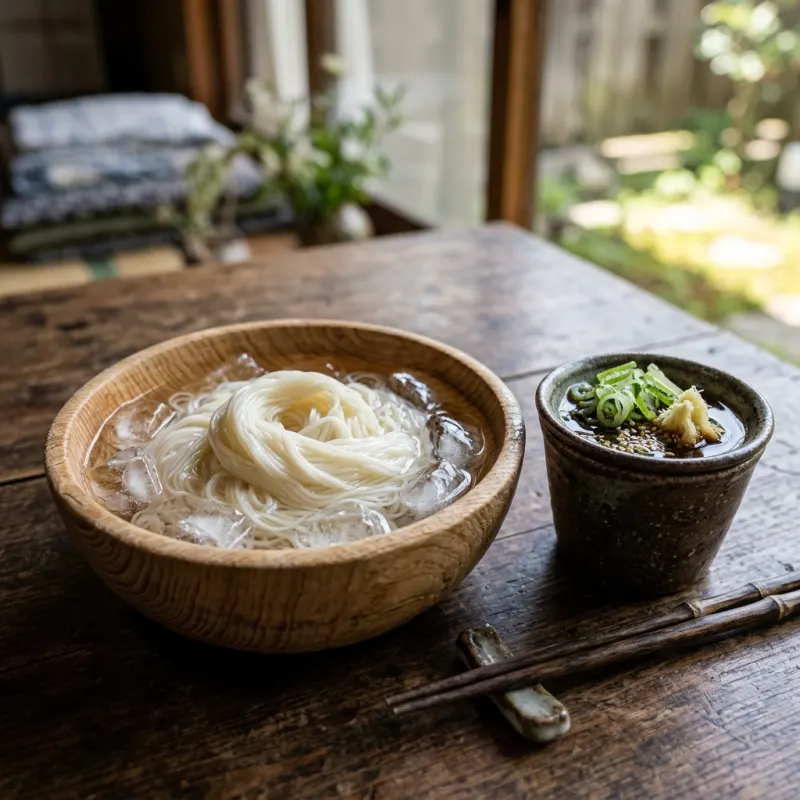
Chilled Shodoshima tenobe somen noodles served over ice with dipping broth

Must Try Dish

Shodoshima Tenobe Somen - Slender, hand-stretched wheat noodles brushed with local sesame oil and aged before being served chilled over ice with dashi dipping broth. This four-century-old culinary tradition yields an exceptionally chewy texture and refreshing flavor profile unique to the island.
Food Experiences Title Icon

Food
Experiences

Discover cooking classes, tastings and local food tours

No food experience found
Maya, the human travel expert at TravelingWiz, offering curated, non-AI expertise

Maya’s Final Checklist for Shodoshima

Logistics shouldn’t be the focus of your trip—the experience should. I’ve hand-vetted these essential partners to ensure your arrival, stay, and exploration are as smooth as an Athenian breeze.

Where to Stay

From boutique hotels to local apartments—compare thousands of options and find the perfect stay in the best neighborhood.

Air Travel

Getting there should be seamless. Compare the best routes and prices across top airlines to start your journey on the right note.

Local Guides

Connect with experts who know the destination best. Get personalized advice and insider tips to help you plan your perfect trip.

Travel Protection

The “Engineer’s” rule: always have a backup. Secure your trip with a plan that covers every “what if” and unexpected change.

Car Rentals

Explore at your own pace with total freedom. Compare reliable rental options and find the right vehicle for your adventure.

Visa Services

Don’t let paperwork slow you down. Get expert assistance with your application to ensure all your entry documents are in order.

FAQs

Shodoshima has no airport or bridges to the mainland. Access is exclusively by ferry from ports including Takamatsu (Kagawa), Uno and Shin-Okayama (Okayama), and Himeji or Kobe (Hyogo). The car ferry from Takamatsu Port to Tonosho Port takes roughly 60 minutes.
While public Olive Buses connect primary coastal ports and attractions, bus departures can be infrequent (hourly or bi-hourly). Renting a car at Tonosho Port is highly recommended to reach Kankakei Gorge, mountain viewpoints, and secluded artisan soy sauce breweries efficiently.
Angel Road is a natural tidal sandbar connecting Shodoshima to three small offshore islets. It emerges only twice daily for about two hours before and after peak low tide. Checking the daily tide forecast online is essential before planning your visit.
May and June feature delicate white olive blossoms, while the harvest season from late September through November showcases branches laden with green and purple olives against blue coastal seas.

Your Insights Matter

TravelingWiz grows through the stories of our community. If you’ve recently explored ,Shodoshima share your tips and stories to help us perfect our guides for the next traveler.

Related Articles

Check out our related articles and blog posts to learn even more about the destination.

No related articles found

Don’t Travel Alone

Share with your friends and family

Where should we send your offline card?

We hate spam just as much as you do

newsletter_consent *