Naruto serves as the geographic bridge connecting mainland Honshu to Shikoku via Awaji Island. Formed by the narrow gap between Awaji and Shikoku, the Naruto Strait produces one of the most violent tidal marine phenomena on Earth, where sea levels can differ by up to 1.5 meters across a span of only 1.3 kilometers. The resulting whirlpools (uzushio) have captivated travelers, artists, and poets for centuries, immortalized in classical ukiyo-e woodblock prints by Utagawa Hiroshige.
In addition to its natural marine spectacles, Naruto occupies a pivotal position in Japanese cultural history. Ryozen-ji, Temple Number One of the 88 Shikoku Temples, sits peacefully on the city's western periphery, welcoming white-clad pilgrims (o-henro-san) who arrive to receive their initial blessing, walking sticks, and conical sedge hats. The city also balances historic heritage with colossal artistic scale at the Otsuka Museum of Art, a subterranean repository replicating Western art history on indestructible ceramic panels. Naruto offers an approachable, scenic, and deeply authentic gateway to Shikoku island life.
Reasons to Visit
- Spectacular Tidal Whirlpools: Witness marine vortexes reaching diameters of up to 20 meters from sightseeing catamarans or suspended glass bridges.
- Otsuka Museum of Art: Explore over four kilometers of gallery space containing flawless, full-scale ceramic reproductions of world art history.
- Shikoku 88 Temple Gateway: Experience the serene atmosphere of Ryozen-ji, where thousands of pilgrims start their sacred circular journey.
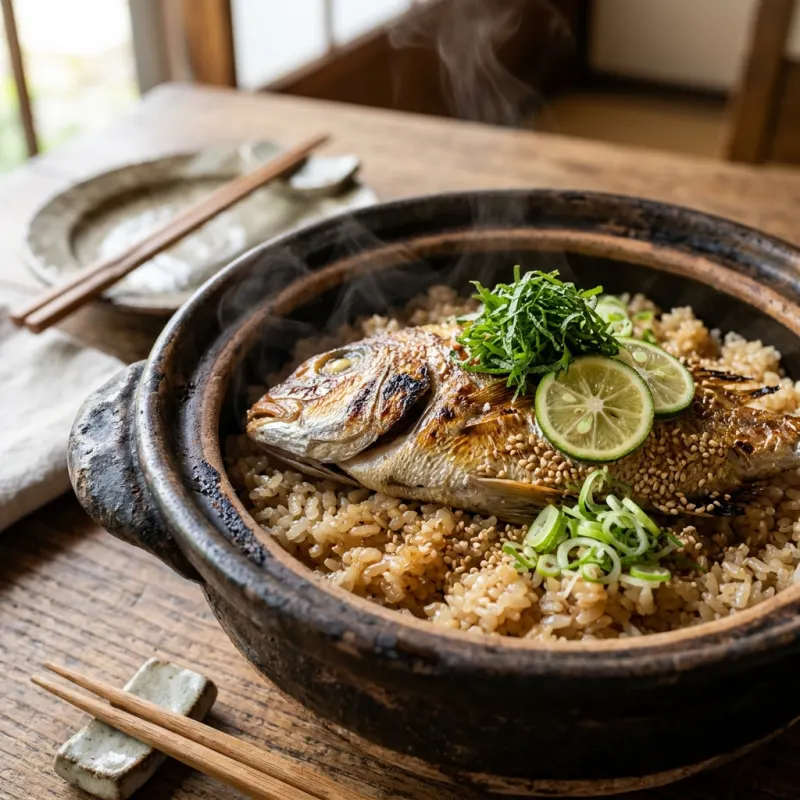
- World-Class Coastal Seafood: Savor fresh wild red sea bream, ocean wakame, and locally grown Naruto kintoki sweet potatoes.
- Stunning Bridge Engineering: Marvel at the monumental Onaruto Bridge spanning the churning straits against the backdrop of the Seto Inland Sea National Park.
Things to Avoid
- Do Not Visit Without Checking the Tide Table: The straits are placid and still during slack tide; viewing without aligning to peak tidal windows will result in seeing flat water rather than whirlpools.
- Avoid Relying Exclusively on Trains: JR Naruto Station is located inland and requires local bus transfers to reach the coastal whirlpool park and museum areas.
- Do Not Rush the Otsuka Museum: The museum spans five underground levels and several miles of corridors; attempting a visit in under three hours leads to exhaustion and missed wings.
- Avoid Late-Evening Sightseeing: Naruto's coastal parks, bus lines, and dining venues close earlier than those in large metropolitan centers.
Local Transportation Tips
Regional access to Naruto is primarily handled by highway express buses connecting the city with Kobe, Osaka, and Kyoto across the Akashi Kaikyo and Onaruto suspension bridges. Local transit within Naruto relies on Tokushima Bus routes connecting JR Naruto Station with Naruto Park, the Otsuka Museum of Art, and coastal ports. Taxis are available at major transit stations, while renting a car provides the highest degree of flexibility for touring coastal peninsulas, rural sweet potato farms, and the western pilgrimage temples.
Travel Etiquette
- Pilgrim Reverence: Show quiet respect to o-henro pilgrims at Ryozen-ji; do not obstruct temple pathways or photograph individuals engaged in chanting and prayer without consent.
- Observation Safety: Keep hands and cameras securely tethered over the glass floor viewports inside Uzu no Michi to prevent drops onto the lower steel structures.
- Trash Management: Public rubbish bins are scarce along nature paths; carry personal trash back to your hotel or disposal areas at transit stations.
- Dining Propriety: Avoid walking while eating street food; consume sweet potato pastries or soft-serve ice cream in front of the shop where purchased.
Recommended Age Group
Naruto is an enriching destination offering educational marvels, dramatic nature, and accessible cultural sites across multiple generations.
- Babies (0-2 years): Neutral. Strollers can navigate museum spaces and flat walkways, but ocean boat tours feature loud engines, sea spray, and sudden pitching currents.
- Kids (3-12 years): Recommended. Children are fascinated by the swirling vortexes, boat rides, glass floors high above the ocean, and interactive art spaces.
- Teens (13-19 years): Recommended. High scenic drama, exceptional photography spots along the bridge deck, and world-renowned art reproductions appeal strongly to older youth.
- Adults (20-64 years): Recommended. Outstanding local culinary routes, architectural feats, world-class art collections, and coastal hiking trails provide deep engagement.
- Seniors (65+ years): Recommended. The area offers gentle strolls, elevator-accessible bridge viewpoints, serene temple grounds, and convenient highway bus logistics.
Accessibility Level: Medium
- Uzu no Michi Promenade: Completely step-free with elevator access from the park level, wide flat wooden and steel decks, and wheelchair-accessible restrooms.
- Otsuka Museum of Art: Exceptional barrier-free design featuring elevators across all five subterranean floors, wide gallery doorways, and loaner wheelchairs at the entrance.
- Whirlpool Sightseeing Ships: Large vessels like the Wonder Naruto offer ramp boarding and accessible main cabin seating, whereas smaller underwater viewing craft require navigating steep companionway stairs.
- Public Transportation: Low-floor Tokushima municipal buses operate on primary tourist routes, though boarding ramps may require driver assistance at smaller stops.
Did You Know?
The ceramic panels displayed inside the Otsuka Museum of Art are made with specialized glaze baked at 1,200 degrees Celsius, engineered to retain their vibrant colors and physical integrity without fading for over 2,000 years, outlasting the original master paintings.
Cool Statistics
- 20 km/h: The top water speed reached by tidal currents in the Naruto Strait, ranking among the fastest in the world.
- 20 meters: The maximum diameter recorded by whirlpool vortexes during optimal spring and autumn astronomical tides.
- 1.3 kilometers: The narrow width of the strait between Shikoku and Awaji Island that causes the dramatic bottleneck of water.
- 45 meters: The height above the roaring sea surface of the glass-floored Uzu no Michi observation walkway.






Buy a compatible power adapter for your trip