Tokushima City serves as the primary urban gateway to eastern Shikoku, positioned where the mighty Yoshino River converges with the sea. Formed as a fortified castle town under the Hachisuka clan during the late 16th century, the city grew into a prosperous trading hub for natural indigo dye (Awa Aizome) and sea salt. This commercial prosperity generated the exuberant spirit that gave birth to the Awa Odori dance festival over 400 years ago, a tradition that still defines the city's civic identity and creative vitality today.
Modern Tokushima offers a welcoming, balanced travel experience where urban streetscapes harmonize with lush natural landmarks. Mount Bizan rises gracefully at the western edge of the downtown core, offering green forested trails, tranquil Buddhist temples, and an aerial ropeway with panoramic vistas across the city toward Awaji Island and the Kii Peninsula. With a vibrant food culture, accessible canal-side pathways, and close proximity to the Naruto whirlpools, Tokushima stands as a compelling destination for travelers seeking genuine Japanese regional heritage.
Reasons to Visit
- Awa Odori Culture: Immerse yourself in Japan's most famous traditional dance tradition at the Awa Odori Kaikan, featuring interactive daily shows where visitors are taught the footwork.
- Panoramic Mount Bizan: Board the Bizan Ropeway directly from downtown to enjoy 360-degree views of Shikoku, the Yoshino River, and sweeping coastal waters.
- Tokushima Castle Park & Omote Goten Garden: Wander the historic stonework and an exquisite Momoyama-style dry rock and pond garden designated as a National Place of Scenic Beauty.
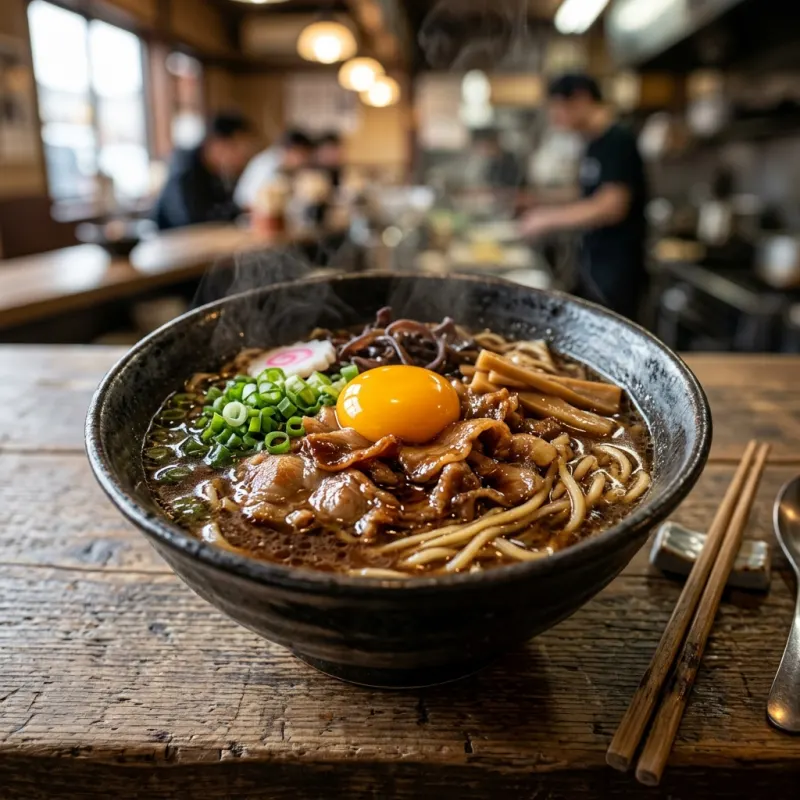
- Distinctive Gastronomy: Savor authentic Tokushima ramen, Awa Odori grilled chicken skewers, and sweet sudachi citrus desserts across atmospheric local eateries.
- Hyoutanjima River Cruises: Cruise the encircling river channels on an open-top motorboat for an architectural and waterside perspective of the city.
Things to Avoid
- Avoid arriving during Awa Odori festival dates (August 12-15) without confirmed hotel reservations months in advance, as city accommodations book out completely.
- Avoid relying solely on credit cards or mobile payment apps, as many independent restaurants and transit lines only accept cash.
- Avoid rushing through the city purely as a transit node; spending at least a full day unlocks authentic regional crafts, peaceful gardens, and remarkable dining.
- Avoid forgetting sunscreen and hydration when taking river cruises or climbing outdoor temple staircases in summer.
Local Transportation Tips
Tokushima City is straightforward to navigate. Central attractions, including JR Tokushima Station, the shopping arcades, and the Awa Odori Kaikan at the foot of Mount Bizan, are easily accessible on foot within 10 to 15 minutes. For destinations further out, the Tokushima Municipal Bus network departs regularly from the bus terminal fronting JR Tokushima Station. The iconic Bizan Ropeway provides seamless vertical transit to the Mount Bizan summit in six minutes. In addition, the open-air Hyoutanjima Boat Cruise departs from Aibahama Park and Shinmachi River Park, providing an enjoyable water-transit loop around the central island district.
Travel Etiquette
- Remove your shoes when entering traditional tatami seating areas, ryokans, and historic garden pavilions.
- When riding local buses, board from the rear door, take a numbered transit ticket, and pay the exact cash fare into the driver's fare box at the front upon exiting.
- Refrain from walking while eating street food; finish snacks near the storefront or dispose of trash in designated receptacles.
- Maintain quiet and courteous manners when visiting sacred Buddhist pilgrimage temples along the mountain slopes.
Recommended Age Group
Tokushima City provides a diverse mix of cultural interaction, scenic parks, and easy city navigation that caters warmly across generations.
- Babies (0-2 years): Neutral. Riverfront parks and wide castle grounds are stroller-friendly, though older ropeway stations and historic temple stairs require baby carriers.
- Kids (3-12 years): Recommended. Interactive dance shows at Awa Odori Kaikan, gentle river boat rides, and the Bizan cable car offer great excitement for young children.
- Teens (13-19 years): Recommended. Engaging festival dance workshops, rich ramen counters, scenic photography spots on Mount Bizan, and indie anime culture appeal strongly to teenagers.
- Adults (20-64 years): Recommended. Perfect balance of rich cultural history, craft beer and sake bars, authentic Shikoku gastronomy, and relaxing heritage walks.
- Seniors (65+ years): Recommended. The flat downtown area, accessible ropeway, serene Japanese gardens, and gentle pace make it an ideal slow-travel stop for mature travelers.
Accessibility Level: Medium
- JR Tokushima Station and major shopping complexes feature modern elevators, tactile paving, and accessible multi-purpose restrooms.
- The Awa Odori Kaikan and Bizan Ropeway lower station provide barrier-free ramps, elevator access, and wheelchair-accessible gondola boarding.
- Portions of Tokushima Castle Park feature flat paved pathways, though navigating the upper castle wall ruins involves irregular historic stone steps.
- City sidewalks generally feature dropped curbs, but side streets in older residential quarters may lack dedicated pedestrian footpaths.
Did You Know?
The famous refrain of the Awa Odori dance chant translates to: 'The dancers are fools, the watchers are fools; both are fools alike, so you might as well dance!' This reflects the festival's deep egalitarian spirit, historically granting common townspeople temporary freedom to celebrate without strict feudal restrictions.
Cool Statistics
- Over 1.3 million visitors arrive in Tokushima City annually for the four-day Awa Odori festival in August.
- Mount Bizan stands at an elevation of 290 meters (951 feet), named because its gentle silhouette resembles the curved shape of a traditional Japanese eyebrow ('bi').
- The Yoshino River bordering the city spans 194 kilometers and is nicknamed 'Shikoku Saburo', historically ranked as one of Japan's three greatest rivers.






Buy a compatible power adapter for your trip