Disclosure: This site contains affiliate links. We may earn a commission if you make a purchase, at no extra cost to you.

>
>
>
>
Central Visayas

Central Visayas

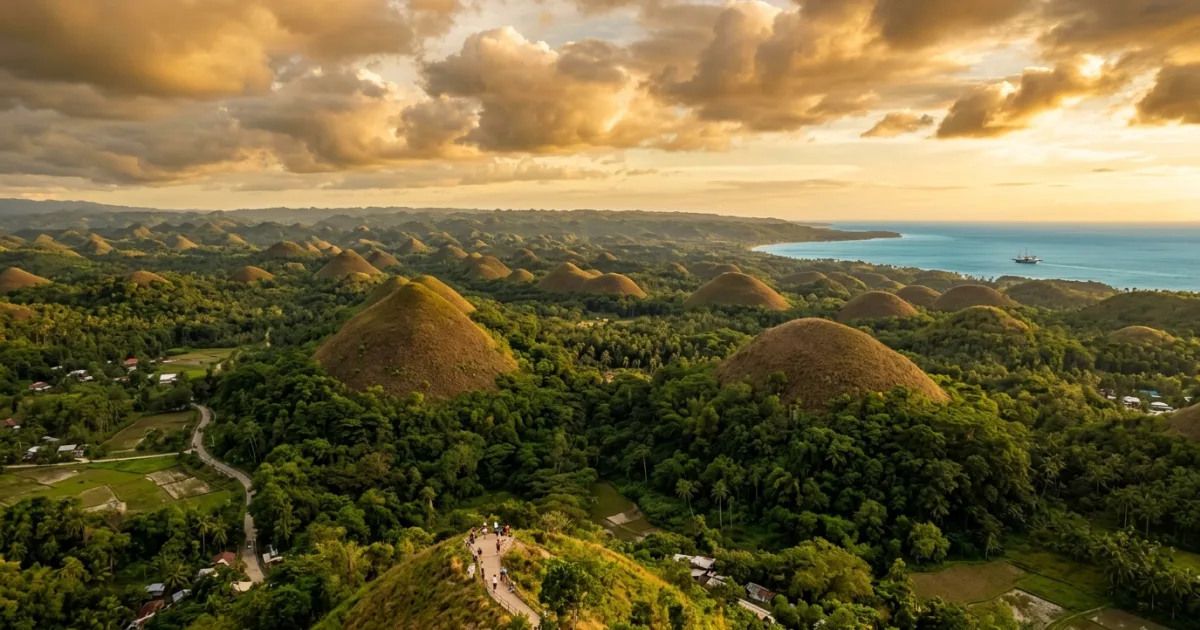
Panoramic vista of the Chocolate Hills and tropical coast in Central Visayas, Philippines

Central Visayas Overview & Key Highlights

Central Visayas is an archipelago region in the central Philippines designated as Region VII, encompassing the major island provinces of Cebu, Bohol, Negros Oriental, and Siquijor. Cebu City serves as the regional hub and the nation's oldest colonial city, anchoring a landscape characterized by limestone karst formations, marine sanctuaries, and historic Spanish mission churches. The region offers high biodiversity, ranging from the endemic Philippine tarsier habitats in Bohol to global scuba destinations around Apo Island, Moalboal, and Malapascua. Travelers navigate between lush agricultural interiors and world-class reef ecosystems connected by an extensive network of inter-island fast crafts and coastal highways. Key geographical highlights include the distinctive geological mounds of the Chocolate Hills, cascading jungle waterfalls such as Kawasan, and dynamic coral gardens sheltering sea turtles and thresher sharks. The region balances rapid modern commercial expansion in metropolitan centers with laid-back island rhythms, culinary heritage centered on whole-roasted pig, and deeply rooted religious folk traditions.

Central Visayas Travel Guide: Logistics & In-Depth Tips

Central Visayas sits at the geographical heart of the Philippine archipelago, functioning as both an economic powerhouse and an ecological showcase. The region encompasses four core island provinces: Cebu, the political and urban anchor; Bohol, renowned for its geological hills and tarsier reserves; Negros Oriental, celebrated for its gentle university vibe and volcanic diving; and Siquijor, an island steeped in traditional healing lore and surrounded by pristine coastal fringing reefs.

Historically, the region marks the epicenter of early Spanish colonization in Southeast Asia, with Ferdinand Magellan landing in Cebu in 1521. Today, that legacy endures in grand coral-stone churches, centuries-old watchtowers, and fervent religious celebrations such as the Sinulog Festival. Simultaneously, Central Visayas forms part of the global Coral Triangle, drawing international divers to sites like Apo Island's marine reserves and the thresher shark cleaning stations of Malapascua.

Reasons to Visit

  • World-class scuba diving featuring rare thresher sharks in Malapascua, massive sardine runs in Moalboal, and protected sea turtles at Apo Island.
  • Remarkable geological wonders including Bohol's 1,200 conical limestone Chocolate Hills and the multi-tiered turquoise cascades of Kawasan Falls.
  • Rich cultural and colonial history preserved in the Basilica Minore del Santo Niño, Fort San Pedro, and century-old stone churches.
  • World-renowned culinary traditions highlighted by authentic Cebu lechon and fresh, ocean-caught seafood.
  • Accessible island-hopping infrastructure allowing seamless sea travel between four distinct island provinces in one journey.

Things to Avoid

  • Do not touch, feed, or handle delicate wildlife, including the endangered Philippine tarsier and whale sharks.
  • Avoid relying exclusively on credit cards or mobile digital wallets outside of Metro Cebu and major regional city malls.
  • Do not drink untreated tap water; always choose filtered or bottled water for hydration.
  • Avoid hailing unlicensed private taxis at ferry ports; negotiate standard tricycle rates beforehand or use ride-hailing apps in urban centers.

Local Transportation Tips

Transit within Central Visayas relies on a blend of modern regional connectivity and traditional local vehicles. Inter-island transit is dominated by high-speed passenger ferries and RORO vessels docking at Cebu City, Tagbilaran, Larena, and Dumaguete. On land, Metro Cebu offers modern electric buses, traditional jeepneys, and app-based Grab cars. In provincial towns and across smaller islands like Siquijor and Bohol, motorized tricycles and motorcycle taxis ('habal-habal') handle short journeys, while rental scooters provide the greatest flexibility for independent travelers.

Travel Etiquette

  • Dress respectfully with covered shoulders and knees when entering religious sanctuaries and rural community chapels.
  • Greet locals politely and maintain a calm, pleasant demeanor; raising one's voice or displaying public anger causes embarrassment and loss of face.
  • Tipping is appreciated in mid-to-upscale dining spots and private tour operations; leaving 5-10% of the bill is standard practice.
  • Always request permission before taking candid photos of indigenous residents or small-scale artisanal fishermen.

Recommended Age Group

Central Visayas accommodates an expansive demographic spectrum due to its blend of comfortable urban resort infrastructure and accessible outdoor excursions.

  • Babies (0-2 years): Neutral. Island-hopping transfers on choppy waters and limited medical infrastructure on smaller islands like Siquijor present minor logistical challenges.
  • Kids (3-12 years): Recommended. Safe marine snorkeling, swimming with friendly sea turtles, and viewing tiny tarsiers create memorable, educational wildlife encounters.
  • Teens (13-19 years): Recommended. Thrilling adventure sports such as canyoneering down Kawasan Falls and freediving with sardine schools appeal directly to high-energy teenagers.
  • Adults (20-64 years): Recommended. Exceptional scuba diving, dynamic nightlife in Cebu City, and idyllic beachside boutique resorts cater perfectly to adult travelers.
  • Seniors (65+ years): Recommended. Heritage tours of colonial churches, gentle river lunch cruises in Loboc, and premier beachfront luxury resorts in Panglao provide relaxing, low-impact vacations.

Accessibility Level: Medium

  • Metro Cebu features accessible shopping malls, modern airports, and wheelchair-friendly vehicles, but historic cobblestone streets and crowded urban sidewalks often lack curb cuts.
  • Inter-island fast craft ferries offer priority boarding for travelers with reduced mobility, though narrow boarding gangways often require physical assistance.
  • Provincial attractions such as river cruises and botanical gardens are generally flat, whereas waterfalls and remote limestone caves involve steep, slippery steps not suited for wheelchairs.

Did You Know?

The Chocolate Hills of Bohol consist of an estimated 1,268 to 1,776 individual conical mounds spread across 50 square kilometers. Composed of marine limestone from ancient coral reefs elevated by tectonic uplift, they turn a uniform chocolate-brown color at the end of the dry season, giving them their famous name.

Cool Statistics

  • Home to over 40 distinct marine protected areas across its surrounding inland seas.
  • Host to the Sinulog Festival, which attracts between 1 and 2 million devotees and spectators annually each January.
  • Contains the deepest regularly dived pelagic thresher shark cleaning station in the world at Monad Shoal, Malapascua.


Address:

Central Visayas, Philippines

Find Nearby Accommodations

Basic Info

address icon

COUNTRY & Region

Philippines,
Asia

ACCESSIBILITY LEVEL​

Medium
Currency icon

LOCAL CURRENCY​

Philippine Peso (PHP)
Price level icon
Low
Safety Level icon

SAFETY LEVEL

Duration icon

Recommended Duration

• 1-7 days
• More than a week

Electricity

electricity icon

Electricity

220-240V, 
60Hz
Plug Socket icon

Plug Type

• Type A (Flat blade)
• Type B (Flat blade with grounding pin)
• Type C (Round pin)
Plug types
Click To View Plug Types
Central Visayas is part of our
Conscious Travel collection

Things To Do In Central Visayas

Total: 2

Activities To Do In Central Visayas

Best Time To Visit Central Visayas

Central Visayas experiences a tropical climate divided into distinct dry and wet seasons, with regional microclimates varying between Cebu, Bohol, and Negros Oriental.

  • Dry Season (December to May): The optimal window for travel, featuring calm seas, low precipitation, and clear visibility for scuba diving and island hopping. January hosts the massive Sinulog Festival in Cebu City.
  • Wet/Typhoon Season (June to November): Characterized by frequent afternoon downpours and occasional tropical storms. Inter-island ferry cancellations are more common, though inland tours and budget resort rates remain viable.

Average Temperatures Per Month

Remember to check the weather forecast a few days before the trip and before heading to the airport.

Safety Level icon

Safety Level

Central Visayas is generally safe and hospitable for international tourists. Exercise basic vigilance in crowded transport terminals and markets in downtown Cebu City against pickpocketing. Always wear a certified life jacket during outrigger boat excursions, and ensure scooter rentals include a secure helmet before driving on winding coastal roads.

The rating is based on multi-year peace, crime, and security indices. Before you go, always verify current conditions through official government travel advisories.

Emergency Numbers

Police: 911
Ambulance: 911

No internet needed • Includes local translations • Free for TravelingWiz readers

Spoken Languages

Cebuano (Bisaya) is the predominant indigenous language. Tagalog (Filipino) and English are official national languages and are widely spoken across all hospitality, transit, and business sectors.

Learn The Language

  • Maayong buntag: Good morning
  • Maayong hapon: Good afternoon
  • Salamat: Thank you
  • Pila kini?: How much is this?
  • Asa ang…?: Where is the…?
  • Oo / Dili: Yes / No
  • Palihug: Please
  • Amping: Take care / Stay safe
Travel Booking Partner - TravelingWiz

Trip Cost & Budgeting for Central Visayas, 2026

Everything you need to know about money while traveling
Is Central Visayas expensive for tourists in 2026? No, Central Visayas remains an affordable tropical destination for international travelers. Expect to pay around 158 PHP for a cappuccino, 110 PHP for a domestic beer, and 450 PHP for a mid-range meal. With our Human Verified prices, daily expenses stay very manageable. Use the data table below to calculate your specific daily budget based on your travel style.
Currency icon

LOCAL CURRENCY​:

Philippine Peso (PHP)
Price level icon
Low
Major hotels and malls accept credit cards, but cash is essential for tricycles, island ferries, local eateries, and markets.

Per person, per day – pocket cash for small purchases.

Local: 390
Philippine Peso (PHP)
≈ 6 USD

Full daily spend estimation (accommodation, food, transportation, attractions).

Travel Style
Philippine Peso (PHP)
≈ USD ($)
Budget
2100
34
Mid-range
3850
62
Comfort
8450
135

The Prices, Daily costs, and calculator results are estimates for planning purposes only. Actual costs may vary based on season, booking timing, personal spending habits, and currency fluctuations. TravelingWiz cannot be held responsible for discrepancies between these estimates and your final trip expenses.

  • Ride public jeepneys, MyBus, or Ceres buses instead of taxis and private vans for cheap transit between towns.
  • Eat at local carinderias or food halls inside shopping malls like Ayala Center for delicious, budget-friendly Filipino meals.
  • Book inter-island ferries and day tours in advance online or via local operators to avoid peak tourist markups.
  • Rent a scooter for 350 to 500 PHP daily on islands like Bohol or Siquijor for affordable, flexible sightseeing.

Pre-Order Tickets

Avoid disappointment when tickets sell out — and skip the long lines by booking online in advance. You’ll often save up to 20% too.
Save up to 20%

Travel Discounts & Coupons

Save on hotels, attractions, transport, and gear — find verified discounts for smarter travel spending.
Verified Coupons

What To Pack

  • Reef-safe sunscreen compliant with marine sanctuary protection laws.
  • Sturdy water shoes with thick rubber soles for rocky beaches and waterfall trekking.
  • Dry bag (15-20L) to safeguard electronics during boat transfers and island-hopping tours.
  • Lightweight, breathable quick-dry clothing suitable for tropical heat and high humidity.
  • Modest clothing covering shoulders and knees when visiting historic Roman Catholic churches.
  • Universal Type A/B/C plug adapter and portable power bank for inter-island journeys.
  • Cash envelope or water-resistant wallet, as provincial ATMs are often offline or scarce.
We couldn't find tips for Central Visayas.
If you got any, please share

Recommended Itineraries for Traveling to Central Visayas

We couldn't find itineraries for Central Visayas.
you can contact us for custom trip plan

Food & Drink Highlights

Local Food Overview

Central Visayan cuisine is defined by charcoal roasting, open-fire grilling, and an abundance of fresh marine harvests. The regional jewel is Cebuano lechon, whole pig slow-roasted over coconut husks infused with lemongrass, scallions, and garlic, celebrated for its paper-crisp skin and seasoned meat that requires no sauce. Fresh seafood is widely prepared 'sinugba' (grilled over coals), 'kinilaw' (cured raw in coconut vinegar, ginger, and calamansi), or 'tuwa' (simmered in a sour fish broth). Steamed hanging rice wrapped in woven palm fronds, known as 'puso', serves as the ubiquitous accompaniment to street barbecue.
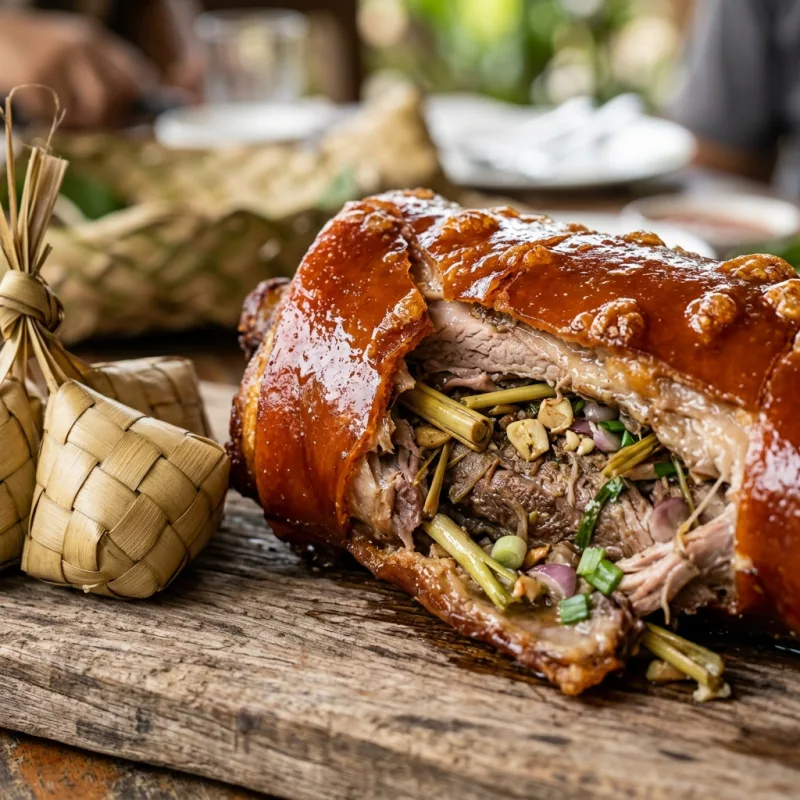
Authentic Cebu lechon roasted whole pig with crispy skin and fragrant herbs

Must Try Dish

Cebu Lechon - Slow-roasted whole pig infused with native scallions, lemongrass, garlic, and sea salt over open coconut charcoal until the skin reaches a brittle, glass-like crispness. It is served fresh without gravy to highlight the rich, herbaceous flavor absorbed deeply into the succulent pork meat.
Food Experiences Title Icon

Food
Experiences

Discover cooking classes, tastings and local food tours

No food experience found
Maya, the human travel expert at TravelingWiz, offering curated, non-AI expertise

Maya’s Final Checklist for Central Visayas

Logistics shouldn’t be the focus of your trip—the experience should. I’ve hand-vetted these essential partners to ensure your arrival, stay, and exploration are as smooth as an Athenian breeze.

Where to Stay

From boutique hotels to local apartments—compare thousands of options and find the perfect stay in the best neighborhood.

Air Travel

Getting there should be seamless. Compare the best routes and prices across top airlines to start your journey on the right note.

Local Guides

Connect with experts who know the destination best. Get personalized advice and insider tips to help you plan your perfect trip.

Travel Protection

The “Engineer’s” rule: always have a backup. Secure your trip with a plan that covers every “what if” and unexpected change.

Car Rentals

Explore at your own pace with total freedom. Compare reliable rental options and find the right vehicle for your adventure.

Visa Services

Don’t let paperwork slow you down. Get expert assistance with your application to ensure all your entry documents are in order.

FAQs

Fast-craft passenger catamarans operated by companies like OceanJet and SuperCat connect Cebu City, Tagbilaran (Bohol), Dumaguete (Negros Oriental), and Siquijor with daily schedules taking 1.5 to 2 hours per crossing.
Yes, carrying Philippine Pesos in small denominations (20, 50, and 100 peso bills) is essential for tricycles, local eateries, public markets, and rural entry fees across all islands.
Yes, English is universally taught and widely used across Central Visayas in restaurants, hotels, tour operators, and public signage, making navigation straightforward.
While Oslob in southern Cebu offers guaranteed whale shark encounters via baiting, sustainable travelers often prefer wild diving encounters in Malapascua or supporting non-provisioned marine reserves such as Apo Island.

Your Insights Matter

TravelingWiz grows through the stories of our community. If you’ve recently explored ,Central Visayas share your tips and stories to help us perfect our guides for the next traveler.

Related Articles

Check out our related articles and blog posts to learn even more about the destination.

No related articles found

Don’t Travel Alone

Share with your friends and family

Where should we send your offline card?

We hate spam just as much as you do

newsletter_consent *