Disclosure: This site contains affiliate links. We may earn a commission if you make a purchase, at no extra cost to you.

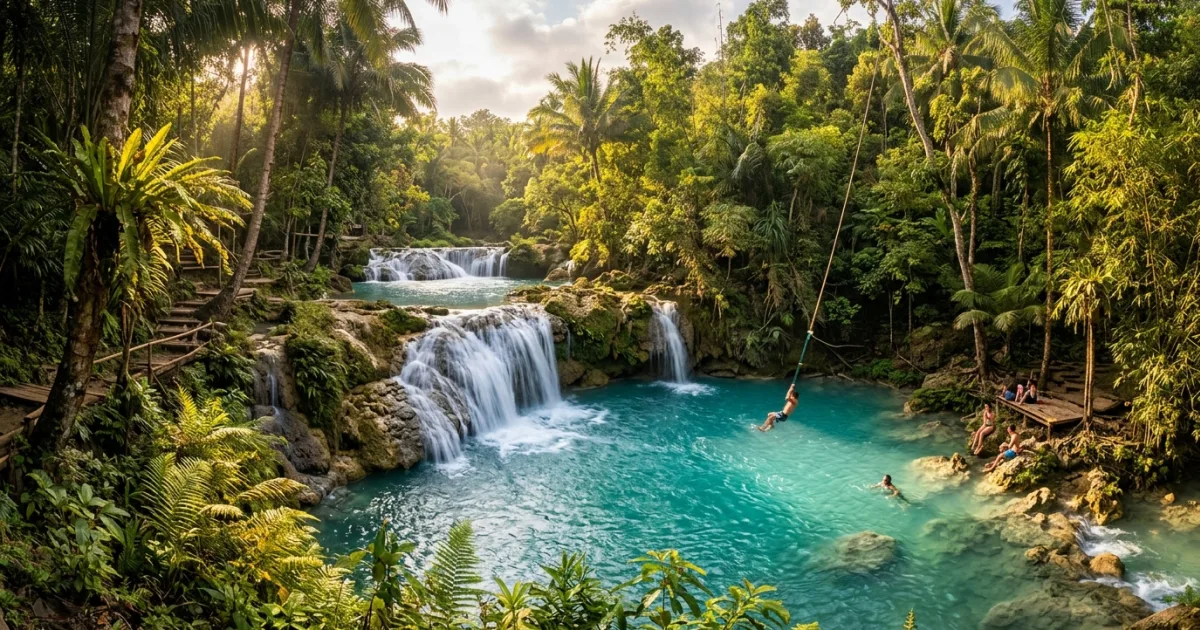
Panoramic turquoise pools and cascading waterfalls of Cambugahay Falls in Siquijor

Siquijor Overview & Key Highlights

Siquijor is an island province in the Central Visayas region of the Philippines, historically referred to by Spanish colonizers as Isla del Fuego due to the luminous glow of swarming fireflies. Renowned across the archipelago for its traditional healing arts, folklore, and coastal geology, the island has evolved into a premier destination for travelers seeking pristine coral reefs, tiered limestone waterfalls, and scenic coastal loops. The local economy and pace of life remain largely unhurried, creating an atmospheric environment anchored by natural landscapes rather than dense commercial resort infrastructure. Travelers exploring Siquijor typically base themselves in San Juan for dining and sunset beaches, while circumnavigating the island via its smooth 75-kilometer circumferential coastal highway. Key attractions include the turquoise pools of Cambugahay Falls, cliff-jumping facilities at Salagdoong Beach, centuries-old balete trees, and marine sanctuaries teeming with sea turtles and hard coral gardens. Its compact size, exceptional safety, and relaxed maritime culture make it an accessible, rewarding base for coastal exploration in the Visayan sea.

Siquijor Travel Guide: Logistics & In-Depth Tips

Siquijor is an island province located south of Bohol and southeast of Negros Oriental in the Bohol Sea. Known for its distinct topography, the province features a dramatic central limestone spine culminating at Mount Bandilaan, fringed by white coralline sand beaches and shallow reef flats. The island's circumference is traversed by a well-paved 75-kilometer national highway connecting six primary municipalities: Siquijor (the capital), Larena, Enrique Villanueva, Maria, Lazi, and San Juan. Its relative isolation from mass industrial tourism has preserved clean marine ecosystems and a tranquil rural character.

Culturally, Siquijor blends Spanish colonial heritage with indigenous animist traditions. Historic landmarks such as the coral-stone San Isidro Labrador Parish Church and Lazi Convent stand alongside ancient spiritual sites like the 400-year-old Old Enchanted Balete Tree. While the island's folklore previously deterred domestic visitors, modern travelers actively seek out its serene beaches, dramatic limestone sinkholes, marine sanctuaries like Tubod, and vibrant underwater dive sites. Siquijor represents an ideal synthesis of outdoor adventure, historical curiosity, and slow-paced island life.

Reasons to Visit

  • Cascading Natural Waterfalls: Swim in the turquoise, tiered limestone pools of Cambugahay Falls, equipped with rope swings and shaded forest canopies.
  • World-Class Coastal Snorkeling: Access pristine marine reserves directly from the beach at Tubod Marine Sanctuary and Caticlan.
  • Seamless Scooter Circumnavigation: Cruise along smooth, scenic coastal roads with sweeping ocean views and minimal traffic congestion.
  • Historic Coral Stone Architecture: Explore the UNESCO-tentative Lazi Convent and San Isidro Labrador Church, constructed from hardwood and coral masonry in the late 19th century.
  • Breathtaking Sunsets: Experience world-renowned sunsets over the Bohol Sea from the powdery white beaches of San Juan.

Things to Avoid

  • Avoid driving motorbikes at night without working lights on inland mountain roads, where street lamps are sparse.
  • Do not step on corals or handle marine wildlife while snorkeling in protected fish sanctuaries.
  • Avoid planning tight ferry connections to major international flights; maritime sea conditions can delay boat schedules without notice.
  • Do not rely entirely on credit cards or debit cards, as electronic payment networks are rare outside major resorts.
  • Avoid disrespecting local healers or sacred natural sites like the old balete tree by mocking local folk traditions.

Local Transportation Tips

The premier method for exploring Siquijor is by renting an automatic scooter or motorcycle, which costs between 350 and 500 PHP per day. The circumferential road is well-paved, clearly signposted, and lightly trafficked. For travelers who do not ride motorbikes, three-wheeled motorized tricycles are readily available for private day tours (approximately 1,200 to 1,800 PHP per day) or individual point-to-point journeys. Coastal passenger jeepneys also run between town centers during daylight hours along scheduled routes.

Travel Etiquette

  • Dress respectfully and cover shoulders and knees when visiting historic churches like Lazi Convent.
  • Always ask permission before taking photographs of traditional folk healers ('mananambal') during healing sessions.
  • Greet locals with a warm smile; hospitality is deeply rooted in Visayan communal culture.
  • Dispose of all waste responsibly; Siquijor enforces strict local municipal ordinances against single-use littering on coastal shores.

Recommended Age Group

Siquijor welcomes diverse traveler profiles, though its outdoor focus and active transit make it particularly well-suited to independent adventurers and older travelers seeking calm environments.

  • Babies (0-2 years): Neutral. Medical facilities on the island are basic, and heat combined with rough rural transit requires deliberate planning.
  • Kids (3-12 years): Recommended. Calm beaches, gentle natural swimming pools, and firefly boat tours offer rewarding family experiences.
  • Teens (13-19 years): Recommended. Cliff-jumping at Salagdoong, rope-swinging at Cambugahay Falls, and snorkeling marine reserves appeal strongly to teenagers.
  • Adults (20-64 years): Recommended. Ideal for road tripping by motorcycle, diving coral walls, relaxing in coastal cafes, and exploring historical landmarks.
  • Seniors (65+ years): Recommended. The island offers peaceful beach retreats, level coastal sightseeing by private chartered vehicle, and a tranquil, slow-paced atmosphere.

Accessibility Level: Medium

  • Wheelchair accessibility is limited across natural attractions such as Cambugahay Falls and Lugnason Falls due to steep, uneven stone staircases.
  • Paved coastal roadside viewpoints and town plazas in Siquijor and Larena offer level ground, though standard public sidewalks often lack curb ramps.
  • Major beachfront resorts in San Juan feature step-free ground-floor bungalows and accessible beachside dining areas.
  • Boarding fast-craft ferries in Dumaguete or Larena typically involves narrow gangways, requiring staff assistance for travelers with reduced mobility.

Did You Know?

Siquijor was dubbed 'Isla del Fuego' (Island of Fire) by Spanish explorers in 1565 not because of volcanic activity, but because swarms of bioluminescent fireflies illuminated the canopies of molave trees along the coastline every night.

Cool Statistics

  • Total land area: Approximately 343 square kilometers, making it the third-smallest province in the Philippines.
  • Circumferential highway length: Exactly 75 kilometers of continuous coastal roadway.
  • Balete Tree age: The famous Old Enchanted Balete Tree in Lazi is estimated to be over 400 years old.
  • Highest elevation: Mount Bandilaan reaches 557 meters (1,827 feet) above sea level at the island's center.


Address:

Siquijor, Philippines

Find Nearby Accommodations

Basic Info

address icon

COUNTRY & Region

Philippines,
Asia

ACCESSIBILITY LEVEL​

Medium
Currency icon

LOCAL CURRENCY​

Philippine Peso (PHP)
Price level icon
Low
Safety Level icon

SAFETY LEVEL

Duration icon

Recommended Duration

• 1-7 days

Electricity

electricity icon

Electricity

220-240V, 
60Hz
Plug Socket icon

Plug Type

• Type A (Flat blade)
• Type B (Flat blade with grounding pin)
• Type C (Round pin)
Plug types
Click To View Plug Types
Siquijor is part of our
Solo Female Friendly collection

Activities To Do In Siquijor

Best Time To Visit Siquijor

Siquijor features a tropical climate with defined dry and wet periods, moderated by maritime trade winds.

  • Dry Season (November to May): Optimal conditions for swimming, scuba diving, and scooter road trips, featuring minimal rainfall and calm seas.
  • Wet Season (June to October): Characterized by southwest monsoon rains (Habagat) and occasional tropical depressions; water visibility may decrease at popular reef sites, though waterfalls run at peak volume.
  • Peak Folklore Season (Holy Week / March–April): The island hosts an annual traditional healing festival in the highlands of San Antonio, drawing cultural observers and local herbalists.

Average Temperatures Per Month

Remember to check the weather forecast a few days before the trip and before heading to the airport.

Safety Level icon

Safety Level

Siquijor ranks among the safest provinces in the Philippines, with negligible violent crime rates and a welcoming resident population. The primary physical risk comes from motorcycle accidents along coastal bends and gravel access roads; always wear a secure helmet and drive at moderate speeds. When swimming in marine sanctuaries, watch out for sea urchins and fire coral. Take common-sense precautions against petty theft by not leaving bags unattended on public beaches.

The rating is based on multi-year peace, crime, and security indices. Before you go, always verify current conditions through official government travel advisories.

Emergency Numbers

Police: 117
Ambulance: 911

No internet needed • Includes local translations • Free for TravelingWiz readers

Spoken Languages

Cebuano (Bisaya), Tagalog, English

Learn The Language

  • Maayong buntag: Good morning
  • Maayong hapon: Good afternoon
  • Salamat: Thank you
  • Tagpila ni?: How much is this?
  • Asa ang…?: Where is the…?
  • Oo / Dili: Yes / No
  • Lami kaayo: Very delicious
  • Palihug: Please
Travel Booking Partner - TravelingWiz

Trip Cost & Budgeting for Siquijor, 2026

Everything you need to know about money while traveling
Siquijor is a remarkably wallet-friendly destination in Southeast Asia, offering high-value experiences across coastal lodging, fresh seafood dining, and motorcycle rentals. With TravelingWiz's Human Verified data, a typical traveler should expect to spend around $48 USD per day for a mid-range trip. Modest local eateries serve hearty Filipino specialties for under $4 USD, while standard scooter rentals run approximately $6 to $8 USD per day. Click the Trip Cost Calculator button below the table to work out your personal budget for this trip.
Currency icon

LOCAL CURRENCY​:

Philippine Peso (PHP)
Price level icon
Low
Cash is absolutely essential across Siquijor. Outside of upscale dive resorts and boutique restaurants in San Juan, nearly all transactions—including tricycle transport, park entry fees, scooter rentals, and roadside fruit stands—require Philippine Pesos. ATMs are clustered primarily in Siquijor town and Larena, and they occasionally run out of cash during national holidays or severe weather ferry delays.

Per person, per day – pocket cash for small purchases.

Local: 2500
Philippine Peso (PHP)
≈ 45 USD

Full daily spend estimation (accommodation, food, transportation, attractions).

Travel Style
Philippine Peso (PHP)
≈ USD ($)
Budget
1400
25
Mid-range
2700
48
Comfort
6500
115

The Prices, Daily costs, and calculator results are estimates for planning purposes only. Actual costs may vary based on season, booking timing, personal spending habits, and currency fluctuations. TravelingWiz cannot be held responsible for discrepancies between these estimates and your final trip expenses.

  • Rent a semi-automatic or automatic scooter at Siquijor Port upon arrival to save on repeated tricycle fares.
  • Dine at local 'carenderias' in Larena or Siquijor town for authentic Filipino stews at fraction of beachfront prices.
  • Bring your own snorkel mask and fins to avoid multiple daily rental fees at marine reserves.
  • Group up with other solo travelers to charter motorized tricycles when exploring the highland interior.
  • Withdraw sufficient cash in Dumaguete or Cebu before boarding the ferry, avoiding occasional ATM outages on the island.

Pre-Order Tickets

Avoid disappointment when tickets sell out — and skip the long lines by booking online in advance. You’ll often save up to 20% too.
Save up to 20%

Travel Discounts & Coupons

Save on hotels, attractions, transport, and gear — find verified discounts for smarter travel spending.
Verified Coupons

What To Pack

  • Sturdy water shoes or reef booties to navigate slippery limestone rocks and coral reefs
  • Dry bag (10L–20L) for motorized boat excursions and waterfall descents
  • Reef-safe sunscreen to comply with marine sanctuary conservation guidelines
  • International Driving Permit (IDP) and physical driver's license for scooter rental
  • Cash in small denominations, as many coastal stalls and tricycles do not accept digital payments
  • Insect repellent containing DEET or picaridin for inland forest trips
  • Quick-drying microfiber towels and lightweight rain jacket for tropical squalls
We couldn't find tips for Siquijor.
If you got any, please share

Recommended Itineraries for Traveling to Siquijor

We couldn't find itineraries for Siquijor.
you can contact us for custom trip plan

Food & Drink Highlights

Local Food Overview

Siquijor cuisine centers around fresh seafood harvest, native Visayan livestock, and tropical coconut preparations. Local markets showcase freshly caught tuna, parrotfish, and squid, frequently prepared 'kinilaw' (ceviche cured in native calamansi and coconut vinegar) or simply charcoal-grilled with ginger and soy. The island also features unique traditional confectionery, such as 'tortang Siquijor' (a soft sponge cake baked with native palm toddy yeast) and peanut-based brittle snacks crafted in inland family workshops.
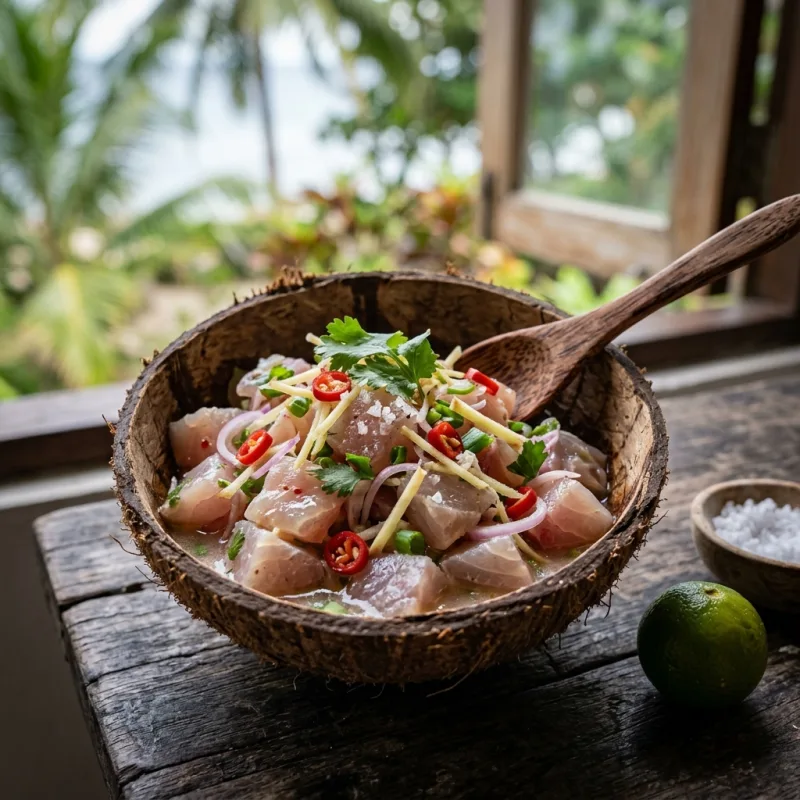
Fresh Kinilaw de Siquijor ceviche served in a coconut shell with calamansi and chilies

Must Try Dish

Kinilaw de Siquijor - Fresh raw reef fish cubes cured in local coconut vinegar, calamansi juice, ginger, chili, and fresh coconut cream. This dish offers a tangy, rich, and refreshing coastal profile distinct to island kitchens.
Food Experiences Title Icon

Food
Experiences

Discover cooking classes, tastings and local food tours

No food experience found
Maya, the human travel expert at TravelingWiz, offering curated, non-AI expertise

Maya’s Final Checklist for Siquijor

Logistics shouldn’t be the focus of your trip—the experience should. I’ve hand-vetted these essential partners to ensure your arrival, stay, and exploration are as smooth as an Athenian breeze.

Where to Stay

From boutique hotels to local apartments—compare thousands of options and find the perfect stay in the best neighborhood.

Air Travel

Getting there should be seamless. Compare the best routes and prices across top airlines to start your journey on the right note.

Local Guides

Connect with experts who know the destination best. Get personalized advice and insider tips to help you plan your perfect trip.

Travel Protection

The “Engineer’s” rule: always have a backup. Secure your trip with a plan that covers every “what if” and unexpected change.

Car Rentals

Explore at your own pace with total freedom. Compare reliable rental options and find the right vehicle for your adventure.

Visa Services

Don’t let paperwork slow you down. Get expert assistance with your application to ensure all your entry documents are in order.

FAQs

Most travelers reach Siquijor via passenger ferry from Dumaguete Port (40 to 60 minutes via fast craft) or Cebu City via Bohol (Tagbilaran). Siquijor also possesses a small airport accommodating intermittent domestic charter flights.
Yes. Siquijor is widely considered one of the safest island destinations in Southeast Asia, with warm locals, low crime rates, and reliable coastal infrastructure.
Rental shops usually require only a valid national driver’s license and passport copy, but an International Driving Permit (IDP) is legally mandated by Philippine traffic police and travel insurance providers.
Renting a scooter offers the highest flexibility for navigating the 75-kilometer coastal road. Alternatively, motorized tricycles can be chartered for point-to-point transfers or private island tours.
Siquijor holds a longstanding reputation in Philippine folklore for traditional herbalists, faith healers, and folk sorcery. Today, local healers (‘mananambal’) practice botanical medicine and traditional hilot massage openly, especially during Holy Week festivals.

Your Insights Matter

TravelingWiz grows through the stories of our community. If you’ve recently explored ,Siquijor share your tips and stories to help us perfect our guides for the next traveler.

Related Articles

Check out our related articles and blog posts to learn even more about the destination.

No related articles found

Don’t Travel Alone

Share with your friends and family

Where should we send your offline card?

We hate spam just as much as you do

newsletter_consent *