

Low – budget‑friendly basics
Medium – moderate mid‑range costs
High – pricey lodging, dining & transport
Disclosure: This site contains affiliate links. We may earn a commission if you make a purchase, at no extra cost to you.
Low – budget‑friendly basics
Medium – moderate mid‑range costs
High – pricey lodging, dining & transport
5 shields = Excellent – very low crime or conflict.
4 shields = Safe – low risk, routine care.
3 shields = Relatively safe – use normal street smarts.
2 shields = Use caution – higher crime or periodic unrest.
1 shields = Avoid – active conflict or extreme danger.
Scores are derived from multi-year peace, homicide and security indices blended into a single 1-to-5 scale.
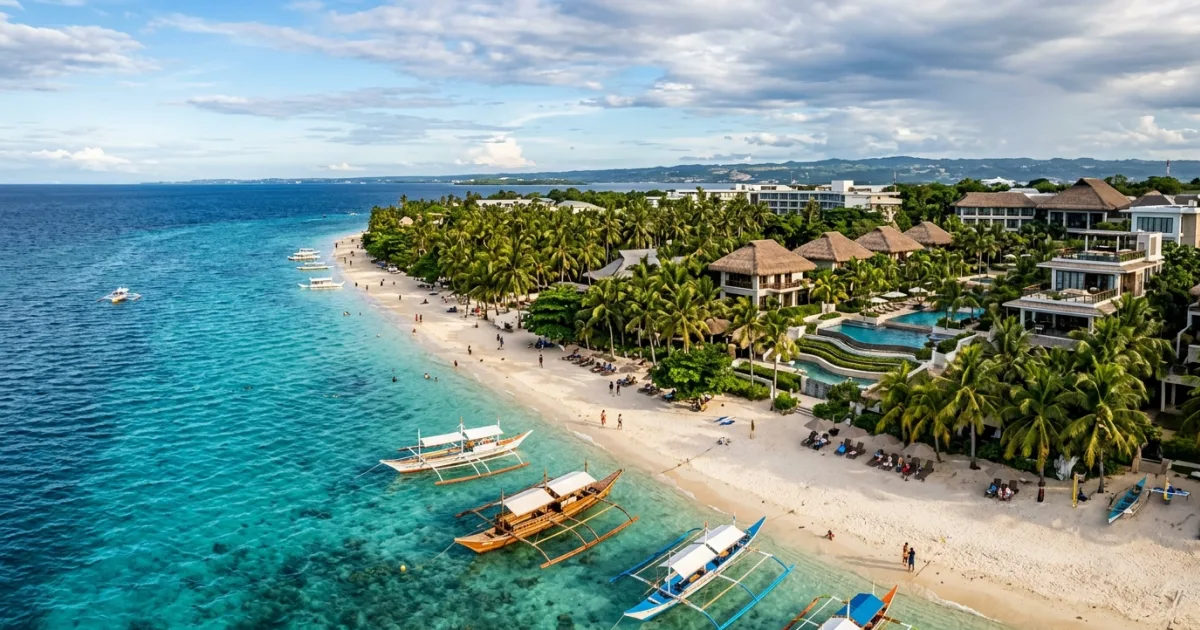
Lapu-Lapu City occupies the majority of Mactan Island in the province of Cebu, serving as the international aviation gateway to the Central Visayas region. The city bears historical significance as the site of the 1521 Battle of Mactan, where chieftain Lapulapu defeated Portuguese explorer Ferdinand Magellan. Modern Lapu-Lapu City blends this rich national heritage with an extensive coastline lined with high-end beach resorts, scuba diving hubs, and export manufacturing zones. Visitors frequently use the city as a base for island hopping across the Olango Channel, diving around thriving coral reefs, and sampling fresh marine delicacies. The urban landscape features a contrast between bustling local commercial districts, traditional guitar-making workshops in Maribago, and gated coastal sanctuaries in Punta Engaño. With direct access via Mactan-Cebu International Airport, the city functions both as a self-contained tropical getaway and a strategic launchpad for wider regional adventures.
Lapu-Lapu City covers an area of 58 square kilometers across Mactan Island and several surrounding islets in the Camotes Sea. Named in honor of Datu Lapulapu, the chieftain who resisted Spanish colonization in the 16th century, the city balances centuries-old pride with rapid commercial modernization. The Mactan Shrine complex in Barangay Mactan marks the historic skirmish site and stands as a central civic monument.
Beyond its historical landmarks, the city is an economic engine driven by the Mactan Export Processing Zone and a booming luxury tourism corridor. Its eastern and northern coastlines host world-class international resorts with private lagoons and marine sanctuaries. The waters off the city's coast offer entry points to notable dive sites along the Mactan drop-off, providing access to pelagic life, underwater caves, and rich macro-fauna.
Tricycles (motorized sidecars) serve as the primary mode of transit for short journeys within neighborhoods and side streets. Modern air-conditioned jeepneys and traditional multicabs operate along fixed routes connecting Mactan Marina Mall, the airport, and coastal resort strips. For greater comfort and direct journeys across bridges to Cebu City, visitors rely on the Grab ride-hailing mobile application or metered white and yellow taxi cabs.
Lapu-Lapu City offers recreational diversity, accommodating guests of all generations through its mix of calm resort environments and water sports.
Lapu-Lapu City was originally established as the town of Opon in 1730 by Augustinian missionaries, before being chartered as a city and renamed after the native chieftain in 1961.

Lapu-Lapu City experiences a tropical rainforest climate marked by warm temperatures year-round, with distinct dry and rainy patterns.
| Month | °C | °F |
|---|---|---|
| Jan | 26 | 79 |
| Feb | 26 | 79 |
| Mar | 27 | 81 |
| Apr | 28 | 82 |
| May | 28 | 82 |
| Jun | 28 | 82 |
| Jul | 27 | 81 |
| Aug | 28 | 82 |
| Sep | 28 | 82 |
| Oct | 27 | 81 |
| Nov | 27 | 81 |
| Dec | 27 | 81 |
Remember to check the weather forecast a few days before the trip and before heading to the airport.
5 shields = Excellent – very low crime or conflict.
4 shields = Safe – low risk, routine care.
3 shields = Relatively safe – use normal street smarts.
2 shields = Use caution – higher crime or periodic unrest.
1 shields = Avoid – active conflict or extreme danger.
Scores are derived from multi-year peace, homicide and security indices blended into a single 1-to-5 scale.
The rating is based on multi-year peace, crime, and security indices. Before you go, always verify current conditions through official government travel advisories.
No internet needed • Includes local translations • Free for TravelingWiz readers

Low – budget‑friendly basics
Medium – moderate mid‑range costs
High – pricey lodging, dining & transport
Per person, per day – pocket cash for small purchases.
Full daily spend estimation (accommodation, food, transportation, attractions).
Travel Style | Philippine Peso (PHP) | ≈ USD ($) |
|---|---|---|
Budget | 2100 | 27 |
Mid-range | 3850 | 65 |
Comfort | 8450 | 170 |
The Prices, Daily costs, and calculator results are estimates for planning purposes only. Actual costs may vary based on season, booking timing, personal spending habits, and currency fluctuations. TravelingWiz cannot be held responsible for discrepancies between these estimates and your final trip expenses.
Choose a ready-made itinerary, plan your own trip, and keep TravelingWiz by your side while you travel.
Get the TravelingWiz app →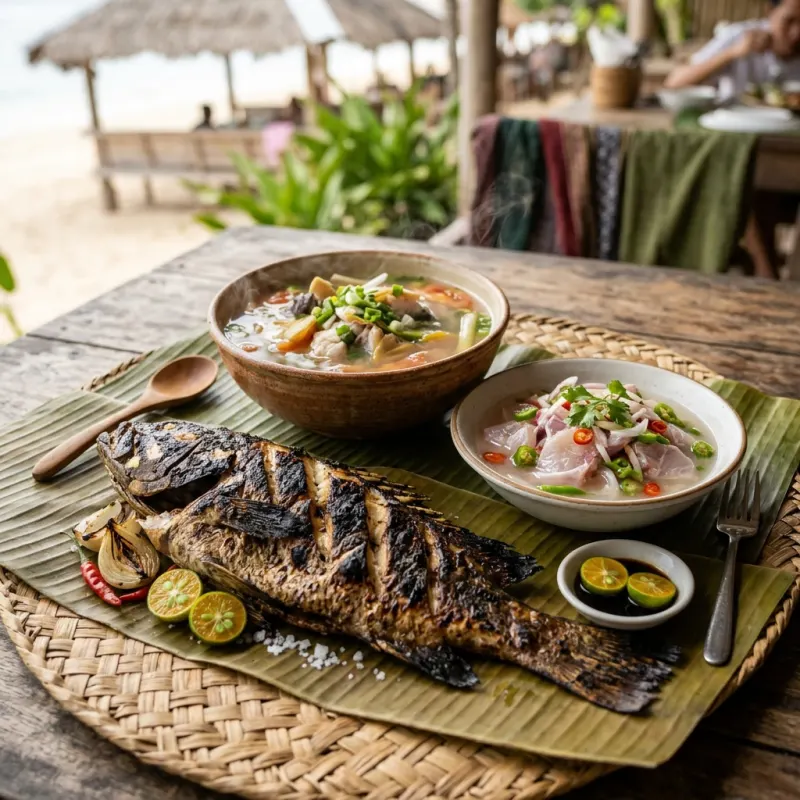
Discover cooking classes, tastings and local food tours
Logistics shouldn’t be the focus of your trip—the experience should. I’ve hand-vetted these essential partners to ensure your arrival, stay, and exploration are as smooth as an Athenian breeze.

Compare accommodation options and choose a stay that suits your plans and budget.
Connect with local guides for personalized help planning and exploring.
The “Engineer’s” rule: always have a backup. Secure your trip with a plan that covers every “what if” and unexpected change.
Don’t let paperwork slow you down. Get expert assistance with your application to ensure all your entry documents are in order.
Check out our related articles and blog posts to learn even more about the destination.
Share with your friends and family
