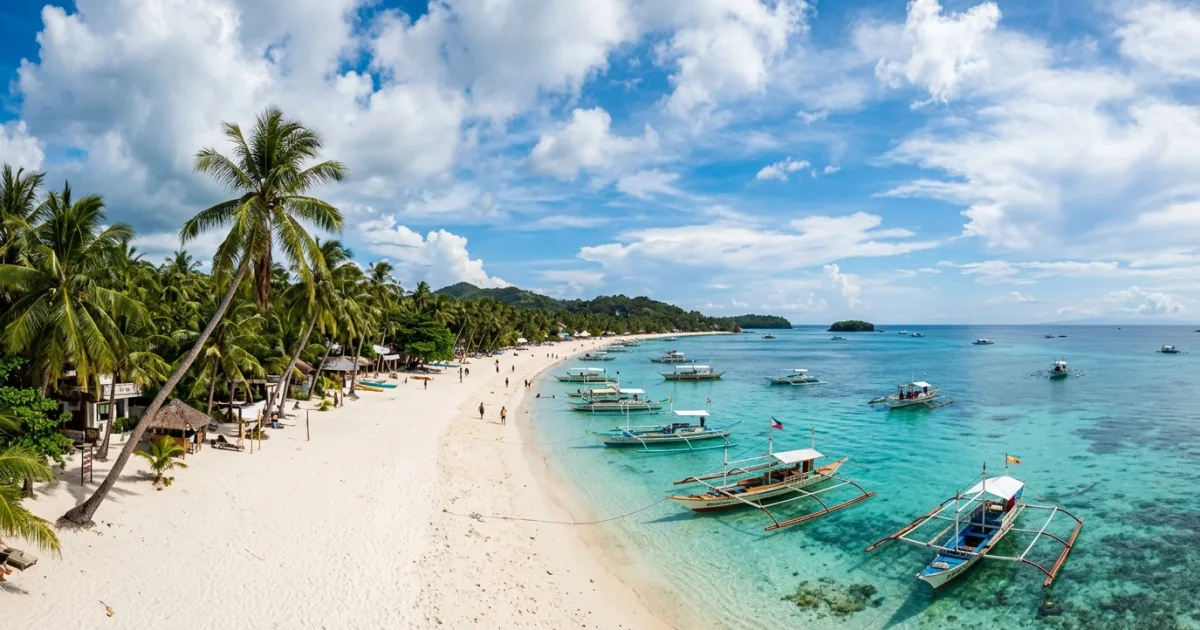
Malapascua Island, nestled in the northern waters of Cebu, is a serene sanctuary steeped in coastal heritage and global marine significance. Known locally as Logon, the island measures just over two square kilometers, making it easy to traverse on foot. Its coastline alternates between powdery white sands like Bounty Beach and craggy limestone headlands overlooking crystalline Visayan waters. The island's intimate scale fosters a close-knit community atmosphere where fishers, local families, and an international community of dive instructors co-exist seamlessly.
What truly sets Malapascua apart from other Southeast Asian islands is its rare underwater topography. The sunken seamounts of Monad Shoal and Kimud Shoal function as cleaning stations where elusive thresher sharks, distinctive for their long whip-like caudal fins, emerge from the abyss every morning. Beyond the sharks, the island serves as a base for exploring dramatic drop-offs, sunken shipwrecks, and vivid coral reefs teeming with mandarin fish, seahorses, and sea turtles.
Reasons to Visit
- Witness pelagic thresher sharks in their natural habitat at Kimud and Monad Shoals.
- Unwind on Bounty Beach, famous for its soft white sand and tranquil swimming waters.
- Embark on an easy boat trip to Kalanggaman Island's iconic sandbar.
- Experience a car-free environment where everything is accessible by foot or motorbike.
- Discover macro underwater photography hotspots loaded with rare marine life.
Things to Avoid
- Avoid using non-reef-safe sunscreens that bleach and damage fragile marine ecosystems.
- Avoid touching, chasing, or using artificial camera strobes when encountering thresher sharks.
- Do not rely on card payments; avoid arriving on the island without sufficient cash.
- Avoid taking unaccredited bangka boat transfers across the channel during inclement weather.
Local Transportation Tips
Malapascua has no paved highways, cars, or conventional taxis. Local transport is exclusively by foot or via 'habal-habal' (motorcycle taxis with local drivers) that navigate the island's narrow dirt paths for a small flat fare (typically 30 to 50 PHP per ride). Coastal transfers and day trips to outer reefs or beaches are operated via motorized outrigger bangka boats.
Travel Etiquette
- Dress modestly when walking through residential village areas away from the resort beaches.
- Respect the ocean: maintain good dive buoyancy and avoid kicking or collecting coral.
- Greet locals with a warm smile; hospitality and polite greetings are deeply appreciated.
- Minimize single-use plastics and dispose of waste responsibly in designated bins.
Recommended Age Group
Malapascua Island appeals across several traveler demographics, though logistics favor active individuals and sea enthusiasts.
- Babies (0-2 years): Not Recommended. Island transfers require boat wading, paths are sandy and bumpy, and pediatric medical support is absent.
- Kids (3-12 years): Neutral. Children enjoy the shallow beaches and boat rides, but non-diving amenities and kid-focused attractions are limited.
- Teens (13-19 years): Recommended. Perfect for active teenagers interested in snorkeling, discovering diving, and water activities.
- Adults (20-64 years): Recommended. An absolute paradise for scuba divers, couples, ocean lovers, and solo backpackers seeking relaxed charm.
- Seniors (65+ years): Neutral. Highly enjoyable for active seniors who love nature, though uneven footpaths and wet boat transfers require good mobility.
Accessibility Level: Medium
- Terrain across Malapascua consists predominantly of unpaved, sandy, and uneven footpaths unsuitable for standard wheelchairs.
- Boarding motorized bangka boats typically requires wading through knee-deep water from shore, presenting challenges for travelers with restricted physical mobility.
- Accommodations are mostly low-rise beachfront bungalows, with minimal roll-in shower or ramp facilities available.
Did You Know?
Local legend says Spanish colonizers named the island 'Malapascua' (Bad Christmas) after landing on its shores during a ferocious storm on Christmas Day in the 16th century.
Cool Statistics
- Maximum land elevation: roughly 30 meters above sea level.
- Average sunrise dive depth for thresher sharks: 18 to 30 meters.
- Total land area: approximately 2.5 square kilometers.






Buy a compatible power adapter for your trip