Western Visayas occupies the western central section of the Philippine archipelago, bridging the large island of Panay (divided into Aklan, Antique, Capiz, and Iloilo provinces) with the island province of Guimaras and the western half of Negros Island (Negros Occidental). This strategic geographical position has historically made the region a thriving crossroads of seafaring commerce, ancestral trade, and Spanish colonial administration, leaving behind stone cathedrals, grand sugar-baron ancestral mansions (bahay na bato), and vibrant coastal communities.
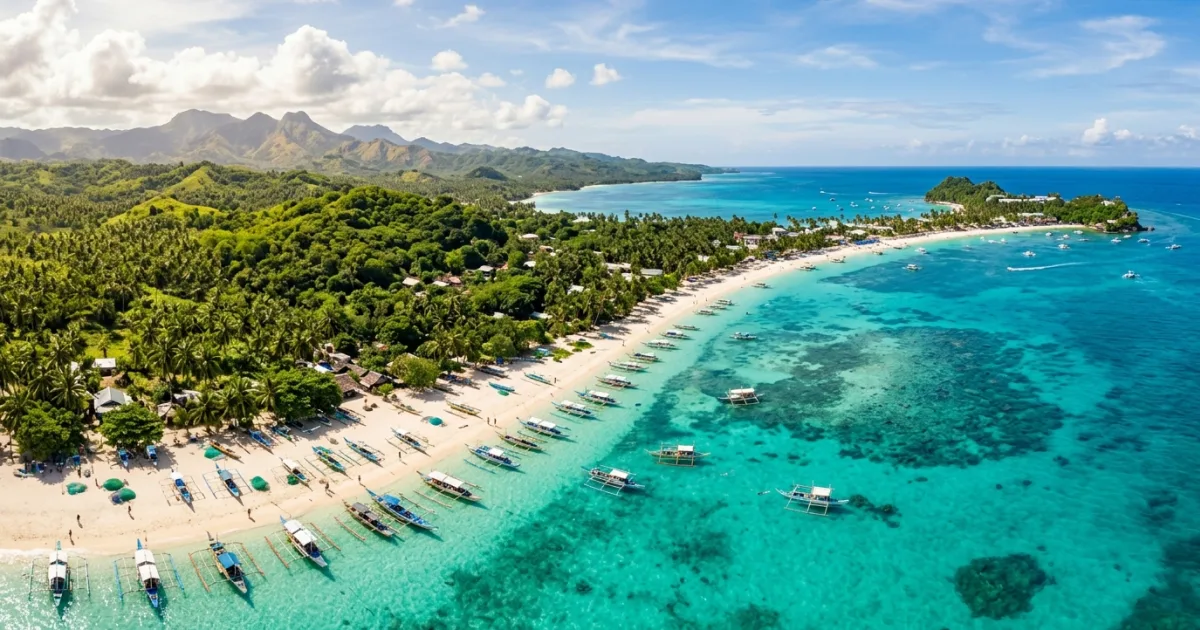
Today, the region is recognized for its extraordinary geographical and cultural balance. Travelers can transition effortlessly from Boracay’s pristine four-kilometer White Beach to the dense mangrove reserves of Capiz, the majestic Spanish-era Miagao Fortress Church, and the thriving culinary hubs of Bacolod and Iloilo. With friendly locals widely admired for their gentle Hiligaynon cadence and genuine hospitality, Western Visayas offers one of the most comprehensive and authentic travel experiences anywhere in the Philippines.
Reasons to Visit
- World-Class Coastal Escapes: Experience Boracay’s fine white sand beaches, Antique’s pristine Seco Island, and the untouched marine sanctuaries of the Gigantes Islands.
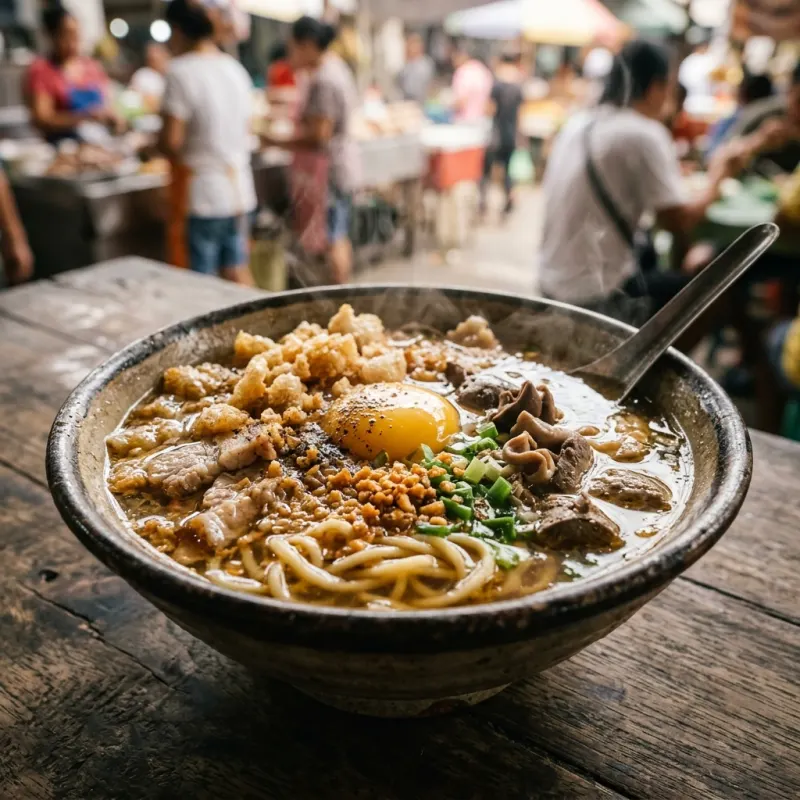
- UNESCO Culinary Recognition: Indulge in Iloilo City’s distinguished gastronomy, savoring authentic Batchoy, coastal oyster feasts, and charcoal-grilled Bacolod chicken inasal.
- Historic Colonial Architecture: Marvel at UNESCO-listed Miagao Church, San Joaquin’s battle-relief facade, and the romantic ruins of the Don Mariano Ledesma Lacson mansion in Talisay.
- High-Energy Cultural Festivals: Witness thunderous drumbeats, indigenous tribal choreographies, and colorful masks during Ati-Atihan, Dinagyang, and MassKara festivals.
Things to Avoid
- Avoid using non-accredited tricycles or unregistered tour boats at ferry terminals; always arrange transfers through official cooperative ticketing counters.
- Do not collect sand, seashells, or marine corals as souvenirs from Boracay or any protected sanctuary, as this is strictly prohibited by law.
- Avoid booking coastal excursions during gale warning flags or coast guard maritime suspensions, particularly during the southwest monsoon season.
- Do not rely entirely on cashless digital wallets (like GCash or credit cards) outside primary provincial cities; rural ATMs can run out of cash on holiday weekends.
Local Transportation Tips
Transit across Western Visayas utilizes an efficient mix of shared modes. Within towns and cities, tricycles and modern colorful jeepneys cover short to medium routes with fares between 15 and 30 PHP. Between major hubs—such as Iloilo City, Kalibo, Roxas City, and Caticlan—air-conditioned Ceres Liner buses and shared passenger vans offer comfortable highway travel. Inter-island transit is managed via high-speed catamarans and public motorized bancas connecting Iloilo, Guimaras, and Bacolod across smooth waterways.
Travel Etiquette
- Greet locals politely using basic Hiligaynon pleasantries; the region is renowned for its gentle, singsong conversational tone (Malambing).
- Dress modestly and remove hats when entering Catholic churches and historical shrines such as Miagao or Jaro Cathedral.
- Always tip service boat crew, guides, and porters carrying bags over narrow tidal boat planks (50 to 100 PHP is customary and appreciated).
- Practice strict leave-no-trace outdoor ethics by packing out all single-use plastics from public beaches and nature reserves.
Recommended Age Group
Western Visayas features balanced logistics, calm sandy shallows, and diverse urban comforts that accommodate varied age demographics.
- Babies (0-2 years): Neutral. Long van rides and small pump boat transfers between islands can prove tiring for infants, though resorts on Boracay and urban hotels in Iloilo cater well to very young families.
- Kids (3-12 years): Recommended. Children enjoy calm shallow waters along White Beach, interactive mango picking in Guimaras, and exploring the expansive ruins of Talisay.
- Teens (13-19 years): Recommended. Water sports, paddleboarding, snorkeling around Gigantes, and street food safaris in Bacolod offer compelling activities for teenagers.
- Adults (20-64 years): Recommended. The region provides an ideal blend of island nightlife, heritage architecture, diving sanctuaries, and world-class regional cuisine.
- Seniors (65+ years): Recommended. Accessible heritage trails in Iloilo, gentle coastal resorts in Boracay, and private chartered van tours offer comfortable, scenic travel for older travelers.
Accessibility Level: Medium
- Modern domestic airport terminals (Iloilo, Caticlan, Bacolod) feature accessible ramps, low boarding desks, and wheelchair assistance.
- Major beachfront promenade hotels in Boracay Station 1 and 2 offer zero-barrier ramp access, though beach sand traversal requires specialty all-terrain chairs.
- Public motorized bancas typically lack mechanical lift access and require walking across narrow gangplanks; travelers with reduced mobility should opt for large modern RORO ferries.
- Urban centers like Iloilo City feature wide, smooth river esplanades that are fully wheelchair and stroller-friendly.
Did You Know?
Guimaras Island produces mangoes so exceptionally sweet and pest-free that they have been served at both Buckingham Palace and the White House. To protect this world-class genetic strain, bringing any outside mangoes or mango saplings onto the island of Guimaras is strictly forbidden by provincial quarantine law.
Cool Statistics
- Over 4 kilometers of continuous powdery talcum-white sand make up Boracay's world-famous White Beach.
- Iloilo City became the first city in the Philippines to be named a UNESCO Creative City of Gastronomy in 2023.
- The UNESCO-listed Miagao Church features walls over 1.5 meters thick, engineered in 1797 to withstand both earthquakes and pirate raids.






Buy a compatible power adapter for your trip