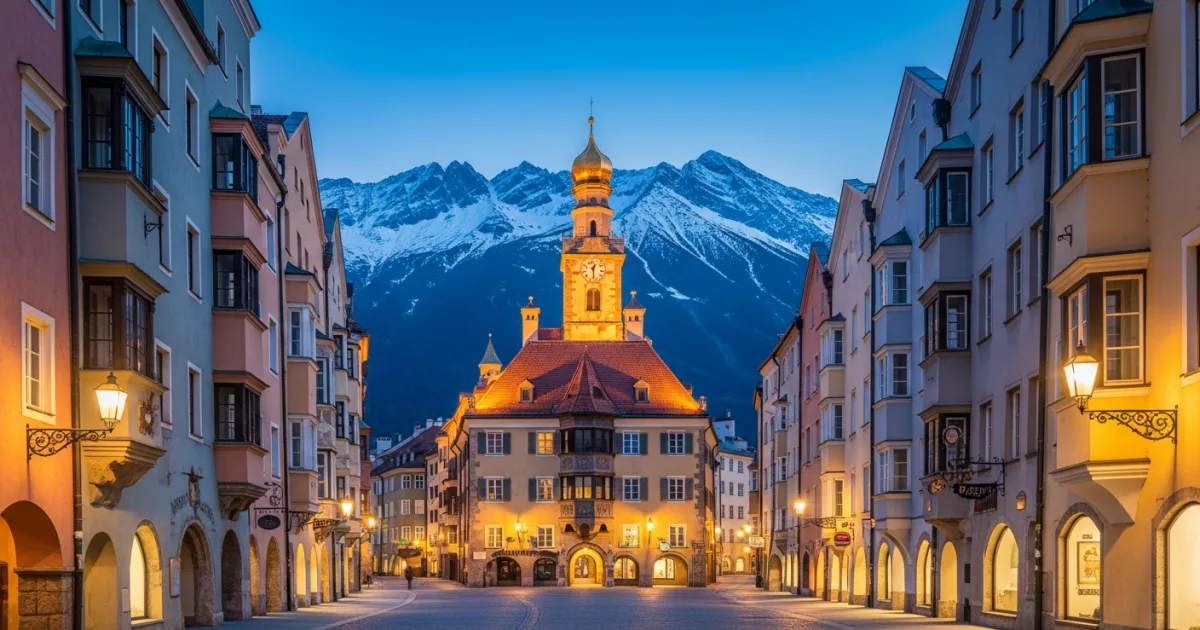
Altstadt Innsbruck is a masterclass in historical preservation set against one of the most dramatic natural backdrops in Europe. The neighborhood's layout has remained largely unchanged since the Middle Ages, characterized by its narrow, winding streets and the imposing presence of the Nordkette mountains looming at the end of almost every alleyway. The architecture is a visual feast of Gothic and Baroque styles, with the pastel facades of the burgher houses featuring intricate stuccowork, frescoes, and traditional Tyrolean bay windows known as 'Erker'.
Beyond the famous Goldenes Dachl, the Old Town is home to the Hofburg (Imperial Palace), once a favored residence of the Habsburgs, and the Hofkirche, which houses the spectacular, albeit empty, tomb of Emperor Maximilian I, guarded by 28 larger-than-life bronze statues. The area is not just a museum piece; it is a vibrant, living neighborhood. Street musicians play classical music in the squares, locals gather in historic coffee houses like Café Munding (Tyrol's oldest pastry shop), and boutique stores sell everything from high-end fashion to traditional Lederhosen and Swarovski crystals.
Reasons to Visit
- Witness the iconic Goldenes Dachl (Golden Roof) shimmering in the sunlight.
- Experience the unique juxtaposition of medieval architecture and towering alpine peaks.
- Explore the opulent Imperial Palace (Hofburg) and the fascinating Court Church (Hofkirche).
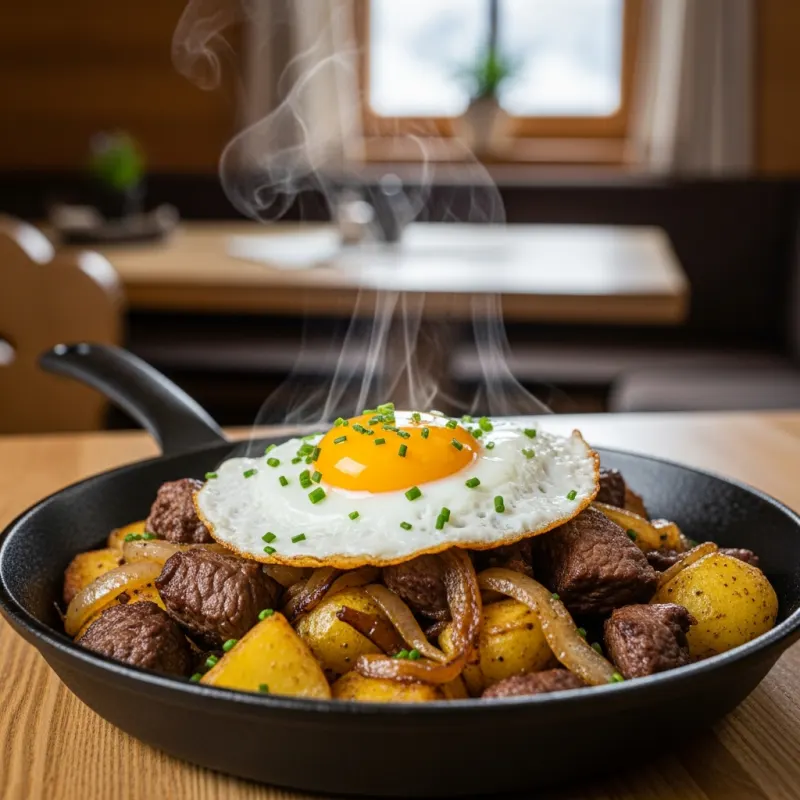
- Enjoy world-class Austrian cafe culture and hearty Tyrolean cuisine in historic settings.
- Shop for traditional crafts, local schnapps, and Swarovski crystals in boutique stores.
Things to Avoid
- Avoid driving into the Old Town; it is a strict pedestrian zone and parking fines are hefty.
- Skip eating at the restaurants immediately adjacent to the Goldenes Dachl if you are on a strict budget, as they tend to carry a tourist premium.
- Don't forget to look up; many of the most beautiful architectural details and frescoes are on the upper stories of the buildings.
- Avoid wearing high heels; the historic cobblestone streets can be uneven and challenging to navigate.
Local Transportation Tips
Altstadt Innsbruck is entirely walkable and is best explored on foot due to its pedestrian-only status. For reaching attractions outside the Old Town, Innsbruck has an excellent public transportation network of trams and buses operated by IVB. The central hub for many lines is just outside the Old Town at Marktplatz or Museumstraße. If you plan to visit the mountains, the Hungerburgbahn funicular station is conveniently located at the edge of the Old Town near the Congress center.
Travel Etiquette
- Greet shopkeepers with a polite 'Grüß Gott' or 'Guten Tag' when entering a store.
- Tipping in restaurants is customary; round up the bill or leave about 5-10% for good service.
- Keep noise levels down in the evenings, as the Old Town is also a residential area.
- Respect the pedestrian zones; watch out for the occasional cyclist or authorized vehicle.
Recommended Age Group
Altstadt Innsbruck is a versatile destination that appeals to a wide range of travelers, offering a mix of history, culture, and accessible alpine adventures.
- Babies (0-2 years): Recommended. The pedestrianized streets are safe, though some cobblestones can be bumpy for strollers.
- Kids (3-12 years): Recommended. Children will enjoy the open squares, the Audioversum Science Center nearby, and the quick cable car ride up the mountains.
- Teens (13-19 years): Recommended. The mix of shopping, vibrant cafe culture, and easy access to outdoor sports makes it highly engaging.
- Adults (20-64 years): Recommended. Perfect for history buffs, foodies, and those looking to combine urban exploration with alpine activities.
- Seniors (65+ years): Recommended. The area is flat, highly walkable, and offers plenty of benches and cafes for resting, though the cobblestones require comfortable footwear.
Accessibility Level: Medium
- The Old Town is generally flat and pedestrianized, making it accessible for wheelchair users, though the cobblestone streets can cause some vibration.
- Most major museums, including the Hofburg and the Tiroler Landesmuseum, are fully wheelchair accessible with elevators.
- The Hungerburgbahn funicular and the Nordkettenbahnen cable cars are wheelchair accessible, allowing everyone to enjoy the mountain views.
- Accessible public restrooms are available near major tourist spots, including the Goldenes Dachl and the Congress center.
Did You Know?
The Goldenes Dachl was built by Archduke Friedrich IV in the early 15th century as the residence of the Tyrolean sovereigns, but the famous golden roof itself was added later by Emperor Maximilian I in 1500 to mark his wedding to Bianca Maria Sforza. He used the balcony to observe tournaments and street life in the square below.
Cool Statistics
- The Goldenes Dachl is covered with exactly 2,657 fire-gilded copper tiles.
- The Stadtturm (City Tower) stands 51 meters tall and requires climbing 133 steps to reach the viewing platform.
- Innsbruck has hosted the Winter Olympics twice, in 1964 and 1976, a testament to its premier alpine location.
- The Hofkirche contains 28 massive bronze statues, known locally as the 'Schwarze Mander' (Black Men), though some actually depict women.






Buy a compatible power adapter for your trip