

Low – budget‑friendly basics
Medium – moderate mid‑range costs
High – pricey lodging, dining & transport
Disclosure: This site contains affiliate links. We may earn a commission if you make a purchase, at no extra cost to you.
Low – budget‑friendly basics
Medium – moderate mid‑range costs
High – pricey lodging, dining & transport
5 shields = Excellent – very low crime or conflict.
4 shields = Safe – low risk, routine care.
3 shields = Relatively safe – use normal street smarts.
2 shields = Use caution – higher crime or periodic unrest.
1 shields = Avoid – active conflict or extreme danger.
Scores are derived from multi-year peace, homicide and security indices blended into a single 1-to-5 scale.
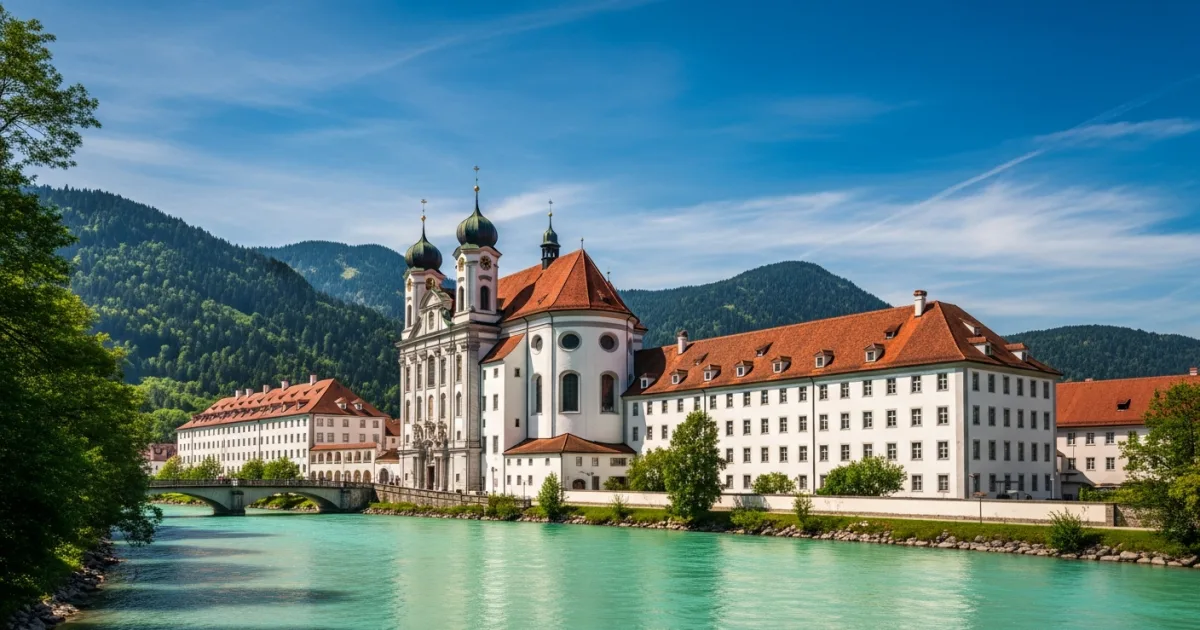
St Mang Abbey (Kloster Sankt Mang) is a former Benedictine monastery located in the heart of Füssen, Bavaria, Germany. Founded in the 9th century by Saint Magnus, the current Baroque complex was constructed between 1697 and 1726 under the direction of architect Johann Jakob Herkomer. The abbey now houses the Museum of Füssen, which showcases the region's rich history, including its prominent role as a European center for lute and violin making. Visitors can explore the lavishly decorated Imperial Hall (Kaisersaal), the historic library, and the oldest preserved fresco in Bavaria located in the crypt. Exploring the abbey offers a deep dive into the cultural and religious heritage of the Allgäu region. The museum's extensive collection of historical stringed instruments highlights Füssen's artisanal legacy, while the ornate Baroque architecture provides a stunning visual experience. Situated just a short distance from the famous Neuschwanstein Castle, St Mang Abbey serves as a quieter, highly enriching complement to the bustling tourist hotspots nearby. The surrounding Altstadt (Old Town) of Füssen further enhances the visit with its charming cobblestone streets, traditional Bavarian cafes, and scenic views of the Lech River.
St Mang Abbey stands as a testament to the rich spiritual and cultural history of the Allgäu region. Founded in the 9th century by the Irish-Gallican monk Magnus, the site evolved over centuries into a powerful Benedictine monastery. The current architectural masterpiece is a result of a massive Baroque reconstruction initiated in the late 17th century by local architect Johann Jakob Herkomer. Herkomer's vision transformed the medieval complex into a symmetrical, Italian-inspired Baroque marvel. Today, the south wing of the abbey houses the Museum of Füssen, which offers visitors a comprehensive look at the town's history. One of the most significant exhibits is the collection of historical lutes and violins, highlighting Füssen's status as the cradle of commercial lute making in Europe. The museum also grants access to the abbey's most stunning rooms, including the lavishly frescoed Imperial Hall (Kaisersaal) and the intricately designed library.
St Mang Abbey is centrally located in the Altstadt (Old Town) of Füssen and is best explored on foot. The town itself is highly walkable, with many pedestrian-only zones. If you are arriving by train, the Füssen train station is only a 5 to 10-minute walk from the abbey. For those traveling from nearby castles or villages, local buses frequently stop at the central bus station adjacent to the train station. Bicycles are also a popular mode of transport in the region, with numerous rental shops available nearby.
St Mang Abbey offers a serene and educational experience that appeals to a variety of age groups, particularly those with an interest in history, art, and music.
Did you know that Füssen was the first city in Europe to establish a guild for lute makers? In 1562, the town's instrument makers formed a guild, setting strict quality standards and cementing Füssen's reputation as a premier center for musical instrument craftsmanship across the continent.

The best time to visit St Mang Abbey is during the late spring to early autumn months (May to September) when the weather in Bavaria is mild and pleasant.
| Month | °C | °F |
|---|---|---|
| Jan | 0 | 32 |
| Feb | 2 | 36 |
| Mar | 4 | 39 |
| Apr | 7 | 45 |
| May | 10 | 50 |
| Jun | 17 | 63 |
| Jul | 18 | 64 |
| Aug | 17 | 63 |
| Sep | 14 | 57 |
| Oct | 10 | 50 |
| Nov | 4 | 39 |
| Dec | 1 | 34 |
Remember to check the weather forecast a few days before the trip and before heading to the airport.
5 shields = Excellent – very low crime or conflict.
4 shields = Safe – low risk, routine care.
3 shields = Relatively safe – use normal street smarts.
2 shields = Use caution – higher crime or periodic unrest.
1 shields = Avoid – active conflict or extreme danger.
Scores are derived from multi-year peace, homicide and security indices blended into a single 1-to-5 scale.
The rating is based on multi-year peace, crime, and security indices. Before you go, always verify current conditions through official government travel advisories.
No internet needed • Includes local translations • Free for TravelingWiz readers

Low – budget‑friendly basics
Medium – moderate mid‑range costs
High – pricey lodging, dining & transport
Per person, per day – pocket cash for small purchases.
Full daily spend estimation (accommodation, food, transportation, attractions).
Travel Style | Euro (EUR) | ≈ USD ($) |
|---|---|---|
Budget | 120 | 139 |
Mid-range | 220 | 254 |
Comfort | 480 | 555 |
The Prices, Daily costs, and calculator results are estimates for planning purposes only. Actual costs may vary based on season, booking timing, personal spending habits, and currency fluctuations. TravelingWiz cannot be held responsible for discrepancies between these estimates and your final trip expenses.
Choose a ready-made itinerary, plan your own trip, and keep TravelingWiz by your side while you travel.
Get the TravelingWiz app →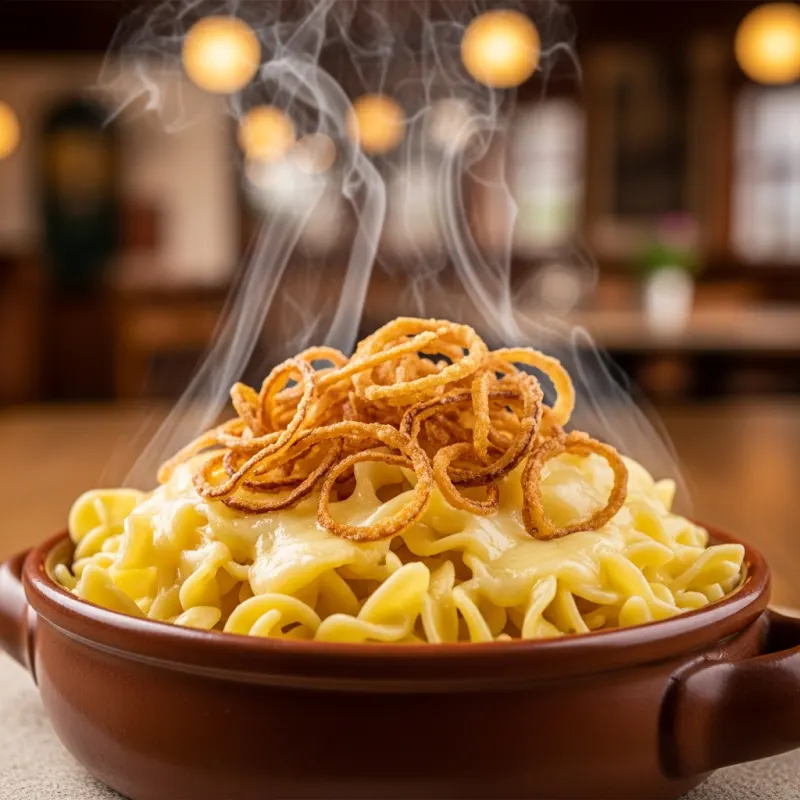
Discover cooking classes, tastings and local food tours
Logistics shouldn’t be the focus of your trip—the experience should. I’ve hand-vetted these essential partners to ensure your arrival, stay, and exploration are as smooth as an Athenian breeze.

Compare accommodation options and choose a stay that suits your plans and budget.
Connect with local guides for personalized help planning and exploring.
The “Engineer’s” rule: always have a backup. Secure your trip with a plan that covers every “what if” and unexpected change.
Don’t let paperwork slow you down. Get expert assistance with your application to ensure all your entry documents are in order.
Check out our related articles and blog posts to learn even more about the destination.
Share with your friends and family
