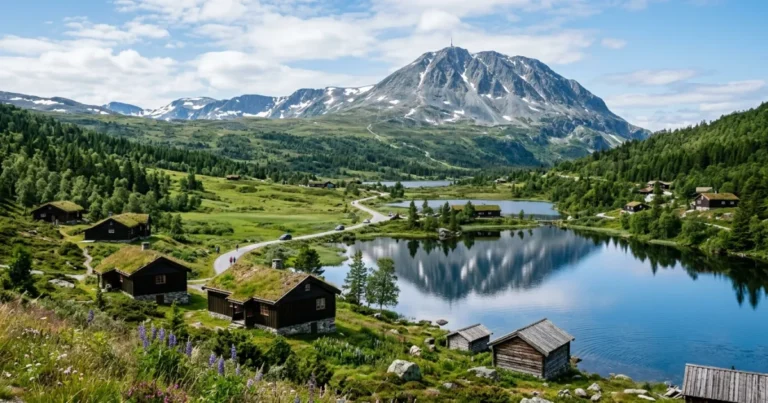
Eastern Norway is a region of striking contrasts, where the cosmopolitan energy of Oslo seamlessly transitions into the profound silence of ancient pine forests and alpine tundra. The region is geographically diverse, encompassing the fertile agricultural lands around Lake Mjøsa—Norway's largest lake—and the dramatic, glaciated peaks of the Jotunheimen mountain range, home to Galdhøpiggen, Northern Europe's highest mountain. This diversity makes it a premier destination for 'Slow Travel Nature' enthusiasts and those seeking 'Coolcations' away from sweltering southern climates.
Culturally, Eastern Norway is the historic seat of Norwegian power and industry. Visitors can trace the nation's history from the well-preserved Viking ships on the Bygdøy peninsula to the silver mines of Kongsberg and the medieval ruins in Hamar. The region's infrastructure is highly developed, offering 'Digital Nomad Luxury' in its cities and 'Off-Grid Glamping' in its remote valleys. Whether you are navigating the scenic routes by electric vehicle or enjoying the world-class culinary scene that champions local foraging and farm-to-table practices, Eastern Norway delivers a sophisticated yet deeply grounded travel experience.
Reasons to Visit
- Unmatched Outdoor Recreation: Access to Jotunheimen and Rondane National Parks for world-class hiking and mountaineering.
- Winter Sports Capital: Home to Norway's largest and most popular ski resorts, including Trysil and Hemsedal.
- Cultural Hub: Oslo offers cutting-edge architecture, the Munch Museum, and the spectacular Opera House.
- Sustainable Travel: Norway leads the world in eco-friendly tourism, with extensive EV charging networks and green-certified hotels.
- Right to Roam: 'Allemannsretten' allows visitors to hike and camp freely in uncultivated nature.
Things to Avoid
- Buying Bottled Water: It is an unnecessary expense and environmentally unfriendly; tap water is excellent.
- Underestimating the Weather: Mountain weather changes rapidly. Never hike without proper gear, even if it looks sunny.
- Speeding: Traffic fines in Norway are exceptionally high, and speed cameras are common.
- Relying Solely on Cash: Many places, including buses and small cafes, only accept card or mobile payments.
Local Transportation Tips
Eastern Norway boasts a highly efficient and modern public transportation system. The Vy train network connects Oslo to major regional hubs, offering incredibly scenic journeys like the Bergen Line (which starts in Eastern Norway). Regional buses (Nettbuss/Vy Express) fill in the gaps, reaching smaller towns and ski resorts. For ultimate freedom, renting an electric vehicle (EV) is highly recommended, as the region has one of the densest EV charging networks in the world. Ferries also operate on the Oslofjord, providing a scenic way to travel between coastal towns.
Travel Etiquette
- Respect Personal Space: Norwegians value privacy and personal space; avoid standing too close or initiating unnecessary small talk with strangers.
- Punctuality is Key: Being on time is highly respected in Norwegian culture, whether for a tour, a dinner reservation, or a meeting.
- Leave No Trace: When enjoying the 'Right to Roam', it is strictly expected that you leave nature exactly as you found it.
- Tipping: Tipping is not mandatory as service charges are included, but rounding up the bill or leaving 5-10% for exceptional service in restaurants is appreciated.
Recommended Age Group
Eastern Norway offers a highly versatile environment suitable for travelers of all ages, from accessible urban centers to rugged mountain trails.
- Babies (0-2 years): Recommended. Norway's excellent infrastructure, clean environment, and widespread availability of baby-changing facilities make it highly accommodating for infants.
- Kids (3-12 years): Recommended. Interactive museums in Oslo, family-friendly ski resorts like Trysil, and numerous nature parks provide endless entertainment.
- Teens (13-19 years): Recommended. Thrilling outdoor activities such as zip-lining, alpine skiing, and mountain biking will keep teenagers highly engaged.
- Adults (20-64 years): Recommended. Adults can fully appreciate the region's culinary scene, challenging hiking routes in Jotunheimen, and rich cultural heritage.
- Seniors (65+ years): Recommended. The region offers excellent public transport, accessible scenic train rides, and comfortable, high-quality lodges.
Accessibility Level: Medium
- Public Transport: Trains and city buses in Eastern Norway are generally fully accessible, featuring low floors and ramps.
- Attractions: Major museums and cultural sites in Oslo and larger towns are equipped with elevators, ramps, and accessible restrooms.
- Nature Trails: While rugged mountains are challenging, many national parks offer specific 'Accessible Travel' trails that are flat, paved, or boarded for wheelchair users.
- Accommodation: Most modern hotels and resorts offer barrier-free rooms, though it is advisable to book these well in advance.
Did You Know?
Eastern Norway is home to the world's oldest ski museum, located at the base of the Holmenkollen ski jump in Oslo, showcasing over 4,000 years of skiing history. Additionally, the region's Lake Mjøsa is so deep (468 meters) that its bottom is actually below sea level.
Cool Statistics
- Highest Peak: Galdhøpiggen, located in Eastern Norway's Jotunheimen National Park, stands at 2,469 meters (8,100 feet).
- Forest Cover: Over 50% of Eastern Norway is covered by dense forests, primarily pine and spruce.
- EV Adoption: Over 80% of new cars sold in the region are fully electric, making it a global leader in green transit.








Buy a compatible power adapter for your trip