Disclosure: This site contains affiliate links. We may earn a commission if you make a purchase, at no extra cost to you.
Inverness

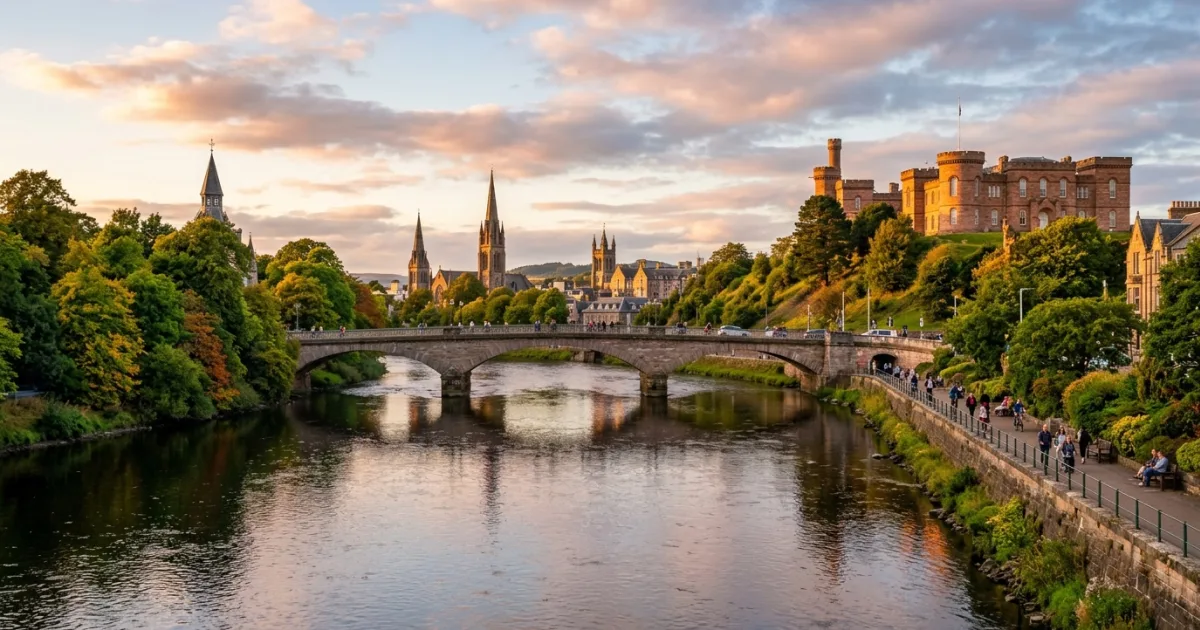
Panoramic view of Inverness Castle and the River Ness during sunset

Basic Info

COUNTRY & Region

United Kingdom,
Europe

ACCESSIBILITY LEVEL​

  • High: Widely accessible with good facilities for disabilities.
  • Medium: Some accessible options, but limitations exist.
  • Low: Limited accessibility; many barriers for disabilities.
Medium

LOCAL CURRENCY​

British Pound (GBP)

Price Level

Low – budget‑friendly basics

Medium – moderate mid‑range costs

High – pricey lodging, dining & transport

Medium

SAFETY LEVEL

5 shields = Excellent – very low crime or conflict.

4 shields = Safe – low risk, routine care.

3 shields = Relatively safe – use normal street smarts.

2 shields = Use caution – higher crime or periodic unrest.

1 shields = Avoid – active conflict or extreme danger.

Scores are derived from multi-year peace, homicide and security indices blended into a single 1-to-5 scale.

Recommended Duration

1-7 days, Full day

Inverness Overview & Key Highlights

Inverness sits at the mouth of the River Ness in northeast Scotland, functioning as the cultural capital and commercial administrative center of the Scottish Highlands. The compact city serves as the primary gateway to Loch Ness, the Moray Firth, and the world-renowned North Coast 500 driving route. Historically significant sites such as Culloden Battlefield and the 18th-century artillery fortress Fort George anchor the surrounding terrain, offering deep insights into Highland clan history and military fortifications. The urban center features stone bridges, riverside walking trails along the Ness Islands, and a thriving traditional music scene centered around historic pubs. Inverness combines reliable transit connections and well-developed tourist amenities with immediate access to raw Highland glens, ancient pine forests, and dramatic coastal waters populated by resident bottlenose dolphins.

Inverness Travel Guide: Logistics & In-Depth Tips

Inverness holds a strategic position at the confluence of the River Ness, the Caledonian Canal, and the Beauly and Moray Firths. As the undisputed capital of the Highlands, it acts as the primary service, dining, and transit hub for the vast, sparsely populated northern counties of Scotland. While boasting a 6th-century foundation linked to Saint Columba, modern Inverness reflects Victorian civic architecture, sandstone churches, and carefully cultivated public green spaces.

Beyond its urban core, Inverness anchors pivotal chapters of British history. Just five miles east lies Culloden Moor, the site of the 1746 battle that ended the Jacobite Rising and fundamentally reshaped Highland clan society. Waterways define the surrounding topography, from the deep glacial trench of Loch Ness to the tidal waters of the Moray Firth, where wild bottlenose dolphins congregate off Chanonry Point. Inverness is both a destination in its own right and the ideal launchpad for road trips across northwestern Scotland.

Reasons to Visit

  • Immediate access to Loch Ness and the dramatic ruins of Urquhart Castle
  • Proximity to Culloden Battlefield, providing powerful living-history exhibits of the 1746 clash
  • Scenic walking trails through the Ness Islands connected by Victorian suspension bridges
  • Traditional live folk and fiddle sessions at venues like The Gellions and Hootananny
  • Convenient starting point for driving the world-famous North Coast 500 route

Things to Avoid

  • Avoid expecting monster sightings to be the primary highlight; Loch Ness is best appreciated for its vast scale, ancient history, and dramatic mountain scapes.
  • Avoid traveling during summer without pre-booked accommodations or car rentals, as inventory sells out months ahead.
  • Avoid stepping off marked trails on Culloden Moor, which remains an active war grave and sacred historical ground.
  • Avoid underestimating northern Scottish weather shifts; always carry waterproof outerwear even on clear mornings.

Local Transportation Tips

Inverness is an exceptionally walkable city, with the train station, bus terminal, and main riverside attractions situated within a 15-minute radius. Stagecoach operates regular local bus routes connecting the city center to Inverness Airport (INV), Culloden Battlefield, and villages along Loch Ness like Drumnadrochit. Inverness Railway Station links directly to Edinburgh, Glasgow, and Aberdeen, as well as the scenic West Highland lines to the Isle of Skye (via Kyle of Lochalsh) and the Far North Line to Wick and Thurso. Licensed taxis and private car hires are readily available across the city.

Travel Etiquette

  • Respect grave markers and clan stones at Culloden Battlefield by staying strictly on pedestrian walkways and speaking in quiet tones.
  • Adhere to the Scottish Outdoor Access Code when hiking through private or public estate land by closing livestock gates and carrying out all litter.
  • Queue politely at bus stops and taxi ranks, which is customary throughout Scotland.
  • In pubs, order your drinks and food directly at the bar counter unless an explicit host or table-service system is indicated.

Recommended Age Group

Inverness caters exceptionally well to diverse generations, from school-age children learning Highland lore to mature travelers seeking gentle cultural immersion.

  • Babies (0-2 years): Neutral. Cobblestone sections and wet weather require good pram suspension and rain shields, though riverside paths are paved and flat.
  • Kids (3-12 years): Recommended. Searching for Nessie on boat cruises, exploring hands-on history at Culloden, and spotting dolphins at Chanonry Point captivate young minds.
  • Teens (13-19 years): Recommended. Outdoor pursuits, high-speed RIB boat rides on the loch, Outlander film location connections, and mountain biking keep teenagers engaged.
  • Adults (20-64 years): Recommended. Exceptional access to single malt whisky distilleries, challenging hikes, vibrant folk pubs, and scenic driving loops.
  • Seniors (65+ years): Recommended. Flat riverside walks, accessible tour buses, compact historic core, and direct scenic rail connections ensure a relaxed itinerary.

Accessibility Level: Medium

  • The Ness Islands walking loop features level, wide tarmac pathways suitable for wheelchairs and pushchairs.
  • The Culloden Battlefield Visitor Centre provides step-free level access, hearing loops, tactile displays, and motorized scooters for hire.
  • Local Stagecoach buses serving Inverness Airport and suburban attractions are low-floor and equipped with wheelchair ramps.
  • Historic castles such as Urquhart feature paved upper viewing platforms, though lower ruins include uneven stone steps and steep turf banks.

Did You Know?

King Macbeth ruled Moray from a stronghold in Inverness during the 11th century, inspiring William Shakespeare's famous tragedy, although the historical castle sat on a ridge northeast of the present-day Victorian red sandstone fortress.

Cool Statistics

  • Inverness gained official UK city status in the year 2000 as part of the Millennium celebrations.
  • The Caledonian Canal, running through the western edge of Inverness, spans 60 miles across Scotland from coast to coast.
  • Loch Ness holds more fresh water than all the lakes, reservoirs, and rivers in England and Wales combined.

Address:

Inverness, United Kingdom

Find Nearby Accommodations

Electricity

220-240V, 
50Hz

Plug Type

Type G (Three rectangular pins in a triangular pattern)
Plug types
Click To View Plug Types
Inverness is part of our
Coolcation collection

Activities To Do In Inverness

Best Time To Visit Inverness

Inverness offers distinct seasonal experiences shaped by its northern maritime climate.

  • May to September: The best period for outdoor activities, offering long daylight hours, milder temperatures averaging 15°C to 19°C, and fully operational boat cruises and heritage sites.
  • October to November: Autumn brings vivid foliage throughout the Great Glen, fewer crowds, and crisp conditions ideal for photography.
  • December to February: Cold and short daylight hours, though well-suited for cozy fireside pub sessions, nearby winter sports in the Cairngorms, and off-season accommodation rates.
  • March to April: Spring brings wild daffodils, awakening wildlife, and lower rainfall compared to mid-winter.

Average Temperatures Per Month

Average monthly temperaturesMonthly source values, with Celsius and Fahrenheit equivalents in the following data table.-5°23°1°34°8°46°14°57°20°68°JanJan: 4°C / 39°FFebFeb: 4°C / 39°FMarMar: 5°C / 41°FAprApr: 7°C / 45°FMayMay: 11°C / 52°FJunJun: 14°C / 57°FJulJul: 15°C / 59°FAugAug: 15°C / 59°FSepSep: 13°C / 55°FOctOct: 10°C / 50°FNovNov: 7°C / 45°FDecDec: 4°C / 39°F
View temperature data
Average monthly temperatures
Month°C°F
Jan439
Feb439
Mar541
Apr745
May1152
Jun1457
Jul1559
Aug1559
Sep1355
Oct1050
Nov745
Dec439

Remember to check the weather forecast a few days before the trip and before heading to the airport.

Safety Level

5 shields = Excellent – very low crime or conflict.

4 shields = Safe – low risk, routine care.

3 shields = Relatively safe – use normal street smarts.

2 shields = Use caution – higher crime or periodic unrest.

1 shields = Avoid – active conflict or extreme danger.

Scores are derived from multi-year peace, homicide and security indices blended into a single 1-to-5 scale.

Inverness is considered one of the safest cities in the United Kingdom, with very low rates of violent crime. Visitors should exercise standard caution around riverside footpaths at night when lighting is dim, and check mountain weather forecasts thoroughly before heading into nearby hills or remote glens.

The rating is based on multi-year peace, crime, and security indices. Before you go, always verify current conditions through official government travel advisories.

Emergency Numbers

Police: 999
Ambulance: 999

No internet needed • Includes local translations • Free for TravelingWiz readers

Spoken Languages

English is universally spoken throughout Inverness. Scottish Gaelic is preserved through local bilingual signage, dedicated Gaelic medium education, and regional cultural events.
Travel Booking Partner - TravelingWiz

Learn The Language

  • Hello: Halò (Scottish Gaelic) / Hello
  • Good morning: Madainn mhath (Scottish Gaelic) / Good morning
  • Thank you: Tapadh leat (Scottish Gaelic) / Cheers or Thank you
  • Goodbye: Mar sin leibh (Scottish Gaelic) / Bye
  • Please: Mas e do thoil e (Scottish Gaelic) / Please
  • Where is…?: Càite a bheil…? (Scottish Gaelic) / Where is…?
  • Yes: Tha (Scottish Gaelic) / Aye (Scots dialect)
  • No: Chan eil (Scottish Gaelic) / Naw (Scots dialect)

Trip Cost & Budgeting for Inverness, 2026

Everything you need to know about money while traveling
Is Inverness expensive for tourists in 2026? Inverness offers a moderate budget option compared to larger UK cities like London or Edinburgh. You can expect to pay around £3.20 for a cappuccino, £4.50 for a pint of domestic beer, and £20 for a standard main meal at a mid-range restaurant. Featuring Human Verified prices, this destination balances Scottish Highlands charm with reasonable local costs. Use the data table below to calculate your specific daily budget based on your travel style.

LOCAL CURRENCY​:

British Pound (GBP)

Price Level:

Low – budget‑friendly basics

Medium – moderate mid‑range costs

High – pricey lodging, dining & transport

Medium

Cards Vs. Cash

Credit and debit cards are accepted almost everywhere in Inverness, so cash is rarely necessary.

How Much Cash to Carry (on you)

Per person, per day – pocket cash for small purchases.

Local: 14
British Pound (GBP)
≈ 18 USD

Average Daily Costs (per person)

Full daily spend estimation (accommodation, food, transportation, attractions).

Travel Style
British Pound (GBP)
≈ USD ($)
Budget
75
98
Mid-range
140
183
Comfort
310
406
Note

The Prices, Daily costs, and calculator results are estimates for planning purposes only. Actual costs may vary based on season, booking timing, personal spending habits, and currency fluctuations. TravelingWiz cannot be held responsible for discrepancies between these estimates and your final trip expenses.

Best Value Tips

  • • Take advantage of free local attractions like the Inverness Botanic Gardens and walks along the River Ness.
  • • Purchase a Stagecoach DayRider pass if traveling by bus around Inverness and the Highlands.
  • • Eat lunch at local pubs or cafes to find affordable daily specials on traditional Scottish dishes.
  • • Book accommodation early if visiting during the busy summer tourist season.

Tours & Tickets

Explore tours, attractions, and ticket options to plan your visit.
Plan ahead

Travel Offers & Coupons

Browse travel offers and coupons from our affiliate partners.
Affiliate partner offers

What To Pack

  • Breathable, wind- and water-resistant rain jacket (Gore-Tex or equivalent)
  • Sturdy, waterproof hiking boots or trail walking shoes
  • Thermal base layers and fleece mid-layers for unpredictable weather shifts
  • Compact umbrella capable of handling sudden gusts
  • Midge repellent spray (such as Smidge) if visiting between late spring and early autumn
  • Universal UK Type G power adapter
Only the good stuff!
Browse recommended travel gear
Check out our free packing list tool

Recommended Itineraries for Traveling to Inverness

Take your itinerary with you

Choose a ready-made itinerary, plan your own trip, and keep TravelingWiz by your side while you travel.

Get the TravelingWiz app

Food & Drink Highlights

Local Food Overview

Inverness dining revolves around fresh Scottish produce sourced directly from Highland farms, coastal waters, and inland estates. Menus highlight Moray Firth seafood, Highland beef, venison, and wild game alongside heritage root vegetables. Traditional public houses offer classic savory fare like haggis and Cullen skink, while a growing fleet of contemporary bistros emphasizes seasonal, farm-to-table Scottish cooking paired with single malt whiskies and local craft ales.

Must Try Dish

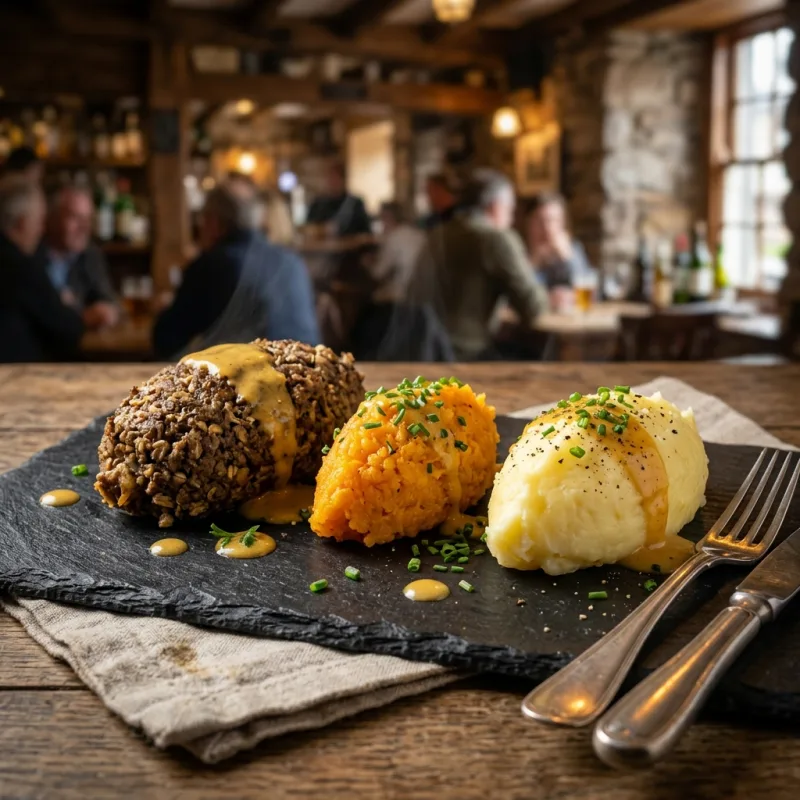
Haggis, Neeps, and Tatties - Scotland's iconic national plate combines spiced minced sheep offal, oats, suet, and onions with mashed rutabaga (neeps) and creamy potatoes (tatties). Served with a rich whisky cream sauce, it offers a warm, savory, and distinctly peppery taste of Highland heritage.
Scottish haggis served with mashed rutabaga and potatoes on a dark ceramic plate

Maya’s Final Checklist for Inverness

Logistics shouldn’t be the focus of your trip—the experience should. I’ve hand-vetted these essential partners to ensure your arrival, stay, and exploration are as smooth as an Athenian breeze.

Maya, the human travel expert at TravelingWiz, offering curated, non-AI expertise

Where to Stay

Compare accommodation options and choose a stay that suits your plans and budget.

Air Travel

Compare flight options and find a route that fits your plans.

Local Guides

Connect with local guides for personalized help planning and exploring.

Travel Protection

The “Engineer’s” rule: always have a backup. Secure your trip with a plan that covers every “what if” and unexpected change.

Car Rentals

Compare rental options and choose a car that suits your trip.

Visa Information

Don’t let paperwork slow you down. Get expert assistance with your application to ensure all your entry documents are in order.

FAQs

A stay of 2 to 4 days allows sufficient time to tour central Inverness, visit Culloden Battlefield, take a boat cruise on Loch Ness, and explore nearby castles such as Cawdor or Urquhart.
Loch Ness begins roughly 8 miles southwest of the city center. Regular public buses, guided day tours, and scenic boat departures operate from Inverness or Dochgarroch Lock down into the loch.
A car is not necessary for exploring Inverness city center or major hubs like Culloden and Urquhart Castle, which are accessible by local buses. However, renting a car provides much greater flexibility for touring remote Highland glens and coastal routes.

Your Insights Matter

TravelingWiz grows through the stories of our community. If you’ve recently explored ,Inverness share your tips and stories to help us perfect our guides for the next traveler.

Where should we send your offline card?

We hate spam just as much as you do

newsletter_consent *