Disclosure: This site contains affiliate links. We may earn a commission if you make a purchase, at no extra cost to you.

>
>
>
>
>
Fukui Prefecture

Fukui Prefecture

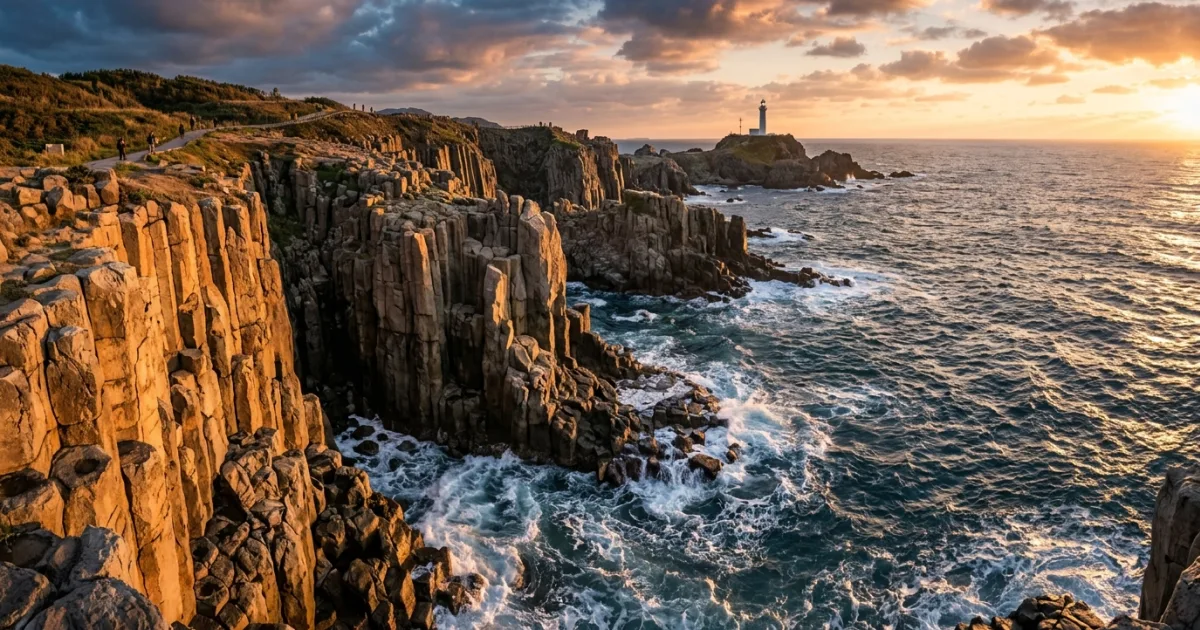
Dramatic basalt sea cliffs of Tojinbo along the Sea of Japan in Fukui Prefecture

Fukui Prefecture Overview & Key Highlights

Fukui Prefecture occupies an evocative stretch of the Sea of Japan coastline within the Hokuriku region, serving as an exceptional sanctuary of spiritual heritage, prehistoric paleontology, and rugged coastal geology. Long considered one of Japan's most rewarding under-the-radar destinations, the prefecture gained seamless accessibility via the Hokuriku Shinkansen extension connecting Tokyo directly to Fukui Station and Tsuruga. Travelers encounter a landscape defined by dramatic sea cliffs, dense cedar forests concealing ancient Zen monasteries, and exceptionally preserved feudal fortifications. The prefecture is anchored by world-class cultural and natural marvels, including the 13th-century Soto Zen monastery of Eihei-ji, the hexagonal columnar basalt sea cliffs of Tojinbo, and the Fukui Prefectural Dinosaur Museum, recognized globally as a premier center of paleontology. Culinary traditions here are steeped in coastal bounty and mountain craftsmanship, celebrated for pristine winter Echizen crab, hand-pulled Echizen oroshi soba, and centuries-old artisan craft traditions spanning Echizen washi paper and forged kitchen knives.

Fukui Prefecture Travel Guide: Logistics & In-Depth Tips

Fukui Prefecture stretches gracefully along the Sea of Japan, bounded by Ishikawa to the north, Shiga and Kyoto to the south, and Gifu to the east. Historically divided into the northern Echizen province and southern Wakasa province, Fukui carries deep spiritual roots as the birthplace of Soto Zen monastic discipline and an ancient supplier of imperial provisions to the capital of Kyoto. The extension of the Hokuriku Shinkansen has unlocked this once-secluded haven, offering direct high-speed rail access into the prefecture's verdant valleys and dramatic coastlines.

Beyond its ancient temples, Fukui holds a distinguished place in world science and industrial craft. The city of Katsuyama serves as the excavation epicenter of Japan's fossil discoveries, while regional craft villages preserve millennia of Echizen papermaking, lacquerware, ceramics, and hand-forged blades. Paired with restorative hot spring onsen towns like Awara, Fukui provides an immersive counterpoint to Japan's crowded tourist corridors.

Reasons to Visit

  • Eihei-ji Temple: Immerse yourself in the tranquility of a functioning 13th-century Soto Zen monastery nestled in giant cedar woods.
  • World-Class Dinosaur Museum: Explore massive silver-domed halls housing dozens of full-scale dinosaur fossils in Katsuyama.
  • Tojinbo Sea Cliffs: Marvel at rare columnar basalt rock formations carved by the pounding waves of the Sea of Japan.
  • Living Craft Heritage: Visit working studios producing historic Echizen washi paper, cutlery, and lacquerware.
  • Exceptional Coastal Dining: Taste renowned seasonal Echizen snow crab, coastal mackerel, and fresh buckwheat soba noodles.

Things to Avoid

  • Do not wear shoes inside temple halls; ensure you wear comfortable, clean socks that keep feet warm on wooden floors.
  • Avoid standing too close to the edge of the Tojinbo cliffs on windy days, as there are no perimeter safety fences on the raw rock faces.
  • Do not rely entirely on cashless payment methods when venturing outside Fukui Station into countryside towns.
  • Avoid planning tight schedules around rural bus routes, which run less frequently than major city transit lines.

Local Transportation Tips

Fukui is navigated efficiently via regional train networks and dedicated tourist buses. The Echizen Railway operates two scenic lines branching from Fukui Station to Katsuyama (for the Dinosaur Museum) and Mikuni Port (for Tojinbo and Awara Onsen). The JR Hokuriku Main Line and Hokuriku Shinkansen link major transport hubs including Tsuruga and Takefu. For travelers interested in the southern Wakasa Lakes region or rural pottery villages, renting a car at Fukui Station provides maximum flexibility.

Travel Etiquette

  • Maintain respectful silence when walking the corridors of Eihei-ji, where Zen monks actively practice monastic discipline.
  • Do not photograph practicing monks directly without explicit permission.
  • Separate and carry personal waste until finding municipal disposal stations, as public trash bins are uncommon.
  • Follow customary hot spring etiquette in Awara Onsen by washing thoroughly before entering shared baths.

Recommended Age Group

Fukui Prefecture offers diverse attractions that appeal strongly across generations, balancing natural wonder with family-oriented education.

  • Babies (0-2 years): Neutral. Paved facilities like the Dinosaur Museum are stroller-accessible, but ancient temple staircases and rugged cliffs present mobility hurdles.
  • Kids (3-12 years): Recommended. The world-renowned Dinosaur Museum, fossil excavation experiences, and scenic train rides make Fukui an exceptional destination for children.
  • Teens (13-19 years): Recommended. Prehistoric exhibits, coastal cliff walks, and samurai history at Maruoka Castle offer engaging adventure opportunities.
  • Adults (20-64 years): Recommended. The rich tapestry of Zen philosophy, artisan craft workshops, onsen retreats, and premium gastronomy suits adult travelers perfectly.
  • Seniors (65+ years): Recommended. Peaceful temple ambiances, therapeutic hot springs, and smooth Shinkansen transit make Fukui exceptionally enjoyable for mature explorers.

Accessibility Level: Medium

  • The Fukui Prefectural Dinosaur Museum features modern barrier-free architecture with elevators, ramps, and wheelchair loan services.
  • Major train stations including Fukui and Tsuruga have step-free platforms, tactile paving, and accessible restrooms.
  • Historic sites such as Eihei-ji and Maruoka Castle have steep historic staircases and limited wheelchair accessibility inside core wooden structures.

Did You Know?

Fukui Prefecture accounts for roughly 95% of all optical frames manufactured in Japan, with the city of Sabae recognized as one of the world's premier capitals of precision eyewear design alongside Belluno, Italy.

Cool Statistics

  • Home to over 40 complete dinosaur skeletons displayed inside the Fukui Prefectural Dinosaur Museum.
  • Eihei-ji features more than 70 interconnected wooden temple buildings surrounded by 700-year-old cedar trees.
  • Maruoka Castle in Fukui houses one of only 12 surviving original wooden keeps in all of Japan.

Address:

Fukui Prefecture, Japan

Find Nearby Accommodations

Basic Info

address icon

COUNTRY & Region

Japan,
Asia

ACCESSIBILITY LEVEL​

Medium
Currency icon

LOCAL CURRENCY​

Japanese Yen (JPY)
Price level icon
Medium
Safety Level icon

SAFETY LEVEL

Duration icon

Recommended Duration

• 1-7 days

Electricity

electricity icon

Electricity

100-110V, 
60Hz
Plug Socket icon

Plug Type

• Type A (Flat blade)
• Type B (Flat blade with grounding pin)
Plug types
Click To View Plug Types
Fukui Prefecture is part of our
Solo Female Friendly collection

Things To Do In Fukui Prefecture

Total: 1

Activities To Do In Fukui Prefecture

Best Time To Visit Fukui Prefecture

Fukui experiences distinct four-season weather, each offering unique regional highlights and culinary seasonality.

  • March to May (Spring): Mild temperatures, blooming cherry blossoms at Asuwa River, and comfortable conditions for coastal hikes.
  • June to August (Summer): Lush green forest canopies at Eihei-ji and swimming opportunities along Wakasa Bay, though humidity is high.
  • September to November (Autumn): Vibrant fall foliage surrounding mountain temples, crisp air, and the start of the coveted Echizen crab fishing season in November.
  • December to February (Winter): Dramatic snowy landscapes, seasonal culinary peaks with fresh winter seafood, but frequent snowfall requiring winter footwear.

Average Temperatures Per Month

Remember to check the weather forecast a few days before the trip and before heading to the airport.

Safety Level icon

Safety Level

Fukui ranks among the safest regions in Japan with virtually nonexistent violent crime. Coastal cliff edges at Tojinbo lack handrails in several rocky observation sections, requiring caution in wet or windy weather. During winter months, pack slip-resistant boots to prevent falling on icy temple stairs and sidewalk patches.

The rating is based on multi-year peace, crime, and security indices. Before you go, always verify current conditions through official government travel advisories.

Emergency Numbers

Police: 110
Ambulance: 119

No internet needed • Includes local translations • Free for TravelingWiz readers

Spoken Languages

Japanese (standard and Fukui dialect); English is available at primary tourist information desks and major Shinkansen transit points.

Learn The Language

  • Konnichiwa – Hello
  • Arigatou gozaimasu – Thank you very much
  • Sumimasen – Excuse me / Sorry
  • Kore wa ikura desu ka? – How much is this?
  • Eigo ga hanasemasu ka? – Do you speak English?
  • O-kaikei kudasai – The check, please
  • Doko desu ka? – Where is it?
  • Oishii desu – It is delicious
Travel Booking Partner - TravelingWiz

Trip Cost & Budgeting for Fukui Prefecture, 2026

Everything you need to know about money while traveling
Is Fukui Prefecture expensive for tourists in 2026? Fukui Prefecture offers moderate, budget-friendly prices compared to Japan's major metropolitan centers. Expect to pay around 500 JPY for a cappuccino, 600 JPY for a pint of beer, and 1,800 JPY for a standard main meal at a mid-range restaurant. These Human Verified prices show that Fukui remains accessible. Use the data table below to calculate your specific daily budget based on your travel style.
Currency icon

LOCAL CURRENCY​:

Japanese Yen (JPY)
Price level icon
Medium
Credit cards and IC cards are accepted at major venues, but carrying cash is essential for smaller regional spots.

Per person, per day – pocket cash for small purchases.

Local: 1850
Japanese Yen (JPY)
≈ 52 USD

Full daily spend estimation (accommodation, food, transportation, attractions).

Travel Style
Japanese Yen (JPY)
≈ USD ($)
Budget
10200
55
Mid-range
18500
115
Comfort
40700
250

The Prices, Daily costs, and calculator results are estimates for planning purposes only. Actual costs may vary based on season, booking timing, personal spending habits, and currency fluctuations. TravelingWiz cannot be held responsible for discrepancies between these estimates and your final trip expenses.

  • • Buy local 1-day rail passes for Echizen Railway to save on sightseeing transport.
  • • Try regional food like Echizen soba and sauce katsu-don at local casual restaurants.
  • • Choose business hotels near Fukui Station for affordable rates and free breakfast.
  • • Visit major attractions using regional bus passes to cut individual ride fares.

Pre-Order Tickets

Avoid disappointment when tickets sell out — and skip the long lines by booking online in advance. You’ll often save up to 20% too.
Save up to 20%

Travel Discounts & Coupons

Save on hotels, attractions, transport, and gear — find verified discounts for smarter travel spending.
Verified Coupons

What To Pack

  • Slip-on walking shoes that are easy to remove when entering temples, castles, and traditional ryokan.
  • Warm thermal layers and a waterproof down jacket if visiting during the snowy winter season between December and March.
  • Breathable, modest clothing covering shoulders and knees for temple precincts like Eihei-ji.
  • Compact travel umbrella for coastal weather shifts along the Sea of Japan.
  • Universal Type A power adapter and a pocket Wi-Fi router or eSIM for regional navigation.
We couldn't find tips for Fukui Prefecture.
If you got any, please share

Recommended Itineraries for Traveling to Fukui Prefecture

We couldn't find itineraries for Fukui Prefecture.
you can contact us for custom trip plan

Food & Drink Highlights

Local Food Overview

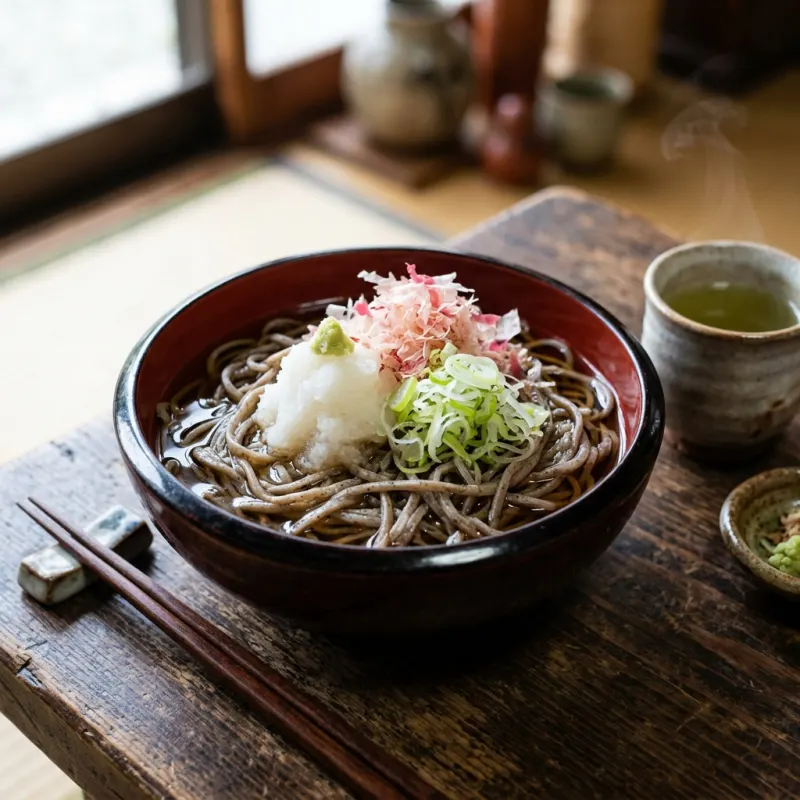
Gastronomy in Fukui is anchored by cold-water marine harvests and historic agriculture nurtured by pristine alpine runoff. The region's defining signature is Echizen oroshi soba, cold buckwheat noodles crowned with grated spicy daikon radish, green onions, and bonito flakes in a light dashi broth. Winter visitors travel specifically for Echizen gani (male snow crab), distinguished by an official yellow plastic identification tag certifying its local provenance. Other regional staples include sauce katsudon (thin fried pork cutlet drenched in Worcestershire-based sauce over rice) and Wakasa grilled mackerel.
Authentic bowl of Echizen Oroshi Soba topped with grated radish and bonito flakes

Must Try Dish

Echizen Oroshi Soba - Chilled, firm buckwheat noodles served with sharp grated daikon radish, sliced scallions, and delicate bonito flakes in a flavorful dashi broth. This iconic regional dish provides a remarkably refreshing crunch and an earthy, nutty soba finish.
Food Experiences Title Icon

Food
Experiences

Discover cooking classes, tastings and local food tours

No food experience found
Maya, the human travel expert at TravelingWiz, offering curated, non-AI expertise

Maya’s Final Checklist for Fukui Prefecture

Logistics shouldn’t be the focus of your trip—the experience should. I’ve hand-vetted these essential partners to ensure your arrival, stay, and exploration are as smooth as an Athenian breeze.

Where to Stay

From boutique hotels to local apartments—compare thousands of options and find the perfect stay in the best neighborhood.

Air Travel

Getting there should be seamless. Compare the best routes and prices across top airlines to start your journey on the right note.

Local Guides

Connect with experts who know the destination best. Get personalized advice and insider tips to help you plan your perfect trip.

Travel Protection

The “Engineer’s” rule: always have a backup. Secure your trip with a plan that covers every “what if” and unexpected change.

Car Rentals

Explore at your own pace with total freedom. Compare reliable rental options and find the right vehicle for your adventure.

Visa Services

Don’t let paperwork slow you down. Get expert assistance with your application to ensure all your entry documents are in order.

FAQs

The Hokuriku Shinkansen connects Tokyo Station directly to Fukui Station in approximately 2 hours and 50 minutes without requiring train transfers.
A stay of two to three full days allows travelers to comfortably experience Eihei-ji Temple, the Fukui Prefectural Dinosaur Museum, Tojinbo Cliffs, and local culinary highlights.
Yes, it is considered one of the three premier dinosaur museums globally, featuring over 40 complete fossil skeletons, cutting-edge dioramas, and active paleontological research facilities appealing to all ages.
Yes, Eihei-ji is open daily throughout the year. Winter brings picturesque snow-covered roofs, though visitors should wear warm socks as shoes must be removed inside.

Your Insights Matter

TravelingWiz grows through the stories of our community. If you’ve recently explored ,Fukui Prefecture share your tips and stories to help us perfect our guides for the next traveler.

Related Articles

Check out our related articles and blog posts to learn even more about the destination.

No related articles found

Don’t Travel Alone

Share with your friends and family

Where should we send your offline card?

We hate spam just as much as you do

newsletter_consent *