Disclosure: This site contains affiliate links. We may earn a commission if you make a purchase, at no extra cost to you.

>
>
>
>
>
>
Fukui City
Panoramic view of Yokokan Garden in Fukui City with historic wooden pavilion and reflective pond

Fukui City Overview & Key Highlights

Fukui City serves as the administrative capital of Fukui Prefecture on the Sea of Japan coast, positioned between rugged coastal ranges and fertile agricultural plains. Long overshadowed by neighboring Kanazawa, the city gained exceptional transit accessibility via the Hokuriku Shinkansen extension, allowing direct bullet train transit from Tokyo in under three hours. The city's landscape blends modern civil reconstruction with feudal remnants, anchored by the stone moats of Fukui Castle and the meticulously preserved Ichijodani Asakura Family Historic Ruins along the Asuwa River valley. Visitors encounter a destination deeply rooted in artisanal craftsmanship, Zen Buddhist scholarship, and distinct culinary traditions. Within the city core, Yokokan Garden showcases classical Edo-period sukiya-style teahouse architecture overlooking an expansive spring-fed pond. Culinary culture thrives on cold grated-daikon buckwheat noodles and delicate coastal seafood, making Fukui City an ideal base for discerning travelers seeking an unhurried, culturally authentic Japanese regional hub.

Fukui City Travel Guide: Logistics & In-Depth Tips

Fukui City serves as the peaceful cultural core of the Hokuriku region, characterized by ancient archaeological treasures, peaceful gardens, and pristine water resources. Unlike heavily commercialized travel hubs, Fukui maintains an authentic residential rhythm where historic sites blend effortlessly into everyday civic life.

With the opening of the Hokuriku Shinkansen extension directly connecting the city to Tokyo, Fukui has transitioned from an off-the-radar stopover to an essential destination for travelers interested in Sengoku-era military history, Zen heritage, and unmatched regional gastronomy.

Reasons to Visit

  • Explore the hauntingly preserved Ichijodani Asakura Family Historic Ruins, an entire 15th-century samurai city unearthed from rural paddies.
  • Stroll through Yokokan Garden, a tranquil daimyo villa estate featuring water-side pavilions and classic stone arrangements.
  • Experience world-class regional food, including authentic Echizen oroshi soba and deep-fried sauce katsudon.
  • Enjoy hassle-free transit connections directly from Tokyo, Kyoto, and Kanazawa via modern bullet train lines.
  • Discover Fukui Castle's historic stone ramparts and defensive moats, uniquely framing the current prefectural government center.

Things to Avoid

  • Avoid expecting late-night dining or bustling nightlife; most restaurants and independent shops close before 9:00 PM.
  • Do not rely entirely on credit cards or mobile payment wallets when visiting smaller noodle bars, shrines, or outer bus stops.
  • Avoid visiting Ichijodani without checking train schedules on the JR Kuzuryu Line, as rural services run at infrequent intervals.
  • Do not skip wearing slip-resistant footwear during winter, as sidewalks can develop black ice after evening snowfalls.

Local Transportation Tips

Fukui City's center is serviced by the Fukui Railway (Fukutetsu) tram system and Echizen Railway lines, both operating directly from Fukui Station. Trams navigate south toward Sabae and Takefu, while the Echizen Railway offers direct access to the Eiheiji temple branch and coastal Mikuni. The city also operates an affordable community bike-share service, 'Fuku-chari,' with convenient pickup kiosks around the main rail terminus.

Travel Etiquette

  • Remove your shoes promptly and place them on shelves or in plastic bags when entering historical villas, teahouses, and temples.
  • Slurp soba noodles gently when eating; in Fukui, slurping aerates the buckwheat aroma and expresses appreciation to the chef.
  • Refrain from walking while eating street food; finish snacks near the storefront or dispose of trash in designated receptacles.
  • Maintain a quiet tone when traveling on local trains, trams, and buses.

Recommended Age Group

Fukui City's tranquil atmosphere, rich history, and pedestrian-friendly layout accommodate multiple generations of travelers.

  • Babies (0-2 years): Neutral. Smooth pavements and elevator access at Fukui Station make strollers viable, though traditional tatami dining and gravel temple paths require baby carriers.
  • Kids (3-12 years): Recommended. Children enjoy the outdoor spaces of Asuwayama Park, local miniature train rides, and nearby world-class dinosaur attractions reached from Fukui Station.
  • Teens (13-19 years): Recommended. Engaging archaeological streetscapes at Ichijodani and dynamic regional food culture provide high interest for curious teenagers.
  • Adults (20-64 years): Recommended. Perfect pacing for appreciating Zen gardens, architectural history, craft sake tasting, and authentic regional dining.
  • Seniors (65+ years): Recommended. Flat city terrain, high standard of public safety, clean air, and uncrowded historical sites offer comfortable touring conditions.

Accessibility Level: Medium

  • Fukui Station features complete barrier-free transit with elevators, tactile paving, and dedicated accessible restrooms.
  • Yokokan Garden offers flat gravel paths around the lake perimeter, though access into historical teahouse tatami rooms involves raised thresholds.
  • Ichijodani Ruins feature partially paved walkways through reconstructed residential quarters, with accessible parking available adjacent to the visitor museum.
  • Local low-floor modern trams operating on the Fukutetsu lines accommodate manual and powered wheelchairs with automated ramps.

Did You Know?

The ruins of Fukui Castle currently house the Fukui Prefectural Government Office and Police Headquarters directly inside the original 400-year-old defensive stone moats built by warlord Yuki Hideyasu.

Cool Statistics

  • Over 1,000 weeping and Somei Yoshino cherry blossom trees line the banks of the Asuwa River in central Fukui City.
  • Ichijodani Asakura Ruins span over 270 hectares, making it one of Japan's most expansive designated Special Historic Sites.
  • Fukui Prefecture consistently ranks at or near number one in Japan's national happiness and quality-of-life indices.


Address:

Fukui City, Japan

Find Nearby Accommodations

Basic Info

address icon

COUNTRY & Region

Japan,
Asia

ACCESSIBILITY LEVEL​

Medium
Currency icon

LOCAL CURRENCY​

Japanese Yen (JPY)
Price level icon
Medium
Safety Level icon

SAFETY LEVEL

Duration icon

Recommended Duration

• 1-7 days
• Full day

Electricity

electricity icon

Electricity

100-110V, 
60Hz
Plug Socket icon

Plug Type

• Type A (Flat blade)
• Type B (Flat blade with grounding pin)
Plug types
Click To View Plug Types
Fukui City is part of our
Solo Female Friendly collection

Activities To Do In Fukui City

Best Time To Visit Fukui City

Fukui City features four pronounced seasons characterized by humid summers, crisp autumns, snowy winters, and vibrant spring blossom periods.

  • March to May: Ideal conditions for viewing the famous weeping cherry trees along the Asuwa River dike and exploring outdoor castle grounds in mild weather.
  • June to August: Warm and humid with summer festivals, lush foliage at Yokokan Garden, and fresh sweetfish (ayu) in local rivers.
  • September to November: Comfortable temperatures, low humidity, and striking maple foliage at Ichijodani Ruins and surrounding hillsides.
  • December to February: Cold and atmospheric with snowfall, perfect for dining on fresh Echizen snow crab and soaking in nearby hot springs.

Average Temperatures Per Month

Remember to check the weather forecast a few days before the trip and before heading to the airport.

Safety Level icon

Safety Level

Fukui City is among the safest urban environments in Japan, with extremely low rates of violent crime and theft. Maintain standard situational awareness around transit platforms and take care when walking on wet flagstones or icy streets during snowy winter periods.

The rating is based on multi-year peace, crime, and security indices. Before you go, always verify current conditions through official government travel advisories.

Emergency Numbers

Police: 110
Ambulance: 119

No internet needed • Includes local translations • Free for TravelingWiz readers

Spoken Languages

Japanese (Standard Japanese and regional Fukui-ben)

Learn The Language

  • Konnichiwa – Hello
  • Arigatou gozaimasu – Thank you very much
  • Sumimasen – Excuse me / Pardon me
  • Kore wa ikura desu ka? – How much is this?
  • Eigo ga hanasemasu ka? – Do you speak English?
  • Toire wa doko desu ka? – Where is the restroom?
  • O-kaikei kudasai – The bill, please
  • Tasukete kudasai – Please help me
Travel Booking Partner - TravelingWiz

Trip Cost & Budgeting for Fukui City, 2026

Everything you need to know about money while traveling
Fukui City represents an affordable and balanced alternative to high-traffic tourist capitals like Kyoto and Tokyo, offering reasonable hotel rates and high-quality regional dining. A steaming bowl of authentic Echizen oroshi soba costs approximately 900 JPY, while an all-day local transit pass runs around 1,000 JPY. With TravelingWiz's Human Verified data, a typical traveler should expect to spend around $90 USD per day for a mid-range trip. Click the Trip Cost Calculator button below the table to work out your personal budget for this trip.
Currency icon

LOCAL CURRENCY​:

Japanese Yen (JPY)
Price level icon
Medium
Major transit hubs, modern hotels, and department stores accept Visa and Mastercard, but neighborhood noodle shops, rural buses, and temple admission desks require physical Japanese yen cash.

Per person, per day – pocket cash for small purchases.

Local: 5000
Japanese Yen (JPY)
≈ 33 USD

Full daily spend estimation (accommodation, food, transportation, attractions).

Travel Style
Japanese Yen (JPY)
≈ USD ($)
Budget
6500
43
Mid-range
13500
90
Comfort
28000
187

The Prices, Daily costs, and calculator results are estimates for planning purposes only. Actual costs may vary based on season, booking timing, personal spending habits, and currency fluctuations. TravelingWiz cannot be held responsible for discrepancies between these estimates and your final trip expenses.

  • Purchase the Echizen Railway One-Day Free Pass if venturing to Eihei-ji or Tojinbo from Fukui Station.
  • Look for lunchtime set menus (teishoku) at traditional eateries near the station for deep discounts on sauce katsudon.
  • Rent an affordable municipal shared bicycle from Fukui Station hubs for flat, easy cycling across the city center.
  • Combine garden entry with joint admission tickets covering Yokokan Garden and the Fukui City History Museum.

Pre-Order Tickets

Avoid disappointment when tickets sell out — and skip the long lines by booking online in advance. You’ll often save up to 20% too.
Save up to 20%

Travel Discounts & Coupons

Save on hotels, attractions, transport, and gear — find verified discounts for smarter travel spending.
Verified Coupons

What To Pack

  • Slip-on walking shoes for visiting temples, traditional teahouses, and indoor historical monuments
  • Light, breathable rain jacket or compact umbrella for the Sea of Japan's frequent precipitation
  • Compact portable power bank to navigate local train and bus route schedules
  • Cash wallet or coin pouch for small food stalls and rural bus fares
  • Layered thermals and wool socks during winter months to handle snow flurries
We couldn't find tips for Fukui City.
If you got any, please share

Recommended Itineraries for Traveling to Fukui City

We couldn't find itineraries for Fukui City.
you can contact us for custom trip plan

Food & Drink Highlights

Local Food Overview

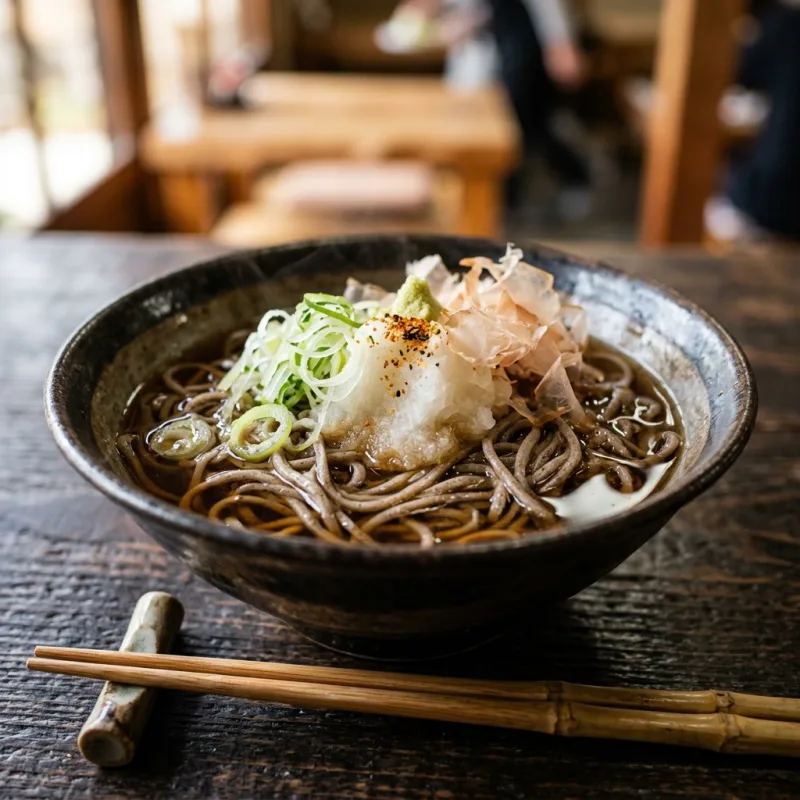
Fukui's culinary landscape is defined by pristine mountain spring water, nutrient-rich coastal currents, and heritage agricultural grains. The city's signature dish is Echizen Oroshi Soba, firm buckwheat noodles served cold in a light dashi broth and piled high with grated spicy daikon radish, green onions, and bonito shavings. Another regional obsession is Sauce Katsudon, consisting of crisp, panko-breaded pork cutlets dipped in a secret sweet-savory Worcestershire-style sauce and layered over steaming rice without cabbage or egg. Winter brings seasonal Echizen snow crab (zuwaigani), celebrated across the nation for its sweet, tender meat and rich tomalley.
Authentic bowl of Echizen Oroshi Soba cold buckwheat noodles with grated daikon and bonito flakes

Must Try Dish

Echizen Oroshi Soba - Chilled buckwheat noodles topped with generous mounds of grated spicy daikon radish, spring onions, and bonito flakes in an umami-rich broth. The cold, earthy noodles offer an invigorating texture with a distinct peppery finish.
Food Experiences Title Icon

Food
Experiences

Discover cooking classes, tastings and local food tours

No food experience found
Maya, the human travel expert at TravelingWiz, offering curated, non-AI expertise

Maya’s Final Checklist for Fukui City

Logistics shouldn’t be the focus of your trip—the experience should. I’ve hand-vetted these essential partners to ensure your arrival, stay, and exploration are as smooth as an Athenian breeze.

Where to Stay

From boutique hotels to local apartments—compare thousands of options and find the perfect stay in the best neighborhood.

Air Travel

Getting there should be seamless. Compare the best routes and prices across top airlines to start your journey on the right note.

Local Guides

Connect with experts who know the destination best. Get personalized advice and insider tips to help you plan your perfect trip.

Travel Protection

The “Engineer’s” rule: always have a backup. Secure your trip with a plan that covers every “what if” and unexpected change.

Car Rentals

Explore at your own pace with total freedom. Compare reliable rental options and find the right vehicle for your adventure.

Visa Services

Don’t let paperwork slow you down. Get expert assistance with your application to ensure all your entry documents are in order.

FAQs

Take the direct Hokuriku Shinkansen bullet train from Tokyo Station to Fukui Station, which takes approximately 2 hours and 50 minutes without requiring transfers.
The central downtown area around Fukui Station, Fukui Castle Ruins, and Yokokan Garden is flat and highly walkable. For distant attractions like Ichijodani Ruins, use local trains, regional buses, or rental cars.
The Fukui Prefectural Dinosaur Museum in Katsuyama and Daihonzan Eihei-ji Zen Temple are the most renowned cultural and educational day trips easily accessed from Fukui Station.

Your Insights Matter

TravelingWiz grows through the stories of our community. If you’ve recently explored ,Fukui City share your tips and stories to help us perfect our guides for the next traveler.

Related Articles

Check out our related articles and blog posts to learn even more about the destination.

No related articles found

Don’t Travel Alone

Share with your friends and family

Where should we send your offline card?

We hate spam just as much as you do

newsletter_consent *