Disclosure: This site contains affiliate links. We may earn a commission if you make a purchase, at no extra cost to you.

>
>
>
>
>
Ishikawa Prefecture

Ishikawa Prefecture

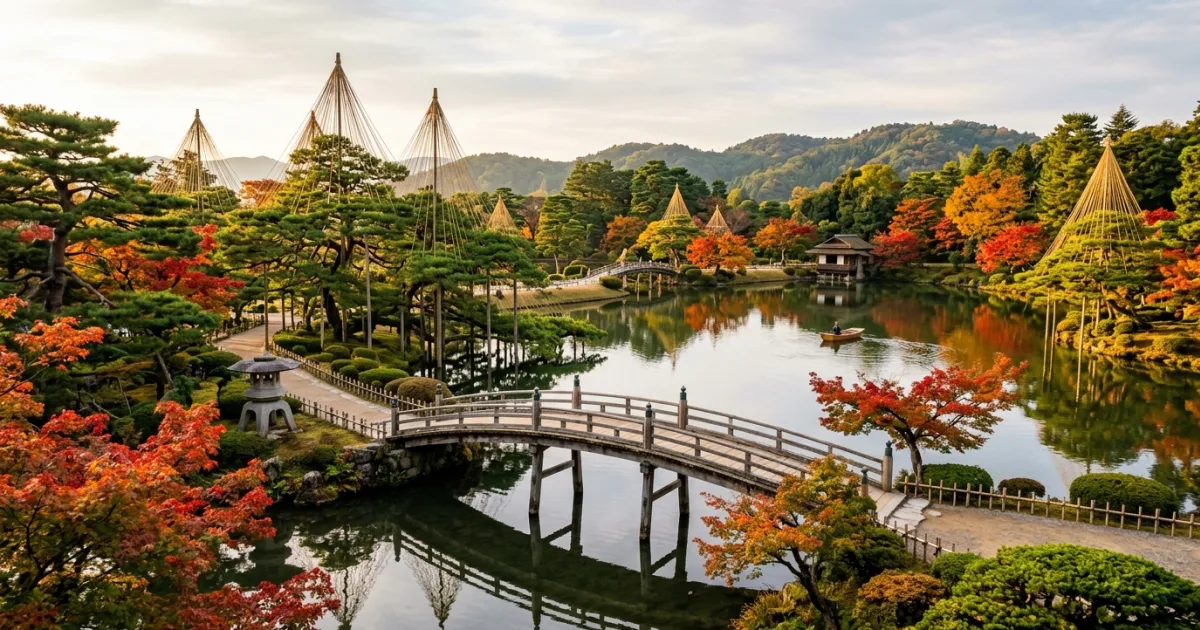
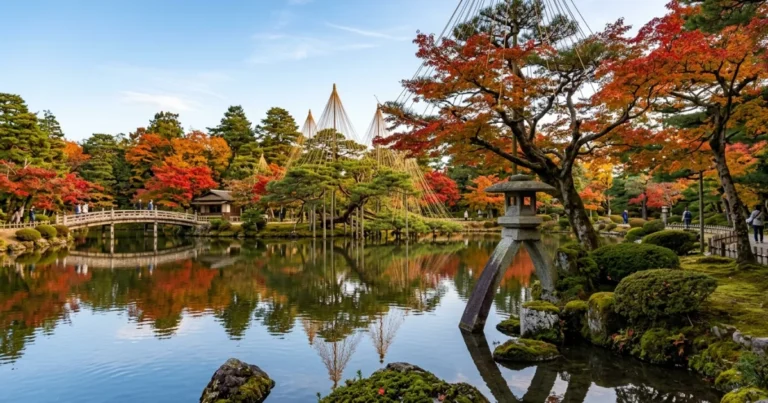
Panoramic view of Kenroku-en Garden with autumn foliage and traditional stone lanterns in Ishikawa

Ishikawa Prefecture Overview & Key Highlights

Ishikawa Prefecture occupies a scenic stretch along the Sea of Japan in the central Hokuriku region, renowned for preserving ancient artistic legacies and magnificent natural contours. The capital city of Kanazawa stands as the cultural centerpiece, retaining untouched Edo-period samurai and geisha districts alongside Kenroku-en, celebrated as one of Japan's three most exquisite landscape gardens. Extending north, the rugged Noto Peninsula showcases dramatic coastal cliffs and timeless terraced rice paddies, while southern Ishikawa is crowned by the sacred volcanic mass of Mount Haku and historic hot spring towns. Visitors journey here to experience an intersection of aristocratic arts, such as gold leaf craftsmanship and Kutani porcelain, alongside an astonishing culinary landscape powered by ice-cold ocean currents. Excellent high-speed rail connections via the Hokuriku Shinkansen make exploring the region exceptionally comfortable and efficient from Tokyo. Whether partaking in restorative soak rituals in Yamanaka Onsen or discovering contemporary masterpieces at the 21st Century Museum of Contemporary Art, Ishikawa delivers an immersive dive into traditional Japanese culture without the overwhelming crowds found in larger metropolitan corridors.

Ishikawa Prefecture Travel Guide: Logistics & In-Depth Tips

Ishikawa Prefecture is one of the most culturally intact regions in Japan, spared from heavy industrial bombing during World War II, which allowed centuries-old architectural treasures to survive intact. Governed during the Edo period by the wealthy Maeda clan of the Kaga Domain, the territory diverted military funds into the arts, cultivating gold leaf production, Noh theater, tea ceremony culture, and refined lacquerware that continue to flourish today.

Geographically, Ishikawa stretches along a narrow north-south corridor on Honshu's central coast. While Kanazawa buzzes with world-renowned modern art museums, bustling seafood markets, and atmospheric geisha districts, the surrounding regions offer restorative nature. Mount Haku anchors the south with sacred alpine hiking, Kaga provides rejuvenating centuries-old onsen waters, and the north peninsula extends quietly into wild coastal waters, offering an unhurried glimpse into authentic coastal Japan.

Reasons to Visit

  • Kenroku-en Garden: Marvel at one of Japan's designated Three Great Gardens, engineered over centuries to demonstrate landscape perfection in every season.
  • Artisan Craft Heritage: Observe the delicate hammering of gold leaf, tour Kutani ceramic kilns, and view exquisite Wajima lacquer techniques.
  • Historic Preservation Quarters: Stroll through the lantern-lit wood facades of Higashi Chaya and the stone-walled alleys of the Nagamachi samurai district.
  • Hot Spring Sanctuaries: Relax in natural mineral waters across the Kaga Onsen towns, celebrated by poets and wellness seekers for over a millennium.
  • World-Class Sea Bounty: Feast on seasonal snow crab, yellowtail, and sweet shrimp pulled straight from the nutrient-dense Sea of Japan.

Things to Avoid

  • Avoid wearing shoes onto tatami mats inside historic residences, chaya teahouses, or traditional ryokan guest rooms.
  • Do not touch delicate gold leaf exhibits or historic lacquer art without explicit permission from studio staff.
  • Avoid walking while eating street food at Omicho Market; consume snacks at designated vendor seating areas instead.
  • Do not miss the last local connecting trains when venturing to rural hot spring or coastal destinations, as evening schedules can be infrequent.

Local Transportation Tips

Kanazawa Station serves as the primary gateway and local transit hub. The Kanazawa Loop Bus and Hokutetsu bus networks connect all inner-city landmarks efficiently. For traveling between towns, JR West rail lines run southward to Komatsu and Kaga Onsen. Renting a vehicle is strongly recommended for travelers venturing deep into the rural coastal roads of the Noto Peninsula or ascending towards Mount Haku hiking trailheads.

Travel Etiquette

  • Bow gently when greeting hosts and service staff; physical handshakes are less customary in traditional establishments.
  • Wash and rinse thoroughly at the sit-down washing stalls before entering any communal hot spring (onsen) pool.
  • Keep speaking voices low on public transit, and place mobile devices on silent mode throughout rail and bus trips.
  • Handle chopsticks properly: never stick them vertically into a bowl of rice or pass food directly chopstick-to-chopstick.

Recommended Age Group

Ishikawa Prefecture offers rewarding experiences across generations, with a strong focus on walkable cultural immersion and accessible relaxation.

  • Babies (0-2 years): Neutral. Cobblestone preservation alleys and historic steps can make stroller navigation slightly challenging, though modern transit and facilities are well maintained.
  • Kids (3-12 years): Neutral. Children enjoy hands-on gold leaf workshops and coastal beaches, but long historic walking tours and formal museums may require structured breaks.
  • Teens (13-19 years): Recommended. Fascinating ninja-themed temples, vibrant contemporary art spaces, and unique Japanese market street snacks appeal strongly to older youth.
  • Adults (20-64 years): Recommended. Perfect balance of world-class gastronomy, serene landscape architecture, artisanal shopping, and restorative hot springs.
  • Seniors (65+ years): Recommended. Excellent flat walking paths through Kenroku-en, smooth train connectivity, and luxurious traditional hot spring ryokan retreats.

Accessibility Level: Medium

  • Major train stations including Kanazawa, Komatsu, and Kaga Onsen feature full elevator access, barrier-free restrooms, and tactile paving.
  • Kenroku-en Garden maintains dedicated wheelchair-accessible pathways, with loaner manual wheelchairs available at main ticket entrances.
  • Historic wooden residences and traditional machiya teahouses often feature raised steps and narrow doorways that are not fully barrier-free.
  • Low-floor city buses operate along prime central routes, though advance planning is recommended for regional rural lines.

Did You Know?

Ishikawa Prefecture produces over 98% of Japan's domestic gold leaf, beating gold down to an astonishing thickness of just 1/10,000th of a millimeter for use in architecture, cosmetics, and culinary garnishes.

Cool Statistics

  • Over 98% of all gold leaf produced in Japan originates within Kanazawa city.
  • Kenroku-en contains the oldest fountain in Japan, functioning purely through natural water pressure from higher ground.
  • Home to Mount Haku (Hakusan), recognized alongside Mount Fuji and Mount Tate as one of Japan's Three Sacred Mountains.


Address:

Ishikawa Prefecture, Japan

Find Nearby Accommodations

Basic Info

address icon

COUNTRY & Region

Japan,
Asia

ACCESSIBILITY LEVEL​

Medium
Currency icon

LOCAL CURRENCY​

Japanese Yen (JPY)
Price level icon
Medium
Safety Level icon

SAFETY LEVEL

Duration icon

Recommended Duration

• 1-7 days
• More than a week

Electricity

electricity icon

Electricity

100-110V, 
60Hz
Plug Socket icon

Plug Type

• Type A (Flat blade)
• Type B (Flat blade with grounding pin)
Plug types
Click To View Plug Types
Ishikawa Prefecture is part of our
Solo Female Friendly collection

Things To Do In Ishikawa Prefecture

Total: 1

Activities To Do In Ishikawa Prefecture

Best Time To Visit Ishikawa Prefecture

Ishikawa features distinct seasonal attractions, with spring and autumn offering optimal sightseeing weather.

  • Spring (April to May): Mild temperatures, blooming cherry blossoms in Kenroku-en, and comfortable walking conditions across historic towns.
  • Summer (June to August): Lush greenery across the sacred Mount Haku slopes, though accompanied by coastal humidity and occasional seasonal rainfall.
  • Autumn (September to November): Crisp air, vibrant crimson fall foliage around castle moats and gorges, and the opening of winter crab fishing season.
  • Winter (December to March): Dramatic snowscapes protected by traditional yukizuri rope umbrellas on pine trees, alongside peak season for snow crab and rich seafood hot pots.

Average Temperatures Per Month

Remember to check the weather forecast a few days before the trip and before heading to the airport.

Safety Level icon

Safety Level

Ishikawa Prefecture boasts exceptionally low crime rates, making it one of the safest travel environments in East Asia for independent explorers and solo travelers. Take standard care when walking along seaside cliff walkways or rocky promontories along the Noto Peninsula, particularly during stormy conditions or heavy winter snowfall when paths can turn slippery. Keep basic emergency translation apps active on mobile devices, and heed local municipal announcements regarding winter weather advisories or seismic activity.

The rating is based on multi-year peace, crime, and security indices. Before you go, always verify current conditions through official government travel advisories.

Emergency Numbers

Police: 110
Ambulance: 119

No internet needed • Includes local translations • Free for TravelingWiz readers

Spoken Languages

Japanese (Standard & Hokuriku dialect); basic English is understood at transit hubs, major hotels, and primary tourist attractions.

Learn The Language

  • Konnichiwa – Hello
  • Arigato gozaimasu – Thank you very much
  • Sumimasen – Excuse me / Pardon me
  • Kore wa ikura desu ka? – How much is this?
  • O-kaikei o onegaishimasu – The check, please
  • Eigo ga hanasemasu ka? – Do you speak English?
  • Toire wa doko desu ka? – Where is the restroom?
  • Gochisousama deshita – Thank you for the meal
Travel Booking Partner - TravelingWiz

Trip Cost & Budgeting for Ishikawa Prefecture, 2026

Everything you need to know about money while traveling
Is Ishikawa Prefecture expensive for tourists in 2026? Ishikawa offers a moderate cost of living compared to Tokyo. Expect to pay around 480 JPY for a cappuccino, 550 JPY for a domestic beer, and 2,000 JPY for a mid-range meal. Featuring Human Verified prices, Kanazawa and the surrounding prefecture remain excellent value for cultural travelers. Use the data table below to calculate your specific daily budget based on your travel style.
Currency icon

LOCAL CURRENCY​:

Japanese Yen (JPY)
Price level icon
Medium
Major hotels and chains accept cards, but local markets, temples, and small eateries in Ishikawa prefer cash.

Per person, per day – pocket cash for small purchases.

Local: 2100
Japanese Yen (JPY)
≈ 13 USD

Full daily spend estimation (accommodation, food, transportation, attractions).

Travel Style
Japanese Yen (JPY)
≈ USD ($)
Budget
11550
73
Mid-range
21000
133
Comfort
46200
293

The Prices, Daily costs, and calculator results are estimates for planning purposes only. Actual costs may vary based on season, booking timing, personal spending habits, and currency fluctuations. TravelingWiz cannot be held responsible for discrepancies between these estimates and your final trip expenses.

  • • Buy a Hokutetsu One-Day Bus Pass in Kanazawa for unlimited bus travel around top sights for 800 JPY.
  • • Visit Omicho Market late in the afternoon for discounted fresh seafood bentos and sushi boxes.
  • • Dine at lunch instead of dinner at mid-range restaurants to get set meals at nearly half the evening price.
  • • Use an IC transportation card like ICOCA or Suica for seamless fare payments on local buses and at vending machines.

Pre-Order Tickets

Avoid disappointment when tickets sell out — and skip the long lines by booking online in advance. You’ll often save up to 20% too.
Save up to 20%

Travel Discounts & Coupons

Save on hotels, attractions, transport, and gear — find verified discounts for smarter travel spending.
Verified Coupons

What To Pack

  • Slip-on walking shoes for visiting temples, traditional teahouses, and ryokan where footwear is removed regularly.
  • A sturdy windproof umbrella or compact rain shell, as the region experiences frequent coastal showers year-round.
  • Warm layers and thermal base wear if visiting between November and March when coastal snowfall is common.
  • Modest, comfortable clothing suitable for touring historic preservation districts and active hot spring resort areas.
  • A coin purse or compact wallet to handle Japanese yen cash for traditional craft shops and transit ticket machines.
We couldn't find tips for Ishikawa Prefecture.
If you got any, please share

Recommended Itineraries for Traveling to Ishikawa Prefecture

We couldn't find itineraries for Ishikawa Prefecture.
you can contact us for custom trip plan

Food & Drink Highlights

Local Food Overview

Gastronomy in Ishikawa is anchored by historic Kaga cuisine, perfected over centuries under the patronage of the cultural Maeda samurai clan, alongside the pristine marine bounty of the Sea of Japan. Winter brings the coveted Kano-gani (male snow crab) and Kobako-gani (female snow crab), prized for sweet meat and rich roe. Local tables highlight Kaga yasai (heirloom regional vegetables), delicate Noto beef, artisanal sake brewed from Mount Haku runoff, and edible gold leaf layered atop confections.
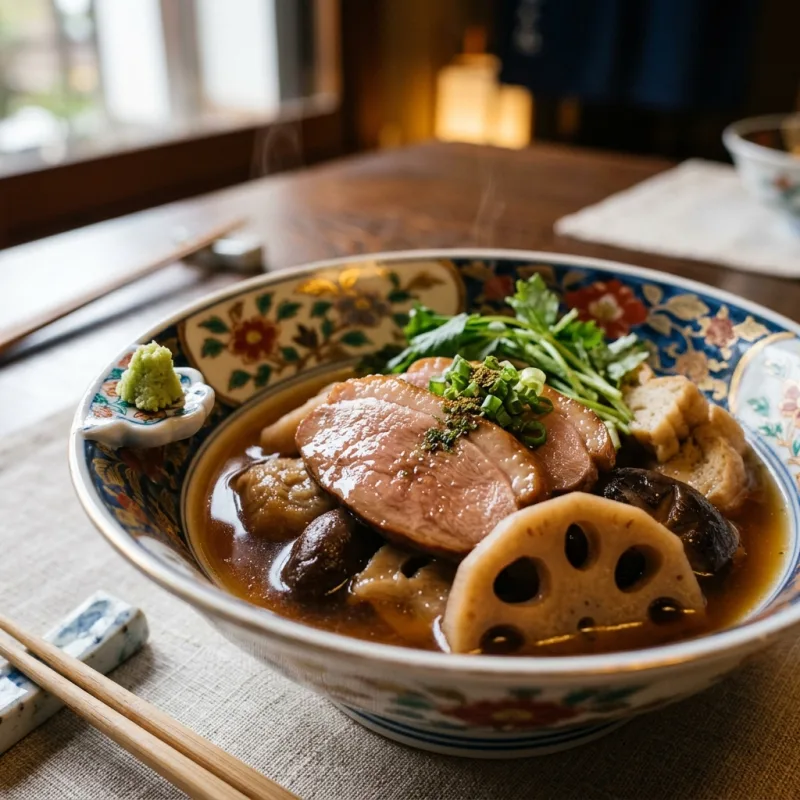
Authentic Japanese Jibuni stew served in a traditional decorated lacquer bowl

Must Try Dish

Jibuni - A historic samurai-era stew featuring tender slices of duck or chicken coated in starch, simmered in a dashi broth with seasonal mushrooms and wheat gluten, and finished with fresh wasabi. The coating locks in moisture while naturally thickening the savoury broth for a uniquely comforting texture.
Food Experiences Title Icon

Food
Experiences

Discover cooking classes, tastings and local food tours

No food experience found
Maya, the human travel expert at TravelingWiz, offering curated, non-AI expertise

Maya’s Final Checklist for Ishikawa Prefecture

Logistics shouldn’t be the focus of your trip—the experience should. I’ve hand-vetted these essential partners to ensure your arrival, stay, and exploration are as smooth as an Athenian breeze.

Where to Stay

From boutique hotels to local apartments—compare thousands of options and find the perfect stay in the best neighborhood.

Air Travel

Getting there should be seamless. Compare the best routes and prices across top airlines to start your journey on the right note.

Local Guides

Connect with experts who know the destination best. Get personalized advice and insider tips to help you plan your perfect trip.

Travel Protection

The “Engineer’s” rule: always have a backup. Secure your trip with a plan that covers every “what if” and unexpected change.

Car Rentals

Explore at your own pace with total freedom. Compare reliable rental options and find the right vehicle for your adventure.

Visa Services

Don’t let paperwork slow you down. Get expert assistance with your application to ensure all your entry documents are in order.

FAQs

The Hokuriku Shinkansen bullet train connects Tokyo Station directly to Kanazawa Station in roughly 2.5 hours, providing a seamless high-speed journey covered by national rail passes.
Within Kanazawa city, local loop buses and walking are best. To explore hot spring areas like Kaga or the rural Noto Peninsula, regional JR train lines or rental cars provide optimal flexibility.
Yes, Ishikawa’s celebrated ryokan in Yamanaka, Yamashiro, and Wakura Onsen regularly host international guests with multilingual guides detailing bathing etiquette and traditional dining times.

Your Insights Matter

TravelingWiz grows through the stories of our community. If you’ve recently explored ,Ishikawa Prefecture share your tips and stories to help us perfect our guides for the next traveler.

Related Articles

Check out our related articles and blog posts to learn even more about the destination.

No related articles found

Don’t Travel Alone

Share with your friends and family

Where should we send your offline card?

We hate spam just as much as you do

newsletter_consent *