Aichi Prefecture is located in the Tokai Region of central Honshu, serving as the historical nexus where Japan's most famous warlords—Oda Nobunaga, Toyotomi Hideyoshi, and Tokugawa Ieyasu—laid the foundations for national unification. Today, this profound heritage stands alongside cutting-edge modern engineering, as Aichi powers Japan's industrial might through automotive production, advanced aerospace manufacturing, and world-class ceramics production dating back hundreds of years.
Travelers in Aichi can explore authentic feudal fortresses, walk through preserved merchant towns in Arimatsu famed for tie-dye textiles, and marvel at the artistic landscapes of Ghibli Park. With an exceptionally reliable public transit grid radiating from Nagoya Station, Aichi provides effortless connections to both futuristic urban centers and scenic coastal peninsulas overlooking Ise Bay.
Reasons to Visit
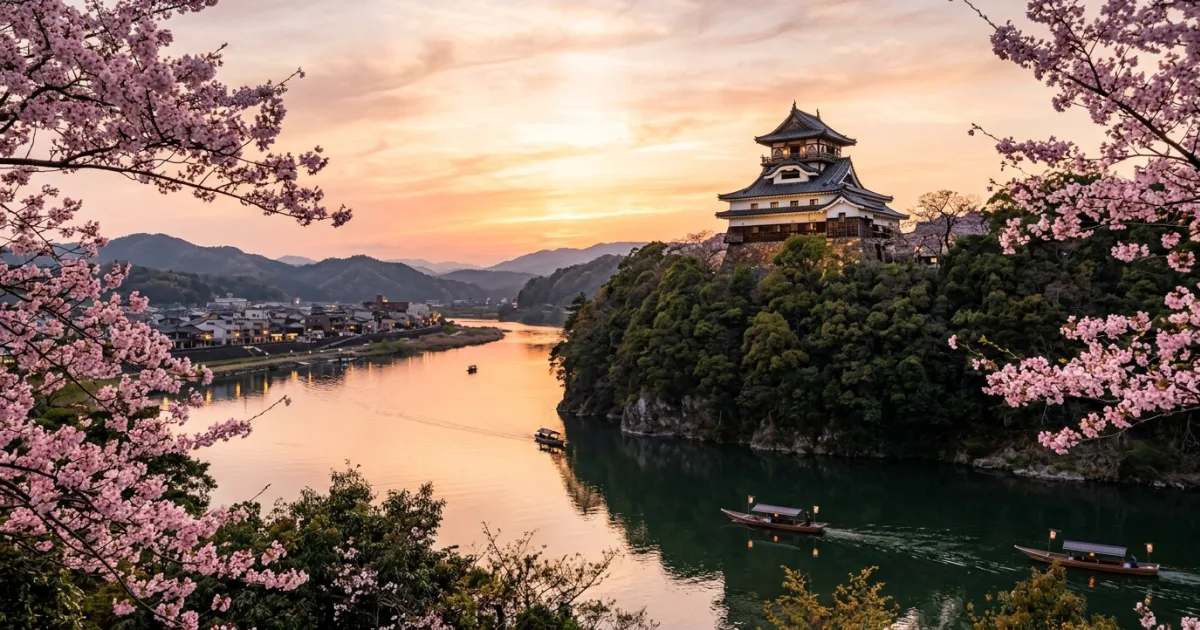
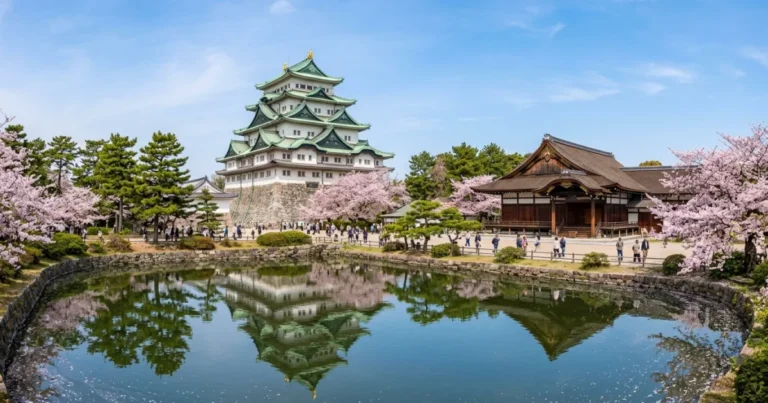
- Historic Fortresses: Home to both the magnificent reconstructed Nagoya Castle and Inuyama Castle, one of Japan's oldest original keeps.
- World-Class Pop Culture: Explore the whimsical, highly detailed life-sized worlds of Studio Ghibli at Ghibli Park.
- Distinctive Gastronomy: Sample Nagoya Meshi, including Hitsumabushi eel, Miso Katsu, and Tebasaki wings.
- Technological Innovation: Visit the Toyota Commemorative Museum of Industry and Technology and the SCMAGLEV and Railway Park.
- Living Artisanal Crafts: Discover Tokoname pottery trails and the historic shibori tie-dye workshops of Arimatsu.
Things to Avoid
- Avoid planning Ghibli Park visits without reserved tickets, as admission passes are strictly timed and rarely available at the gate.
- Do not confuse the Linimo maglev line with standard JR lines; it operates on a separate automated transit system connecting eastern suburbs.
- Avoid rushing through Nagoya Station during peak rush hours (8:00 AM–9:00 AM and 5:30 PM–7:00 PM) without keeping to standard pedestrian flows.
- Do not ignore local recycling and waste sorting standards when traveling on regional public transit.
Local Transportation Tips
Aichi boasts an exceptionally robust public transportation infrastructure centered on Nagoya Station, one of the world's largest multi-modal transit complexes. The city is served by six municipal subway lines, supplemented by extensive Japan Rail (JR) lines, Meitetsu railways running toward Inuyama and the Chita Peninsula, and Kintetsu trains linking toward Mie Prefecture. Additionally, the futuristic Linimo magnetic levitation train provides quiet, high-speed access to eastern park areas including Ghibli Park. Contactless IC cards such as Manaca, Suica, and Pasmo work universally across local buses, subways, and trains.
Travel Etiquette
- Stand on the left side of escalators in Nagoya, leaving the right side open for commuters walking past.
- Maintain low speaking volumes on commuter trains and switch mobile devices to silent 'manner mode'.
- Refrain from walking while eating street snacks in historic districts like Osu Kannon; consume food near the vendor stall.
- Remove outdoor footwear immediately upon entering tatami-matted temple halls, ryokan quarters, or historic castle towers.
Recommended Age Group
Aichi Prefecture provides safe infrastructure, diverse attractions, and accessible transit, catering seamlessly to diverse traveler demographics.
- Babies (0-2 years): Recommended. Urban centers and large transit stations feature nursing pods, stroller-friendly elevators, and immaculately clean facilities.
- Kids (3-12 years): Recommended. Highlights such as Ghibli Park, the SCMAGLEV and Railway Park, and Legoland Japan offer world-class interactive entertainment.
- Teens (13-19 years): Recommended. Tech museums, pop culture shops in Osu Kannon, and historic samurai castles provide high engagement for teenagers.
- Adults (20-64 years): Recommended. Outstanding culinary scenes, rich samurai history, and artisanal pottery districts make it an exceptional destination for adults.
- Seniors (65+ years): Recommended. Smooth transit, barrier-free infrastructure, and manageable walking routes in botanical gardens and modern museums ensure comfort.
Accessibility Level: Medium
- Subway stations and JR rail platforms across Nagoya feature tactile paving and multi-lingual elevator access.
- Major attractions like the SCMAGLEV and Railway Park and modern museum facilities offer full barrier-free ramps and zero-entry restrooms.
- Note that ancient historic keeps like Inuyama Castle require navigating steep, narrow wooden stairs that are not wheelchair accessible.
Did You Know?
Aichi Prefecture is the historic birthplace of all three great samurai unifiers of feudal Japan: Oda Nobunaga, Toyotomi Hideyoshi, and Tokugawa Ieyasu, giving the region unprecedented historical significance in shaping modern Japan.
Cool Statistics
- Home to over 5,300 manufacturing factories, making Aichi Japan's top industrial shipment hub for over four consecutive decades.
- Nagoya Station's JR Central Towers complex ranks among the largest train station buildings on earth by floor area.
- Inuyama Castle's wooden donjon dates back to 1537, standing as one of Japan's oldest surviving castle structures.








Buy a compatible power adapter for your trip