Disclosure: This site contains affiliate links. We may earn a commission if you make a purchase, at no extra cost to you.

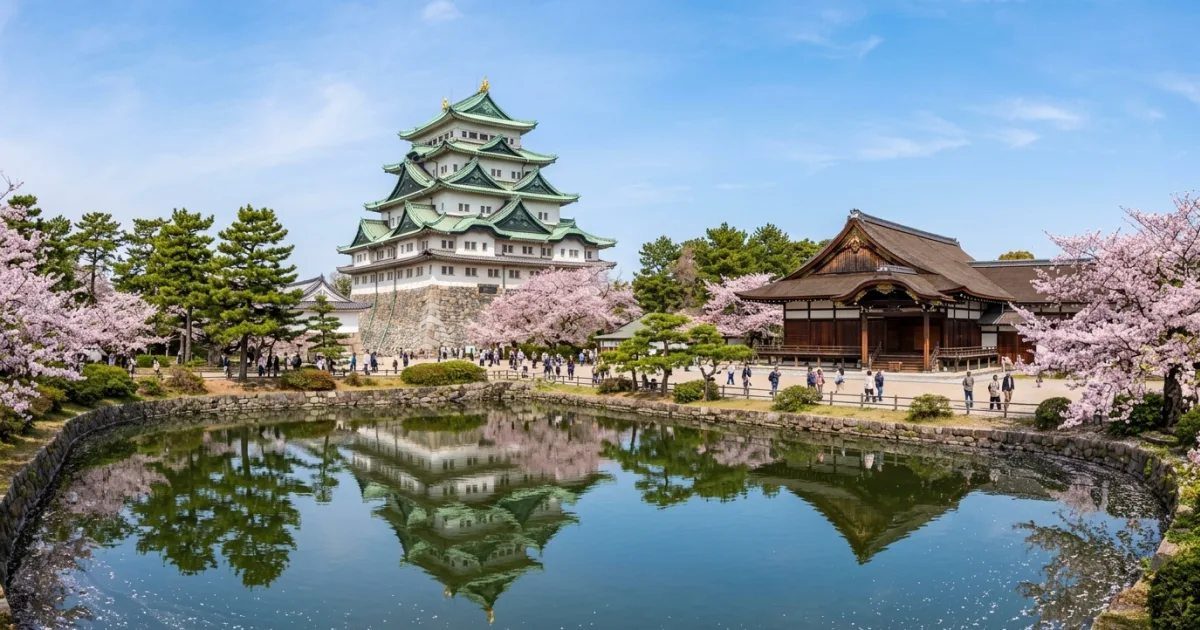
Panoramic view of Nagoya Castle surrounded by cherry blossoms and historic moat

Nagoya Overview & Key Highlights

Nagoya is the capital of Japan's Aichi Prefecture and stands as the nation's premier industrial and manufacturing powerhouse, famously serving as the historic cradle of Toyota and traditional automotive craftsmanship. Despite its modern economic heft, Nagoya preserves an illustrious samurai heritage anchored by the imposing Nagoya Castle, reconstructed Hommaru Palace, and the deeply sacred Atsuta Shrine, which houses the revered Kusanagi sword. The city acts as a vital midpoint on the Tokaido Shinkansen line between Tokyo and Kyoto, offering world-class transit connectivity. Visitors encounter a vibrant culinary culture defined by distinctive 'Nagoya Meshi' traditions, boasting bold flavors like red hatcho miso, hitsumabushi grilled eel, and peppery tebasaki chicken wings. Beyond its historic quarters and gastronomy, Nagoya features progressive interactive spaces including the Toyota Commemorative Museum of Industry and Technology, SCMaglev and Railway Park, and the innovative Oasis 21 complex. It provides a spacious, authentic urban alternative to Japan's more congested tourist hubs, merging technological innovation with centuries of cultural pedigree.

Nagoya Travel Guide: Logistics & In-Depth Tips

Nagoya is the fourth most populous city in Japan, commanding a strategic position at the intersection of traditional feudal power and cutting-edge industrial modernity. Known historically as the ancestral territory of Tokugawa Ieyasu—the shogun who unified feudal Japan—the city preserves historic treasures, feudal gardens, and magnificent castle structures. Following industrial reconstruction, Nagoya evolved into the heart of Japan's automotive, aerospace, and rail technology sectors, presenting travelers with a balanced blend of past and future.

Reasons to Visit

  • Samurai Heritage: Walk through the faithfully reconstructed Hommaru Palace at Nagoya Castle and inspect authentic warrior armor at the Tokugawa Art Museum.
  • Unrivaled Transportation Tech: Marvel at modern high-speed trains and classic steam locomotives at the SCMaglev and Railway Park.
  • Nagoya Meshi Gastronomy: Indulge in distinct regional flavors ranging from miso katsu to hitsumabushi and tebasaki chicken wings.
  • Lower Crowd Density: Enjoy prominent Japanese sights, temples, and manicured zen gardens without the overwhelming tourist crowding found in Tokyo or Kyoto.

Things to Avoid

  • Avoid confusing JR line stations with the separate Nagoya municipal subway lines; look carefully at transit signage before tapping your ticket.
  • Do not skip the morning kissaten breakfast culture, as ordering a simple morning beverage often comes with delicious free food pairings.
  • Avoid standing on the walking side of public escalators; standard etiquette in Nagoya is to stand on the left and pass on the right.
  • Do not walk while eating in public street corridors; enjoy street snacks near the vendor or inside dedicated dining spaces.

Local Transportation Tips

Nagoya features an immaculate public transportation system comprising six subway lines operated by the Nagoya City Transportation Bureau, alongside extensive JR lines and Meitetsu regional rail links. Major central districts including Nagoya Station (Meieki), Sakae, and Osu are connected directly by the Higashiyama and Meijo subway lines. Travelers can purchase a convenient 24-hour subway ticket for ¥760 or use national IC cards like Suica, Pasmo, or Manaca for rapid tap-in boarding across rail, buses, and automated transit gates.

Travel Etiquette

  • Remove shoes promptly when stepping onto raised tatami mat surfaces in shrines, traditional ryokans, or historic residences.
  • Keep your mobile device set to silent mode ('manner mode') and refrain from talking on the phone while riding trains and subways.
  • Avoid handing cash directly to cashiers; place paper currency and coins into the designated small plastic trays at checkout counters.
  • Refrain from tipping at restaurants, bars, and taxis, as world-class service is included and tipping can cause polite confusion.

Recommended Age Group

Nagoya welcomes visitors across every generation, pairing supreme infrastructure with diverse historical and technological attractions.

  • Babies (0-2 years): Recommended. Smooth city pavements, accessible subway elevators, and high Japanese hygiene standards make traveling with infants manageable and safe.
  • Kids (3-12 years): Recommended. Children thrive at the hands-on Toyota Commemorative Museum, the SCMaglev Railway Park, and nearby theme parks.
  • Teens (13-19 years): Recommended. Teenagers love exploring the pop-culture and anime shops of the Osu Shopping District, modern tech arcades, and scenic skyscraper observation decks.
  • Adults (20-64 years): Recommended. Perfect demographic for savoring Nagoya's craft beer, izakaya culture, Tokugawa art collections, and serene classical gardens.
  • Seniors (65+ years): Recommended. Flat urban terrain, highly dependable barrier-free public transportation, and serene historical shrines provide an effortless experience.

Accessibility Level: Medium

  • Subway stations throughout central Nagoya feature elevators, tactile paving guides, and accessible gate lanes for wheelchair users.
  • Nagoya Castle and Hommaru Palace grounds offer ramp access, smooth perimeter stone paths, and complimentary wheelchair loans.
  • Low-floor city buses provide automated ramp deployment upon request for smooth boarding.
  • Tactile ground markers and auditory traffic light cues are standard fixtures across major pedestrian intersections.

Did You Know?

Nagoya Castle was originally adorned with two solid gold-plated Kinshachi (mythical tiger-headed carp ornaments) atop its roof, which were so valuable during the Edo period that scales were occasionally chipped off by daring thieves suspended from giant kites.

Cool Statistics

  • Home to Atsuta Jingu, a sacred shrine founded over 1,900 years ago that safeguards the Imperial regalia Kusanagi sword.
  • Generates a significant portion of Japan's total commercial manufacturing output through companies like Toyota and Mitsubishi Heavy Industries.
  • Home to Nagoya Station, one of the world's largest railway station complexes by floor area, spanning over 410,000 square meters.


Address:

Nagoya, Japan

Find Nearby Accommodations

Basic Info

address icon

COUNTRY & Region

Japan,
Asia

ACCESSIBILITY LEVEL​

Medium
Currency icon

LOCAL CURRENCY​

Japanese Yen (JPY)
Price level icon
Medium
Safety Level icon

SAFETY LEVEL

Duration icon

Recommended Duration

• 1-7 days

Electricity

electricity icon

Electricity

100-110V, 
60Hz
Plug Socket icon

Plug Type

• Type A (Flat blade)
• Type B (Flat blade with grounding pin)
Plug types
Click To View Plug Types
Nagoya is part of our
Accessible Travel collection

Activities To Do In Nagoya

Best Time To Visit Nagoya

Nagoya experiences a humid subtropical climate with four distinct seasons, each offering unique urban and cultural appeals.

  • March to May: Spring features comfortable temperatures between 12°C and 22°C alongside stunning cherry blossom blooms at Nagoya Castle grounds and Tsuruma Park.
  • June to August: Hot, humid summers with regular precipitation; indoor destinations like SCMaglev, shopping arcades, and museums provide excellent refuge.
  • September to November: Autumn delivers clear skies, crisp air, and vibrant Japanese maple foliage across Tokugawa Garden and Shirotori Garden.
  • December to February: Mild winter months rarely see heavy snow in the city center, offering crisp illumination festivals and low tourist crowd density.

Average Temperatures Per Month

Remember to check the weather forecast a few days before the trip and before heading to the airport.

Safety Level icon

Safety Level

Nagoya is exceptionally safe with negligible violent crime rates and an orderly public sphere. Take basic common-sense precautions in crowded nightlife districts such as Sakae during weekend late nights. Keep an eye out for bicycle commuters on shared sidewalks, and familiarize yourself with emergency exit maps in hotels regarding earthquake protocols.

The rating is based on multi-year peace, crime, and security indices. Before you go, always verify current conditions through official government travel advisories.

Emergency Numbers

Police: 110
Ambulance: 119

No internet needed • Includes local translations • Free for TravelingWiz readers

Spoken Languages

Japanese (primary); English signage is widespread across subway stations, train hubs, and major tourist sites.

Learn The Language

  • Konnichiwa: Hello
  • Arigatou gozaimasu: Thank you very much
  • Sumimasen: Excuse me / Sorry
  • Kore wa ikura desu ka?: How much is this?
  • Eigo ga hanasemasu ka?: Do you speak English?
  • O-kaikei kudasai: The bill, please
  • Tasukete kudasai: Please help me
  • Doko desu ka?: Where is it?
Travel Booking Partner - TravelingWiz

Trip Cost & Budgeting for Nagoya, 2026

Everything you need to know about money while traveling
Is Nagoya expensive for tourists in 2026? Compared to Tokyo, Nagoya offers a budget-friendly Japanese urban experience. You can expect to pay around 380 JPY for a cappuccino, 500 JPY for a domestic beer, and 2,500 JPY for a mid-range meal. With our Human Verified prices, travelers can plan comfortably across all budgets. Use the data table below to calculate your specific daily budget based on your travel style.
Currency icon

LOCAL CURRENCY​:

Japanese Yen (JPY)
Price level icon
Medium
Credit cards and IC transit cards are widely accepted, but carrying small cash for local food stalls remains helpful.

Per person, per day – pocket cash for small purchases.

Local: 2050
Japanese Yen (JPY)
≈ 53 USD

Full daily spend estimation (accommodation, food, transportation, attractions).

Travel Style
Japanese Yen (JPY)
≈ USD ($)
Budget
11300
63
Mid-range
20500
115
Comfort
45100
253

The Prices, Daily costs, and calculator results are estimates for planning purposes only. Actual costs may vary based on season, booking timing, personal spending habits, and currency fluctuations. TravelingWiz cannot be held responsible for discrepancies between these estimates and your final trip expenses.

  • • Buy a Nagoya Subway & Bus 1-Day Pass to save significantly on daily inner-city transportation.
  • • Enjoy Nagoya's famous morning service at local cafes where ordering coffee includes free toast and eggs.
  • • Eat at station dining avenues and department store basement food halls for high-quality, affordable meals.
  • • Load an IC card like Suica or Manaca on your phone for seamless payments across transit and vending machines.

Pre-Order Tickets

Avoid disappointment when tickets sell out — and skip the long lines by booking online in advance. You’ll often save up to 20% too.
Save up to 20%

Travel Discounts & Coupons

Save on hotels, attractions, transport, and gear — find verified discounts for smarter travel spending.
Verified Coupons

What To Pack

  • Slip-on walking shoes for visiting temples, shrines, and traditional tatami spaces where footwear must be removed frequently.
  • Universal Type A power adapter suitable for Japanese two-pronged outlets.
  • Pocket Wi-Fi device or Japan-compatible eSIM for effortless transit navigation and language translation.
  • Coin pouch or compact wallet to manage 100-yen and 500-yen coins used in vending machines, ticket kiosks, and local ramen shops.
  • Lightweight waterproof umbrella or packable rain jacket for seasonal summer storms and autumn showers.
  • Modest clothing covering shoulders and knees when exploring revered spiritual sites like Atsuta Jingu.
We couldn't find tips for Nagoya.
If you got any, please share

Recommended Itineraries for Traveling to Nagoya

We couldn't find itineraries for Nagoya.
you can contact us for custom trip plan

Food & Drink Highlights

Local Food Overview

Nagoya's gastronomy, renowned nationwide as 'Nagoya Meshi,' is bold, rich, and deeply savory. Anchored by centuries-old fermentation methods utilizing red hatcho miso, local staples include miso katsu (crispy pork cutlets blanketed in thick umami miso sauce) and doteyaki (simmered beef tendon). Distinct from Tokyo or Kansai dining, Nagoya favors robust spicing and intricate culinary rituals, exemplified by hitsumabushi eel eaten in three distinct stages, spicy Taiwan ramen, and peppery fried tebasaki chicken wings served in lively izakayas.
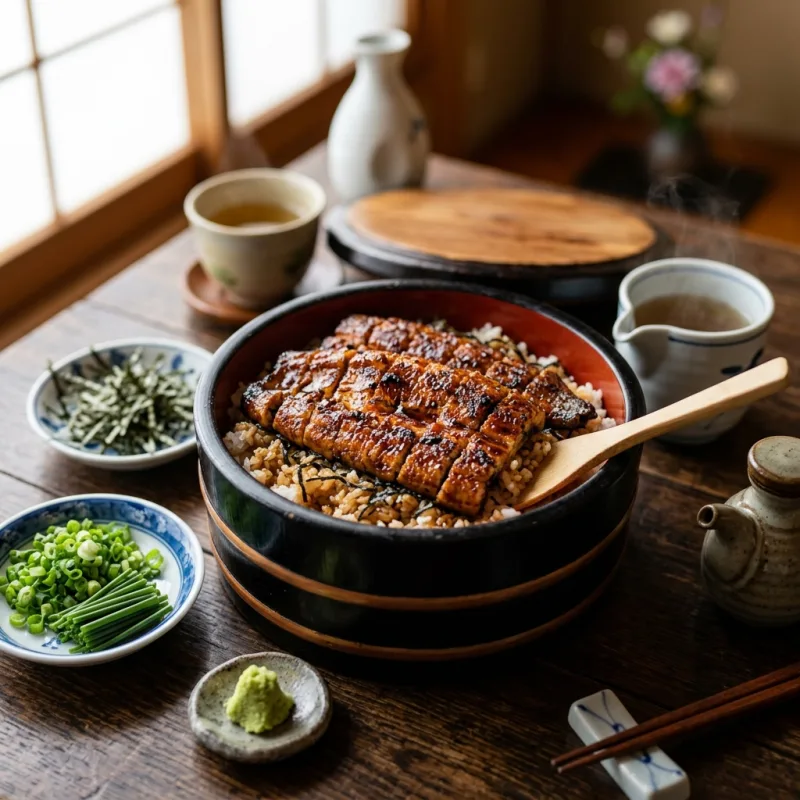
Authentic Nagoya Hitsumabushi grilled unagi served in a lacquer bowl with condiments and dashi broth

Must Try Dish

Hitsumabushi - High-grade freshwater eel grilled over charcoal with a rich glaze, served atop steaming rice and eaten traditionally across three consecutive steps: first plain, second with wasabi and nori, and finally steeped in dashi broth.
Food Experiences Title Icon

Food
Experiences

Discover cooking classes, tastings and local food tours

No food experience found
Maya, the human travel expert at TravelingWiz, offering curated, non-AI expertise

Maya’s Final Checklist for Nagoya

Logistics shouldn’t be the focus of your trip—the experience should. I’ve hand-vetted these essential partners to ensure your arrival, stay, and exploration are as smooth as an Athenian breeze.

Where to Stay

From boutique hotels to local apartments—compare thousands of options and find the perfect stay in the best neighborhood.

Air Travel

Getting there should be seamless. Compare the best routes and prices across top airlines to start your journey on the right note.

Local Guides

Connect with experts who know the destination best. Get personalized advice and insider tips to help you plan your perfect trip.

Travel Protection

The “Engineer’s” rule: always have a backup. Secure your trip with a plan that covers every “what if” and unexpected change.

Car Rentals

Explore at your own pace with total freedom. Compare reliable rental options and find the right vehicle for your adventure.

Visa Services

Don’t let paperwork slow you down. Get expert assistance with your application to ensure all your entry documents are in order.

FAQs

A stay of 2 to 3 days is ideal to explore core attractions like Nagoya Castle, Atsuta Shrine, SC Maglev Railway Park, and sample Nagoya Meshi specialties.
Yes, Nagoya is a primary stop on the Tokaido Shinkansen bullet train, located just 35 minutes from Kyoto and 1 hour 40 minutes from Tokyo.
The Nagoya City Subway network is efficient, clean, and extensive, covering all central districts. Rechargeable IC cards and day passes make navigation seamless.

Your Insights Matter

TravelingWiz grows through the stories of our community. If you’ve recently explored ,Nagoya share your tips and stories to help us perfect our guides for the next traveler.

Related Articles

Check out our related articles and blog posts to learn even more about the destination.

No related articles found

Don’t Travel Alone

Share with your friends and family

Where should we send your offline card?

We hate spam just as much as you do

newsletter_consent *