Founded strategically along the sweeping bends of the Kiso River, Inuyama served for centuries as a vital border crossing between Owari and Mino provinces. Inuyama Castle, originally constructed in 1537 by Oda Nobuyasu—uncle of the unifier Oda Nobunaga—anchors the town's historical identity. It is celebrated as one of only twelve castles across Japan retaining its original pre-Edo period wooden donjon. Clambering up its steep internal timbers rewards visitors with panoramic, open-balcony views over the river valley and surrounding mountain peaks.
Surrounding the fortress, the urban fabric retains its historical layout. Honmachi-dori leads visitors past black-timbered machiya merchant facades, sake breweries, and craft shops. Nearby, the serene Urakuen Garden holds the Joan tea house, built by tea master Oda Urakusai and classified as a National Treasure. Just outside town lie sprawling architectural and ethnological exhibits, including the Meiji-Mura museum village, which preserves rescued historic landmarks such as Frank Lloyd Wright's Imperial Hotel lobby.
Reasons to Visit
- Climb the wooden ladders of Inuyama Castle, one of Japan's oldest surviving National Treasure keeps.
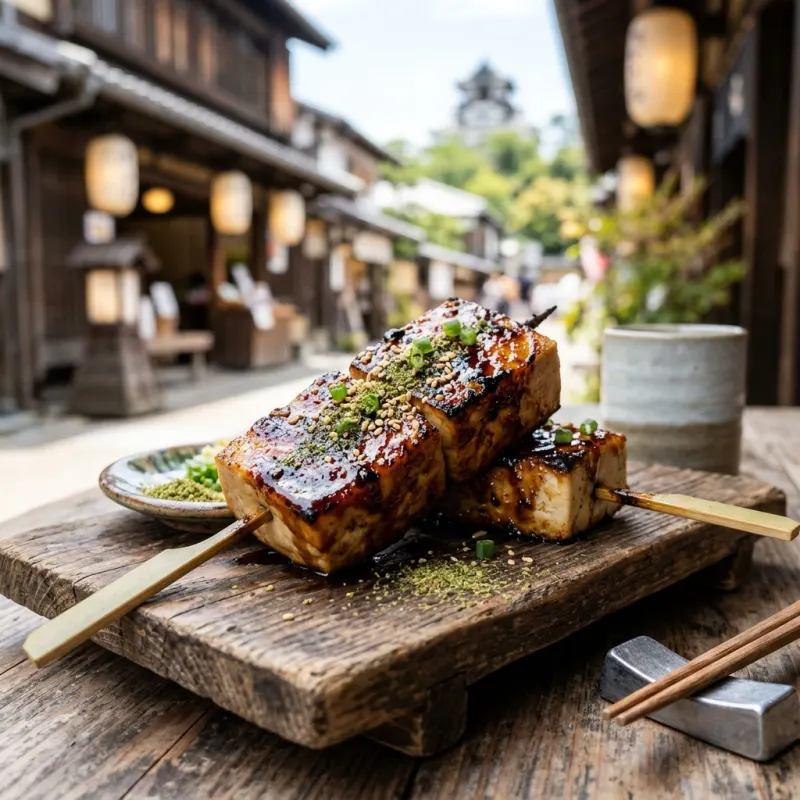
- Stroll down Honmachi-dori to indulge in artisanal skewered street foods and visit centuries-old sake cellars.
- Visit the Joan tea house inside Urakuen Garden, an exemplar of traditional Japanese Zen aesthetics.
- Experience traditional summer ukai (cormorant fishing) along the Kiso River on historic wooden boats.
- Wander through Meiji-Mura to inspect preserved architectural masterworks from Japan's transitional industrial period.
Things to Avoid
- Avoid wearing footwear that is difficult to untie or slip off, as shoes must be removed repeatedly at historic properties.
- Do not plan a trip relying solely on credit cards; maintain Japanese Yen cash for small food vendors and temples.
- Avoid visiting late in the afternoon, as Inuyama Castle and local shops along Honmachi-dori typically close by 17:00.
- Do not attempt to scale the castle's internal stairs carrying bulky luggage or heavy backpacks; utilize station coin lockers beforehand.
Local Transportation Tips
Inuyama is compact and exceptionally pedestrian-friendly. The walk from Inuyama Station or Inuyama-Yuen Station to Inuyama Castle takes approximately 15 to 20 minutes via scenic riverside paths or the traditional Honmachi-dori street. For destinations farther afield like the Museum Meiji-Mura or Little World, local Gifu Bus and Meitetsu Bus services depart regularly from the east exit of Inuyama Station. Rental bicycles are also readily available near the central station.
Travel Etiquette
- Always remove shoes when entering historic buildings, castles, or tea pavilions, and step cleanly onto tatami without socks touching bare ground.
- Do not consume food while walking actively; eat street treats directly in front of the vendor's stall or at designated seated zones.
- Refrain from touching fragile original wood columns or painted screens inside historic monuments.
- Carry your waste with you, as public rubbish bins are scarce throughout Japanese historic districts.
Recommended Age Group
Inuyama caters wonderfully to cultural travelers, families, and history enthusiasts of various ages, though physical requirements inside historic monuments should be considered.
- Babies (0-2 years): Neutral. Navigating paved town streets with a stroller is manageable, but strollers must be parked outside historic sites, and baby carriers are essential for climbing castle steps.
- Kids (3-12 years): Recommended. Exploring the authentic wooden fortress feels like a real adventure, and open-air museums like Meiji-Mura and Little World offer wide open spaces.
- Teens (13-19 years): Recommended. Appealing for its samurai history, vibrant skewered street food culture, and scenic photo opportunities along shrine gates and the castle balcony.
- Adults (20-64 years): Recommended. Ideal demographic for walking tours, architectural appreciation, local sake tastings, and serene tea ceremonies.
- Seniors (65+ years): Neutral. While town paths and gardens are flat and serene, the steep, handrail-reliant climb inside Inuyama Castle's keep can pose significant difficulty for those with joint or balance concerns.
Accessibility Level: Medium
- Honmachi-dori castle town streets are flat, well-paved, and pedestrian-friendly for wheelchairs and walkers.
- Inuyama Castle's interior keep is not wheelchair accessible due to its strictly preserved 16th-century steep wooden stairs.
- Urakuen Garden features gravel pathways that may present slight resistance for manual wheelchairs, though main pavilion views remain viewable.
- Meiji-Mura offers wheelchair rentals, barrier-free access ramps on select historic buildings, and vintage transit rides.
Did You Know?
Inuyama Castle's top observation gallery is one of the extremely rare remaining traditional keeps that allows visitors to step out onto an open-air exterior wooden balcony, completely unprotected by modern wire mesh or glass, providing uninterrupted 360-degree views.
Cool Statistics
- Inuyama Castle was constructed in 1537, standing as one of Japan's 5 National Treasure fortresses.
- The internal staircase inside the castle's main donjon angles at an astonishing 50-degree incline.
- Over 60 original Western-Japanese fusion structures are preserved at nearby Meiji-Mura open-air museum.
- Over 1,300 years of living tradition survive in the cormorant fishing practices on the Kiso River.






Buy a compatible power adapter for your trip