Disclosure: This site contains affiliate links. We may earn a commission if you make a purchase, at no extra cost to you.
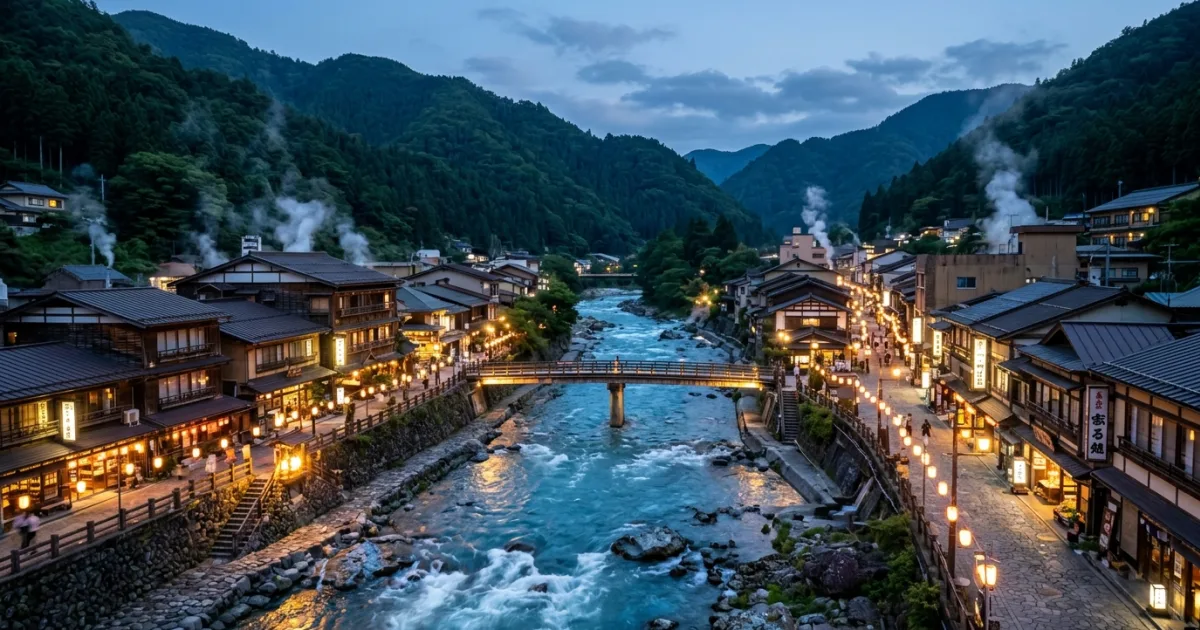
Scenic view of Gero onsen town and Hida River surrounded by forested mountains at twilight

Basic Info

COUNTRY & Region

Japan,
Asia

ACCESSIBILITY LEVEL​

  • High: Widely accessible with good facilities for disabilities.
  • Medium: Some accessible options, but limitations exist.
  • Low: Limited accessibility; many barriers for disabilities.
Medium

LOCAL CURRENCY​

Japanese Yen (JPY)

Price Level

Low – budget‑friendly basics

Medium – moderate mid‑range costs

High – pricey lodging, dining & transport

Medium

SAFETY LEVEL

5 shields = Excellent – very low crime or conflict.

4 shields = Safe – low risk, routine care.

3 shields = Relatively safe – use normal street smarts.

2 shields = Use caution – higher crime or periodic unrest.

1 shields = Avoid – active conflict or extreme danger.

Scores are derived from multi-year peace, homicide and security indices blended into a single 1-to-5 scale.

Recommended Duration

Overnight, 1-7 days

Gero Overview & Key Highlights

Gero is a historic hot spring resort situated along the pristine Hida River in central Gifu Prefecture. Celebrated since the Edo period alongside Kusatsu and Arima as one of Japan's Three Famous Springs, the town is renowned for its silky, alkaline thermal waters known locally as 'Bijin-no-yu' or water of beauty. Traditional wooden ryokan line the riverbanks and mountain slopes, offering guests immersive multi-course kaiseki meals and rejuvenating outdoor baths framed by forested ridges. Beyond its therapeutic baths, Gero preserves the deep rustic traditions of the Chubu region. Visitors can stroll stone pathways wearing yukata and geta, discover relocated thatched-roof farmhouses at the Gero Onsen Gassho Village, and climb the stone stairway to Onsenji Temple for panoramic valley vistas. Its accessible location along the JR Takayama Main Line makes it an effortless wellness escape between Nagoya and the historic alpine town of Takayama.

Gero Travel Guide: Logistics & In-Depth Tips

Tucked within the deep river valley of the Hida Mountains in Gifu Prefecture, Gero has stood as one of Japan's preeminent wellness destinations for more than a thousand years. Historical records and poet Hayashi Razan codified Gero alongside Arima and Kusatsu as the nation's premier triumvirate of therapeutic hot springs. The town centers entirely on its geo-thermal bounty, where dozens of natural sources pour silky, mineral-rich alkaline waters into private ryokan baths, municipal sento, and street-level footbaths.

While wellness is the town's core magnet, Gero also offers travelers a serene glimpse into historical rural craftsmanship. The Gero Onsen Gassho Village showcases ten preserved thatched-roof farmhouses transported directly from the UNESCO-listed Shirakawa-go region, allowing visitors to explore traditional wooden architecture, participate in washi paper-making, and observe shadow puppetry without heavy crowds. Whether soaking in an outdoor rotemburo overlooking the rushing Hida River or savoring melting Hida beef served in a quiet tatami room, Gero delivers an archetypal Japanese hot spring escape.

Reasons to Visit

  • Experience one of Japan's legendary Three Famous Springs renowned for therapeutic, skin-softening alkaline waters.
  • Stay in historic ryokan offering traditional hospitality, private open-air mountain baths, and seasonal kaiseki dining.
  • Taste authentic Hida beef, renowned across Japan for its intense marbling and delicate texture.
  • Explore authentic thatched-roof farmhouses at the Gero Onsen Gassho Village open-air heritage museum.
  • Enjoy tranquil footbath hopping through picturesque streets clad in traditional yukata and wooden geta clogs.

Things to Avoid

  • Avoid stepping directly into onsen baths without washing and rinsing thoroughly at the shower stalls first.
  • Do not let your small modesty towel enter the hot spring water; balance it on your head or set it on the dry edge of the pool.
  • Avoid wearing outdoor shoes inside ryokan entryways (genkan); always change into provided slippers.
  • Avoid arriving late for ryokan dinner seatings, as multi-course kaiseki meals operate on rigorous preparation schedules.
  • Do not overlook cash reserves, as small snack stalls and temple grounds do not accept digital or card payments.

Local Transportation Tips

Gero's primary tourist district is compact and highly walkable on foot directly from JR Gero Station. Many local ryokan operate complimentary shuttle buses synchronized with train arrivals. For reaching Gero Onsen Gassho Village or outlying attractions, regular local Nohi buses depart from the bus terminal right outside the train station, with one-way fares averaging around 100 to 200 JPY.

Travel Etiquette

  • Wear your provided yukata with the left collar crossed over the right collar; crossing right over left is reserved strictly for burials.
  • Maintain quiet, respectful contemplation inside shared bathhouses and public footbaths.
  • Dry off completely with your washcloth before re-entering the changing room from the bathhouse area.
  • Remove your slippers before stepping onto traditional tatami straw mats inside accommodations and tea houses.

Recommended Age Group

Gero provides an exceptional atmosphere for restorative travel across multiple age demographics, particularly those who appreciate quiet cultural immersion and wellness.

  • Babies (0-2 years): Neutral. Many ryokan accommodate infants, but high water temperatures in natural mineral baths can be too intense for baby skin, requiring careful temperature monitoring.
  • Kids (3-12 years): Neutral. Children will enjoy the long outdoor foot-slide at Gassho Village and footbath dipping, but the town lacks large modern theme parks and high-energy amusements.
  • Teens (13-19 years): Neutral. Older teens fascinated by Japanese culinary culture and traditional aesthetic life will enjoy the scenery, though those seeking bustling nightlife may find it quiet.
  • Adults (20-64 years): Recommended. Ideal demographic for couples, solo travelers, and wellness seekers desiring serene hot springs, world-class wagyu beef dining, and peaceful nature walks.
  • Seniors (65+ years): Recommended. The compact layout, restorative waters, elevator-equipped modern ryokan, and calm pace make Gero an exceptional retreat for mature travelers.

Accessibility Level: Medium

  • Most major modern ryokan and tourist hotels feature barrier-free entrances, spacious elevators, and rentable private accessible baths.
  • The central shopping streets along the river are generally flat, but side streets leading up to shrines and Onsenji Temple have steep stairs.
  • JR Gero Station has elevator connectivity between platforms, and accessible restrooms are available at the station tourist center.

Did You Know?

Legend says the hot springs of Gero disappeared following an earthquake in 1265 until an injured white egret landed on the banks of the Hida River, revealing the new location of the miraculous geo-thermal source to local villagers.

Cool Statistics

  • 84°C: Natural emerging temperature of Gero's primary thermal spring sources.
  • 9.2: Average alkaline pH level of the mineral waters, giving them their distinctive silky texture.
  • 10: Original thatched-roof gassho-zukuri structures preserved inside Gero Onsen Gassho Village.
  • 1,000+: Years of recorded bathing history dating back to the Heian period.

Address:

Gero, Gifu Prefecture, Japan

Find Nearby Accommodations

Electricity

100-110V, 
60Hz

Plug Type

Type A (Flat blade), Type B (Flat blade with grounding pin)
Plug types
Click To View Plug Types
Gero is part of our
Solo Female Friendly collection

Activities To Do In Gero

Best Time To Visit Gero

Gero is a year-round hot spring destination, but the distinct seasons dramatically alter the alpine scenery and bathing atmosphere.

  • Spring (April to May): Mild temperatures ranging from 12°C to 20°C accompany cherry blossoms blooming along the riverbanks, making riverside walks exceptionally pleasant.
  • Summer (June to August): Warm and humid with highs around 28°C to 31°C, summer features evening fireworks displays over the Hida River and lush green valley scenery.
  • Autumn (September to November): Crisp mountain air with temperatures between 10°C and 18°C showcases vibrant crimson and gold foliage across the surrounding alpine slopes.
  • Winter (December to March): Cold conditions with temperatures hovering between -2°C and 7°C bring picturesque snowfalls, creating the ultimate setting for open-air rotemburo baths.

Average Temperatures Per Month

Average monthly temperaturesMonthly source values, with Celsius and Fahrenheit equivalents in the following data table.-5°23°5°41°15°59°25°77°35°95°JanJan: 3°C / 37°FFebFeb: 4°C / 39°FMarMar: 8°C / 46°FAprApr: 12°C / 54°FMayMay: 17°C / 63°FJunJun: 21°C / 70°FJulJul: 24°C / 75°FAugAug: 26°C / 79°FSepSep: 23°C / 73°FOctOct: 16°C / 61°FNovNov: 11°C / 52°FDecDec: 4°C / 39°F
View temperature data
Average monthly temperatures
Month°C°F
Jan337
Feb439
Mar846
Apr1254
May1763
Jun2170
Jul2475
Aug2679
Sep2373
Oct1661
Nov1152
Dec439

Remember to check the weather forecast a few days before the trip and before heading to the airport.

Safety Level

5 shields = Excellent – very low crime or conflict.

4 shields = Safe – low risk, routine care.

3 shields = Relatively safe – use normal street smarts.

2 shields = Use caution – higher crime or periodic unrest.

1 shields = Avoid – active conflict or extreme danger.

Scores are derived from multi-year peace, homicide and security indices blended into a single 1-to-5 scale.

Gero maintains exceptionally low crime rates typical of rural Japanese resort towns. The primary hazards involve physical safety around hot spring facilities: test thermal bath temperatures before full submersion and hydrate thoroughly to avoid heat exhaustion. In winter months, watch for black ice on steep stone steps leading up to Onsenji Temple and along riverside promenades. In summer and autumn, remain alert for wild Japanese macaques and bears along unpaved mountain hiking trails.

The rating is based on multi-year peace, crime, and security indices. Before you go, always verify current conditions through official government travel advisories.

Emergency Numbers

Police: 110
Ambulance: 119

No internet needed • Includes local translations • Free for TravelingWiz readers

Spoken Languages

Japanese (Standard & Hida dialect); basic English is understood at the tourist information center and major ryokan front desks.
Travel Booking Partner - TravelingWiz

Learn The Language

  • Konnichiwa: Hello
  • Arigatou gozaimasu: Thank you very much
  • Sumimasen: Excuse me / Pardon
  • Onegaishimasu: Please
  • Kore wa ikura desu ka?: How much is this?
  • Onsen wa doko desu ka?: Where is the hot spring?
  • Oishii desu: It is delicious
  • Eigo ga hanasemasu ka?: Do you speak English?

Trip Cost & Budgeting for Gero, 2026

Everything you need to know about money while traveling
Is Gero expensive for tourists in 2026? Gero offers moderate costs compared to major Japanese metropolitan areas, making it accessible for hot spring visitors. Based on Human Verified prices, expect to pay around 500 JPY for a coffee, 550 JPY for a domestic beer, and 2,000 JPY for a standard mid-range meal. Ryokan stays include baths and often meals, providing great overall value. Use the data table below to calculate your specific daily budget based on your travel style.

LOCAL CURRENCY​:

Japanese Yen (JPY)

Price Level:

Low – budget‑friendly basics

Medium – moderate mid‑range costs

High – pricey lodging, dining & transport

Medium

Cards Vs. Cash

Cards are accepted at major ryokans and hotels, but local bathhouses, street vendors, and small eateries require cash.

How Much Cash to Carry (on you)

Per person, per day – pocket cash for small purchases.

Local: 2250
Japanese Yen (JPY)
≈ 67 USD

Average Daily Costs (per person)

Full daily spend estimation (accommodation, food, transportation, attractions).

Travel Style
Japanese Yen (JPY)
≈ USD ($)
Budget
12400
53
Mid-range
22500
150
Comfort
49500
333
Note

The Prices, Daily costs, and calculator results are estimates for planning purposes only. Actual costs may vary based on season, booking timing, personal spending habits, and currency fluctuations. TravelingWiz cannot be held responsible for discrepancies between these estimates and your final trip expenses.

Best Value Tips

  • • Buy a Yumeguri Tegata pass for around 1,500 JPY to visit three participating hot spring baths at a discounted rate.
  • • Book a ryokan plan including breakfast and kaiseki dinner, which provides much better dining value than paying separately.
  • • Enjoy the numerous free public foot baths scattered throughout Gero town without spending money on entrance fees.
  • • Travel via local JR train lines from Nagoya or Takayama instead of taxis to keep transit costs low.

Tours & Tickets

Explore tours, attractions, and ticket options to plan your visit.
Plan ahead

Travel Offers & Coupons

Browse travel offers and coupons from our affiliate partners.
Affiliate partner offers

What To Pack

  • Slip-on footwear or sandals for easily transitioning in and out of traditional ryokan and onsen facilities.
  • Comfortable walking shoes with good tread for exploring hillside paths and the stone steps at Onsenji Temple.
  • Modest loungewear or base layers to wear under provided yukata during cooler autumn and winter evenings.
  • Towel kit and small dry-bag for carrying personal items to public footbaths and day baths.
  • Universal Type A power adapter and compact portable power bank.
  • Hydration bottle and electrolyte packets to replenish minerals after prolonged thermal soaking.
Only the good stuff!
Browse recommended travel gear
Check out our free packing list tool

Recommended Itineraries for Traveling to Gero

Take your itinerary with you

Choose a ready-made itinerary, plan your own trip, and keep TravelingWiz by your side while you travel.

Get the TravelingWiz app

Food & Drink Highlights

Local Food Overview

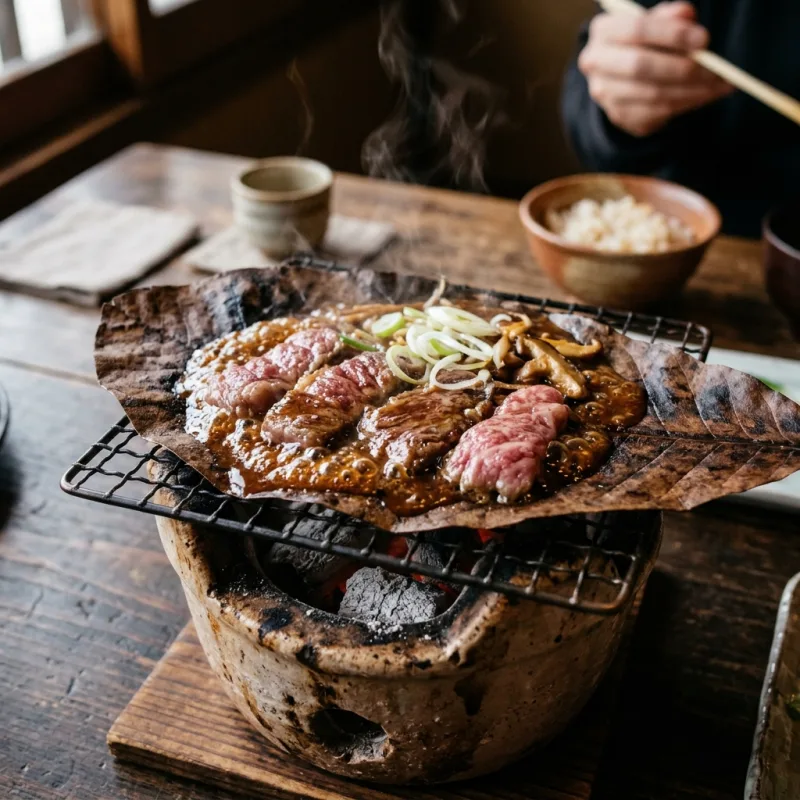
Gastronomy in Gero is defined by the mountain terroir of Gifu Prefecture, anchored by prized Hida beef celebrated for its delicate marbling and buttery texture. Regional preparations frequently incorporate local miso roasted on dried magnolia leaves over tabletop clay braziers. Street food vendors around the onsen quarter feature onsen tamago (eggs slowly poached in natural hot spring waters), sweet soft-serve sundaes incorporating warm thermal eggs, and skewered river sweetfish (ayu) salted and grilled over charcoal embers.

Must Try Dish

Hida Beef Hoba Miso - Tender slices of marbled Hida beef sizzled over sweet local miso, mushrooms, and scallions on a dried magnolia leaf atop a small tabletop brazier. The aromatic fragrance of the scorched leaf infuses the melting beef with rich umami complexity.
Authentic Japanese Hida Beef Hoba Miso sizzling on a magnolia leaf over a small charcoal grill

Maya’s Final Checklist for Gero

Logistics shouldn’t be the focus of your trip—the experience should. I’ve hand-vetted these essential partners to ensure your arrival, stay, and exploration are as smooth as an Athenian breeze.

Maya, the human travel expert at TravelingWiz, offering curated, non-AI expertise

Where to Stay

Compare accommodation options and choose a stay that suits your plans and budget.

Air Travel

Compare flight options and find a route that fits your plans.

Local Guides

Connect with local guides for personalized help planning and exploring.

Travel Protection

The “Engineer’s” rule: always have a backup. Secure your trip with a plan that covers every “what if” and unexpected change.

Car Rentals

Compare rental options and choose a car that suits your trip.

Visa Information

Don’t let paperwork slow you down. Get expert assistance with your application to ensure all your entry documents are in order.

FAQs

Gero’s spring water is an alkaline simple thermal water emerging naturally at 84°C. With a pH of around 9.2, it feels uniquely silky and acts as a natural cleanser, earning its reputation as ‘water of beauty’ for skin rejuvenation.
Public bath regulations vary, but traditional facilities may restrict visible tattoos. Travelers with ink can easily book ryokan with private in-room baths (rotemburo) or rent private family baths (kashikiri-buro) for complete privacy.
From Nagoya, take the JR Limited Express Hida train directly to JR Gero Station in roughly 95 minutes. From Tokyo, take the Tokaido Shinkansen to Nagoya and transfer directly to the Hida express line.
The Yumeguri Tegata is a commemorative cedar wooden pass that allows visitors to sample hot spring baths at three different participating ryokan and hotels throughout Gero, valid for up to six months.

Your Insights Matter

TravelingWiz grows through the stories of our community. If you’ve recently explored ,Gero share your tips and stories to help us perfect our guides for the next traveler.

Where should we send your offline card?

We hate spam just as much as you do

newsletter_consent *