Disclosure: This site contains affiliate links. We may earn a commission if you make a purchase, at no extra cost to you.

>
>
>
>
>
Gifu Prefecture

Gifu Prefecture

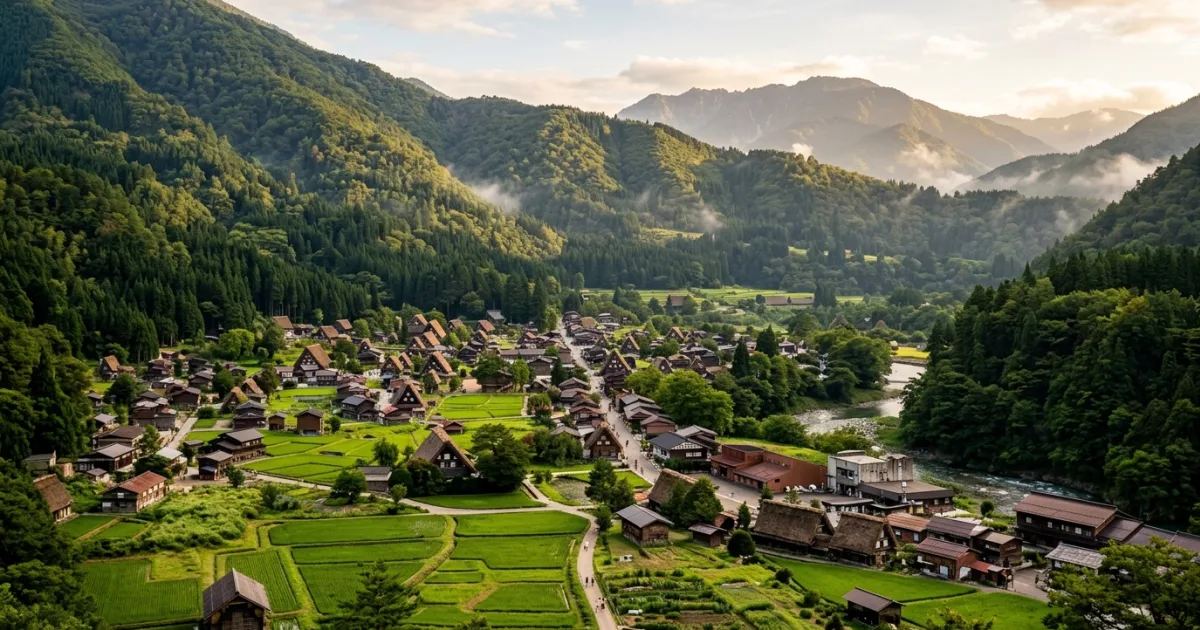
Panoramic view of traditional thatched-roof farmhouses in Shirakawa-go, Gifu Prefecture, Japan

Gifu Prefecture Overview & Key Highlights

Gifu Prefecture occupies the mountainous interior of central Honshu, serving as an atmospheric crossroads of samurai heritage, alpine terrain, and centuries-old rural traditions. The region transitions from the fertile Nobi Plain in the south, guarded by the cliffside citadel of Gifu Castle, to the jagged crests of the Northern Japan Alps and the thatched-roof farmhouses of Shirakawa-go in the north. Historic trade routes like the Nakasendo wind through deep cedar forests, linking immaculately preserved post towns like Magome-juku where travelers once rested on the journey between Edo and Kyoto. Exploring Gifu rewards travelers seeking restorative hot spring retreats, artisan metallurgy, and unhurried cultural immersion away from Japan's crowded coastal megalopolises. Cities like Takayama preserve Edo-period merchant quarters lined with craft sake breweries, while the thermal waters of Gero Onsen offer classic ryokan hospitality along the riverbank. Rich local agriculture yields exceptional Hida beef and sweet river ayu, establishing Gifu as an essential stop for culinary discovery and alpine exploration.

Gifu Prefecture Travel Guide: Logistics & In-Depth Tips

Gifu Prefecture represents the geographic heart of Japan, tucked entirely inland without a coastline, surrounded by seven neighboring prefectures. Its geography divides broadly into the southern Mino region, dominated by broad alluvial river basins and ancient defensive fortresses, and the northern Hida region, characterized by towering 3,000-meter peaks of the Hida Mountain Range, dense cedar forests, and deep snowfall.

Historically, Gifu held unmatched strategic significance during the Sengoku (Warring States) Period, epitomized by the warlord Oda Nobunaga, who seized Inabayama Castle in 1567, renamed it Gifu Castle, and used it as his launchpad to unify feudal Japan. Beyond warfare, the prefecture fostered enduring craft legacies: Seki has forged Japan’s finest samurai swords and cutlery for over 700 years, Mino produces delicate UNESCO-recognized washi paper, and the timber-rich forests of Hida produced the master carpenters who built the classical temples of Kyoto and Nara.

Today, Gifu welcomes travelers seeking a harmonious balance of pristine alpine wilderness and living Japanese traditions. From the UNESCO World Heritage gassho-zukuri farmhouses of Shirakawa-go standing steadfast against heavy winter blizzards to the preserved wooden shopfronts of Takayama's old town and the timeless cobbled walkways of the Nakasendo trail, Gifu remains one of Japan's most rewarding destinations for cultural immersion and natural wonder.

Reasons to Visit

  • UNESCO Heritage Farmhouses: Walk among the centuries-old, steep-thatched gassho-zukuri farmhouses of Shirakawa-go and Gokayama, engineered to withstand intense alpine snowfall.
  • Historic Nakasendo Post Towns: Hike the forested trail between Magome-juku and Tsumago-juku, traversing original stone pathways walked by samurai during the Edo Period.
  • World-Class Hot Springs: Soak in the healing mineral springs of Gero Onsen, ranked historically as one of Japan's top three onsen destinations, and the scenic open-air baths of Okuhida.
  • Preserved Merchant Quarters: Explore Takayama’s Sanmachi Suji district, filled with Edo-era wooden townhouses, morning riverside farmers markets, and traditional sake breweries.
  • Living Artisanal Craftsmanship: Observe traditional sword smithing in Seki, handmade Mino washi papermaking workshops, and ancient cormorant fishing on the pristine Nagara River.

Things to Avoid

  • Don't arrive in historic villages without cash: Many mountain craft shops, street food stalls, and local shuttle buses in Shirakawa-go and Takayama do not accept credit cards or digital foreign payment apps.
  • Don't ignore bear safety precautions: When hiking rural mountain passes like the Nakasendo trail, do not ignore the bear bells placed along the path; ring them to signal your presence to local wildlife.
  • Don't touch or lean against thatched roofs: The centuries-old reeds of Shirakawa-go farmhouses are delicate, highly flammable, and actively maintained by local families; respect barriers and never smoke outside designated areas.
  • Don't assume regional buses run late: Mountain transit between Takayama, Shirakawa-go, and remote onsen towns stops running surprisingly early in the afternoon, often around 5:00 PM.
  • Don't wear outdoor shoes onto tatami mats: Always slip off your shoes at the genkan entrance when visiting traditional ryokans, historic merchant houses, and temple halls.

Local Transportation Tips

Gifu Prefecture features a dependable transportation network comprised of JR railway lines and regional highway bus systems. The JR Tokaido Line and Meitetsu lines efficiently connect Nagoya to Gifu City in 20 to 30 minutes. To reach northern destinations like Gero and Takayama, the JR Limited Express Hida winds along scenic river valleys, offering wide panoramic windows.

Because northern Gifu's rugged terrain limits railway expansion, the Nohi Bus company serves as the indispensable lifeline for travel between Takayama, Shirakawa-go, the Shinhotaka Ropeway, and Hirayu Onsen. While major routes accept IC cards (like Suica or Pasmo), many remote mountain buses require paper tickets or exact cash. If traveling across multiple alpine valleys or venturing to remote waterfalls, renting a car equipped with English GPS provides maximum flexibility.

Travel Etiquette

  • Onsen Etiquette: Always wash and rinse your body thoroughly at the seated washing stalls before entering the communal bathwater. Keep hair tied up, keep your modesty towel out of the water, and ensure all soap residue is rinsed away.
  • Shoe Removal: Remove your outdoor footwear at the designated entryway (genkan) of accommodations, heritage buildings, and temples, swapping into provided indoor slippers. Remember to take off slippers entirely before stepping onto straw tatami mats.
  • Street Dining Rules: While Takayama has vibrant street food markets, walking while eating is traditionally frowned upon; consume your Hida beef skewers or mitarashi dango near the stall where purchased and dispose of trash in the vendor's receptacle.
  • Silence on Public Transit: Maintain a quiet demeanor on trains and mountain buses; set mobile devices to silent mode and avoid answering phone calls during the journey.

Recommended Age Group

Gifu Prefecture provides an exceptional travel environment for diverse generations, though steep alpine topography and preserved heritage streets require minor logistical planning.

  • Babies (0-2 years): Neutral. Historic post towns like Magome and the dirt trails of Shirakawa-go have uneven cobblestones, steep slopes, and staircases that make standard stroller navigation challenging, though ryokan hospitality is gentle and accommodating.
  • Kids (3-12 years): Recommended. Children are fascinated by ninja demonstrations, aerial ropeway rides at Gifu Castle and Shinhotaka, interactive swordsmithing museums in Seki, and hands-on food-replica making workshops in Gujo Hachiman.
  • Teens (13-19 years): Recommended. Teenagers will appreciate hiking the historic Nakasendo trail, visiting real-life rural locations featured in popular anime films like 'Your Name' (Kimi no Na wa) in Hida-Furukawa, and experiencing traditional craft workshops.
  • Adults (20-64 years): Recommended. An outstanding destination for active adults seeking deep nature trekking, world-renowned hot spring retreats, sake brewery tastings, and rich samurai history.
  • Seniors (65+ years): Recommended. Highly rewarding for mature travelers who appreciate tranquil ryokan stays, restorative thermal waters, scenic railway journeys, and guided exploration of world-class cultural preservation sites.

Accessibility Level: Medium

  • Major train stations including Gifu, Takayama, and Gero are fully equipped with elevators, tactile paving, and accessible multi-purpose restrooms.
  • Many historic attractions, including the Edo-period thatched houses in Shirakawa-go and preserved merchant shops in Takayama, have high wooden doorsteps and lack ramp access due to historical preservation codes.
  • The Shinhotaka Ropeway offers barrier-free access from the lower station to the observation deck, allowing travelers with mobility devices to experience panoramic 360-degree alpine views.
  • Nohi Bus operates select low-floor accessible buses on popular lines, though passengers requiring wheelchair transport should confirm routes and book assistance in advance.

Did You Know?

Gifu Castle sits dramatically atop the 329-meter Mount Kinka, accessible via an aerial ropeway or steep hiking trails. In the 16th century, warlord Oda Nobunaga renamed both the castle and the surrounding territory from 'Inabayama' to 'Gifu'—borrowing the character 'Gi' from Qishan, the sacred mountain where the ancient Chinese Zhou Dynasty arose, signaling his grand ambition to unify all of war-torn Japan under one rule.

Cool Statistics

  • 80% Forest Cover: Over 80 percent of Gifu Prefecture's land area is covered by dense mountain forests, making it one of the most heavily forested prefectures in Japan.
  • 700 Years of Bladesmithing: The city of Seki has produced blades since the Kamakura period, earning it a global reputation alongside Solingen, Germany, as a premier cutlery manufacturing hub.
  • 1,300 Years of River Tradition: Cormorant fishing (Ukai) on the Nagara River has been practiced under imperial patronage continuously since the 8th century, with master fishermen holding the official title of Imperial Fishermen of the Household Agency.


Address:

Gifu Prefecture, Japan

Find Nearby Accommodations

Basic Info

address icon

COUNTRY & Region

Japan,
Asia

ACCESSIBILITY LEVEL​

Medium
Currency icon

LOCAL CURRENCY​

Japanese Yen (JPY)
Price level icon
Medium
Safety Level icon

SAFETY LEVEL

Duration icon

Recommended Duration

• 1-7 days
• More than a week

Electricity

electricity icon

Electricity

100-110V, 
60Hz
Plug Socket icon

Plug Type

• Type A (Flat blade)
• Type B (Flat blade with grounding pin)
Plug types
Click To View Plug Types
Gifu Prefecture is part of our
Coolcation collection

Things To Do In Gifu Prefecture

Total: 1

Activities To Do In Gifu Prefecture

Best Time To Visit Gifu Prefecture

Gifu experiences four distinct seasons, each offering a radically different landscape ranging from snow-covered thatched roofs to vibrant fall foliage.

  • Spring (April to May): Mild weather ideal for the spring Takayama Festival (Sanno Matsuri) and blooming cherry blossoms along the Miyagawa River.
  • Summer (June to August): Pleasant alpine escapes in the northern highlands, cormorant fishing (Ukai) on the Nagara River, and active mountain trekking.
  • Autumn (September to November): Crisp air and brilliant red-and-gold foliage across the Nakasendo trail, Shinhotaka Ropeway, and historical post towns.
  • Winter (December to March): Heavy snowfall transforms Shirakawa-go and Okuhida into winter wonderlands, offering prime skiing and steaming outdoor snow-viewing onsen (rotenburo).

Average Temperatures Per Month

Remember to check the weather forecast a few days before the trip and before heading to the airport.

Safety Level icon

Safety Level

Gifu is an exceptionally safe prefecture with virtually nonexistent violent crime, though natural mountain hazards require prudence. When hiking the Nakasendo trail between Magome and Tsumago, ring the provided trail bells regularly to alert local Asiatic black bears of your presence. In winter, mountain roads around Shirakawa-go and the Okuhida region encounter thick black ice and heavy snowfall; ensure rental cars have studless snow tires and drive with extreme caution.

The rating is based on multi-year peace, crime, and security indices. Before you go, always verify current conditions through official government travel advisories.

Emergency Numbers

Police: 110
Ambulance: 119

No internet needed • Includes local translations • Free for TravelingWiz readers

Spoken Languages

Japanese (Standard and Hida/Mino dialects), with basic English signage and assistance available at major railway stations and tourist centers.

Learn The Language

  • Konnichiwa – Hello
  • Arigatou gozaimasu – Thank you very much
  • Sumimasen – Excuse me / Sorry
  • Kore wa ikura desu ka? – How much is this?
  • O-kaikei kudasai – The bill, please
  • Eigo ga hanasemasu ka? – Do you speak English?
  • Tasukete kudasai – Please help me
  • Toire wa doko desu ka? – Where is the restroom?
Travel Booking Partner - TravelingWiz

Trip Cost & Budgeting for Gifu Prefecture, 2026

Everything you need to know about money while traveling
Is Gifu Prefecture expensive for tourists in 2026? Gifu offers moderate costs compared to major Japanese metropolises, making it very accessible. You can expect to pay around ¥500 for a cappuccino, ¥600 for a local beer, and ¥2,000 for a standard mid-range restaurant meal. With our Human Verified prices, budgeting for traditional towns like Takayama or Shirakawa-go is straightforward. Use the data table below to calculate your specific daily budget based on your travel style.
Currency icon

LOCAL CURRENCY​:

Japanese Yen (JPY)
Price level icon
Medium
Credit cards are accepted at hotels and major shops, but cash is essential for local markets, street food, and rural transport.

Per person, per day – pocket cash for small purchases.

Local: 1950
Japanese Yen (JPY)
≈ 12 USD

Full daily spend estimation (accommodation, food, transportation, attractions).

Travel Style
Japanese Yen (JPY)
≈ USD ($)
Budget
10750
68
Mid-range
19500
124
Comfort
42900
272

The Prices, Daily costs, and calculator results are estimates for planning purposes only. Actual costs may vary based on season, booking timing, personal spending habits, and currency fluctuations. TravelingWiz cannot be held responsible for discrepancies between these estimates and your final trip expenses.

  • • Buy regional bus passes or use IC cards to significantly lower transportation expenses between historic towns.
  • • Sample regional food like Hida beef through affordable lunch sets (teishoku) or morning market street food rather than pricey dinners.
  • • Book mid-range business hotels in Gifu City or Takayama for clean, comfortable, and affordable lodging options.
  • • Rent a bicycle in Takayama or Gifu City to explore major attractions independently without using taxis.

Pre-Order Tickets

Avoid disappointment when tickets sell out — and skip the long lines by booking online in advance. You’ll often save up to 20% too.
Save up to 20%

Travel Discounts & Coupons

Save on hotels, attractions, transport, and gear — find verified discounts for smarter travel spending.
Verified Coupons

What To Pack

  • Slip-on walking shoes that are easy to remove when entering traditional ryokans, shrines, and historic farmhouses.
  • Sturdy hiking boots with solid ankle support for walking the cobblestones of the Nakasendo trail or alpine paths in the Hida mountains.
  • Layered cold-weather clothing and thermal undergarments, as highland temperatures drop sharply in Takayama and Shirakawa-go even during spring and autumn.
  • Waterproof rain shell or compact travel umbrella to handle spontaneous mountain downpours.
  • Cash pouch or small wallet specifically for coins and 1,000-yen notes, as rural mountain shops and regional buses often do not process international cards.
  • Hand towel (tenugui) for foot baths (ashiyu) and open-air hot springs across onsen towns like Gero and Okuhida.
We couldn't find tips for Gifu Prefecture.
If you got any, please share

Recommended Itineraries for Traveling to Gifu Prefecture

We couldn't find itineraries for Gifu Prefecture.
you can contact us for custom trip plan

Food & Drink Highlights

Local Food Overview

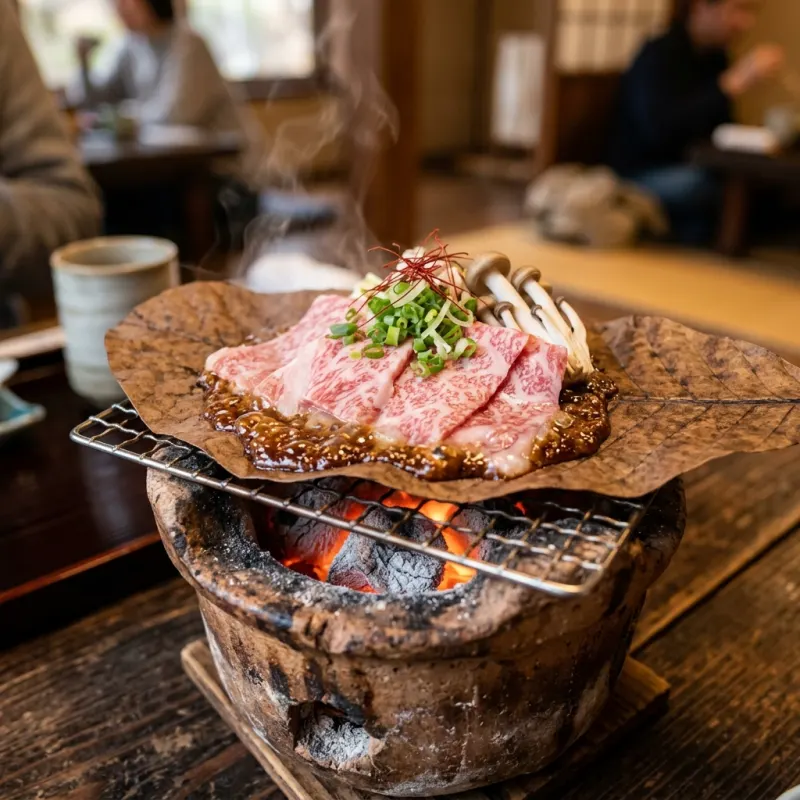
Gifu's regional gastronomy is shaped by crystalline mountain runoff, forested valleys, and cool alpine air. Hida beef stands as the culinary crown jewel, celebrated for its dense marbling, tender texture, and sweet aroma when grilled over charcoal or served on a magnolia leaf coated in sweet hoba miso. In the southern river basins, the clean waters of the Nagara River yield wild ayu (sweetfish), traditionally salted and skewered over open embers. Other regional staples include Takayama ramen—characterized by its light, bonito-infused soy sauce broth and thin curly noodles—alongside mountain root vegetables, pickled turnip preserves, and dry artisanal sake crafted from pure snowmelt.
Japanese Hoba Miso dish featuring marbled Hida beef cooking on a magnolia leaf over a charcoal brazier

Must Try Dish

Hoba Miso with Hida Beef - Tender slices of marbled Hida wagyu beef slow-cooked over a tabletop charcoal burner atop a dried magnolia leaf lathered in sweet, fermented mountain miso. The charred aromatics of the leaf infuse the rich beef and scallions, creating an earthy, melt-in-your-mouth umami experience best paired with steamed local rice.
Food Experiences Title Icon

Food
Experiences

Discover cooking classes, tastings and local food tours

No food experience found
Maya, the human travel expert at TravelingWiz, offering curated, non-AI expertise

Maya’s Final Checklist for Gifu Prefecture

Logistics shouldn’t be the focus of your trip—the experience should. I’ve hand-vetted these essential partners to ensure your arrival, stay, and exploration are as smooth as an Athenian breeze.

Where to Stay

From boutique hotels to local apartments—compare thousands of options and find the perfect stay in the best neighborhood.

Air Travel

Getting there should be seamless. Compare the best routes and prices across top airlines to start your journey on the right note.

Local Guides

Connect with experts who know the destination best. Get personalized advice and insider tips to help you plan your perfect trip.

Travel Protection

The “Engineer’s” rule: always have a backup. Secure your trip with a plan that covers every “what if” and unexpected change.

Car Rentals

Explore at your own pace with total freedom. Compare reliable rental options and find the right vehicle for your adventure.

Visa Services

Don’t let paperwork slow you down. Get expert assistance with your application to ensure all your entry documents are in order.

FAQs

From Tokyo, take the Tokaido Shinkansen to Nagoya Station (approx. 1 hour 40 minutes), then transfer to the JR Tokaido Line to reach Gifu City (20 minutes) or the JR Hida Wide View Limited Express train directly to Takayama (approx. 2 hours 20 minutes). From Osaka, direct Limited Express Hida trains also connect directly to Gifu and Takayama.
Yes, Shirakawa-go can be reached in about 50 minutes by highway bus from Takayama Station, making it an easy day trip. However, booking an overnight stay in an authentic thatched gassho-zukuri farmhouse offers an unforgettable, quiet experience after daytime tourist crowds depart.
Traditional Ukai (cormorant fishing) takes place nightly on the Nagara River in Gifu City and Seki from May 11 to October 15, except during high river levels or full moons.
A car is not required for the main corridor of Gifu City, Takayama, and Shirakawa-go, which are thoroughly serviced by trains and highway buses. However, renting a car is highly recommended if you plan to explore the deep valleys of Okuhida, the Hida-Osaka waterfalls, or remote scenic mountain drives.

Your Insights Matter

TravelingWiz grows through the stories of our community. If you’ve recently explored ,Gifu Prefecture share your tips and stories to help us perfect our guides for the next traveler.

Related Articles

Check out our related articles and blog posts to learn even more about the destination.

No related articles found

Don’t Travel Alone

Share with your friends and family

Where should we send your offline card?

We hate spam just as much as you do

newsletter_consent *