Disclosure: This site contains affiliate links. We may earn a commission if you make a purchase, at no extra cost to you.

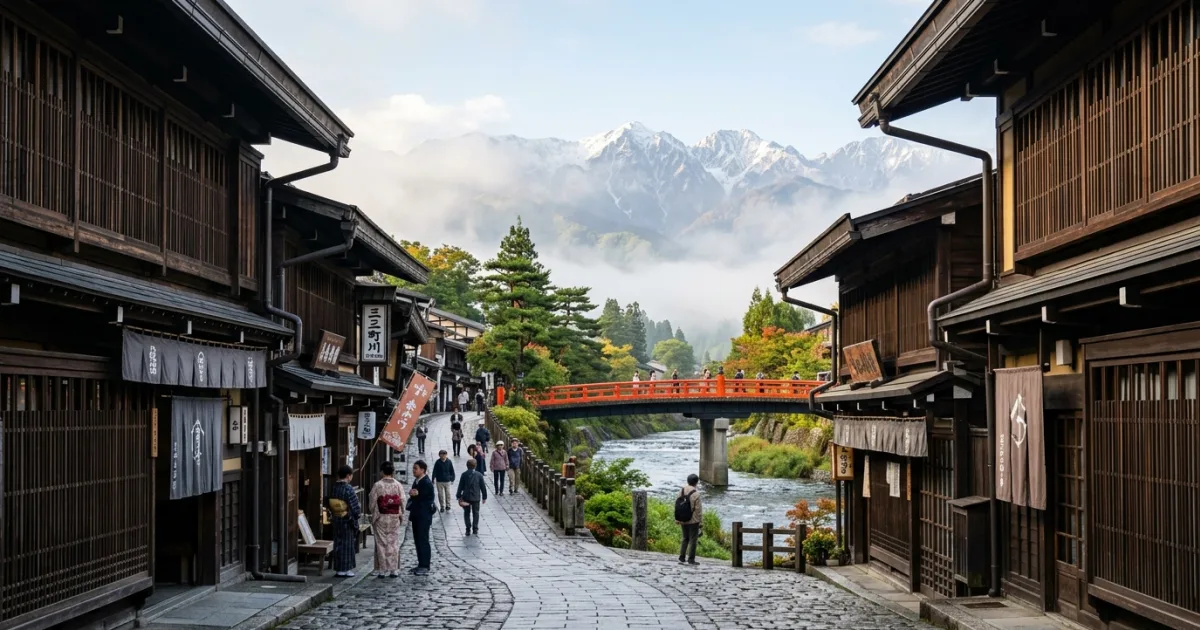
Historic Edo-period wooden merchant street in Takayama with mountain views

Takayama Overview & Key Highlights

Takayama, formally known as Hida-Takayama, is an exceptionally preserved Edo-period merchant town nestled in the mountainous Hida region of Gifu Prefecture. Renowned for its atmospheric Sanmachi Suji historic district lined with dark-wood timber machiya merchant houses, centuries-old sake breweries, and morning riverside markets, the town offers a tranquil glimpse into feudal Japanese life framed by the dramatic peaks of the Northern Japan Alps. Visitors encounter a refined mountain culture distinguished by master woodworking traditions, UNESCO-recognized festival heritage, and high-altitude local culinary craft. Beyond its historic architectural core, Takayama acts as a premier gateway to Alpine nature reserves, rustic hot spring valleys, and the thatched-roof farmhouses of nearby Shirakawa-go. The pedestrian-friendly town center allows travelers to wander between historic samurai administrative offices, preserved hillside temple paths, and artisan craft workshops with remarkable ease. Whether exploring in spring when cherry blossoms drape the vermilion Nakabashi Bridge, or in winter when heavy snow blankets wooden eaves, Takayama delivers an evocative, deeply grounding traditional Japanese travel experience.

Takayama Travel Guide: Logistics & In-Depth Tips

Takayama is an atmospheric mountain town located in northern Gifu Prefecture, cradled by the jagged peaks of the Japan Alps. Established as a fortified castle town in the late 16th century, it was subsequently placed under direct Tokugawa shogunate control due to its prized timber resources and master woodcraft artisans. This unique political history nurtured an affluent, cultured merchant society whose enduring legacy is visible today across the historic Sanmachi Suji district. Here, rows of dark, narrow wooden machiya shophouses, active sake breweries flagged with cedar balls (sugidama), and small craft workshops stand virtually unaltered by modern urban expansion.

The town is intimately traversable on foot, punctuated by the Miyagawa River and its distinctive red Nakabashi Bridge. Daily morning markets bring regional farmers and craftsmen together along the riverside, offering fresh mountain produce, pickles, and wooden handicrafts. Cultural milestones such as the Takayama Jinya—the sole remaining Edo-period provincial government office in Japan—and the Higashiyama Walking Course connect visitors with deep historical roots. Takayama serves equally well as an alpine cultural sanctuary and as an operational hub for venturing into the Hida highlands, Kamikochi, and neighboring UNESCO World Heritage villages.

Reasons to Visit

  • Sanmachi Suji Historic Quarter: Stroll through three immaculately preserved Edo-era merchant streets lined with heritage wooden architecture, tea rooms, and craft shops.
  • World-Class Sake Breweries: Visit multiple historic breweries in the town center offering direct tastings of crisp sakes fermented with melted snow and local mountain rice.
  • Renowned Hida Beef Dining: Indulge in world-famous marbled Wagyu served as flame-torched nigiri, tabletop yakiniku, or simmered in sukiyaki.
  • Authentic Morning Markets: Experience the lively Miyagawa and Jinya-mae morning markets where local farmers have traded goods for over two centuries.
  • Takayama Jinya: Explore the only surviving Tokugawa shogunate administrative outpost in Japan, preserved with period tatami halls and interrogation chambers.
  • Gateway to the Northern Alps: Position yourself perfectly for excursions to Shirakawa-go thatched villages, Kamikochi alpine valleys, and Okuhida onsen retreats.

Things to Avoid

  • Avoid expecting late-night nightlife: Most retail boutiques, cafes, and historical sights close strictly at 17:00, and restaurants frequently conclude service by 20:30.
  • Avoid relying exclusively on credit cards: Always carry adequate paper yen, particularly when browsing morning markets, independent stalls, and local transport counters.
  • Avoid walking and eating simultaneously: In Japanese street culture, consume your purchased snacks directly in front of the stall or designated standing zones rather than while strolling down historic streets.
  • Avoid skipping accommodation reservations during festival seasons: Hotel and ryokan rooms for the April and October festivals book out months in advance; plan early.

Local Transportation Tips

Takayama is an exceptionally pedestrian-friendly destination where virtually all central historic landmarks, morning markets, and dining corridors are reachable on foot within 10 to 20 minutes from JR Takayama Station. For outlying destinations, the local Sarubobo Bus and Machinami Bus loops connect the station directly with the Hida Folk Village (Hida no Sato) and the Takayama Matsuri Yatai Kaikan. Bicycles are widely available for hire at shops surrounding the train terminal. For regional day trips toward Shirakawa-go, Hirayu Onsen, or Matsumoto, the comprehensive Nohi Bus Center located next to the rail station provides punctual, comfortable coach transportation.

Travel Etiquette

  • Remove your shoes when stepping onto tatami mats, entering temples, or checking into traditional Japanese accommodations; slippers are provided for wooden floors.
  • Wash and rinse thoroughly before entering communal hot spring (onsen) baths, and ensure bath towels never touch the bathwater.
  • Carry your trash with you throughout the day; public waste receptacles are rare, and visitors are expected to bring rubbish back to their lodging.
  • Ask permission politely before photographing morning market vendors or residential interiors along the preservation alleys.

Recommended Age Group

Takayama is a culturally rich, tranquil destination that welcomes a broad spectrum of travelers seeking authentic heritage and scenic beauty.

  • Babies (0-2 years): Neutral. The town is safe, calm, and clean, but historic cobblestones, narrow wooden buildings, and tatami-based accommodations require folding strollers or baby carriers.
  • Kids (3-12 years): Recommended. Children enjoy interactive visits to the open-air Hida Folk Village, crafting traditional Sarubobo amulets, feeding riverside carp, and observing festival floats.
  • Teens (13-19 years): Recommended. Great for teenagers interested in traditional Japanese architecture, anime culture (the town served as inspiration for settings in the movie Your Name), and outdoor mountain activities.
  • Adults (20-64 years): Recommended. Perfect demographic for savoring sake brewery tastings, fine Hida beef dining, atmospheric ryokan onsen experiences, and historic exploration.
  • Seniors (65+ years): Recommended. The flat, walkable historic downtown, peaceful pace of life, and comfortable access by scenic train make Takayama exceptionally enjoyable for mature travelers.

Accessibility Level: Medium

  • The historic core around Sanmachi Suji is generally level and flat, though ancient stone curbs, gravel paths, and crowded narrow sidewalks can present occasional obstacles for manual wheelchairs.
  • Takayama Station and the adjoining Nohi Bus Center feature modern, barrier-free infrastructure including elevators, escalators, and accessible multi-purpose restrooms.
  • Historic properties such as Takayama Jinya and traditional timber merchant houses have raised wooden thresholds and step-ups that require stepping out of wheelchairs or requesting specialized staff assistance.
  • Paved pathways along the Miyagawa River provide pleasant, step-free walking routes through the town center.

Did You Know?

The carpenters of the Hida region, known historically as Hida no Takumi, were so revered across feudal Japan for their master woodworking skills that the imperial court in Kyoto exempted the region from standard taxation in exchange for sending local carpenters to construct capital palaces and iconic temples.

Cool Statistics

  • Over 300 years: The approximate age of several continuously operational sake breweries located along Sanmachi Suji.
  • 1692: The year the Tokugawa shogunate assumed direct administration over Takayama, founding the Takayama Jinya.
  • 570 meters: The elevation of Takayama town above sea level, providing cooler summers and reliable alpine snow cover in winter.


Address:

Takayama, Japan

Find Nearby Accommodations

Basic Info

address icon

COUNTRY & Region

Japan,
Asia

ACCESSIBILITY LEVEL​

Medium
Currency icon

LOCAL CURRENCY​

Japanese Yen (JPY)
Price level icon
Medium
Safety Level icon

SAFETY LEVEL

Duration icon

Recommended Duration

• 1-7 days
• Full day

Electricity

electricity icon

Electricity

100-110V, 
60Hz
Plug Socket icon

Plug Type

• Type A (Flat blade)
• Type B (Flat blade with grounding pin)
Plug types
Click To View Plug Types
Takayama is part of our
Culinary Heritage collection

Activities To Do In Takayama

Best Time To Visit Takayama

Takayama is a year-round alpine destination, with distinct seasonal appeals centered on festival dates, foliage, and snowfall.

  • Spring (April to May): Superb conditions marked by blooming cherry blossoms and the iconic Spring Sanno Festival on April 14–15; daytime temperatures range from 12°C to 20°C.
  • Summer (June to August): Pleasantly cooler than coastal metropolitan Japan, though prone to afternoon rains; lush green alpine scenery and lively morning markets.
  • Autumn (September to November): Brilliant fall foliage in the surrounding peaks, crisp mountain air, and the Autumn Hachiman Festival on October 9–10.
  • Winter (December to March): Fairytale snowscapes, prime conditions for mountain onsen soaking, fresh winter sake brewing batches, and freezing temperatures averaging -4°C to 4°C.

Average Temperatures Per Month

Remember to check the weather forecast a few days before the trip and before heading to the airport.

Safety Level icon

Safety Level

Takayama is exceptionally safe with negligible violent crime rates, making it very secure for solo and family travelers alike. Watch your footing along the banks of the Miyagawa River and on icy stone pavements during the snowy winter months. Be aware that the town winds down early in the evening, with most shops closing by 17:00, resulting in quiet and dimly lit backstreets.

The rating is based on multi-year peace, crime, and security indices. Before you go, always verify current conditions through official government travel advisories.

Emergency Numbers

Police: 110
Ambulance: 119

No internet needed • Includes local translations • Free for TravelingWiz readers

Spoken Languages

Japanese (Standard and Hida dialect); basic English is spoken in transport hubs, tourist information centers, and hotels.

Learn The Language

  • Konnichiwa — Hello / Good afternoon
  • Arigatou gozaimasu — Thank you very much
  • Sumimasen — Excuse me / Pardon me
  • Kore wa ikura desu ka? — How much is this?
  • O-kaikei o onegaishimasu — Check/bill, please
  • Eigo ga hanasemasu ka? — Do you speak English?
  • Toire wa doko desu ka? — Where is the restroom?
  • Oishii desu — This is delicious
Travel Booking Partner - TravelingWiz

Trip Cost & Budgeting for Takayama, 2026

Everything you need to know about money while traveling
Is Takayama expensive for tourists in 2026? Takayama remains a very reasonable destination in Japan with attractive overall value. Expect to pay around 480 JPY for a cappuccino, 550 JPY for a domestic beer, and 2,500 JPY for a standard main meal at a mid-range restaurant. Featuring Human Verified prices, this charming alpine town offers high quality food and traditional culture without Tokyo price tags. Use the data table below to calculate your specific daily budget based on your travel style.
Currency icon

LOCAL CURRENCY​:

Japanese Yen (JPY)
Price level icon
Medium
Major hotels and larger shops accept cards, but local morning markets, traditional eateries, and buses require cash.

Per person, per day – pocket cash for small purchases.

Local: 1850
Japanese Yen (JPY)
≈ 65 USD

Full daily spend estimation (accommodation, food, transportation, attractions).

Travel Style
Japanese Yen (JPY)
≈ USD ($)
Budget
10200
55
Mid-range
18500
115
Comfort
40700
275

The Prices, Daily costs, and calculator results are estimates for planning purposes only. Actual costs may vary based on season, booking timing, personal spending habits, and currency fluctuations. TravelingWiz cannot be held responsible for discrepancies between these estimates and your final trip expenses.

  • • Sample famous Hida beef via affordable street stalls or lunch sets rather than costly dinner menus.
  • • Explore the Miyagawa and Jinya-mae morning markets for budget-friendly local street food and fresh fruit.
  • • Take advantage of Takayama's compact, walkable layout to reach most sights on foot and skip transit costs.
  • • Purchase discounted regional bus passes if you plan day trips to nearby attractions like Shirakawa-go.

Pre-Order Tickets

Avoid disappointment when tickets sell out — and skip the long lines by booking online in advance. You’ll often save up to 20% too.
Save up to 20%

Travel Discounts & Coupons

Save on hotels, attractions, transport, and gear — find verified discounts for smarter travel spending.
Verified Coupons

What To Pack

  • Comfortable slip-on walking shoes suitable for frequent removal when entering temples, ryokan inns, and traditional timber buildings.
  • Layered alpine clothing, including thermal base layers, a windproof fleece, and down jacket for chilly mountain mornings and evenings.
  • Compact travel umbrella or lightweight rain shell, as mountain precipitation can develop rapidly.
  • Hand sanitizer and personal small towel/handkerchief, as traditional public restrooms often do not provide electric hand dryers or paper towels.
  • Coin purse or dedicated cash wallet to manage paper yen and heavy change at morning street markets and traditional craft stalls.
  • Moisturizing skin balm and bath gear for frequent onsen soaking and dry mountain air.
We couldn't find tips for Takayama.
If you got any, please share

Recommended Itineraries for Traveling to Takayama

We couldn't find itineraries for Takayama.
you can contact us for custom trip plan

Food & Drink Highlights

Local Food Overview

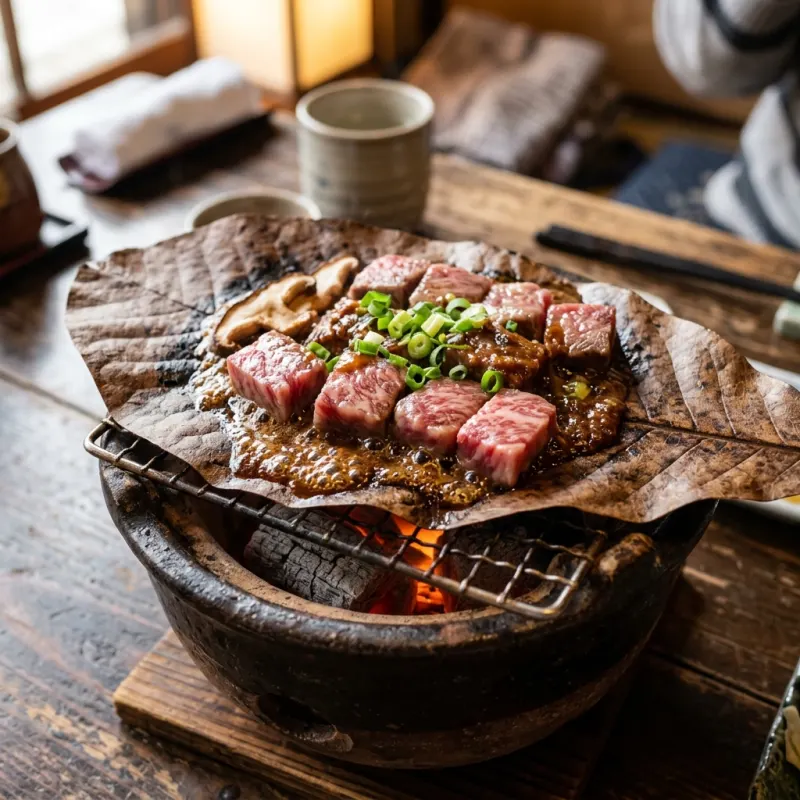
Gastronomy in Takayama reflects its alpine microclimate and forestry heritage. The undeniable culinary star is Hida Beef (Hida-gyu), a top-tier black-haired Wagyu praised for delicate intramuscular marbling, melt-in-the-mouth tenderness, and rich umami flavor. Meals are deeply tied to fermentation: Hoba Miso involves cooking sweet mountain miso, wild mushrooms, and scallions atop a dried magnolia leaf over an open clay burner (shichirin). Local soba noodles made with pure Alpine water, Takayama ramen featuring a light, soy-based broth with curly Chinese noodles, and dry daiginjo sakes brewed through snowbound winters round out the regional mountain feast.
Japanese Hoba Miso Steak with Hida beef sizzling on a dried magnolia leaf over a charcoal burner

Must Try Dish

Hoba Miso Steak - Tender cubes of A5-grade Hida beef broiled alongside rich mountain miso, shiitake mushrooms, and sliced leeks on a fragrant dried magnolia leaf over a tabletop charcoal burner. The caramelized sweet and savory miso complements the intensely marbled beef, creating an unforgettable sensory staple of local alpine gastronomy.
Food Experiences Title Icon

Food
Experiences

Discover cooking classes, tastings and local food tours

No food experience found
Maya, the human travel expert at TravelingWiz, offering curated, non-AI expertise

Maya’s Final Checklist for Takayama

Logistics shouldn’t be the focus of your trip—the experience should. I’ve hand-vetted these essential partners to ensure your arrival, stay, and exploration are as smooth as an Athenian breeze.

Where to Stay

From boutique hotels to local apartments—compare thousands of options and find the perfect stay in the best neighborhood.

Air Travel

Getting there should be seamless. Compare the best routes and prices across top airlines to start your journey on the right note.

Local Guides

Connect with experts who know the destination best. Get personalized advice and insider tips to help you plan your perfect trip.

Travel Protection

The “Engineer’s” rule: always have a backup. Secure your trip with a plan that covers every “what if” and unexpected change.

Car Rentals

Explore at your own pace with total freedom. Compare reliable rental options and find the right vehicle for your adventure.

Visa Services

Don’t let paperwork slow you down. Get expert assistance with your application to ensure all your entry documents are in order.

FAQs

From Tokyo, take the Tokaido Shinkansen to Nagoya (approx. 100 minutes), then transfer to the JR Hida Limited Express scenic train to Takayama (approx. 140 minutes). From Kyoto, take the Shinkansen to Nagoya (35 minutes) and switch to the JR Hida train, or catch a direct highway express bus.
Yes, Takayama is the most convenient transit hub for Shirakawa-go. Nohi Bus operates direct, frequent round-trip coaches from the Takayama Nohi Bus Center adjacent to JR Takayama Station, reaching Shirakawa-go in approximately 50 minutes.
The Sanno Festival (Spring Festival) takes place annually on April 14–15 to welcome spring, while the Hachiman Festival (Autumn Festival) occurs on October 9–10 after the harvest. Both feature grand parades of centuries-old, intricately decorated festival floats (yatai).

Your Insights Matter

TravelingWiz grows through the stories of our community. If you’ve recently explored ,Takayama share your tips and stories to help us perfect our guides for the next traveler.

Related Articles

Check out our related articles and blog posts to learn even more about the destination.

No related articles found

Don’t Travel Alone

Share with your friends and family

Where should we send your offline card?

We hate spam just as much as you do

newsletter_consent *