Disclosure: This site contains affiliate links. We may earn a commission if you make a purchase, at no extra cost to you.

Gifu Castle on Mount Kinka overlooking the Nagara River in Gifu City

Gifu City Overview & Key Highlights

Gifu City serves as the historic heart of Gifu Prefecture, strategically positioned along the crystal-clear Nagara River beneath the forested peak of Mount Kinka. Renowned across Japan as the operational stronghold of warlord Oda Nobunaga during the late sixteenth-century Sengoku period, the city preserves deep samurai heritage anchored by the reconstructed cliffside Gifu Castle. Travelers can ascend the mountain via the Mount Kinka Ropeway or hiking trails to take in sweeping panoramas that stretch across the Nobi Plain toward Nagoya. Beyond its martial history, Gifu City is world-famous for its 1,300-year-old living tradition of Ukai, or night cormorant fishing, overseen by imperial master fishermen on the Nagara River from May to October. The adjacent Kawaramachi historic quarter features intact black-timbered merchant houses, traditional paper umbrella and lantern workshops, and charming teahouses serving fresh sweetfish. Situated only twenty minutes by rapid train from Nagoya, Gifu City stands out as an exceptionally accessible cultural center balancing dramatic natural topography with classic Japanese artisan traditions.

Gifu City Travel Guide: Logistics & In-Depth Tips

Situated along the banks of the Nagara River, Gifu City combines storied warlord history with ancient craftsmanship. It served as the central headquarters for Oda Nobunaga in his ambition to unify feudal Japan during the Sengoku period, lending the city immense strategic significance. Mount Kinka rises dramatically from the city basin, crowned by Gifu Castle which provides unobstructed observation lines over the fertile Mino plains.

Today, Gifu is revered for preserving timeless Japanese cultural practices. The Nagara River remains one of Japan's cleanest urban waterways, supporting wild sweetfish populations and the nightly spectacle of Ukai cormorant fishing practiced under imperial patronage. Complemented by historic wooden merchant streets in Kawaramachi and artisanal lantern manufacturing, Gifu City offers deep cultural immersion within effortless reach of central Japan's transit corridors.

Reasons to Visit

  • Gifu Castle & Mount Kinka: Explore the mountaintop castle reconstructed on the historic stronghold of warlords Saito Dosan and Oda Nobunaga.
  • Nagara River Cormorant Fishing (Ukai): Witness a 1,300-year-old fishing ritual conducted by torchlight from traditional longboats.
  • Historic Kawaramachi District: Stroll through preserved Edo- and Meiji-era merchant alleys featuring cedar-clad lattice storefronts.
  • Artisanal Craft Heritage: Discover traditional Gifu Japanese paper lanterns (Chochin), Japanese umbrellas (Wagasa), and Mino washi paper crafts.
  • Culinary Delights: Taste authentic charcoal-grilled ayu sweetfish and premium A5-grade Hida wagyu beef.

Things to Avoid

  • Avoid planning your Ukai riverboat experience outside the mid-May to mid-October operating window.
  • Do not rely entirely on cashless payments in historic shopping quarters or small mountain shrines.
  • Avoid wearing stiff or difficult-to-remove footwear, as many attractions require changing into slippers.
  • Do not ignore weather warnings along the Nagara River during rainy season or typhoon periods.

Local Transportation Tips

Gifu City is efficiently served by comprehensive bus networks operated by Gifu Bus, departing regularly from both JR Gifu Station and Meitetsu Gifu Station. Most major tourist sights, including Gifu Park, the Mount Kinka Ropeway, and Kawaramachi, cluster along the Nagara River bus corridor, reached within 15 minutes from the central stations. Mount Kinka's summit is accessible in three minutes via the Mount Kinka Ropeway, while walking and cycling remain pleasant ways to navigate the historic riverside districts.

Travel Etiquette

  • Remove your shoes when stepping onto tatami mat flooring in temples, teahouses, and historic residences.
  • Maintain respectful silence when watching Ukai fishing masters maneuver boats and handle cormorant birds.
  • Dispose of litter in designated sorting receptacles or carry personal trash back to your hotel room.
  • Bow slightly as a polite greeting when entering artisan craft workshops in Kawaramachi.

Recommended Age Group

Gifu City accommodates diverse traveler demographics thanks to its blend of comfortable transit, outdoor nature, and immersive historical sites.

  • Babies (0-2 years): Neutral. Riverbanks and parks are stroller-friendly, but castle approaches involve uneven stone steps.
  • Kids (3-12 years): Recommended. Children enjoy the ropeway ascent, the Mount Kinka Squirrel Village, and evening torchlit boat rides.
  • Teens (13-19 years): Recommended. Samurai weaponry displays, dramatic panoramic castle viewpoints, and delicious street food appeal strongly to teenagers.
  • Adults (20-64 years): Recommended. Exceptional historical walking, craft shopping, sake tasting, and atmospheric riverside dining cater perfectly to adults.
  • Seniors (65+ years): Recommended. Smooth transit access, gentle ropeway rides, and leisurely riverside walking paths make navigation comfortable.

Accessibility Level: Medium

  • The Mount Kinka Ropeway lower station and cabins are wheelchair accessible, allowing easy mountain ascent.
  • Paved pathways throughout Gifu Park and along the Nagara River promenade offer smooth, flat rolling surfaces.
  • Gifu Castle itself features steep internal staircases and rocky exterior slopes that present barriers for manual wheelchairs.
  • Major transit centers including JR Gifu Station provide elevators, tactile paving, and accessible multi-purpose restrooms.

Did You Know?

The name 'Gifu' was selected by warlord Oda Nobunaga himself in 1567, derived from Mount Qi in China (birthplace of the Zhou Dynasty), symbolizing his ambition to usher in a unified and peaceful national era.

Cool Statistics

  • Over 1,300 years of unbroken cormorant fishing heritage on the Nagara River.
  • Mount Kinka stands at an elevation of 329 meters above sea level.
  • Just 20 minutes travel time connects Gifu City to Nagoya by train.
  • Six official Imperial Cormorant Fishermen hold hereditary government titles under the Imperial Household Agency.


Address:

Gifu City, Japan

Find Nearby Accommodations

Basic Info

address icon

COUNTRY & Region

Japan,
Asia

ACCESSIBILITY LEVEL​

Medium
Currency icon

LOCAL CURRENCY​

Yen (JPY)
Price level icon
Medium
Safety Level icon

SAFETY LEVEL

Duration icon

Recommended Duration

• 1-7 days
• Full day

Electricity

electricity icon

Electricity

100-110V, 
60Hz
Plug Socket icon

Plug Type

• Type A (Flat blade)
• Type B (Flat blade with grounding pin)
Plug types
Click To View Plug Types
Gifu City is part of our
Solo Female Friendly collection

Activities To Do In Gifu City

Best Time To Visit Gifu City

Gifu City provides distinct seasonal highlights, though the period between May and October attracts the most visitors due to the active cormorant fishing season on the Nagara River.

  • Spring (March to May): Mild temperatures, blooming cherry blossoms around Gifu Park, and comfortable weather for mountain hiking.
  • Summer (June to August): Warm and humid, marked by lively evening Ukai riverboat spectacles and vibrant local fireworks festivals along the riverbanks.
  • Autumn (September to November): Crisp, dry air with dramatic red and gold maple foliage framing Gifu Castle atop Mount Kinka.
  • Winter (December to February): Cool and crisp with clear skies and occasional mountain snow dustings, ideal for quiet museum visits and soaking in nearby onsen.

Average Temperatures Per Month

Remember to check the weather forecast a few days before the trip and before heading to the airport.

Safety Level icon

Safety Level

Gifu City is exceptionally safe with low crime rates across all neighborhoods. Standard precautions like keeping track of personal belongings in crowded transit stations are sufficient. During high summer, carry hydration to prevent heat exhaustion while walking outdoors, and take heed of river level notices along the Nagara River during heavy typhoon rains.

The rating is based on multi-year peace, crime, and security indices. Before you go, always verify current conditions through official government travel advisories.

Emergency Numbers

Police: 110
Ambulance: 119

No internet needed • Includes local translations • Free for TravelingWiz readers

Spoken Languages

Japanese (Standard & Mino dialect); basic English signage is standard at transit hubs and major cultural sights.

Learn The Language

  • Konnichiwa: Hello
  • Arigatou gozaimasu: Thank you very much
  • Sumimasen: Excuse me / Sorry
  • Kore wa ikura desu ka?: How much is this?
  • Eigo ga hanasemasu ka?: Do you speak English?
  • O-kaikei o onegaishimasu: Check/bill, please
  • Tasukete kudasai: Please help me
  • Doko desu ka?: Where is it?
Travel Booking Partner - TravelingWiz

Trip Cost & Budgeting for Gifu City, 2026

Everything you need to know about money while traveling
Is Gifu City expensive for tourists in 2026? No, Gifu City is quite affordable compared to major Japanese hubs like Tokyo or Osaka, offering fantastic value for travelers. Based on our Human Verified prices, you can expect to pay around ¥450 for a cappuccino, ¥500 for a local draft beer, and ¥2,500 for a mid-range restaurant meal. Use the data table below to calculate your specific daily budget based on your travel style.
Currency icon

LOCAL CURRENCY​:

Yen (JPY)
Price level icon
Medium
Credit cards are accepted at major venues, but cash is essential for buses, small restaurants, and temple entries.

Per person, per day – pocket cash for small purchases.

Local: 1650
Yen (JPY)
≈ 11 USD

Full daily spend estimation (accommodation, food, transportation, attractions).

Travel Style
Yen (JPY)
≈ USD ($)
Budget
9100
58
Mid-range
16500
105
Comfort
36300
231

The Prices, Daily costs, and calculator results are estimates for planning purposes only. Actual costs may vary based on season, booking timing, personal spending habits, and currency fluctuations. TravelingWiz cannot be held responsible for discrepancies between these estimates and your final trip expenses.

  • • Buy an IC card like Suica or Pasmo for seamless payments on transport and at convenience stores.
  • • Enjoy morning service at local cafes, where buying a coffee includes a free breakfast set.
  • • Take advantage of lunch set menus (teishoku), which cost significantly less than dinner meals.
  • • Rent a municipal bicycle near Gifu Station for an affordable way to explore the Nagara River area.

Pre-Order Tickets

Avoid disappointment when tickets sell out — and skip the long lines by booking online in advance. You’ll often save up to 20% too.
Save up to 20%

Travel Discounts & Coupons

Save on hotels, attractions, transport, and gear — find verified discounts for smarter travel spending.
Verified Coupons

What To Pack

  • Comfortable walking shoes with sturdy tread for exploring Mount Kinka and stone-paved alleys in Kawaramachi
  • Light layers and breathable linen clothing for humid summer days
  • A light jacket or cardigan for evening riverboat cruises on the Nagara River
  • Slip-on socks for frequent shoe removal when entering temples, castles, and traditional ryokan
  • Compact umbrella or waterproof shell for sudden summer afternoon showers
  • Portable external battery pack and Type A plug adapters for mobile devices
We couldn't find tips for Gifu City.
If you got any, please share

Recommended Itineraries for Traveling to Gifu City

We couldn't find itineraries for Gifu City.
you can contact us for custom trip plan

Food & Drink Highlights

Local Food Overview

Gifu City's gastronomy is anchored by the clean, rushing waters of the Nagara River and the agricultural richness of Gifu Prefecture. Freshwater ayu (sweetfish) is the paramount specialty, grilled over charcoal with salt or simmered in sweetened soy and mirin. Diners also savor marbled Hida beef served as sukiyaki or flame-seared nigiri, alongside local Mino-style soba noodles and delicate Wagashi confections crafted with Japanese persimmon.
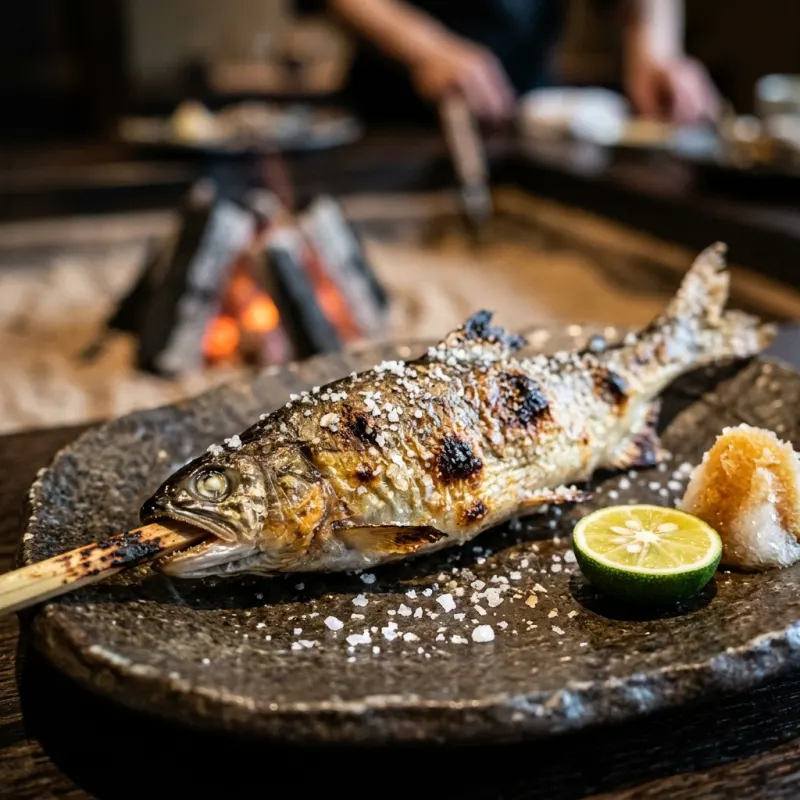
Salt-grilled sweetfish known as Ayu no Shioyaki served on a ceramic plate in Gifu

Must Try Dish

Ayu no Shioyaki - Fresh Nagara River sweetfish skewered in an S-curve, crusted with coarse sea salt, and slowly roasted over burning binchotan charcoal. The cooking technique yields a crisp, salted exterior that seals in delicate, herb-infused, flaky white meat with an aromatic, melon-like finish.
Food Experiences Title Icon

Food
Experiences

Discover cooking classes, tastings and local food tours

No food experience found
Maya, the human travel expert at TravelingWiz, offering curated, non-AI expertise

Maya’s Final Checklist for Gifu City

Logistics shouldn’t be the focus of your trip—the experience should. I’ve hand-vetted these essential partners to ensure your arrival, stay, and exploration are as smooth as an Athenian breeze.

Where to Stay

From boutique hotels to local apartments—compare thousands of options and find the perfect stay in the best neighborhood.

Air Travel

Getting there should be seamless. Compare the best routes and prices across top airlines to start your journey on the right note.

Local Guides

Connect with experts who know the destination best. Get personalized advice and insider tips to help you plan your perfect trip.

Travel Protection

The “Engineer’s” rule: always have a backup. Secure your trip with a plan that covers every “what if” and unexpected change.

Car Rentals

Explore at your own pace with total freedom. Compare reliable rental options and find the right vehicle for your adventure.

Visa Services

Don’t let paperwork slow you down. Get expert assistance with your application to ensure all your entry documents are in order.

FAQs

Gifu City is easily reached from Nagoya Station via the JR Tokaido Line or Meitetsu Nagoya Line, taking approximately 18 to 22 minutes on rapid trains.
The Nagara River Ukai season runs nightly from May 11 to October 15, except during river flooding or during the harvest moon festival.
Yes, visitors can take the Mount Kinka Ropeway from Gifu Park up to the summit station, leaving only a short paved walking path to the castle gate.

Your Insights Matter

TravelingWiz grows through the stories of our community. If you’ve recently explored ,Gifu City share your tips and stories to help us perfect our guides for the next traveler.

Related Articles

Check out our related articles and blog posts to learn even more about the destination.

No related articles found

Don’t Travel Alone

Share with your friends and family

Where should we send your offline card?

We hate spam just as much as you do

newsletter_consent *