Disclosure: This site contains affiliate links. We may earn a commission if you make a purchase, at no extra cost to you.
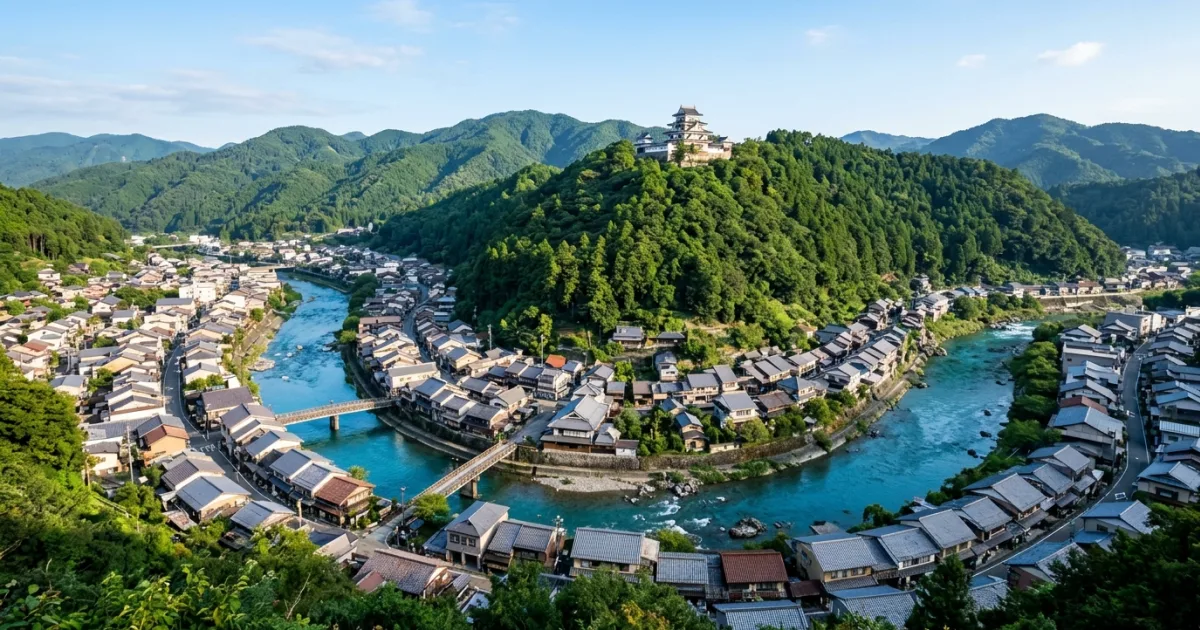
Panoramic view of Gujo Hachiman Castle on a forested hill above traditional Japanese village houses and a river

Basic Info

COUNTRY & Region

Japan,
Asia

ACCESSIBILITY LEVEL​

  • High: Widely accessible with good facilities for disabilities.
  • Medium: Some accessible options, but limitations exist.
  • Low: Limited accessibility; many barriers for disabilities.
Medium

LOCAL CURRENCY​

Japanese Yen (JPY)

Price Level

Low – budget‑friendly basics

Medium – moderate mid‑range costs

High – pricey lodging, dining & transport

Medium

SAFETY LEVEL

5 shields = Excellent – very low crime or conflict.

4 shields = Safe – low risk, routine care.

3 shields = Relatively safe – use normal street smarts.

2 shields = Use caution – higher crime or periodic unrest.

1 shields = Avoid – active conflict or extreme danger.

Scores are derived from multi-year peace, homicide and security indices blended into a single 1-to-5 scale.

Recommended Duration

1-7 days, Full day

Gujo Overview & Key Highlights

Gujo, situated in central Gifu Prefecture along the Yoshida and Nagara Rivers, is celebrated for its pristinely preserved Edo-period architecture and crystalline spring water networks. Often referred to as Gujo Hachiman, the town features historic canals called sogisui running directly alongside residential streets, where locals still wash produce and cool drinks in communal stone basins. Perched above the valley stands Gujo Hachiman Castle, Japan's oldest reconstructed wooden fortress, offering sweeping views of the river-carved mountain town. Beyond its architectural beauty, Gujo is internationally famous as the epicenter of Japanese food replica production and the home of Gujo Odori, an unbroken 400-year-old summer folk dance festival spanning 31 nights. Visitors can carve wax vegetables in artisanal workshops, sample river-fresh ayu sweetfish, and stroll cobblestone lanes lined with wooden machiya merchant homes. The town provides an exceptionally peaceful cultural immersion, seamlessly blending traditional craftsmanship, river recreation, and living historical customs.

Gujo Travel Guide: Logistics & In-Depth Tips

Gujo is an enchanting riverside castle town tucked in the mountainous heart of Gifu Prefecture. Formally unified as Gujo City, its historic center—Gujo Hachiman—flourished as a thriving hub during the Edo Period under feudal lords who structured the town around defensive river bends and fresh spring channels. Water defines everyday life here; the town's legendary waterways, known as mizubune, consist of interconnected tiered stone tanks designed for progressive water usage, demonstrating centuries of communal ecological stewardship.

The town's skyline is crowned by Gujo Hachiman Castle, famously praised by writer Ryotaro Shiba as one of Japan's most scenic mountain strongholds. Down along the cobblestone corridors of Shokuninmachi and Kajiyamachi, traditional merchant residences house artisan workshops, small sake breweries, and wax replica studios where visitors can pour liquid wax into cold water to sculpt lifelike tempura shrimp and lettuce heads. With its unhurried rhythm and preserved customs, Gujo remains an exceptional destination for travelers seeking genuine cultural authenticity.

Reasons to Visit

  • Gujo Odori Festival: Participate in one of Japan's three major traditional folk dance events, welcoming locals and travelers alike into hypnotic nightly street processions.
  • Gujo Hachiman Castle: Marvel at Japan's oldest reconstructed wooden castle perched dramatically atop Mount Hachiman, framed by morning mist and vibrant seasonal foliage.
  • Pristine Water Culture: Walk alongside Sogi Spring and Yanaka Lane, observing historic water channels where mountain runoff flows so clean that sweetfish and carp swim through the town.
  • Food Replica Workshops: Try your hand at molding lifelike wax lettuce heads and fried tempura inside authentic food sample craft centers.
  • Historic Machiya Streets: Wander through protected residential quarters featuring Edo-period wooden latticework, willow-shaded bridges, and hidden temple lanes.

Things to Avoid

  • Avoid using non-biodegradable soaps or contaminating the street canals, as these channels lead directly to residential water systems and natural waterways.
  • Do not wear high heels or unstable footwear when touring the castle or participating in street dances, as the uphill climbs and cobblestone paths require sturdy footing.
  • Avoid arriving late in the evening without dinner reservations, as traditional rural restaurants and izakayas in Gujo often close earlier than those in large metropolitan centers.
  • Do not attempt to swim or jump from high bridges into the Yoshida River without local safety supervision and proper understanding of river currents.

Local Transportation Tips

Gujo Hachiman's central historic district is exceptionally compact and best explored entirely on foot. The local Mame Bus (community bus) operates convenient loops connecting Gujo Hachiman Station, regional government offices, and the town center for a flat fare. For travelers arriving by rail via the scenic Nagaragawa Railway, rental bicycles are available at the station. Access to the summit of Gujo Hachiman Castle involves an uphill walk of roughly 15 to 20 minutes from the town base, though local taxis are readily available at the central plaza for those preferring motor transit.

Travel Etiquette

  • Respect the canal basins (mizubune) by observing signage; the upper basin is reserved exclusively for drinking water, while lower basins are designated for rinsing food or washing utensils.
  • When joining the Gujo Odori circle, follow the rhythm of the procession attentively, wear geta sandals appropriately, and match the rotational flow of the dancers.
  • Always remove your shoes and switch into provided slippers when entering historic residences, temples, traditional ryokan, and castle interiors.
  • Refrain from eating or drinking while walking through narrow residential neighborhoods; finish street snacks near the storefront where they were purchased.

Recommended Age Group

Gujo offers an inviting, serene atmosphere suited for multiple generations, with particular appeal to adults and families who appreciate tactile craft experiences and walkable historical streets.

  • Babies (0-2 years): Neutral. Narrow stone sidewalks and steep wooden staircases inside the castle pose difficulties for push strollers, requiring baby carriers.
  • Kids (3-12 years): Recommended. Children thoroughly enjoy hands-on wax food replica crafting workshops and watching fish dart through pristine open canals.
  • Teens (13-19 years): Recommended. High engagement through authentic dance participation, replica creation, riverside leisure, and photography opportunities.
  • Adults (20-64 years): Recommended. Outstanding setting for cultural immersion, regional craft shopping, riverside dining, sake sampling, and historical exploration.
  • Seniors (65+ years): Recommended. Highly walkable flat historic core with scenic resting spots, though ascending the castle footpath requires steady footing or a taxi.

Accessibility Level: Medium

  • The flat terrain throughout the central canal district and Yanaka Lane is relatively accessible for manual wheelchair users, though some pathways feature uneven flagstones.
  • Gujo Hachiman Castle preserves authentic multi-story wooden interior architecture with steep interior wooden steps that are not wheelchair accessible.
  • Public accessible restrooms are available at Gujo Hachiman Tourist Information Center (Jowa Hall) and major parking plazas near town entrances.
  • Community loop buses have low-step entry doors, though advance notice can assist with specialized wheelchair ramp deployment.

Did You Know?

Gujo produces approximately 60 percent of all commercial food samples (sampuru) found across restaurant display windows in Japan. The industry took off when local resident Takizo Iwasaki perfected an innovative technique in 1932 using melted wax to replicate a realistic omelet, sparking a nationwide culinary display revolution that continues to dominate restaurant marketing today.

Cool Statistics

  • Over 300,000 dancers gather in Gujo annually during the peak 4-night Tetsuya Odori dance marathon.
  • Gujo Hachiman Castle was reconstructed using solid wood in 1933, making it the oldest wooden reconstructed castle in Japan.
  • Sogi Spring was officially designated as the number one spot among Japan's 100 Remarkable Waters by the Ministry of the Environment in 1985.
  • The Gujo Odori folk dance repertoire includes 10 distinct traditional songs, each accompanied by its own unique choreographed hand and foot movements.

Address:

Gujo, Japan

Find Nearby Accommodations

Electricity

100-110V, 
60Hz

Plug Type

Type A (Flat blade), Type B (Flat blade with grounding pin)
Plug types
Click To View Plug Types
Gujo is part of our
Slow Travel & Nature collection

Activities To Do In Gujo

Best Time To Visit Gujo

Gujo experiences distinct seasons marked by dramatic mountain foliage, energetic summer dance festivals, and snowy winterscapes.

  • July to September: Prime festival season when Gujo Odori fills the streets with vibrant all-night dance circles and warm summer river swimming.
  • October to November: Cool, crisp temperatures with spectacular maple autumn foliage surrounding Gujo Hachiman Castle.
  • December to March: Quiet, atmospheric snowy townscapes with regional access to nearby Okumino ski resorts and hot spring baths.
  • April to May: Pleasant spring weather characterized by cherry blossoms along the Yoshida River and fresh seasonal river catch.

Average Temperatures Per Month

Average monthly temperaturesMonthly source values, with Celsius and Fahrenheit equivalents in the following data table.-5°23°5°41°15°59°25°77°35°95°JanJan: 3°C / 37°FFebFeb: 4°C / 39°FMarMar: 8°C / 46°FAprApr: 13°C / 55°FMayMay: 17°C / 63°FJunJun: 21°C / 70°FJulJul: 25°C / 77°FAugAug: 26°C / 79°FSepSep: 23°C / 73°FOctOct: 16°C / 61°FNovNov: 11°C / 52°FDecDec: 4°C / 39°F
View temperature data
Average monthly temperatures
Month°C°F
Jan337
Feb439
Mar846
Apr1355
May1763
Jun2170
Jul2577
Aug2679
Sep2373
Oct1661
Nov1152
Dec439

Remember to check the weather forecast a few days before the trip and before heading to the airport.

Safety Level

5 shields = Excellent – very low crime or conflict.

4 shields = Safe – low risk, routine care.

3 shields = Relatively safe – use normal street smarts.

2 shields = Use caution – higher crime or periodic unrest.

1 shields = Avoid – active conflict or extreme danger.

Scores are derived from multi-year peace, homicide and security indices blended into a single 1-to-5 scale.

Gujo boasts an exceptionally low crime rate with virtually non-existent violent or property offenses. Exercise routine mindfulness on narrow, winding lanes where foot traffic shares space with local delivery vehicles and cars. Take extra care on mossy river stones along the Yoshida River bank and keep a secure footing when stepping around open street waterways and drainage canals.

The rating is based on multi-year peace, crime, and security indices. Before you go, always verify current conditions through official government travel advisories.

Emergency Numbers

Police: 110
Ambulance: 119

No internet needed • Includes local translations • Free for TravelingWiz readers

Spoken Languages

Japanese is the primary language spoken throughout Gujo. Basic English signage is present at major museums and train stations, though conversational English among local shopkeepers and ryokan hosts is limited. Translation apps and basic Japanese courtesy phrases are extremely helpful.
Travel Booking Partner - TravelingWiz

Learn The Language

  • Konnichiwa: Hello
  • Arigatou gozaimasu: Thank you very much
  • Sumimasen: Excuse me / I am sorry
  • Kore wa ikura desu ka?: How much is this?
  • Mizu wa doko desu ka?: Where is the water / spring?
  • O-kaikei o onegai shimasu: Check, please
  • Eigo ga hanasemasu ka?: Do you speak English?
  • Tasukete kudasai: Please help me

Trip Cost & Budgeting for Gujo, 2026

Everything you need to know about money while traveling
Is Gujo expensive for tourists in 2026? Gujo is moderately priced for international travelers, offering great value for money. Expect to pay around 400 JPY for a coffee, 650 JPY for a domestic beer, and 1,800 JPY for a delicious main restaurant meal like local Kei-chan chicken or Hida beef soba. With our Human Verified prices, visiting this charming castle town is very accessible. Use the data table below to calculate your specific daily budget based on your travel style.

LOCAL CURRENCY​:

Japanese Yen (JPY)

Price Level:

Low – budget‑friendly basics

Medium – moderate mid‑range costs

High – pricey lodging, dining & transport

Medium

Cards Vs. Cash

While major hotels accept cards, cash is necessary for small local shops, food stalls, and buses in Gujo.

How Much Cash to Carry (on you)

Per person, per day – pocket cash for small purchases.

Local: 1950
Japanese Yen (JPY)
≈ 33 USD

Average Daily Costs (per person)

Full daily spend estimation (accommodation, food, transportation, attractions).

Travel Style
Japanese Yen (JPY)
≈ USD ($)
Budget
10750
60
Mid-range
19500
120
Comfort
42900
253
Note

The Prices, Daily costs, and calculator results are estimates for planning purposes only. Actual costs may vary based on season, booking timing, personal spending habits, and currency fluctuations. TravelingWiz cannot be held responsible for discrepancies between these estimates and your final trip expenses.

Best Value Tips

  • • Try local teishoku set lunches or Kei-chan chicken at traditional eateries, which offer high-value, authentic dining compared to dinner menus.
  • • Purchase a combined entry pass for Gujo Hachiman Castle and local museums to save on attraction admission fees.
  • • Use Seven Bank or JP Post ATMs at convenience stores or post offices to withdraw cash with minimal foreign exchange transaction fees.
  • • Explore the historic town center on foot along the waterways rather than taking short taxi rides to keep transit expenses minimal.

Tours & Tickets

Explore tours, attractions, and ticket options to plan your visit.
Plan ahead

Travel Offers & Coupons

Browse travel offers and coupons from our affiliate partners.
Affiliate partner offers

What To Pack

  • Slip-on walking shoes for frequent entry into traditional ryokan, shrines, and tatami dining spaces.
  • Lightweight cotton yukata or comfortable breathable attire if attending Gujo Odori summer dance evenings.
  • Geta wooden sandals or flat sandals suitable for walking on wet cobblestones near natural canals.
  • Modest rain jacket or compact travel umbrella, as mountain showers occur frequently in the valley.
  • Coin pouch for local transit, roadside food stalls, and automated coin lockers at the train station.
  • Small hand towel (tenugui) for wiping hands after interacting with public spring basins or foot onsen.
Only the good stuff!
Browse recommended travel gear
Check out our free packing list tool

Recommended Itineraries for Traveling to Gujo

Take your itinerary with you

Choose a ready-made itinerary, plan your own trip, and keep TravelingWiz by your side while you travel.

Get the TravelingWiz app

Food & Drink Highlights

Local Food Overview

Gujo's culinary identity is defined by mineral-rich mountain water, clean river currents, and comforting rural comfort foods. Salt-grilled ayu (sweetfish) caught in the pristine Nagara and Yoshida rivers is a seasonal summer delicacy, prized for its subtle, sweet flavor and crispy skin. The definitive regional comfort food is Kei-chan, a sizzling dish of bite-sized chicken stir-fried with shredded cabbage, onions, and seasonal vegetables in a rich, garlicky local miso or soy sauce marinade. Travelers can also indulge in freshly churned milk products from the nearby Hirugano highlands, hand-cut buckwheat soba noodles, and sweet mitarashi dango glazed in savory soy reduction.

Must Try Dish

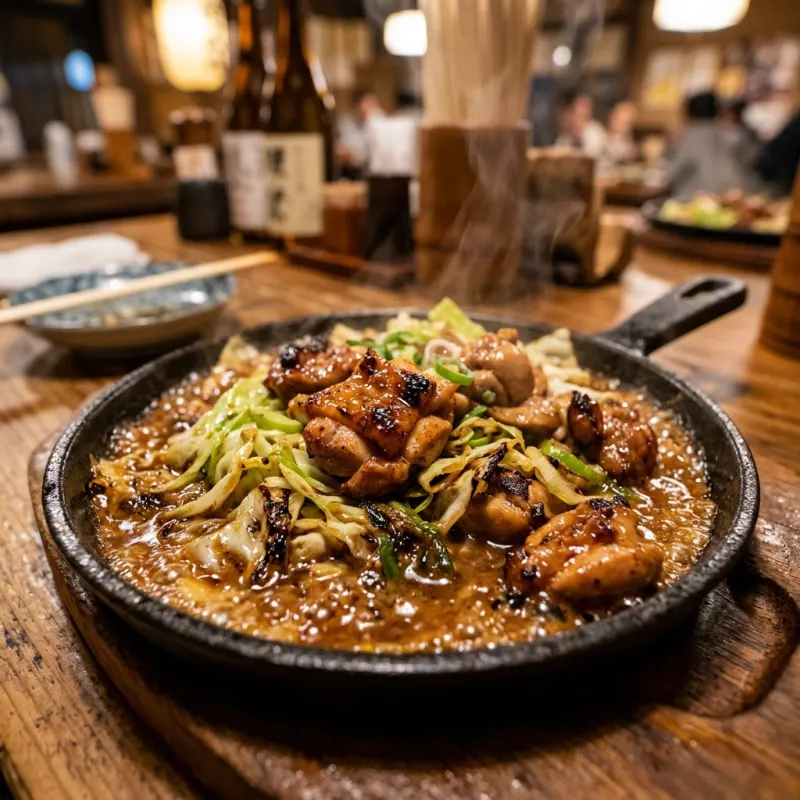
Kei-chan - Savory pieces of local chicken and crisp mountain cabbage stir-fried together on a hot tabletop griddle in a pungent, garlicky homemade miso glaze. It delivers a deeply satisfying, deeply aromatic countryside flavor that pairs exceptionally with steamed rice or local sake.
Sizzling skillet of Kei-chan chicken and cabbage in savory miso sauce

Maya’s Final Checklist for Gujo

Logistics shouldn’t be the focus of your trip—the experience should. I’ve hand-vetted these essential partners to ensure your arrival, stay, and exploration are as smooth as an Athenian breeze.

Maya, the human travel expert at TravelingWiz, offering curated, non-AI expertise

Where to Stay

Compare accommodation options and choose a stay that suits your plans and budget.

Air Travel

Compare flight options and find a route that fits your plans.

Local Guides

Connect with local guides for personalized help planning and exploring.

Travel Protection

The “Engineer’s” rule: always have a backup. Secure your trip with a plan that covers every “what if” and unexpected change.

Car Rentals

Compare rental options and choose a car that suits your trip.

Visa Information

Don’t let paperwork slow you down. Get expert assistance with your application to ensure all your entry documents are in order.

FAQs

The most straightforward route is taking the Gifu Bus expressway coach from Meitetsu Bus Center in Nagoya directly to Gujo Hachiman Inter, which takes around 80 minutes. Alternatively, take the JR train to Mino-Ota and transfer to the scenic Nagaragawa Railway.
Gujo Odori runs for 31 festival nights between early July and early September. The peak celebration, known as Tetsuya Odori, features four continuous nights of all-night dancing around the mid-August Obon holiday.
Yes, Gujo Odori is completely open to everyone regardless of experience. Travelers can purchase or rent wooden geta sandals and a cotton yukata in town, join the circular dance procession, and learn the repetitive dance steps simply by observing the locals.
Takizo Iwasaki, the pioneer who modernized and commercialized realistic wax and plastic food replicas (sampuru) for restaurant window displays in the 1930s, was born in Gujo Hachiman. Today, the town produces over half of Japan’s food models.
A full day is sufficient to visit Gujo Hachiman Castle, tour the canal streets, and make a wax food replica. Staying overnight in a traditional ryokan is recommended to experience the illuminated waterways, local izakayas, and summer evening dances.

Your Insights Matter

TravelingWiz grows through the stories of our community. If you’ve recently explored ,Gujo share your tips and stories to help us perfect our guides for the next traveler.

Where should we send your offline card?

We hate spam just as much as you do

newsletter_consent *