Rising sharply from the shores of Sagami Bay into verdant volcanic ridges, Atami is one of Japan's most celebrated hot spring resort communities. Its popularity surged during the Edo period when shogun Tokugawa Ieyasu praised its therapeutic waters, transporting barrelfuls to Edo Castle. Today, the city seamlessly combines this storied heritage with modern coastal leisure, serving as an accessible seaside getaway from the Tokyo metropolitan sprawl.
Beyond its thermal springs, Atami captivates visitors with cultural landmarks such as the MOA Museum of Art, situated high above the coastline with panoramic views of Hatsushima Island. Architectural treasures like Kiunkaku, a historic former villa that hosted legendary Japanese literary figures, offer quiet courtyards and intricate wooden interiors. The shoreline comes alive with seasonal fireworks festivals, a palm-lined sandy beach, and bustling retro shopping arcades right outside the main railway station.
Reasons to Visit
- Thermal hot spring culture spanning over a millennium, featuring scenic ocean-view baths.
- Only 40 minutes from central Tokyo via the Tokaido Shinkansen bullet train.
- Renowned art and architecture at the MOA Museum of Art and the historic Kiunkaku villa.
- Year-round ocean fireworks displays held throughout multiple seasons over Sagami Bay.
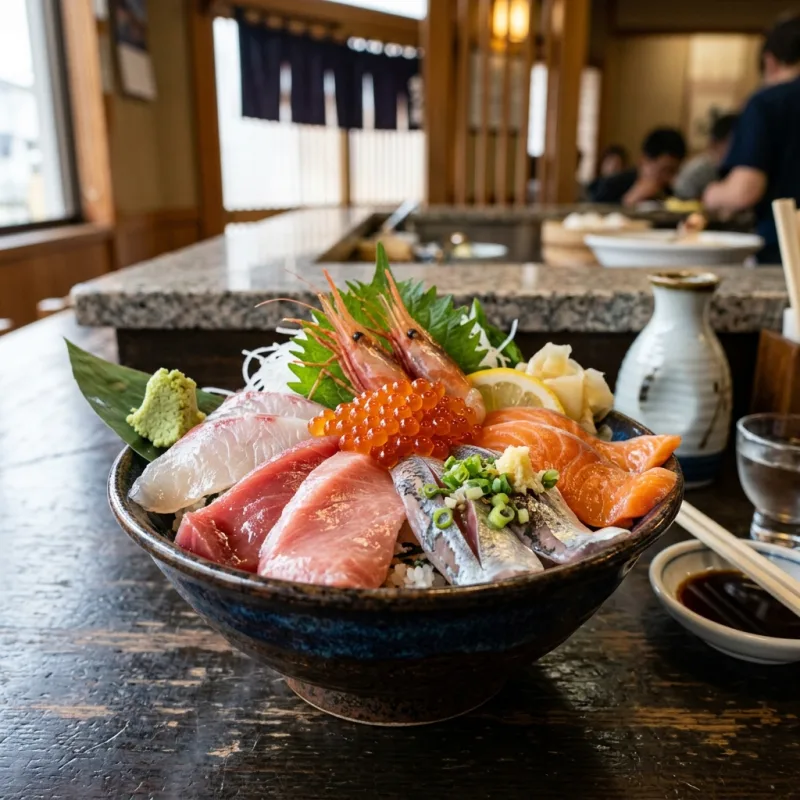
- Fresh coastal cuisine, including sun-dried himono and local seafood rice bowls.
Things to Avoid
- Avoid walking long uphill routes on foot with heavy luggage; utilize station lockers and local buses or taxis.
- Do not wear swimsuits or enter public onsen without washing thoroughly at the shower stations first.
- Avoid arriving late on weekends without train reservations, as Shinkansen lines and scenic coastal expresses fill rapidly.
- Do not assume all shops accept credit cards; carry cash for retro covered shopping streets.
Local Transportation Tips
Atami's hillside topography makes public transportation crucial for exploration. The Yu-Yu Sightseeing Bus operates a circular loop connecting JR Atami Station to major tourist attractions, offering day passes that provide discounted admissions. Local municipal buses connect residential slopes, while taxis are readily available outside the station. Within the harbor and beach area, the terrain is flat and easily walkable on foot.
Travel Etiquette
- Remove shoes before stepping onto tatami mats in ryokan, historic sites, and traditional restaurants.
- Follow Japanese onsen etiquette strictly: tie up long hair, leave towels out of the bath water, and maintain a calm voice.
- Refrain from eating while walking through crowded pedestrian alleys; consume snacks near the shop storefronts.
Recommended Age Group
Atami offers versatile attractions suited for multi-generational travel, though steep topography requires consideration.
- Babies (0-2 years): Neutral. Navigating steep hillside streets with a stroller can be physically challenging, though beach areas and quiet ryokan accommodate young families well.
- Kids (3-12 years): Recommended. Children enjoy Atami Sun Beach, the coastal fireworks shows, the Atami Ropeway, and interactive trick art attractions.
- Teens (13-19 years): Recommended. Excellent opportunities for coastal photography, seaside street food tasting, shopping in retro arcades, and relaxed beach days.
- Adults (20-64 years): Recommended. Perfect balance of hot spring relaxation, oceanfront dining, craft beer, and world-class fine art at the MOA Museum.
- Seniors (65+ years): Recommended. Revered classic hot spring destination with accessible transit options, cultural villa tours, and leisurely gardens, provided steep steps are mitigated by buses or taxis.
Accessibility Level: Medium
- The immediate boardwalk along Atami Sun Beach and the port area is flat and paved with barrier-free ramps.
- JR Atami Station features elevators and accessible ticket gates connecting directly to the station shopping complex.
- The MOA Museum of Art offers comprehensive wheelchair accessibility, including multi-tier escalators equipped with accessible staff assistance and elevators.
- Historic hillside paths and older ryokan often possess narrow stairs and steps; travelers with mobility aids should confirm barrier-free room options in advance.
Did You Know?
During the Edo period, Shogun Tokugawa Ieyasu had Atami's geothermal water collected into large barrels and hauled across mountain passes all the way to Edo Castle in Tokyo so he could bathe in its healing minerals.
Cool Statistics
- Home to over 500 active natural thermal hot spring vents.
- Located roughly 100 kilometers southwest of Tokyo, reachable in approximately 35 minutes by bullet train.
- Hosts coastal fireworks festivals across four distinct seasons every year.






Buy a compatible power adapter for your trip