Disclosure: This site contains affiliate links. We may earn a commission if you make a purchase, at no extra cost to you.

Scenic view of Jogasaki Coast basalt cliffs and suspension bridge in Ito Japan

Ito Overview & Key Highlights

Ito is a historic coastal onsen resort city situated on the eastern shoreline of the Izu Peninsula in Shizuoka Prefecture. Renowned across Japan for producing the second-highest thermal spring water discharge in the nation, Ito seamlessly balances seaside charm with rich volcanic heritage. Travelers arrive via scenic rail lines to discover centuries-old bathhouses, historic wooden ryokans, and panoramic vistas framing Sagami Bay and the distant Izu Seven Islands. Beyond rejuvenating mineral baths, Ito serves as the gateway to iconic natural landmarks including Mount Omuro, a dormant volcanic cinder cone, and the rugged, wave-battered Jogasaki Coast. The local culinary landscape thrives on fresh deep-sea seafood brought in daily to Ito Port, such as alfonsino (kinmedai) and horse mackerel. Whether you seek slow relaxation in traditional mineral waters or invigorating coastal hikes along dramatic basalt cliffs, Ito delivers an authentic, accessible Japanese escape.

Ito Travel Guide: Logistics & In-Depth Tips

Ito is a premier historic spa town nestled along the eastern coast of the Izu Peninsula in Shizuoka Prefecture. Blessed with more than 700 thermal spring sources, the city channels tens of thousands of liters of mineral-rich hot water every minute into traditional ryokans, communal neighborhood sento, and scenic footbaths. Its hot spring heritage dates back hundreds of years, gaining national prominence during the Edo period when local waters were transported to the Tokugawa shogunate in Edo (modern-day Tokyo).

Beyond its therapeutic thermal waters, Ito is surrounded by extraordinary geological topography shaped by prehistoric volcanism. Mount Omuro, a near-perfect extinct volcanic cinder cone resembling an inverted green bowl, commands the skyline, offering 360-degree views across Mount Fuji, Sagami Bay, and the Amagi Mountains. Along the rugged shoreline, the Jogasaki Coast features towering basalt cliffs created by lava flows thousands of years ago, linked by dizzying suspension footbridges over churning ocean waves. Blending outdoor adventure with authentic ryokan culture, Ito remains an essential retreat from urban Japan.

Reasons to Visit

  • World-Class Geothermal Springs: Experience the incredible volume and purity of Ito's thermal onsen waters across historic wooden bathhouses and luxury oceanfront ryokans.
  • Iconic Volcanic Landscapes: Ride the chairlift up Mount Omuro to walk around the crater rim with sweeping views spanning Mount Fuji to Sagami Bay.
  • Dramatic Coastal Hiking: Cross the Kadowaki Suspension Bridge suspended 23 meters over jagged volcanic sea cliffs along the scenic Jogasaki Coast.
  • Deep-Sea Culinary Delicacies: Savor regional kinmedai (alfonsino) and freshly caught seafood sourced directly from the pristine currents of Sagami Bay.
  • Preserved Historical Architecture: Step back into the Showa era by visiting Tokaikan, a magnificently preserved wooden hot spring inn along the willow-lined Matsukawa River.

Things to Avoid

  • Avoid walking onto Mount Omuro's volcanic slopes on foot; walking outside designated summit paved trails is strictly forbidden to protect fragile turf vegetation.
  • Avoid wearing shoes or sandals inside ryokan tatami rooms and hot spring dressing areas; always use the provided slippers or walk in socks.
  • Do not bring large rolling luggage onto standard Tokai local buses; store bulky bags in coin lockers at Ito Station before taking excursions.
  • Avoid approaching wild sea cliffs during rough surf conditions or typhoon warnings, as sudden rogue waves frequently crash over outer basalt rocks.

Local Transportation Tips

Ito Station serves as the primary transportation hub, connecting the JR Ito Line with the private Izu Kyuko Line heading south towards Shimoda. To reach Mount Omuro, Lake Ippeki, and the Jogasaki area, Tokai Bus operates regular routes from the terminal outside Ito Station. Purchasing a 1-day or 2-day Tokai Bus Ito Sightseeing Pass offers unlimited bus transit to major landmarks. Within downtown Ito, the historic river walk and shopping arcades are compact and entirely walkable, while rental cars provide the greatest flexibility for exploring rural peninsular coastlines.

Travel Etiquette

  • Onsen Hygiene: Always wash and rinse your entire body thoroughly at the seated washing stalls before stepping into shared hot spring pools.
  • Towels in Baths: Keep your modesty towel out of the bath water; place it on your head or set it on the dry stone edge.
  • Trash Management: Carry your rubbish with you until you find designated sorting bins, as public street garbage cans are rare across Japan.
  • Quiet Public Spaces: Keep mobile phones on silent mode and avoid loud phone conversations on local trains and buses.

Recommended Age Group

Ito provides a serene coastal atmosphere with activities spanning scenic hikes, historic soaks, and family-friendly wildlife parks.

  • Babies (0-2 years): Neutral. Paved town areas and quiet ryokan rooms are accommodating, but mineral hot springs may be too hot for infant skin, and buses lack stroller space.
  • Kids (3-12 years): Recommended. Children love the capybara open-air baths at Izu Shaboten Zoo, the chairlift ride up Mount Omuro, and exploring the pirate ship history.
  • Teens (13-19 years): Recommended. The exhilarating Kadowaki Suspension Bridge, coastal sea-cliff paths, and cycling routes offer exciting active outdoor adventures.
  • Adults (20-64 years): Recommended. Outstanding seafood dining, restorative onsen culture, and tranquil ryokan stays make Ito a premier adult getaway.
  • Seniors (65+ years): Recommended. Highly accessible hot spring resorts, gentle summit paths accessed via chairlift, and peaceful historic walks make this an ideal relaxing retreat.

Accessibility Level: Medium

  • Ito Station features elevator access, barrier-free ticket gates, and multi-purpose accessible restrooms.
  • The Mount Omuro chairlift accommodates travelers with limited mobility, though the summit rim path contains slight undulations.
  • The Kadowaki Suspension Bridge approach has paved sections, but the wider Jogasaki coastal trail features uneven volcanic rock roots and steps.
  • Modern seaside hotels generally offer wheelchair-accessible rooms, whereas historic traditional ryokans often have step entrances and multi-level wooden stairs.

Did You Know?

English navigator William Adams, the real-life inspiration for James Clavell's novel Shogun, built Japan's first western-style sailing ships right here in Ito at the mouth of the Matsukawa River in 1604 under the commission of Shogun Tokugawa Ieyasu.

Cool Statistics

  • 700+ active geothermal spring sources throughout the Ito municipal basin.
  • 31,000+ liters of natural thermal spring water produced every single minute.
  • 580 meters: The elevation of Mount Omuro's iconic volcanic crater rim.
  • 23 meters: The height of the Kadowaki Suspension Bridge hanging above ocean waves on the Jogasaki Coast.


Address:

Ito, Japan

Find Nearby Accommodations

Basic Info

address icon

COUNTRY & Region

Japan,
Asia

ACCESSIBILITY LEVEL​

Medium
Currency icon

LOCAL CURRENCY​

Japanese Yen (JPY)
Price level icon
Medium
Safety Level icon

SAFETY LEVEL

Duration icon

Recommended Duration

• 1-7 days
• Full day

Electricity

electricity icon

Electricity

100-110V, 
50Hz
Plug Socket icon

Plug Type

• Type A (Flat blade)
• Type B (Flat blade with grounding pin)
Plug types
Click To View Plug Types
Ito is part of our
Micro Adventures collection

Activities To Do In Ito

Best Time To Visit Ito

Ito enjoys a mild maritime climate throughout the year, making it an attractive destination across all seasons.

  • March to May (Spring): Mild temperatures, blooming cherry blossoms along the Matsukawa River, and pleasant weather for coastal hiking.
  • July to August (Summer): Lively beach season at Ito Orange Beach, accompanied by spectacular summer fireworks displays over Sagami Bay.
  • September to November (Autumn): Ideal trekking conditions, crisp air, vibrant fall foliage at Lake Ippeki, and prime kinmedai fishing seasons.
  • December to February (Winter): Crisp, clear views of Mount Fuji from elevated points, alongside peak outdoor onsen soaking weather and winter camellia blooms.

Average Temperatures Per Month

Remember to check the weather forecast a few days before the trip and before heading to the airport.

Safety Level icon

Safety Level

Ito maintains exceptionally low crime rates, making it an extraordinarily safe travel destination for solo travelers and families. The principal hazards are natural: sudden coastal waves along rocky basalt cliffs and seismic activity typical of the volcanic peninsula. Heed warning flags when swimming at Ito Orange Beach and remain on marked footpaths along the Jogasaki suspension bridge cliffs.

The rating is based on multi-year peace, crime, and security indices. Before you go, always verify current conditions through official government travel advisories.

Emergency Numbers

Police: 110
Ambulance: 119

No internet needed • Includes local translations • Free for TravelingWiz readers

Spoken Languages

Japanese (Standard & Shizuoka dialect); basic English is understood at railway stations, tourist info centers, and larger hotels.

Learn The Language

  • Konnichiwa – Hello
  • Arigatou gozaimasu – Thank you very much
  • Sumimasen – Excuse me / Pardon me
  • Kore wa ikura desu ka? – How much is this?
  • Onsen wa doko desu ka? – Where is the hot spring?
  • O-kaikei o onegaishimasu – The bill, please
  • Eigo ga hanasemasu ka? – Do you speak English?
  • Tasukete kudasai – Please help me
Travel Booking Partner - TravelingWiz

Trip Cost & Budgeting for Ito, 2026

Everything you need to know about money while traveling
Is Ito expensive for tourists in 2026? Ito is moderately priced compared to major Japanese cities, with Human Verified prices making it accessible for travelers. Expect to pay around 500 JPY for a coffee, 600 JPY for a domestic beer, and 2,000 JPY for a standard mid-range restaurant meal. Accommodation and transportation costs remain reasonable throughout the year. Use the data table below to calculate your specific daily budget based on your travel style.
Currency icon

LOCAL CURRENCY​:

Japanese Yen (JPY)
Price level icon
Medium
Major hotels and stations accept credit cards, but cash is necessary for local buses, small dining spots, and temples.

Per person, per day – pocket cash for small purchases.

Local: 1850
Japanese Yen (JPY)
≈ 12 USD

Full daily spend estimation (accommodation, food, transportation, attractions).

Travel Style
Japanese Yen (JPY)
≈ USD ($)
Budget
10200
65
Mid-range
18500
118
Comfort
40700
259

The Prices, Daily costs, and calculator results are estimates for planning purposes only. Actual costs may vary based on season, booking timing, personal spending habits, and currency fluctuations. TravelingWiz cannot be held responsible for discrepancies between these estimates and your final trip expenses.

  • • Purchase the Tokai Bus Izu Kogen Pass for unlimited travel on local bus routes connecting key attractions.
  • • Enjoy teishoku set meals during lunch at local seafood restaurants for significant savings over dinner prices.
  • • Choose onsen accommodations with half-board plans included to cover both room and quality meals.
  • • Pick up drinks and discounted evening bento boxes at local supermarkets like MaxValu.

Pre-Order Tickets

Avoid disappointment when tickets sell out — and skip the long lines by booking online in advance. You’ll often save up to 20% too.
Save up to 20%

Travel Discounts & Coupons

Save on hotels, attractions, transport, and gear — find verified discounts for smarter travel spending.
Verified Coupons

What To Pack

  • Slip-on walking shoes that are easily removed for ryokan and temple visits.
  • Modest swimwear and quick-dry cover-ups for the beach, along with small hand towels (tenugui) for onsen visits.
  • Lightweight rain jacket or sturdy umbrella for coastal precipitation.
  • Comfortable hiking shoes with good traction for the Jogasaki Coast trail and Mount Omuro paths.
  • Layered clothing to adapt between breezy coastal winds and warm geothermal microclimates.
  • Cash pouch or coin purse, as regional buses and traditional establishments frequently do not take cards.
We couldn't find tips for Ito.
If you got any, please share

Recommended Itineraries for Traveling to Ito

We couldn't find itineraries for Ito.
you can contact us for custom trip plan

Food & Drink Highlights

Local Food Overview

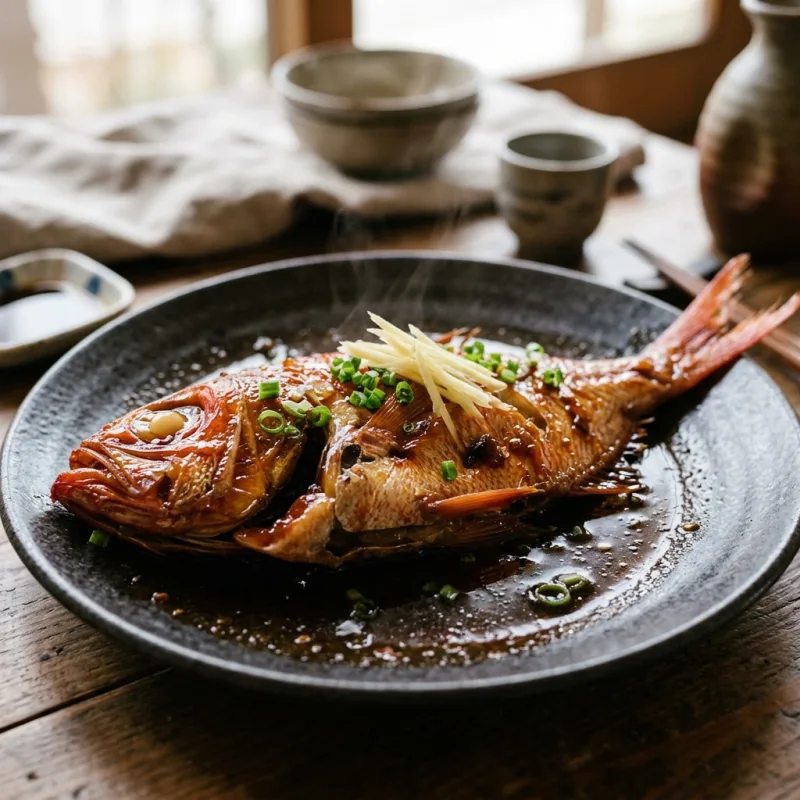
Ito's gastronomy revolves around the deep volcanic trenches of Sagami Bay and the lush valleys of the Izu Peninsula. Seafood takes center stage, headlined by kinmedai (splendid alfonsino), a prized deep-sea red fish served either as delicate raw sashimi or simmered sweet-and-savory in soy sauce, mirin, and local ginger. Other regional specialties include freshly grated Shizuoka wasabi served over steamed rice, local aji (horse mackerel) prepared as tataki, and dried fish (himono) grilled over charcoal for breakfast.
Kinmedai no Nitsuke simmered alfonsino fish dish in Ito Japan

Must Try Dish

Kinmedai no Nitsuke - Splendid alfonsino simmered whole in a rich, glossy reduction of dark soy sauce, sake, and mirin. The white flesh remains incredibly tender, soaking up the savory-sweet glaze that pairs flawlessly with fresh ginger and white rice.
Food Experiences Title Icon

Food
Experiences

Discover cooking classes, tastings and local food tours

No food experience found
Maya, the human travel expert at TravelingWiz, offering curated, non-AI expertise

Maya’s Final Checklist for Ito

Logistics shouldn’t be the focus of your trip—the experience should. I’ve hand-vetted these essential partners to ensure your arrival, stay, and exploration are as smooth as an Athenian breeze.

Where to Stay

From boutique hotels to local apartments—compare thousands of options and find the perfect stay in the best neighborhood.

Air Travel

Getting there should be seamless. Compare the best routes and prices across top airlines to start your journey on the right note.

Local Guides

Connect with experts who know the destination best. Get personalized advice and insider tips to help you plan your perfect trip.

Travel Protection

The “Engineer’s” rule: always have a backup. Secure your trip with a plan that covers every “what if” and unexpected change.

Car Rentals

Explore at your own pace with total freedom. Compare reliable rental options and find the right vehicle for your adventure.

Visa Services

Don’t let paperwork slow you down. Get expert assistance with your application to ensure all your entry documents are in order.

FAQs

Take the JR Tokaido Shinkansen from Tokyo to Atami (around 45 minutes), then transfer to the JR Ito Line to Ito Station (22 minutes). Alternatively, the direct JR Odoriko limited express train connects Tokyo Station directly to Ito in approximately 1 hour and 40 minutes without any transfers.
Public municipal baths and traditional ryokan historically restrict visible tattoos. However, many accommodations in Ito offer private reservable baths (kashikiri onsen) or in-room onsen tubs where tattoos are not an issue. Some modern public baths also permit tattoos if covered with waterproof flesh-colored patches.
The city center around Ito Station and the Matsukawa River is easily explored on foot. For outlying attractions such as Mount Omuro, Izu Shaboten Zoo, and the Jogasaki Coast, take the frequent Tokai Bus network departing from Ito Station, or rent a car for maximum coastal flexibility.

Your Insights Matter

TravelingWiz grows through the stories of our community. If you’ve recently explored ,Ito share your tips and stories to help us perfect our guides for the next traveler.

Related Articles

Check out our related articles and blog posts to learn even more about the destination.

No related articles found

Don’t Travel Alone

Share with your friends and family

Where should we send your offline card?

We hate spam just as much as you do

newsletter_consent *