Disclosure: This site contains affiliate links. We may earn a commission if you make a purchase, at no extra cost to you.
Shimoda

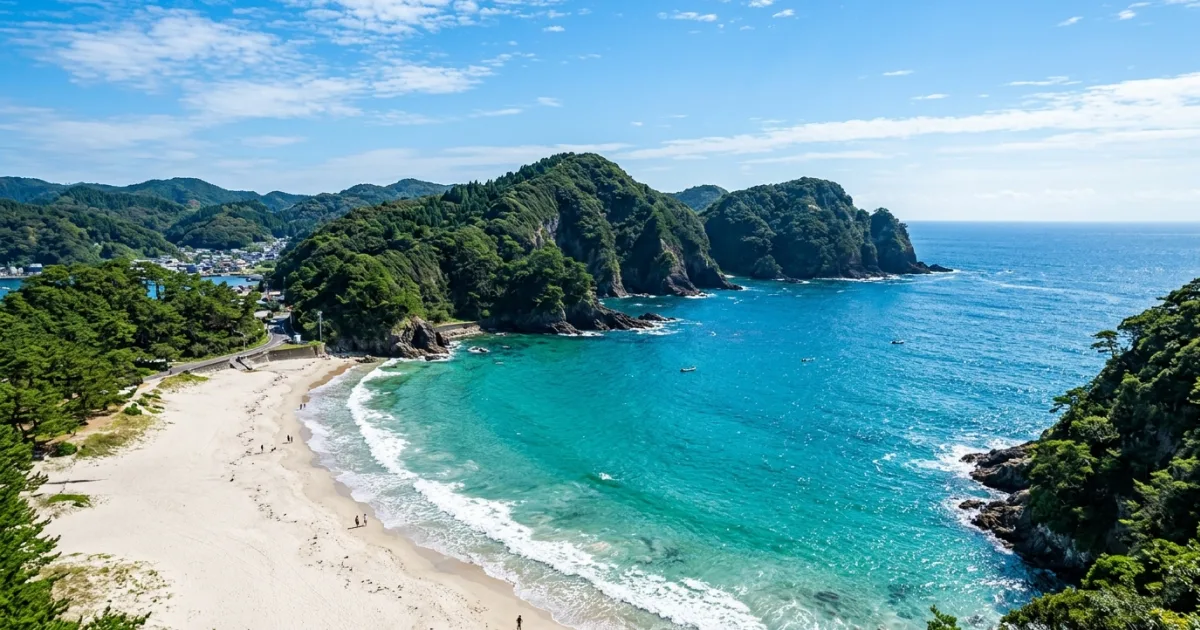
Panoramic view of turquoise waters and white sand beach in Shimoda Izu Peninsula Japan

Basic Info

COUNTRY & Region

Japan,
Asia

ACCESSIBILITY LEVEL​

  • High: Widely accessible with good facilities for disabilities.
  • Medium: Some accessible options, but limitations exist.
  • Low: Limited accessibility; many barriers for disabilities.
Medium

LOCAL CURRENCY​

Japanese Yen (JPY)

Price Level

Low – budget‑friendly basics

Medium – moderate mid‑range costs

High – pricey lodging, dining & transport

Medium

SAFETY LEVEL

5 shields = Excellent – very low crime or conflict.

4 shields = Safe – low risk, routine care.

3 shields = Relatively safe – use normal street smarts.

2 shields = Use caution – higher crime or periodic unrest.

1 shields = Avoid – active conflict or extreme danger.

Scores are derived from multi-year peace, homicide and security indices blended into a single 1-to-5 scale.

Recommended Duration

1-7 days, Full day

Shimoda Overview & Key Highlights

Shimoda sits at the southern tip of the Izu Peninsula in Shizuoka Prefecture, combining profound diplomatic history with some of mainland Japan's most scenic coastal landscapes. The harbor gained global renown in 1854 when Commodore Matthew Perry's American fleet anchored offshore, brokering the Treaty of Kanagawa and concluding over two centuries of Japanese national isolation. Today, Perry Road preserves this historic era with paved canals, weeping willows, stone bridges, and black-and-white namako-wall merchant storehouses converted into cafes and craft shops. Beyond its maritime heritage, Shimoda is celebrated for its pristine white-sand beaches, crystal-clear Pacific waters, and abundant hot spring resorts. Coastal areas like Shirahama and Tatadohama draw surfers and beachgoers, while local fishing harbors supply the town's renowned kinmedai (splendid alfonsino). With coastal walking trails wrapping around Cape Irozaki and Mount Shimoda, the town functions as an idyllic retreat accessible from Tokyo via the scenic Odoriko express trains.

Shimoda Travel Guide: Logistics & In-Depth Tips

Shimoda occupies a privileged coastal enclave at the southern extremity of Shizuoka's Izu Peninsula. Its deep natural harbor, sheltered by rugged green hills, made it an essential anchorage along Japan's maritime trade routes for centuries. In 1854, the arrival of Commodore Matthew Perry's Black Ships thrust this tranquil port into global politics, ending two centuries of national isolation (sakoku) and permanently transforming Japan's trajectory.

Today, visitors can experience this dual identity as an open-air historical archive and a premier beach resort. The historic quarter along the Hongo River is defined by preserved Meiji-period namako-wall warehouses, willow-shaded cobblestone paths, and historic temples like Ryosen-ji. Meanwhile, the outlying coastline features turquoise waters, dramatic sea caves at Ryugu Park, and tranquil geothermal baths, all backdropped by lush subtropical coastal hills.

Reasons to Visit

  • Walk in the footsteps of history along Perry Road and visit Ryosen-ji Temple where trade treaties ended Japan's isolation.
  • Swim, surf, and sunbathe on white sand beaches like Shirahama, Tatadohama, and Kisami Ohama.
  • Feast on authentic Kinmedai (golden eye sea bream) freshly caught by local deep-sea fishermen.
  • Soak in natural mineral-rich onsen baths overlooking the Pacific Ocean.
  • Explore natural coastal wonders including the sea cave skylight at Ryugu Park and the Cape Tsumekizaki lighthouse.

Things to Avoid

  • Avoid driving on the coastal Route 135 during summer holiday weekends (late July to mid-August) when bumper-to-bumper traffic can triple travel times.
  • Do not ignore surf condition flags at Shirahama Beach, where rip currents can be strong.
  • Avoid relying exclusively on credit cards or mobile payment apps, as many independent cafes and local buses only accept cash.
  • Do not enter hot spring baths with swimsuits or without washing thoroughly beforehand, as strict onsen etiquette applies.

Local Transportation Tips

Izukyu-Shimoda Station serves as the primary regional transit hub. Tokai Bus operates routes connecting the station to major beaches like Shirahama, coastal capes, and inland onsen areas. For exploring central historic sites such as Perry Road and Ryosen-ji Temple, walking or renting a bicycle from the tourist information center at the station is the most convenient option. Taxis are available outside the station, while renting a car is recommended for reaching isolated viewpoints around the southern tip of the peninsula.

Travel Etiquette

  • Always remove shoes when stepping into traditional ryokan, tatami dining areas, and temple halls.
  • Cover visible tattoos with waterproof patches or reserve private hot spring baths (kashikiri onsen), as public onsen often prohibit tattoos.
  • Refrain from eating while walking along historic streets; consume snacks at the shop where purchased.
  • Separate and carry your personal trash until finding sorting receptacles at train stations or convenience stores.

Recommended Age Group

Shimoda caters well to multiple generations thanks to its combination of accessible historical walks, outdoor beach recreation, and relaxing hot springs.

  • Babies (0-2 years): Neutral. Beach stroller navigation can be tricky on loose sand, but quiet ryokan with private family baths accommodate infants well.
  • Kids (3-12 years): Recommended. Families love the shallow swimming waters at Sotoura Beach, the coastal Shimoda Aquarium, and riding the retro Black Ship sightseeing cruise.
  • Teens (13-19 years): Recommended. Excellent opportunities for beginner surf lessons at Tatadohama Beach, snorkeling in clear coves, and sea kayaking.
  • Adults (20-64 years): Recommended. Perfect balance of craft cafes, historic architecture, coastal hiking, seafood izakayas, and thermal hot spring retreats.
  • Seniors (65+ years): Recommended. Level walking surfaces around Perry Road and convenient direct express train access from Tokyo make for a comfortable, scenic holiday.

Accessibility Level: Medium

  • Izukyu-Shimoda Station features flat surfaces, elevators, and accessible multi-purpose restrooms.
  • Central historic sites like Perry Road are mostly flat and navigable by wheelchair, though some historic shop entrances feature raised wooden thresholds.
  • Local Tokai buses feature low-floor boarding on primary lines, though checking schedules for wheelchair-equipped buses is recommended.
  • Beach boardwalks provide scenic viewing platforms, but direct sand-to-water access requires specialized beach wheelchairs, which are limited locally.

Did You Know?

The namako walls seen on historic buildings along Perry Road feature raised white plaster grids over dark square tiles. The pattern resembles the silhouette of a sea cucumber (namako in Japanese) and was originally engineered to make wooden buildings fireproof and weather-resistant against harsh typhoons.

Cool Statistics

  • Shimoda lands over 800 tons of Kinmedai annually, making it the highest-volume port for the fish in Japan.
  • The town features over 7 distinct sandy beaches along its jagged coastline.
  • Commodore Perry landed in Shimoda with a fleet of 7 'Black Ships' carrying roughly 1,600 crew members in 1854.

Address:

Shimoda, Shizuoka, Japan

Find Nearby Accommodations

Electricity

100-110V, 
50Hz

Plug Type

Type A (Flat blade), Type B (Flat blade with grounding pin)
Plug types
Click To View Plug Types
Shimoda is part of our
Solo Female Friendly collection

Activities To Do In Shimoda

Best Time To Visit Shimoda

Shimoda offers year-round coastal charm, but the ideal season depends heavily on whether your priority is ocean swimming or peaceful cultural exploration.

  • July to August: Peak beach season with warm ocean waters, active surf breaks, and vibrant seaside stalls, though crowds and humidity peak.
  • September to November: Ideal autumn weather with warm sea temperatures, pleasant hiking conditions around coastal capes, and fewer crowds.
  • December to February: Mild coastal winters featuring blooming wild narcissus flowers at Cape Tsumekizaki and peak culinary season for kinmedai.
  • March to May: Pleasant spring warmth, cherry blossoms, and the historic Black Ship Festival held annually in mid-May.

Average Temperatures Per Month

Average monthly temperaturesMonthly source values, with Celsius and Fahrenheit equivalents in the following data table.0°32°9°48°18°64°26°79°35°95°JanJan: 9°C / 48°FFebFeb: 9°C / 48°FMarMar: 12°C / 54°FAprApr: 15°C / 59°FMayMay: 19°C / 66°FJunJun: 22°C / 72°FJulJul: 26°C / 79°FAugAug: 27°C / 81°FSepSep: 25°C / 77°FOctOct: 20°C / 68°FNovNov: 16°C / 61°FDecDec: 10°C / 50°F
View temperature data
Average monthly temperatures
Month°C°F
Jan948
Feb948
Mar1254
Apr1559
May1966
Jun2272
Jul2679
Aug2781
Sep2577
Oct2068
Nov1661
Dec1050

Remember to check the weather forecast a few days before the trip and before heading to the airport.

Safety Level

5 shields = Excellent – very low crime or conflict.

4 shields = Safe – low risk, routine care.

3 shields = Relatively safe – use normal street smarts.

2 shields = Use caution – higher crime or periodic unrest.

1 shields = Avoid – active conflict or extreme danger.

Scores are derived from multi-year peace, homicide and security indices blended into a single 1-to-5 scale.

Shimoda experiences exceptionally low crime rates, making it safe for solo travelers at all hours. Primary hazards are environmental: heed warning flags for rip currents at Shirahama Beach, wear sturdy footwear on uneven coastal trails around Cape Tsumekizaki, and familiarize yourself with coastal tsunami evacuation route signs located throughout the low-lying town center.

The rating is based on multi-year peace, crime, and security indices. Before you go, always verify current conditions through official government travel advisories.

Emergency Numbers

Police: 110
Ambulance: 119

No internet needed • Includes local translations • Free for TravelingWiz readers

Spoken Languages

Japanese (limited English in major hotels and train stations)
Travel Booking Partner - TravelingWiz

Learn The Language

  • Konnichiwa – Hello
  • Arigatou gozaimasu – Thank you very much
  • Sumimasen – Excuse me / Pardon me
  • Kore wa ikura desu ka? – How much is this?
  • Eigo ga hanasemasu ka? – Can you speak English?
  • O-kaikei o onegaishimasu – Check, please
  • Tasukete kudasai – Please help me
  • Toire wa doko desu ka? – Where is the restroom?

Trip Cost & Budgeting for Shimoda, 2026

Everything you need to know about money while traveling
Is Shimoda expensive for tourists in 2026? Shimoda is moderately priced compared to major Japanese hubs, offering great coastal value. You can expect to pay around 500 JPY for a coffee, 650 JPY for a domestic beer, and 2,000 JPY for a fresh seafood meal. With our Human Verified prices, mid-range travelers can enjoy this seaside town comfortably. Use the data table below to calculate your specific daily budget based on your travel style.

LOCAL CURRENCY​:

Japanese Yen (JPY)

Price Level:

Low – budget‑friendly basics

Medium – moderate mid‑range costs

High – pricey lodging, dining & transport

Medium

Cards Vs. Cash

Major hotels accept credit cards, but cash is necessary for smaller seafood eateries, local buses, and beach stalls.

How Much Cash to Carry (on you)

Per person, per day – pocket cash for small purchases.

Local: 1950
Japanese Yen (JPY)
≈ 12 USD

Average Daily Costs (per person)

Full daily spend estimation (accommodation, food, transportation, attractions).

Travel Style
Japanese Yen (JPY)
≈ USD ($)
Budget
10750
68
Mid-range
19500
123
Comfort
42900
271
Note

The Prices, Daily costs, and calculator results are estimates for planning purposes only. Actual costs may vary based on season, booking timing, personal spending habits, and currency fluctuations. TravelingWiz cannot be held responsible for discrepancies between these estimates and your final trip expenses.

Best Value Tips

  • • Load an IC card like Suica or Pasmo for seamless payments on local buses, trains, and convenience stores.
  • • Eat kinmedai set lunches at local station eateries for fresh seafood at half the dinner price.
  • • Stay at business hotels or pensions inland to save significantly compared to beachfront resorts.
  • • Grab regional train passes if you plan on hopping between different beaches along the Izu Peninsula.

Tours & Tickets

Explore tours, attractions, and ticket options to plan your visit.
Plan ahead

Travel Offers & Coupons

Browse travel offers and coupons from our affiliate partners.
Affiliate partner offers

What To Pack

  • Slip-on walking shoes for frequent removal at temples, shrines, and traditional ryokan.
  • UV-protective rashguard, reef-safe sunscreen, and beach towel for Shirahama and Kisami Ohama beaches.
  • Light rain shell or windbreaker for variable coastal winds and sudden peninsula showers.
  • Small hand towel (tenugui) for visiting public footbaths (ashiyu) and hot springs.
  • Sufficient Japanese Yen cash, as local buses and smaller seaside seafood stalls rarely take cards.
Only the good stuff!
Browse recommended travel gear
Check out our free packing list tool

Recommended Itineraries for Traveling to Shimoda

Take your itinerary with you

Choose a ready-made itinerary, plan your own trip, and keep TravelingWiz by your side while you travel.

Get the TravelingWiz app

Food & Drink Highlights

Local Food Overview

Shimoda's culinary landscape is defined by its position as Japan's premier landing port for Kinmedai (splendid alfonsino), a deep-sea fish prized for its vibrant red skin and buttery, delicate white meat. Local dining revolves around this signature fish prepared in various styles, alongside fresh catches of Ise ebi (spiny lobster), sazae (turban shell sea snails), and local citrus such as New Summer Orange. The fertile volcanic soils of the Izu Peninsula also supply pungent, freshly grated real wasabi, which enhances seafood sashimi and regional noodle dishes.

Must Try Dish

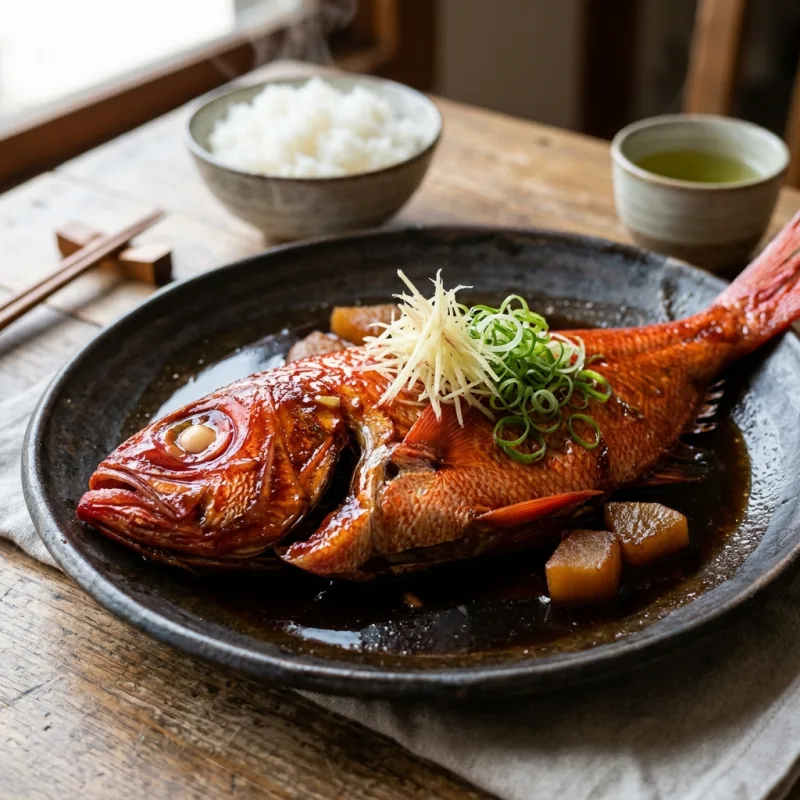
Kinmedai no Nitsuke - Fresh splendid alfonsino gently simmered whole in a rich, glossy reduction of sweet soy sauce, mirin, sake, and ginger. The tender, flaky white meat absorbs the savory-sweet glaze, traditionally served over steaming Japanese white rice alongside local pickled vegetables.
Kinmedai no Nitsuke simmered splendid alfonsino fish in sweet soy glaze

Maya’s Final Checklist for Shimoda

Logistics shouldn’t be the focus of your trip—the experience should. I’ve hand-vetted these essential partners to ensure your arrival, stay, and exploration are as smooth as an Athenian breeze.

Maya, the human travel expert at TravelingWiz, offering curated, non-AI expertise

Where to Stay

Compare accommodation options and choose a stay that suits your plans and budget.

Air Travel

Compare flight options and find a route that fits your plans.

Local Guides

Connect with local guides for personalized help planning and exploring.

Travel Protection

The “Engineer’s” rule: always have a backup. Secure your trip with a plan that covers every “what if” and unexpected change.

Car Rentals

Compare rental options and choose a car that suits your trip.

Visa Information

Don’t let paperwork slow you down. Get expert assistance with your application to ensure all your entry documents are in order.

FAQs

Direct JR Limited Express Odoriko and Saphir Odoriko trains run from Tokyo Station or Shinjuku Station directly to Izukyu-Shimoda Station in roughly 2.5 hours without transfers.
Yes, Shimoda boasts some of the cleanest waters on Honshu. Shirahama Beach is popular for swimming and sunbathing, while Tatadohama and Irita beaches provide consistent waves favored by surfers.
Perry Road marks the path Commodore Matthew Perry walked in 1854 from the harbor to Ryosen-ji Temple to negotiate and sign the Treaty of Shimoda, opening Japan to American trade.

Your Insights Matter

TravelingWiz grows through the stories of our community. If you’ve recently explored ,Shimoda share your tips and stories to help us perfect our guides for the next traveler.

Where should we send your offline card?

We hate spam just as much as you do

newsletter_consent *