Disclosure: This site contains affiliate links. We may earn a commission if you make a purchase, at no extra cost to you.
Shuzenji Onsen

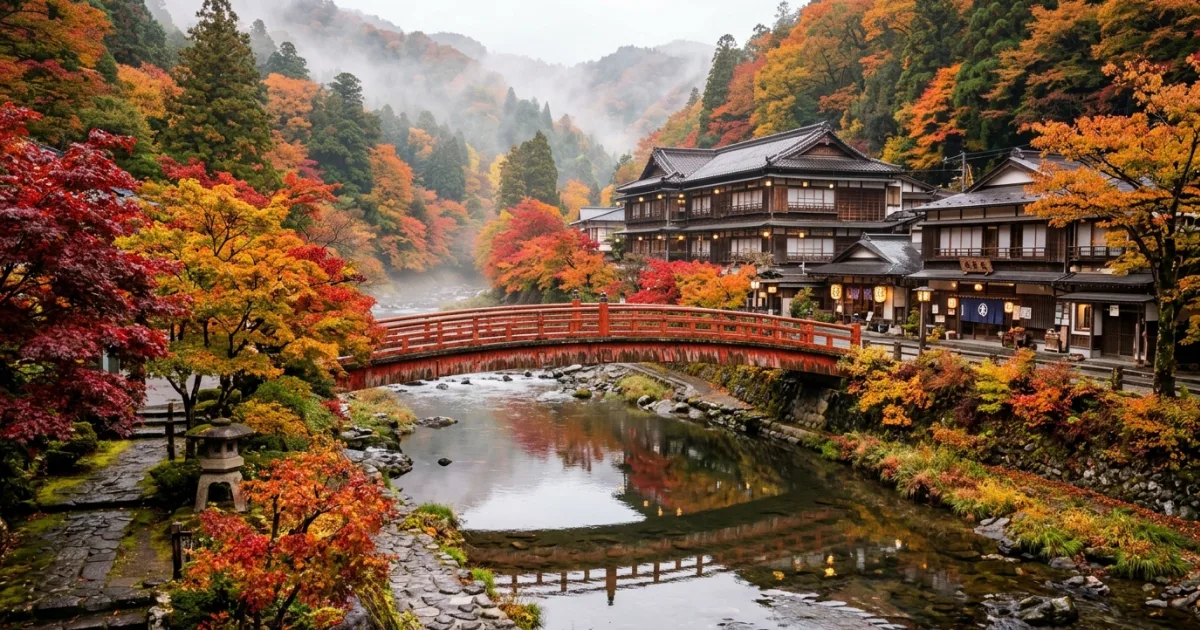
Arched red bridge over Katsura River surrounded by autumn foliage in Shuzenji Onsen

Basic Info

COUNTRY & Region

Japan,
Asia

ACCESSIBILITY LEVEL​

  • High: Widely accessible with good facilities for disabilities.
  • Medium: Some accessible options, but limitations exist.
  • Low: Limited accessibility; many barriers for disabilities.
Medium

LOCAL CURRENCY​

Japanese Yen (JPY)

Price Level

Low – budget‑friendly basics

Medium – moderate mid‑range costs

High – pricey lodging, dining & transport

Medium

SAFETY LEVEL

5 shields = Excellent – very low crime or conflict.

4 shields = Safe – low risk, routine care.

3 shields = Relatively safe – use normal street smarts.

2 shields = Use caution – higher crime or periodic unrest.

1 shields = Avoid – active conflict or extreme danger.

Scores are derived from multi-year peace, homicide and security indices blended into a single 1-to-5 scale.

Recommended Duration

Overnight, 1-7 days, Full day

Shuzenji Onsen Overview & Key Highlights

Shuzenji Onsen is the oldest hot spring resort on the Izu Peninsula, established according to legend in 807 AD by the Buddhist monk Kobo Daishi. Situated along the peaceful Katsura River in Shizuoka Prefecture, this atmospheric onsen town features preserved wooden architecture, vermilion bridges, tranquil bamboo groves, and traditional ryokan inns. The town earned the nickname Little Kyoto of Izu due to its historic temples, moss gardens, and forested mountain backdrop. Visitors travel here primarily for restorative mineral baths, contemplative riverside strolls, and seasonal natural beauty ranging from spring cherry blossoms to vibrant autumn foliage. The town center is walkable and compact, anchored by Shuzenji Temple and the open-air river pavilion of Tokko-no-yu. Shuzenji provides an ideal slow-paced retreat that balances classical Japanese hospitality with rich literary and religious heritage.

Shuzenji Onsen Travel Guide: Logistics & In-Depth Tips

Shuzenji Onsen is located in a verdant mountain valley in central Izu, centered around the flowing waters of the Katsura River. Dating back over 1,200 years, the settlement grew around Shuzenji Temple, a historic Zen monastery founded by monk Kobo Daishi. The town retains the deliberate serenity of early 20th-century Japan, having long served as a creative sanctuary for famous Japanese authors such as Natsume Soseki and Kido Okamoto.

Today, visitors wander down stone-paved alleys lined with lattice-fronted workshops, historic confectionery shops, and century-old ryokans. Iconic red wooden bridges span the river, each associated with folk legends of romantic fortune, while the manicured Bamboo Forest Path provides a cool, whispering respite shaded by towering green stalks. Shuzenji offers deep immersion into traditional wellness culture without the high-density crowds of larger resort destinations.

Reasons to Visit

  • Immerse in geothermal healing waters in one of eastern Japan's oldest documented hot spring towns.
  • Walk the picturesque Bamboo Forest Path (Chikurin no Komichi) and relax on the central circular wooden lounge deck.
  • Visit historic Shuzenji Temple to admire centuries-old Buddhist statuary, quiet rock gardens, and traditional architecture.
  • Savor real agricultural gastronomy featuring authentic Izu wasabi, hand-ground directly at your dining table.
  • Experience elite traditional ryokan hospitality and Kaiseki dining along peaceful riverbanks.

Things to Avoid

  • Avoid walking through public indoor ryokan corridors while wearing outdoor shoes; always transition to provided slippers.
  • Do not wash with soap inside the hot spring bathwater; lather and rinse completely at the seated washing stalls first.
  • Avoid wearing tight or restrictive footwear, as cobblestones and frequent footwear changes at temple steps require effortless removal.
  • Do not expect bustling late-night entertainment; shops, cafes, and street kiosks in town shut down by 5:00 PM.

Local Transportation Tips

Shuzenji Onsen is best traversed on foot, as all primary sights, bridges, and footbaths sit within a 15-minute walking radius along the Katsura River. Regional transit begins at Shuzenji Station, connected to the hot spring village by frequent municipal buses operated by Tokai Bus and Izuhakone Bus (approximately 10 minutes). Taxis are readily available outside the station, and rental bicycles are offered near the tourist information office for exploring adjacent rural valleys.

Travel Etiquette

  • Lower your speaking volume when strolling through the Bamboo Forest Path and temple grounds to preserve contemplative quiet.
  • Tie long hair back securely and never let towels touch the thermal pool water in public hot springs.
  • Dress neatly in the provided yukata robe with the left side folded over the right when lounging around town or inside inns.
  • Refrain from eating while actively walking down the street; consume street snacks beside the purchase stall.

Recommended Age Group

Shuzenji Onsen caters primarily to travelers seeking restorative wellness, serene natural landscapes, and historical contemplation.

  • Babies (0-2 years): Neutral. Cobblestone walkways and stone bridges can be awkward with strollers, and thermal bath temperatures are often too high for infant skin.
  • Kids (3-12 years): Neutral. The quiet, contemplative pace of the town offers fewer interactive attractions, though riverside paths and footbaths provide mild amusement.
  • Teens (13-19 years): Neutral. Ideal for photography enthusiasts and fans of traditional Japanese aesthetics, but lacking high-energy entertainment or shopping hubs.
  • Adults (20-64 years): Recommended. Perfect for couples, solo travelers, and wellness seekers looking for elite hot spring relaxation, culinary heritage, and scenic walks.
  • Seniors (65+ years): Recommended. Highly accessible flat central walking paths, therapeutic mineral baths, and tranquil cultural sights make this a premier destination for mature visitors.

Accessibility Level: Medium

  • The main riverside pathway and the central Bamboo Forest Path are paved and flat, accommodating standard wheelchairs with gentle gradients.
  • Several historic temples and older wooden ryokans feature traditional threshold steps and lack elevators; check ahead for barrier-free accommodations.
  • Accessible public restrooms are situated at the Shuzenji Onsen Bus Terminal and near the central parking pavilion.
  • Public buses running between Shuzenji Station and the onsen village are low-floor and wheelchair-accessible.

Did You Know?

Legend holds that in 807 AD, Kobo Daishi was moved by the sight of a dutiful son washing his ailing father with cold river water. The monk struck a river boulder with his Buddhist walking staff (tokko), causing steaming hot mineral spring water to burst from the stone. That site, known as Tokko-no-yu, remains the symbolic heart of Shuzenji Onsen.

Cool Statistics

  • 1,200+ years of continuous hot spring bathing history since its founding in 807 AD.
  • 5 distinct vermilion bridges span the Katsura River, each symbolizing a stage of romantic devotion.
  • Over 300 mineral-rich hot spring sources feed ryokans throughout the Izu area.
  • Home to Asaba Ryokan, an ultra-exclusive traditional inn operating continuously for over 500 years.

Address:

Shuzenji Onsen, Izu, Shizuoka Prefecture, Japan

Find Nearby Accommodations

Electricity

100-110V, 
50Hz

Plug Type

Type A (Flat blade), Type B (Flat blade with grounding pin)
Plug types
Click To View Plug Types
Shuzenji Onsen is part of our
Solo Female Friendly collection

Activities To Do In Shuzenji Onsen

Best Time To Visit Shuzenji Onsen

Shuzenji Onsen is a year-round destination, but distinct microclimates define each season across the Izu interior.

  • Spring (Late March to May): Mild temperatures, blooming cherry blossoms along the Katsura River, and pleasant walking conditions.
  • Summer (June to August): Warm and humid with verdant bamboo canopies; brief afternoon rain showers are common.
  • Autumn (Mid-November to Early December): Peak season when maples turn fiery crimson against red arched bridges and temple eaves.
  • Winter (January to February): Crisp, clear mountain air, sparse crowds, and outdoor baths framed by early plum blossoms.

Average Temperatures Per Month

Average monthly temperaturesMonthly source values, with Celsius and Fahrenheit equivalents in the following data table.0°32°9°48°18°64°26°79°35°95°JanJan: 6°C / 43°FFebFeb: 7°C / 45°FMarMar: 11°C / 52°FAprApr: 14°C / 57°FMayMay: 18°C / 64°FJunJun: 22°C / 72°FJulJul: 26°C / 79°FAugAug: 27°C / 81°FSepSep: 24°C / 75°FOctOct: 18°C / 64°FNovNov: 14°C / 57°FDecDec: 8°C / 46°F
View temperature data
Average monthly temperatures
Month°C°F
Jan643
Feb745
Mar1152
Apr1457
May1864
Jun2272
Jul2679
Aug2781
Sep2475
Oct1864
Nov1457
Dec846

Remember to check the weather forecast a few days before the trip and before heading to the airport.

Safety Level

5 shields = Excellent – very low crime or conflict.

4 shields = Safe – low risk, routine care.

3 shields = Relatively safe – use normal street smarts.

2 shields = Use caution – higher crime or periodic unrest.

1 shields = Avoid – active conflict or extreme danger.

Scores are derived from multi-year peace, homicide and security indices blended into a single 1-to-5 scale.

Shuzenji Onsen is remarkably safe with negligible street crime. Exercise basic caution when walking on wet wooden bridges and mossy stone pathways around the Katsura River after rain or morning dew. Be mindful of hot thermal water temperatures at natural spring spouts and public footbaths to avoid scalding.

The rating is based on multi-year peace, crime, and security indices. Before you go, always verify current conditions through official government travel advisories.

Emergency Numbers

Police: 110
Ambulance: 119

No internet needed • Includes local translations • Free for TravelingWiz readers

Spoken Languages

Japanese is universally spoken. Basic English is understood at the Shuzenji Onsen Tourist Information Center and major ryokan front desks.
Travel Booking Partner - TravelingWiz

Learn The Language

  • Konnichiwa — Hello
  • Arigatou gozaimasu — Thank you very much
  • Sumimasen — Excuse me / Pardon me
  • Kore wa ikura desu ka? — How much is this?
  • O-furo wa doko desu ka? — Where is the bath?
  • O-kaikei o onegai shimasu — Check, please
  • Eigo ga hanasemasu ka? — Do you speak English?
  • Tasukete kudasai — Please help me

Trip Cost & Budgeting for Shuzenji Onsen, 2026

Everything you need to know about money while traveling
Is Shuzenji Onsen expensive for tourists in 2026? While upscale ryokans are costly, this historic hot spring town is moderately priced overall. Expect to pay around 550 JPY for a coffee, 650 JPY for a draft beer, and 1,800 JPY for a meal. Based on our Human Verified prices, exploring town is quite accessible. Use the data table below to calculate your specific daily budget based on your travel style.

LOCAL CURRENCY​:

Japanese Yen (JPY)

Price Level:

Low – budget‑friendly basics

Medium – moderate mid‑range costs

High – pricey lodging, dining & transport

Medium

Cards Vs. Cash

Major ryokans accept credit cards, but cash is essential for local buses, street snacks, and small traditional eateries.

How Much Cash to Carry (on you)

Per person, per day – pocket cash for small purchases.

Local: 2050
Japanese Yen (JPY)
≈ 13 USD

Average Daily Costs (per person)

Full daily spend estimation (accommodation, food, transportation, attractions).

Travel Style
Japanese Yen (JPY)
≈ USD ($)
Budget
11300
71
Mid-range
20500
129
Comfort
45100
284
Note

The Prices, Daily costs, and calculator results are estimates for planning purposes only. Actual costs may vary based on season, booking timing, personal spending habits, and currency fluctuations. TravelingWiz cannot be held responsible for discrepancies between these estimates and your final trip expenses.

Best Value Tips

  • • Book a ryokan room that includes half-board dinner and breakfast, which offers much better value than paying for dining separately.
  • • Enjoy public footbaths like Tokko-no-yu or visit Hakoyu public bathhouse for a low entry fee instead of paying high day-use hot spring fees.
  • • Purchase a regional Tokai Bus or Izu-Hakone Rail discount pass at Mishima Station to save on transport around the peninsula.
  • • Eat lunch at local soba noodle shops near the bamboo grove to sample authentic local wasabi dishes at budget-friendly prices.

Tours & Tickets

Explore tours, attractions, and ticket options to plan your visit.
Plan ahead

Travel Offers & Coupons

Browse travel offers and coupons from our affiliate partners.
Affiliate partner offers

What To Pack

  • Slip-on walking shoes for visiting temples and navigating ryokan entrances
  • Yukata-friendly undergarments or light layers for strolling between baths
  • Modest clothing covering shoulders and knees for temple grounds
  • Small hand towel (tenugui) for riverbank footbaths
  • Cash in Japanese Yen, as smaller confectioneries and traditional teahouses do not take cards
  • Moisturizer to protect skin after soaking in high-alkaline thermal baths
Only the good stuff!
Browse recommended travel gear
Check out our free packing list tool

Recommended Itineraries for Traveling to Shuzenji Onsen

Take your itinerary with you

Choose a ready-made itinerary, plan your own trip, and keep TravelingWiz by your side while you travel.

Get the TravelingWiz app

Food & Drink Highlights

Local Food Overview

Gastronomy in Shuzenji Onsen highlights the clean mountain spring water and volcanic soil of the Izu Peninsula. Local dishes prominently feature freshly harvested wasabi root, grated table-side on sharkskin graters over handmade buckwheat noodles or steaming rice. Multi-course kaiseki meals served in ryokan feature sweet river trout (ayu), mountain vegetables (sansai), and locally produced shiitake mushrooms simmered in delicate dashi broths.

Must Try Dish

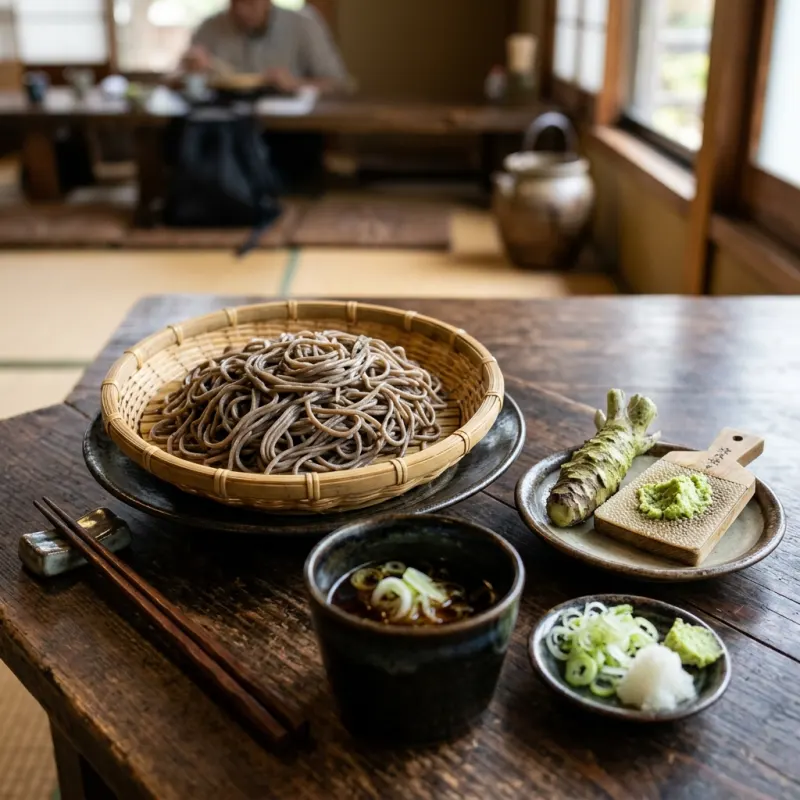
Hon-Wasabi Zaru Soba - Chilled buckwheat noodles accompanied by whole, fresh Izu wasabi root served with a traditional grater. Diners grind the root fresh to create an aromatic, sweet-pungent condiment mixed directly with dashi dipping sauce.
Hon-Wasabi Zaru Soba served with fresh wasabi root on a wooden table in Shuzenji

Maya’s Final Checklist for Shuzenji Onsen

Logistics shouldn’t be the focus of your trip—the experience should. I’ve hand-vetted these essential partners to ensure your arrival, stay, and exploration are as smooth as an Athenian breeze.

Maya, the human travel expert at TravelingWiz, offering curated, non-AI expertise

Where to Stay

Compare accommodation options and choose a stay that suits your plans and budget.

Air Travel

Compare flight options and find a route that fits your plans.

Local Guides

Connect with local guides for personalized help planning and exploring.

Travel Protection

The “Engineer’s” rule: always have a backup. Secure your trip with a plan that covers every “what if” and unexpected change.

Car Rentals

Compare rental options and choose a car that suits your trip.

Visa Information

Don’t let paperwork slow you down. Get expert assistance with your application to ensure all your entry documents are in order.

FAQs

Take the JR Tokaido Shinkansen from Tokyo to Mishima Station (around 45 minutes), transfer to the Izuhakone Railway Sunzu Line to Shuzenji Station (35 minutes), then take a 10-minute local bus directly into the onsen district.
Traditional public baths like Hakoyu have strict no-tattoo policies, but many ryokan offer private reservable baths (kashikiri-buro) or in-room baths where tattoos are entirely acceptable.
Yes, Shuzenji Onsen is accessible on a day trip from Tokyo or Hakone, allowing enough time to explore the temple, stroll the Bamboo Forest Path, and enjoy public footbaths before returning.

Your Insights Matter

TravelingWiz grows through the stories of our community. If you’ve recently explored ,Shuzenji Onsen share your tips and stories to help us perfect our guides for the next traveler.

Where should we send your offline card?

We hate spam just as much as you do

newsletter_consent *